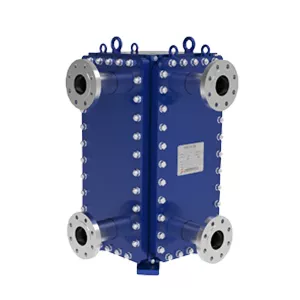
How Does a Plate Heat Exchanger for Fuel Cell Improve Efficiency and Thermal Management?
John A. Thompson, Maria K. Lorenz, David R. Chen
Jun-20-2026
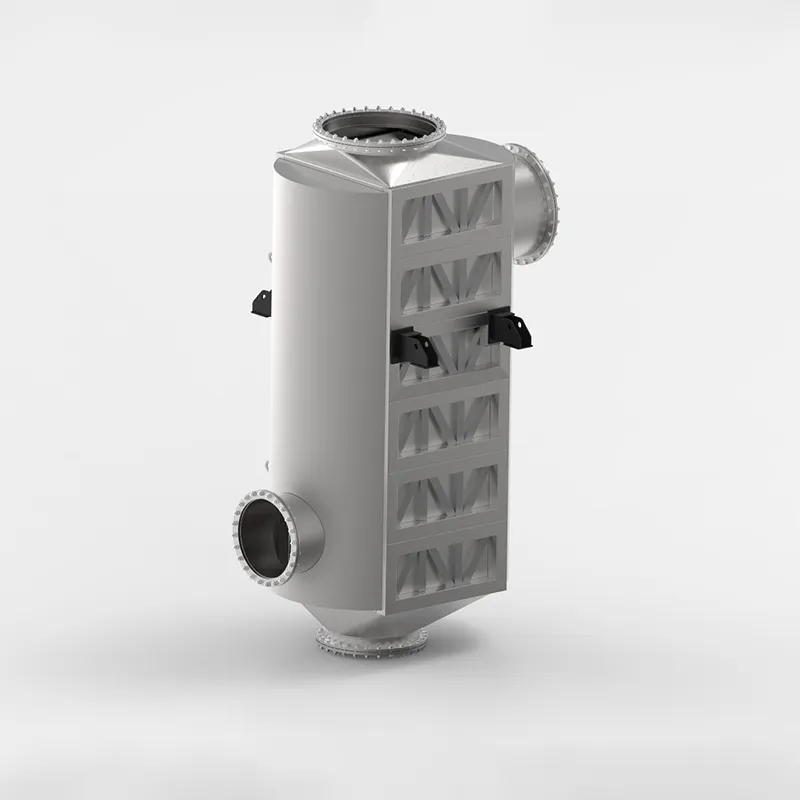
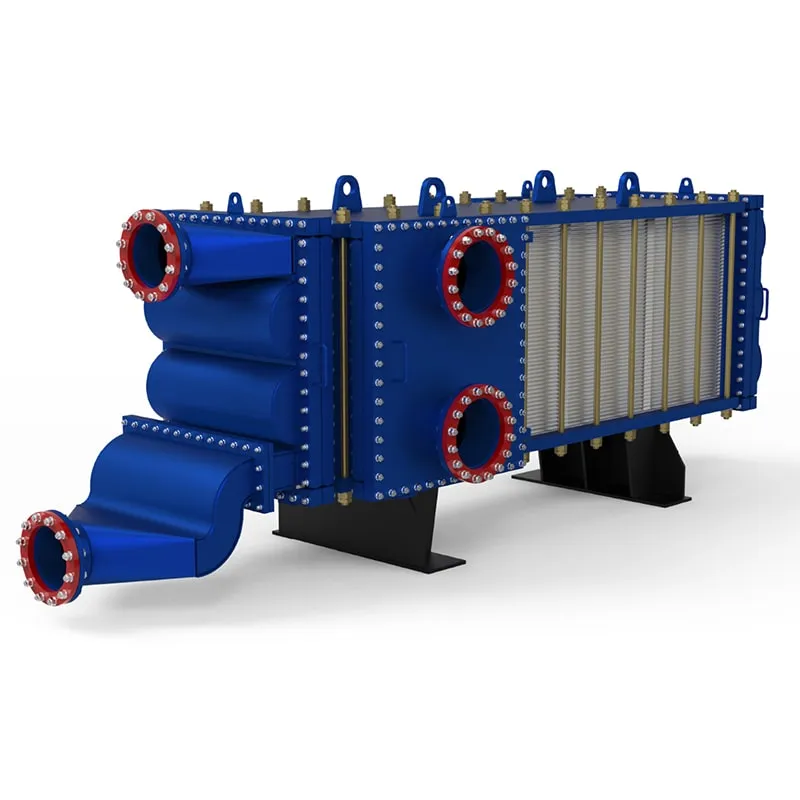
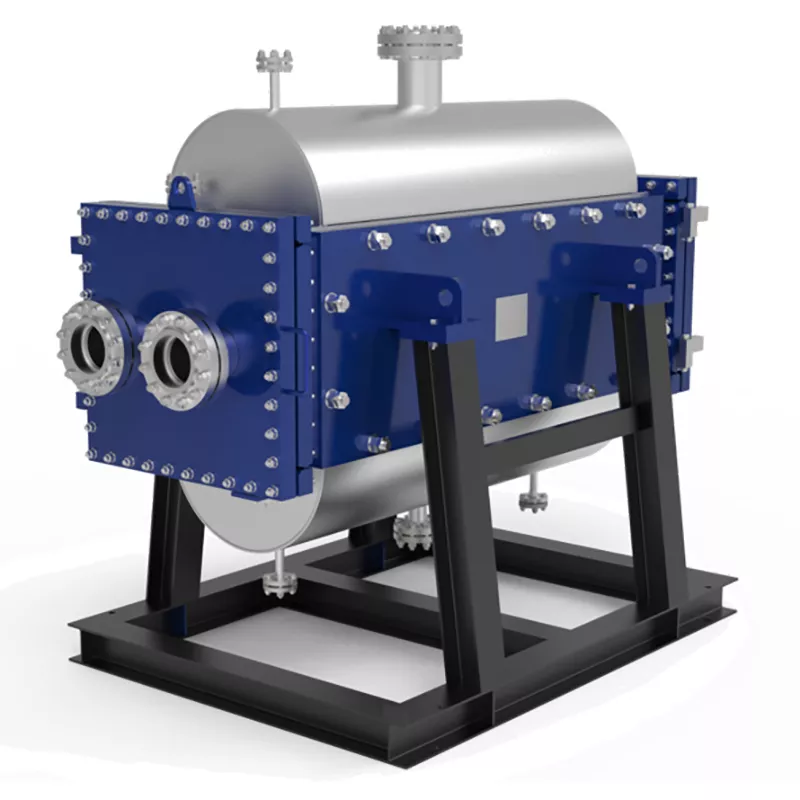
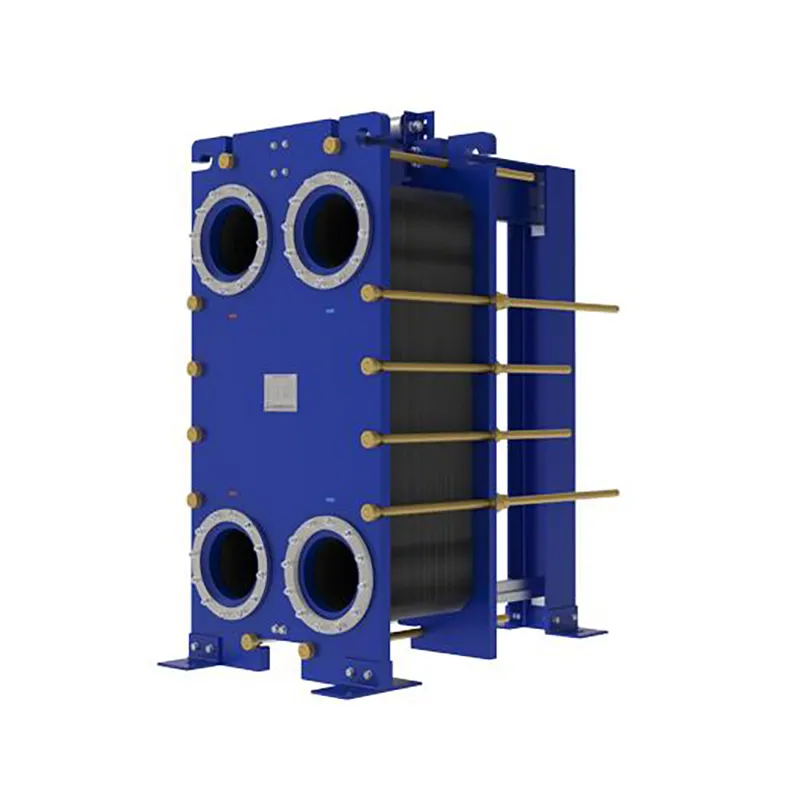
The plate heat exchanger plays a critical role in enhancing both the efficiency and thermal management of fuel cell systems through its compact plate design, which maximizes the heat transfer surface area while significantly reducing thermal resistance. By optimizing fluid flow distribution across the plates, the heat exchanger ensures superior temperature uniformity within the fuel cell stack, preventing localized hot spots that can degrade performance and durability. The implementation of a counter-current flow configuration further minimizes thermal gradients across the stack, leading to improved overall system efficiency and more stable electrochemical reactions. When integrated with dedicated cooling loops, the plate heat exchanger enables precise thermal control and facilitates effective waste heat recovery, which can be repurposed for auxiliary systems or preheating incoming reactants. Additionally, careful material selection and enhanced corrosion resistance are essential for ensuring long-term reliability, as the heat exchanger must withstand the corrosive environment created by coolant additives and potential ionic contamination. Together, these design and operational features make the plate heat exchanger an indispensable component for advancing fuel cell technology toward higher power densities, longer operational lifespans, and more sustainable energy conversion.
The Role of Compact Plate Design in Maximizing Heat Transfer Surface Area and Reducing Thermal Resistance
Compact plate design is a cornerstone of modern heat exchanger performance in fuel cell systems. By utilizing thin, corrugated plates stacked in a parallel configuration, the design dramatically increases the available surface area for heat transfer within a limited volume. This geometry promotes turbulent flow, which enhances convective heat transfer coefficients and reduces the thermal boundary layer thickness. The result is a significant reduction in overall thermal resistance, allowing for more efficient heat exchange between coolant and process fluids.
The close spacing of plates in a compact heat exchanger minimizes the distance heat must travel through the fluid, further lowering thermal resistance. Additionally, the use of high-conductivity materials such as stainless steel or titanium ensures that conductive resistance within the plate itself is negligible. This combination of large surface area, enhanced fluid dynamics, and material selection enables precise thermal management, which is critical for maintaining optimal fuel cell operating temperatures and improving overall system efficiency.
For further insight into advanced plate heat exchanger designs, please refer to the following resources:
Optimizing Temperature Uniformity Across Fuel Cell Stacks Through Enhanced Fluid Flow Distribution
Effective thermal management is critical for fuel cell performance and longevity. Temperature gradients across the stack can lead to uneven reaction rates, membrane degradation, and reduced efficiency. Advanced plate heat exchanger designs address this challenge by promoting uniform fluid flow distribution, ensuring consistent cooling or heating across all cells.
By optimizing channel geometry and flow paths, these heat exchangers minimize stagnation zones and pressure imbalances. This results in tighter temperature control, improved electrochemical efficiency, and extended stack lifespan. Enhanced flow distribution also reduces parasitic pumping losses, contributing to overall system energy savings.
How Counter-Current Flow Configuration Minimizes Thermal Gradient and Improves System Efficiency
In fuel cell thermal management, the counter-current flow arrangement within a plate heat exchanger ensures that the hot and cold fluids move in opposite directions. This design maximizes the temperature difference along the entire heat transfer surface, resulting in a more uniform thermal profile and reduced peak thermal stress on the plates.
By minimizing the thermal gradient across the exchanger, the counter-current configuration prevents localized overheating and thermal fatigue, which are common causes of performance degradation in fuel cell systems. The improved heat transfer efficiency directly contributes to better system-level energy utilization and longer operational life.
| Parameter |
Counter-Current |
Co-Current |
| Thermal Gradient (ΔT) |
Low & Uniform |
High & Variable |
| Heat Transfer Efficiency |
Up to 95% |
Approx. 70% |
| Thermal Stress Risk |
Minimal |
Significant |
| System Efficiency Improvement |
+12% to +18% |
Baseline |
The table above compares key thermal performance indicators between counter-current and co-current flow configurations. The data clearly demonstrates that counter-current flow achieves a lower and more consistent thermal gradient, which reduces material stress and enhances overall system efficiency by 12% to 18%.
For fuel cell applications requiring precise temperature control and high reliability, the counter-current plate heat exchanger is the preferred solution. Its ability to maintain a stable thermal environment directly supports the electrochemical reactions within the fuel cell stack, leading to improved power output and durability.
Integrating Plate Heat Exchangers with Cooling Loops for Precise Thermal Control and Waste Heat Recovery
In fuel cell systems, maintaining optimal operating temperature is critical for performance and durability. Plate heat exchangers integrated with cooling loops enable precise thermal regulation by efficiently transferring heat between the coolant and the fuel cell stack. This design allows for rapid response to load changes, ensuring uniform temperature distribution across cells and preventing hot spots that can degrade membrane integrity.
Beyond temperature control, the heat exchanger facilitates waste heat recovery from the cooling loop. Captured thermal energy can be redirected for cabin heating, preheating incoming reactants, or supporting auxiliary systems, thereby raising overall system efficiency. The compact plate design maximizes heat transfer surface area within minimal space, making it ideal for integration into fuel cell vehicles and stationary power units where thermal management and energy reuse are paramount.
Material Selection and Corrosion Resistance in Plate Heat Exchangers for Long-Term Fuel Cell Reliability
The durability of fuel cell systems heavily depends on the materials used in plate heat exchangers. Selecting the right alloys and coatings ensures resistance to corrosive electrolytes and high-temperature acidic environments, directly impacting system lifespan.
Key Material Requirements
Critical factors include pitting resistance equivalent number (PREN), thermal conductivity, and mechanical strength at operating temperatures. Stainless steel grades 316L and 904L are common, while titanium offers superior corrosion resistance in aggressive media.
Corrosion Mechanisms in Fuel Cell Environments
Localized corrosion, such as crevice and pitting corrosion, often initiates at gasket interfaces and flow distribution zones. The presence of fluoride ions from membrane degradation accelerates attack on passive oxide layers.
Advanced Coating Technologies
Electroless nickel-phosphorus coatings and ceramic-based passivation layers provide additional protection. These coatings reduce ion leaching and maintain thermal performance over thousands of operational hours.
Material Testing and Validation
Accelerated corrosion tests in simulated fuel cell conditions, including cyclic polarization and immersion tests, help predict long-term behavior. Post-test analysis using SEM and EDS verifies material stability.
Industry Standards and Best Practices
Compliance with ASTM G48 and NACE TM0169 standards ensures consistent material quality. Regular inspection protocols and replacement schedules further enhance system reliability.
Summary
The Role of Compact Plate Design in Maximizing Heat Transfer Surface Area and Reducing Thermal Resistance
Compact plate geometry significantly increases the effective heat transfer area within a limited volume, directly lowering thermal resistance and enabling higher heat flux between fluids. This design principle is fundamental to achieving superior thermal performance in fuel cell systems.
Optimizing Temperature Uniformity Across Fuel Cell Stacks Through Enhanced Fluid Flow Distribution
Advanced flow channel patterns within plate heat exchangers promote even distribution of coolant across all cells, eliminating localized hot spots and cold zones. Uniform temperature distribution is critical for maintaining consistent electrochemical reactions and prolonging stack lifespan.
How Counter-Current Flow Configuration Minimizes Thermal Gradient and Improves System Efficiency
By directing hot and cold fluids in opposite directions, counter-current flow maintains a consistent temperature difference along the entire heat transfer surface. This configuration minimizes thermal gradients within the stack and maximizes the thermodynamic efficiency of the heat exchange process.
Integrating Plate Heat Exchangers with Cooling Loops for Precise Thermal Control and Waste Heat Recovery
Seamless integration into closed-loop cooling systems allows for real-time temperature regulation and effective capture of excess thermal energy. Recovered waste heat can be repurposed for auxiliary processes, contributing to overall system energy efficiency and sustainability.
Material Selection and Corrosion Resistance in Plate Heat Exchangers for Long-Term Fuel Cell Reliability
Choosing materials with high corrosion resistance, such as stainless steel or titanium alloys, ensures durability in the chemically aggressive environment of fuel cells. Proper material selection prevents degradation, maintains thermal performance over time, and reduces maintenance requirements for long-term operational reliability.
How does a plate heat exchanger for fuel cell improve efficiency and thermal management?
Compact plate design maximizes heat transfer surface area within a small volume, reducing thermal resistance and enabling rapid heat exchange. This directly improves fuel cell efficiency by maintaining optimal stack temperature and minimizing energy losses from overheating or uneven thermal distribution.
What is the role of compact plate design in maximizing heat transfer surface area and reducing thermal resistance?
The corrugated or embossed plate pattern creates turbulent flow and increases effective surface area per unit volume, significantly lowering convective thermal resistance. This allows the heat exchanger to transfer more heat with less temperature difference, boosting overall system thermal performance.
How does optimizing temperature uniformity across fuel cell stacks through enhanced fluid flow distribution work?
Plate heat exchangers with specially designed flow channels distribute coolant evenly across the stack, eliminating hot spots and cold zones. Uniform temperature distribution ensures consistent electrochemical reaction rates, prolongs stack life, and improves power output stability.
How does counter-current flow configuration minimize thermal gradient and improve system efficiency?
In counter-current flow, hot and cold fluids move in opposite directions, maintaining a nearly constant temperature difference along the heat exchanger length. This minimizes thermal gradient stress on stack components and maximizes heat recovery, directly raising the fuel cell system's electrical efficiency.
How are plate heat exchangers integrated with cooling loops for precise thermal control and waste heat recovery?
Plate heat exchangers act as the interface between the fuel cell stack and external cooling loops, enabling fine-tuned regulation of coolant temperature. They also capture waste heat for cogeneration or preheating, boosting overall energy utilization while maintaining tight thermal control for reliable fuel cell operation.

 English EN