English EN


What Are The Different Types of Plate Heat Exchangers
Plate Heat Exchangers include gasketed, brazed, welded, semi-welded, shell and plate, and specialty types for varied industrial uses.
More
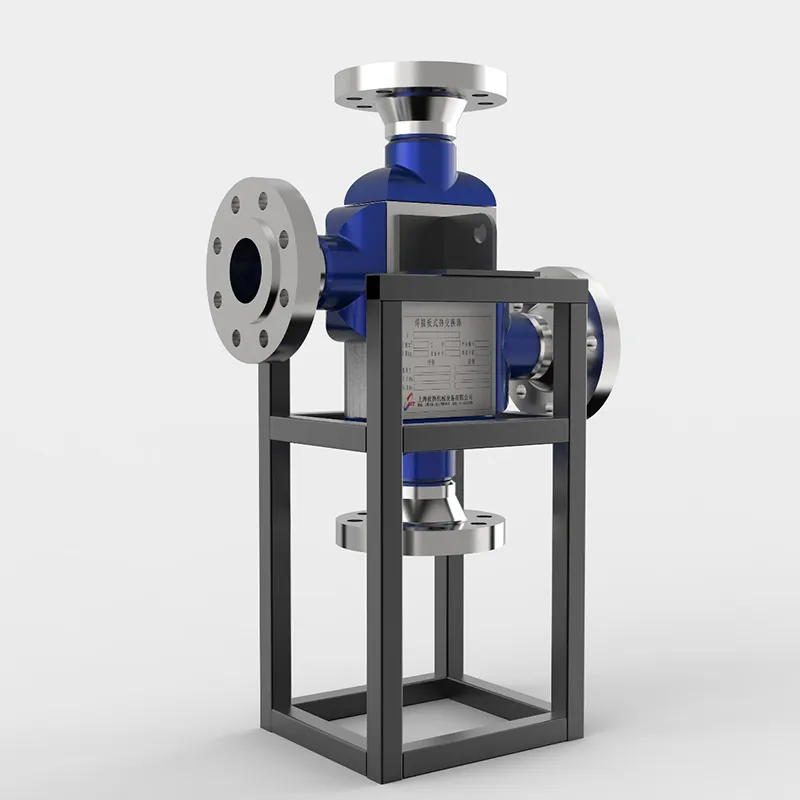
In any plate heat exchanger, the gasket is the unsung hero that prevents cross-contamination and fluid leakage. Made from materials like EPDM, NBR, or Viton, these seals must withstand varying temperatures, pressures, and chemical exposures. For example, EPDM gaskets handle hot water and steam up to 150°C, while Viton is suitable for aggressive chemicals and higher thermal loads. Choosing the right material directly impacts system efficiency and safety.
Proper gasket installation is equally important. Even a high-quality seal can fail if the plate surface is not clean or if compression is uneven. We recommend following torque specifications from the manufacturer and inspecting gaskets periodically for signs of wear, such as hardening or cracking. Regular maintenance helps avoid unplanned downtime and costly repairs.
For industries requiring custom solutions, engineered gaskets can be tailored to specific plate geometries and operating conditions. Whether you need a clip-on or glue-on style, precision molding ensures a tight fit. To learn more about custom-engineered options, visit our custom plate air preheaters page for additional insights.
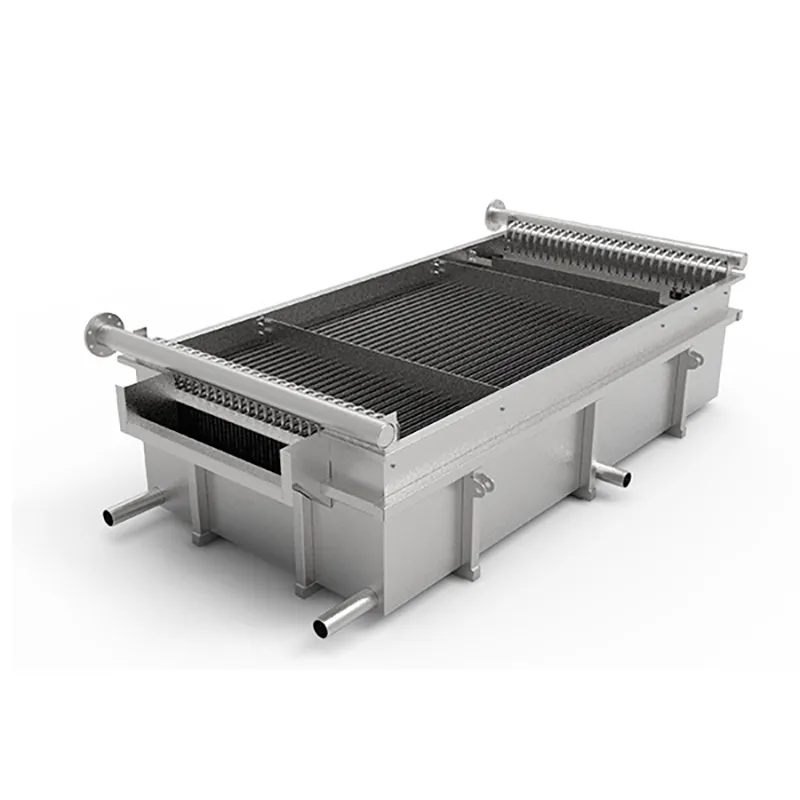
Beyond material selection, the design of the gasket groove and plate pattern also affects sealing performance. Modern heat exchangers often feature interlocking gasket systems that reduce the risk of misalignment. When replacing gaskets, always verify compatibility with your specific model to ensure optimal compression and longevity.
Real-world data shows that using premium gaskets can reduce leakage incidents by up to 30% compared to generic alternatives. This translates to lower fluid loss, better energy efficiency, and improved process control. Investing in quality sealing components is a cost-effective strategy for any facility relying on plate heat exchangers.
If you are looking for reliable sealing solutions, consider exploring gasketed plate heat exchangers for standard applications or custom designs for unique requirements. Proper gasket care and selection will keep your operations running smoothly for years to come.
We provide you with comprehensive foreign trade solutions to help enterprises achieve global development
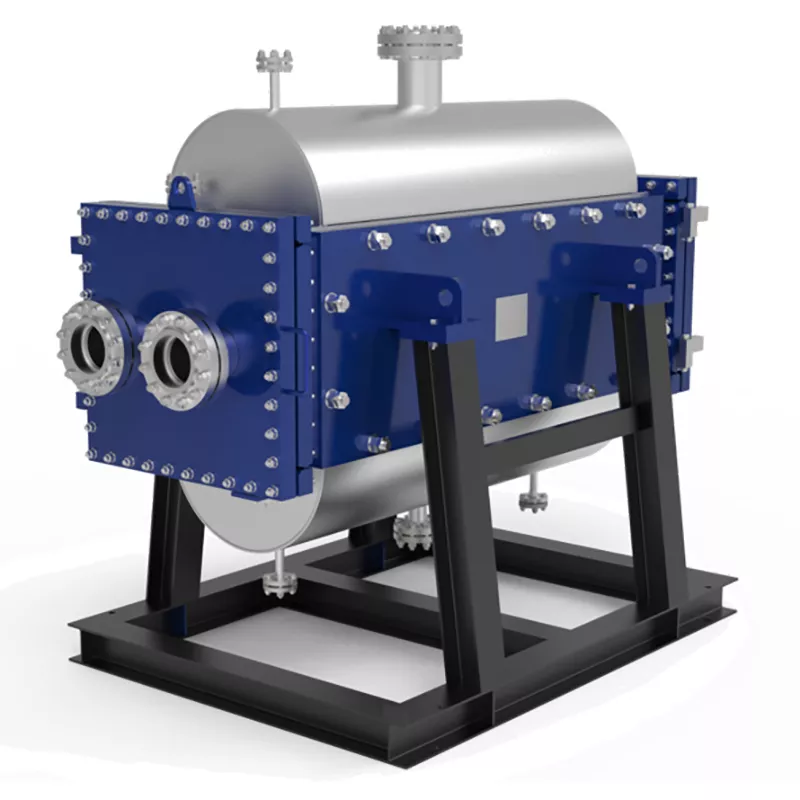
Industrial processes involving particle-laden slurries, high-viscosity syrups, or fiber-rich pulp demand more than standard equipment—they require target-engineered thermal management. At SHPHE, we configure the TP Welded Plate Heat Exchanger to directly conquer your plant's severe fouling, blockage, and erosion threats. Combining custom-tailored channel geometries, wear-resistant metallurgy, and integrated CIP (Cleaning-in-Place) systems, we deliver absolute production continuity where conventional heat exchangers fail.
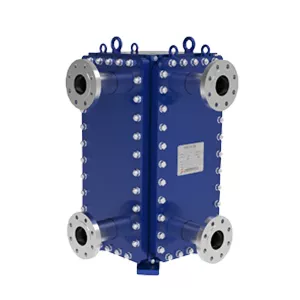
Custom-Engineered for Severe Process Demands. At SHPHE, we don't just supply equipment; we design tailored thermal solutions. Our HT-Bloc welded plate heat exchangers are custom-configured by our experienced engineers to overcome your specific industry challenges—whether handling high-viscosity media, extreme temperatures, or strict space constraints.
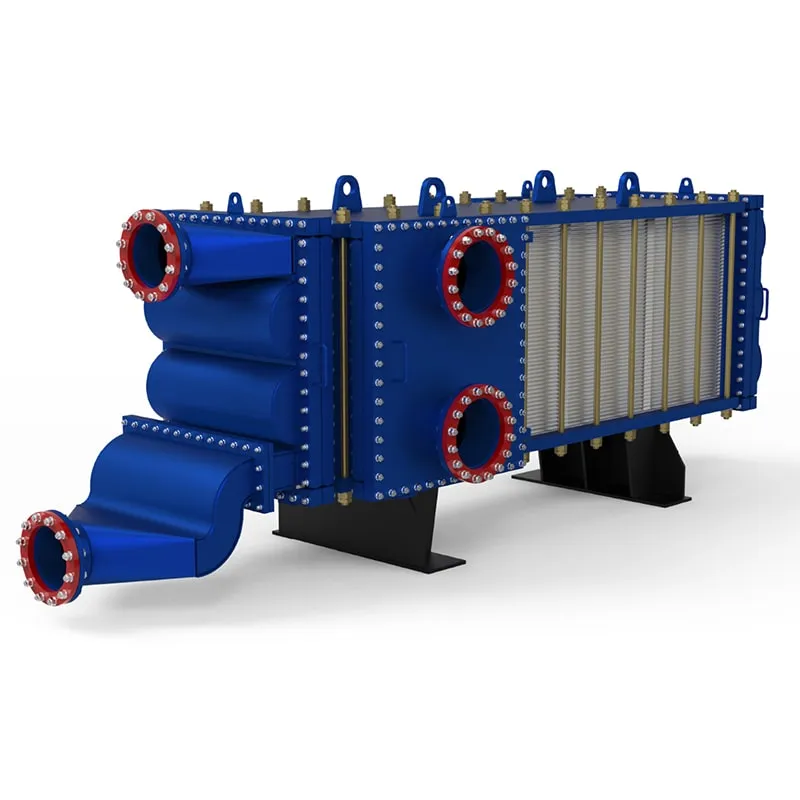
Custom-Engineered Anti-Clogging Solutions for High-Viscosity Slurries:
Deployed specifically to conquer severe industrial fouling, SHPHE wide gap welded plate heat exchangers are tailor-built to handle complex media containing dense fibers, coarse crystals, or solid suspensions without clogging. Each non-obstructed channel is calculated and formed by laser-welded plate packs matching your fluid’s exact rheology and grain size, completely eliminating structural "dead zones" and media stagnation. Available in highly compact vertical and versatile horizontal configurations, our vertical engineering drastically reduces plant footprints while maintaining unhindered product throughput, minimal pressure drops, and flawless continuous operations across harsh process loops.
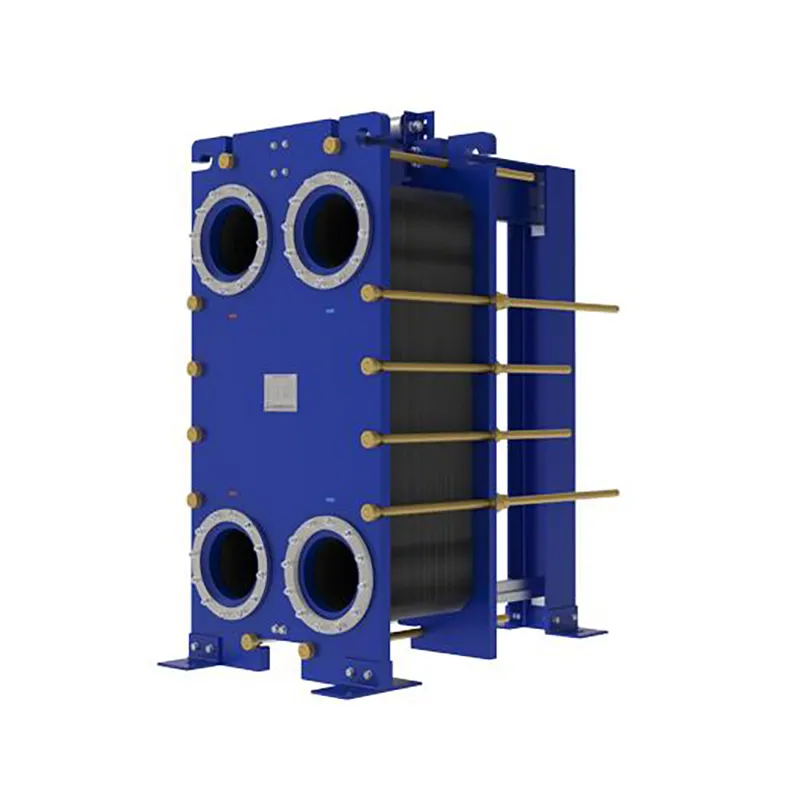
Since the invention of the plate heat exchanger (PHE) in 1923, thermal technology has evolved from standard food-grade processing to highly complex industrial operations. At SHPHE, we take this classic, versatile design and transform it into highly bespoke heat transfer solutions tailored to your unique process fluids and thermal loads. While traditional gasketed PHEs offer high efficiency and compact footprints, SHPHE optimizes plate corrugations, metallurgy, and sealing systems to handle your specific chemical, HVAC, or energy recovery parameters. Our custom-engineered gasketed plate heat exchangers provide outstanding scalability and ease of maintenance, serving as an indispensable asset for heavy industries—including oil and gas, metallurgy, and food processing—where uptime, energy recovery, and long-term sustainability are top priorities.