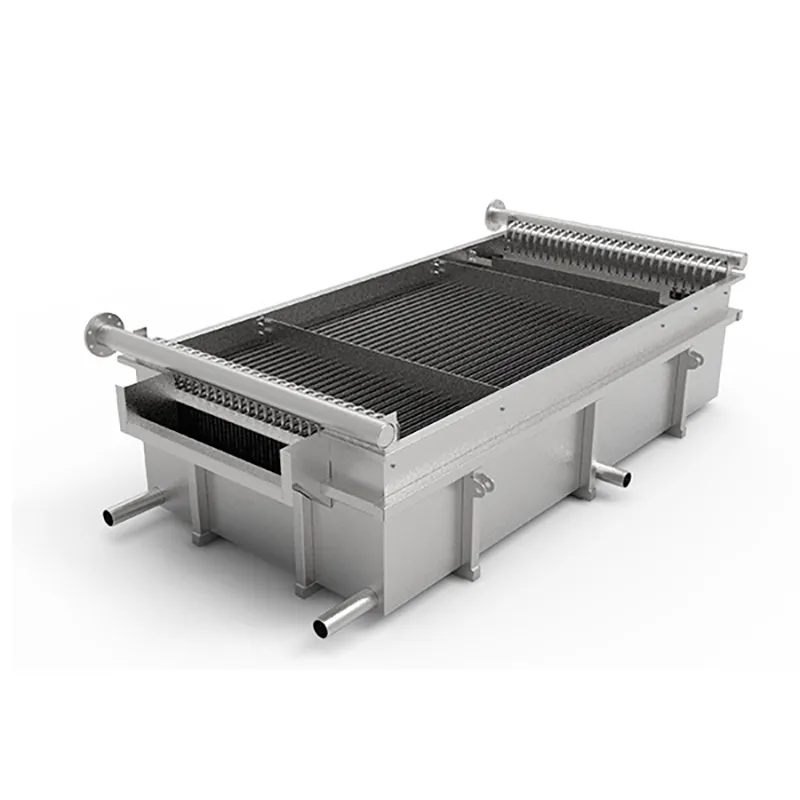
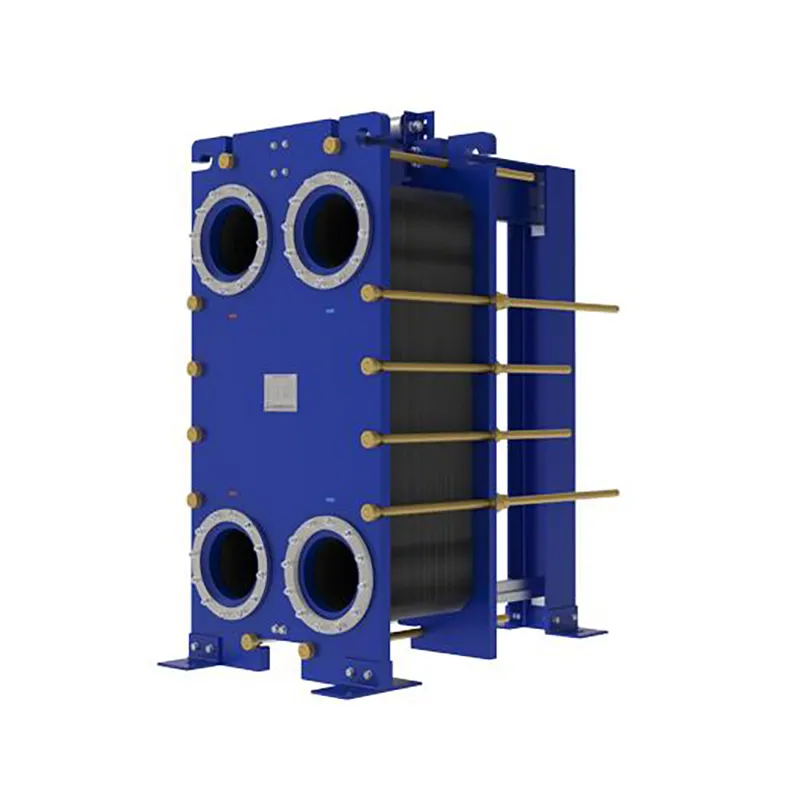
When industrial processes demand efficient, uniform and reliable heat transfer, the pillow plate jacket stands out as a proven workhorse. Unlike conventional jacketed vessels that rely on bulky spiral or dimple designs, the pillow plate jacket uses a series of spot-welded, inflated channels to create a thin, robust heat transfer surface. This construction delivers higher heat transfer coefficients, reduced fluid hold-up, and faster response times. Whether you are heating, cooling, or maintaining precise temperatures in storage tanks, reactors, or mixing vessels, this technology offers a compact yet powerful solution that directly addresses common pain points like fouling, uneven temperature distribution, and excessive energy consumption.
What Makes the Pillow Plate Jacket Different?
The core difference lies in its manufacturing process. Two thin metal sheets are welded together in a specific pattern, then inflated with high-pressure fluid to form hollow channels. The result is a lightweight but extremely strong panel that can be formed to fit the contours of virtually any vessel. Because the channels are narrow and closely spaced, the heat transfer surface area is maximized, and the turbulence of the heating or cooling medium is significantly increased. This means that for the same duty, a pillow plate jacket requires less surface area and less media flow than a traditional half-pipe coil or conventional jacket.
From a maintenance perspective, the smooth, continuous surface of the pillow plate reduces the risk of material buildup and makes cleaning far easier. This is particularly valuable in food processing, pharmaceutical, and chemical applications where hygiene and batch-to-batch consistency are non-negotiable.
Key Performance Advantages You Can Measure
Engineers often compare heat transfer solutions based on three criteria: efficiency, footprint, and total cost of ownership. The pillow plate jacket excels on all three fronts. Because the plate thickness is typically only 1.2 mm to 2.0 mm (compared to 6 mm or more for a traditional jacket), thermal resistance is dramatically reduced. This translates into faster heat-up times and more precise temperature control. In many retrofit scenarios, plants have reported energy savings of 15% to 30% simply by switching from conventional jacketing to pillow plates.
The reduced fluid volume inside the channels also means less thermal inertia. When you need to change the temperature setpoint quickly, the system responds almost immediately. This is a critical advantage in batch processing where cycle time directly impacts throughput. Additionally, the structural rigidity of the pillow plate allows it to operate at higher pressures than dimple jackets, making it suitable for a wider range of process conditions.
Where Does the Pillow Plate Jacket Perform Best?
This technology is versatile, but it shines in specific applications. For vertical and horizontal storage tanks that require consistent temperature maintenance, the pillow plate jacket provides uniform coverage without dead zones. In agitated reactors, the ability to form the plate to the vessel's curvature ensures that even the bottom head and nozzle areas receive adequate heat transfer, which is often a weak point in other designs.
It is also an excellent choice for heating or cooling viscous fluids. The high turbulence induced by the narrow channels prevents laminar flow at the heat transfer surface, which would otherwise create a stagnant boundary layer and severely reduce efficiency. For processes involving shear-sensitive products, the gentle but effective heat transfer minimizes product degradation.
Material Options and Customization
Pillow plate jackets are typically manufactured from stainless steel grades such as 304, 316L, or duplex alloys, depending on the corrosiveness of the process media and the operating temperature. For highly aggressive chemicals, higher-grade alloys like Hastelloy or Inconel can also be used. The plates can be supplied in a variety of thicknesses and channel heights, allowing the design to be fine-tuned for the specific heat transfer duty and available pressure drop.
Customization goes beyond material selection. The welding pattern can be adjusted to create different channel geometries, influencing both the heat transfer coefficient and the mechanical strength. This flexibility is particularly useful when the jacket needs to be formed around complex vessel shapes, such as dished heads or conical sections. Many manufacturers offer custom-engineered pillow plates that are designed specifically for the vessel dimensions and process requirements, ensuring an optimal fit and performance.
Installation and Retrofit Considerations
One of the most practical benefits of the pillow plate jacket is its ease of installation. Because the plates are lightweight and can be prefabricated to match the vessel's external dimensions, they can be welded or clamped onto existing tanks with minimal downtime. This makes it a highly attractive option for plants looking to upgrade their heat transfer capabilities without replacing the entire vessel.
When retrofitting, it is important to consider the thermal expansion of both the vessel and the jacket. Proper design will incorporate expansion allowances to prevent stress cracking over time. Additionally, the choice of welding vs. clamping depends on whether the jacket needs to be removable for cleaning or inspection. In hygienic applications, a removable design is often preferred.
Comparing to Other Jacket Types
When placed side-by-side with a conventional dimple jacket, the pillow plate offers a higher pressure rating and a smoother external surface, which is easier to clean. Compared to a half-pipe coil, the pillow plate provides a larger heat transfer area per unit of vessel surface and better temperature uniformity. While a full conventional jacket offers the largest flow area, it is heavy, expensive, and often suffers from poor heat transfer due to low fluid velocity. The pillow plate strikes a balance between performance, cost, and practicality, making it the preferred choice for many modern process plants.
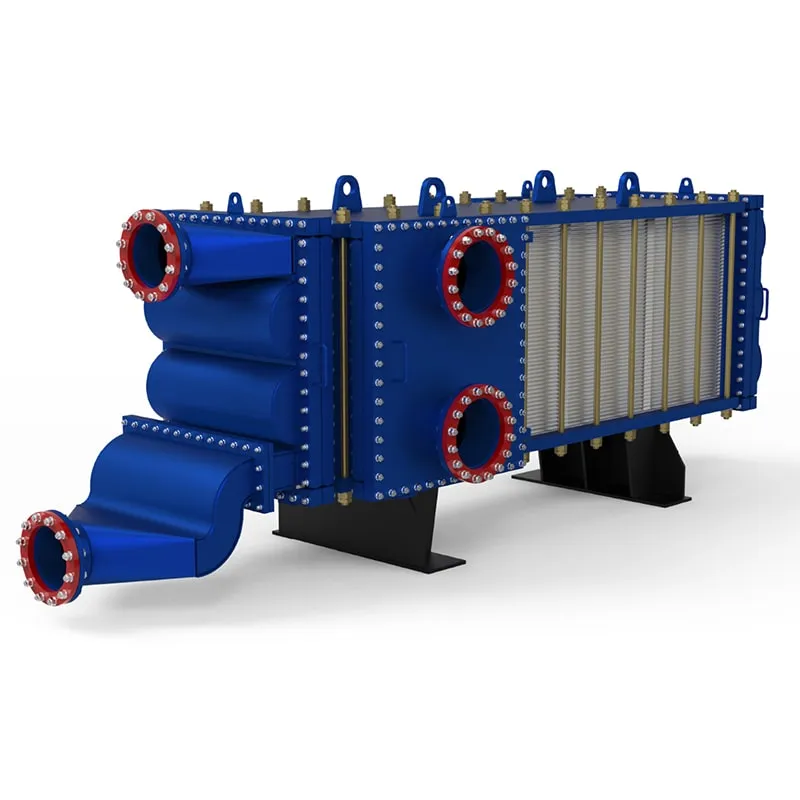
For those working with highly viscous or fouling media, the wide-gap welded plate heat exchanger is a related technology worth exploring. It offers even larger flow passages and is specifically designed to handle slurries and fibrous fluids that would clog a standard pillow plate.
Practical Tips for Maximizing Performance
To get the most out of your pillow plate jacket, pay attention to the flow rate of the heating or cooling medium. The channels are designed for turbulent flow, so ensure that the pump and piping are sized to deliver the required velocity. Also, consider the direction of flow. Counter-current flow, where the process fluid and the service fluid move in opposite directions, generally provides a more uniform temperature profile and a higher overall heat transfer rate.
Regular inspection of the weld points is recommended, especially in applications with thermal cycling. While the spot welds are robust, any sign of fatigue should be addressed immediately to prevent leakage. With proper care, a pillow plate jacket can last for decades, providing reliable service with minimal maintenance.
Conclusion: A Smart Investment for Process Efficiency
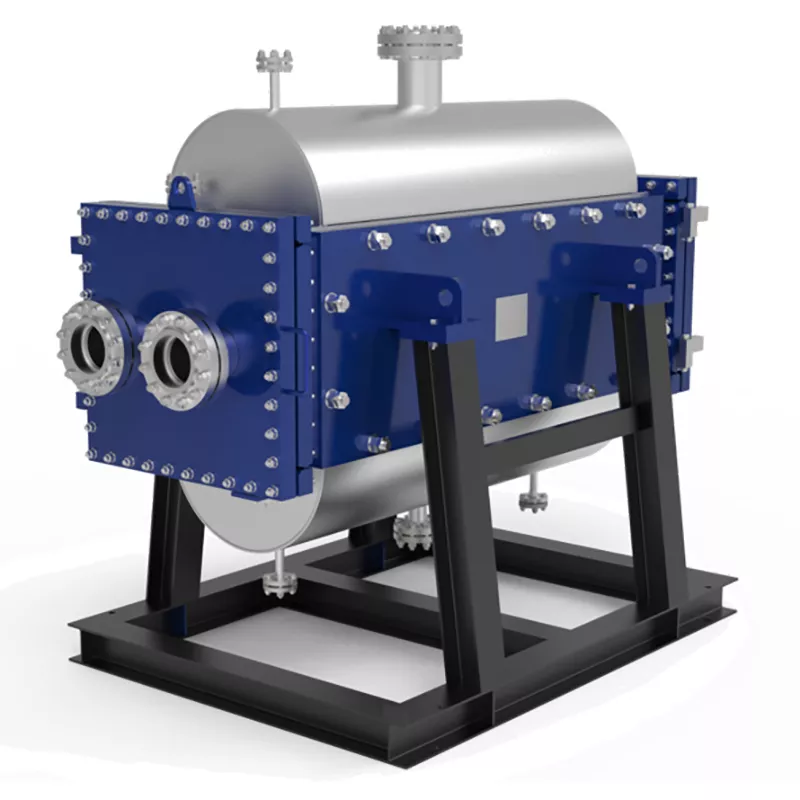
The pillow plate jacket is not a new technology, but it remains one of the most effective and versatile heat transfer solutions available today. Its combination of high efficiency, compact design, and adaptability to custom geometries makes it a smart choice for both new installations and upgrades. If you are evaluating options for a new reactor, storage tank, or any heated or cooled vessel, it is well worth considering the pillow plate jacket as a primary candidate. For more complex duties, exploring related solutions like the TP welded plate heat exchanger or the gasketed plate heat exchanger can provide additional perspectives on what is achievable with modern plate technology.

 English EN