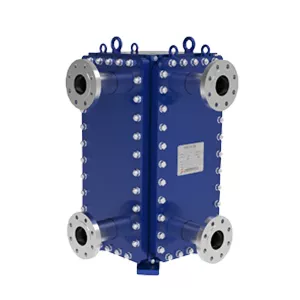
High-Efficiency Dimple Jacket Heat Exchanger: Ultimate Guide

摘要
在工业换热领域,换热效率与设备可靠性往往难以兼得。凹坑夹套换热器(Dimple Jacket Heat Exchanger)通过独特的凹坑点阵结构设计,在增强湍流、提升传热系数的同时,显著增强了承压能力。本文将从结构原理、性能优势、应用场景、选型要点及维护保养五个维度,为您全面解析这一高效换热解决方案,帮助您在实际项目中做出更明智的决策。
凹坑夹套换热器结构示意图

一、什么是凹坑夹套换热器?

凹坑夹套换热器是一种在夹套表面通过模具冲压形成规则凹坑点阵的换热设备。这些凹坑并非简单的装饰,而是经过流体力学优化的结构。当加热或冷却介质流经凹坑表面时,流体会在凹坑内部形成局部涡流,破坏层流边界层,从而大幅提升对流传热系数。与传统的光滑夹套相比,凹坑结构使换热面积增加了约15%至20%,同时湍流强度的提升使总传热系数提高30%至50%。

这种设计最初源于航空发动机冷却技术的启发,后来被引入工业换热领域。经过数十年的迭代优化,如今的凹坑夹套换热器已经广泛应用于化工、制药、食品、能源等行业,成为处理高粘度介质、含颗粒流体以及需要频繁清洗工况的理想选择。

二、核心结构设计解析

凹坑夹套换热器的核心结构由内筒体、外包夹套和凹坑点阵三部分组成。内筒体通常采用不锈钢或钛材制造,厚度根据工作压力计算确定。外包夹套与内筒体之间形成环形通道,凹坑点阵均匀分布在夹套内侧或内筒体外壁上。

凹坑的几何参数(深度、直径、间距)对换热性能有决定性影响。根据实验数据,当凹坑深度与直径之比在0.2至0.3之间时,传热强化效果最佳。凹坑间距过大会导致湍流衰减,间距过小则会增加流动阻力。目前行业内成熟的凹坑直径范围为20mm至50mm,深度为4mm至10mm,具体参数需根据工艺条件进行CFD仿真优化。

在承压能力方面,凹坑结构起到了类似"加强筋"的作用。实验表明,带有凹坑的夹套比同等厚度的光滑夹套耐压能力提升约40%。这意味着在相同设计压力下,可以选用更薄的板材,从而降低设备重量和材料成本。

三、性能优势与应用场景

1. 传热效率显著提升:凹坑诱导的涡流效应使传热系数大幅提高,在相同换热负荷下,设备体积可缩小25%至35%。对于空间受限的改造项目,这一优势尤为突出。

2. 抗结垢性能优异:凹坑内的湍流能够有效冲刷壁面,延缓污垢沉积。在含硬水或易结垢介质的工况中,清洗周期可延长2至3倍,显著降低维护成本。

3. 适应复杂介质:对于含有悬浮颗粒或高粘度流体,凹坑结构提供了更平滑的流动路径,减少了堵塞风险。在食品行业的果酱、糖浆加热,以及化工行业的树脂、涂料生产中表现尤为出色。

4. 结构紧凑,节省空间:由于换热效率高,相同换热面积所需的设备体积更小,占地面积减少,特别适合室内安装或设备密集的工艺单元。

在应用场景方面,凹坑夹套换热器特别适用于以下领域:

凹坑夹套换热器工业应用现场

四、选型要点与设计考量

选择凹坑夹套换热器时,需要综合考虑工艺参数、介质特性和经济性等多方面因素:

工艺条件:明确工作压力、温度、流量以及换热负荷。凹坑夹套的承压能力通常在0.6MPa至2.5MPa之间,特殊设计可达到4.0MPa。温度范围受密封材料和焊接工艺限制,一般不超过300℃。

介质特性:流体的粘度、腐蚀性、含固量直接影响凹坑参数的选择。高粘度介质需要更大的凹坑深度以增强扰动;腐蚀性介质则需要选用更耐蚀的材料并适当增加壁厚。

流动方向:通常采用逆流布置以获得更大的对数平均温差。对于需要频繁切换加热/冷却模式的批次生产,应设计对称的进出口结构以减少流阻。

在选型时,建议与制造商充分沟通,提供详细的工艺数据表。专业的制造商会根据您的工况进行热力计算和结构校核,必要时通过CFD仿真优化凹坑布局。对于特殊工况,还可以考虑将凹坑夹套与其他换热形式(如内盘管、扰流子)组合使用,以获得最佳的综合性能。

五、维护保养与常见问题

凹坑夹套换热器的维护相对简单,但仍需注意以下几点:

定期检查:每6个月检查一次夹套内部是否有异常磨损或腐蚀点。凹坑底部是应力集中区域,应重点检查是否有疲劳裂纹。

清洗策略:根据介质结垢倾向,制定合理的清洗周期。对于轻度结垢,可采用在线反冲洗;重度结垢时需打开设备进行机械清洗或化学清洗。凹坑表面的湍流作用本身能延缓结垢,因此清洗频率通常低于光滑夹套。

密封维护:夹套法兰连接处的密封垫片属于易损件,建议每年更换一次。选用耐温耐腐蚀的PTFE或石墨复合垫片,可有效延长使用寿命。

常见故障:如果发现换热效率下降,首先检查是否结垢;其次检查是否有内漏(可通过压力试验判断)。凹坑区域的局部腐蚀通常与介质流速过快或氯离子含量过高有关,应严格控制操作参数。

六、与其他类型换热器的对比

为了帮助您更直观地了解凹坑夹套换热器的定位,我们将其与几种常见换热器进行对比:

与光滑夹套换热器相比:凹坑夹套的传热系数高出30%至50%,承压能力提升约40%,但制造成本增加10%至15%。在长期运行中,节省的能耗和延长清洗周期带来的收益远超初始投资差额。

与螺旋板换热器相比:凹坑夹套更适合高压工况和需要频繁机械清洗的场景。螺旋板换热器在低压大流量工况下具有成本优势,但一旦堵塞很难清理。

与板式换热器相比:板式换热器的传热系数更高,但密封垫片限制了其使用温度和压力。凹坑夹套采用全焊接结构,适用于更高温度和压力的工况,且不易泄漏。

对于需要兼顾效率、可靠性和维护便利性的用户,凹坑夹套换热器是一个值得认真考虑的选项。如果您正在规划新的换热系统或对现有设备进行升级改造,不妨与专业制造商深入探讨这一技术的适用性。

通过本文的介绍,相信您对凹坑夹套换热器有了更全面的认识。在实际选型中,建议结合具体工况进行详细的技术经济比较,选择最适合自身需求的换热解决方案。如需了解更多关于其他类型换热器的信息,可以参考板式换热器宽通道焊接板式换热器TP焊接板式换热器的相关资料。

Related Products

We provide you with comprehensive foreign trade solutions to help enterprises achieve global development

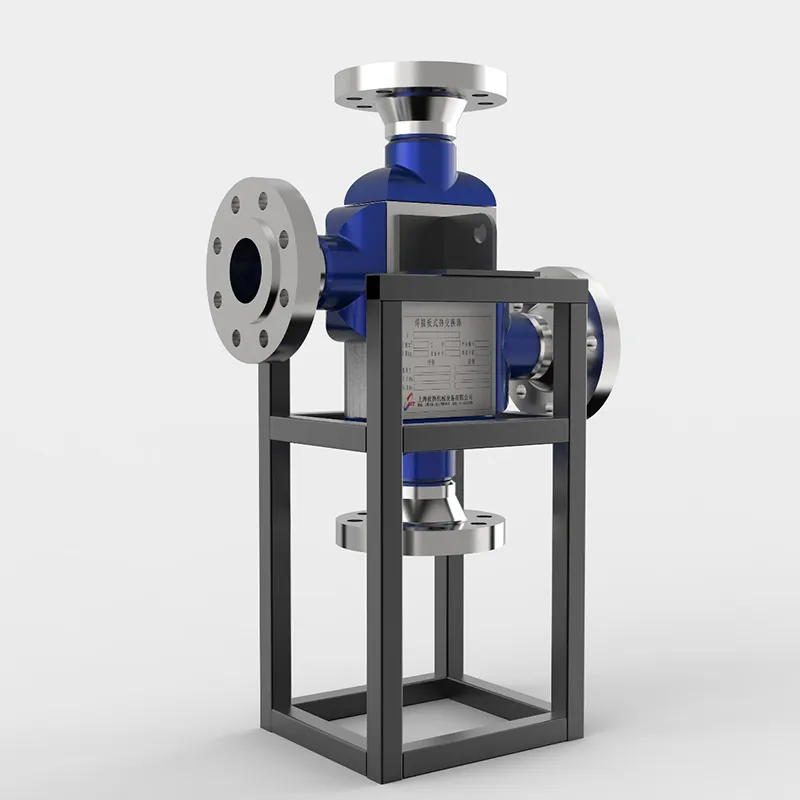
‌TP Welded Plate Heat Exchanger

Industrial processes involving particle-laden slurries, high-viscosity syrups, or fiber-rich pulp demand more than standard equipment—they require target-engineered thermal management. At SHPHE, we configure the TP Welded Plate Heat Exchanger to directly conquer your plant's severe fouling, blockage, and erosion threats. Combining custom-tailored channel geometries, wear-resistant metallurgy, and integrated CIP (Cleaning-in-Place) systems, we deliver absolute production continuity where conventional heat exchangers fail.

Heat Exchangers

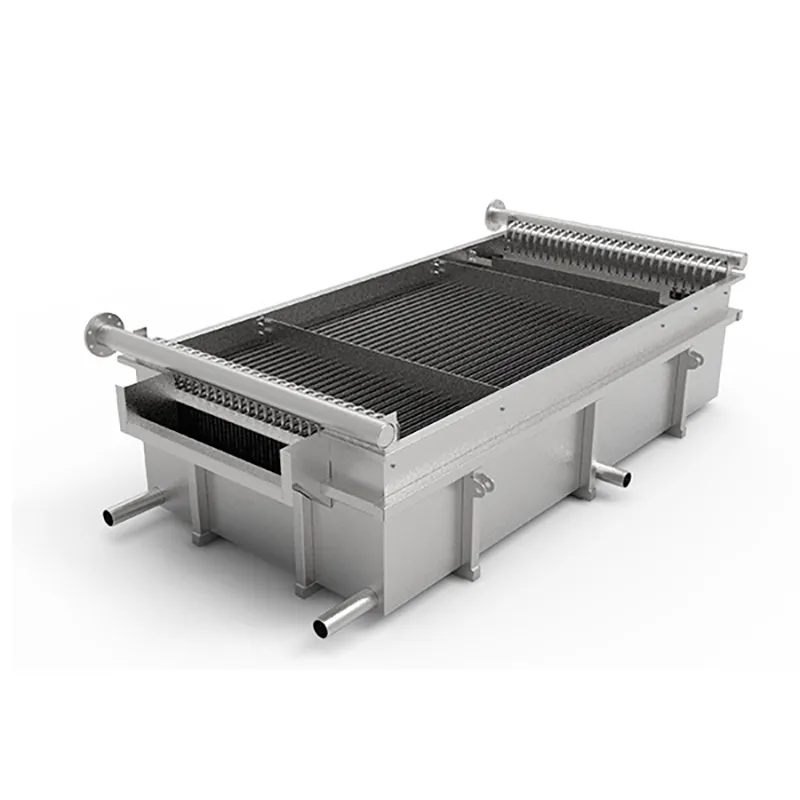
Custom-Engineered Pillow Plates & Laser-Welded Jackets

Originated in the mid-20th century to bypass the manufacturing bottlenecks and weight limitations of standard jacketed thermal components, the Pillow Plate (also known as a dimple plate or embossed plate) has revolutionized precision fluid-wall engineering. At SHPHE, we take this highly flexible technology and elevate it into a core foundation for bespoke industrial heat transfer integration. By utilizing state-of-the-art automated CNC fiber laser welding, our engineers customize the mechanical inflation profiles and spot pitch grids to directly match your specific fluid dynamics, pressure limits, and vessel configurations. Today, SHPHE's custom pillow plates are indispensable assets for worldwide processing plants prioritizing advanced thermal performance, zero-leak safety, and hygienic processing—serving as the definitive solution across food, pharmaceutical, chemical, and bulk solids cooling sectors.

Heat Exchangers

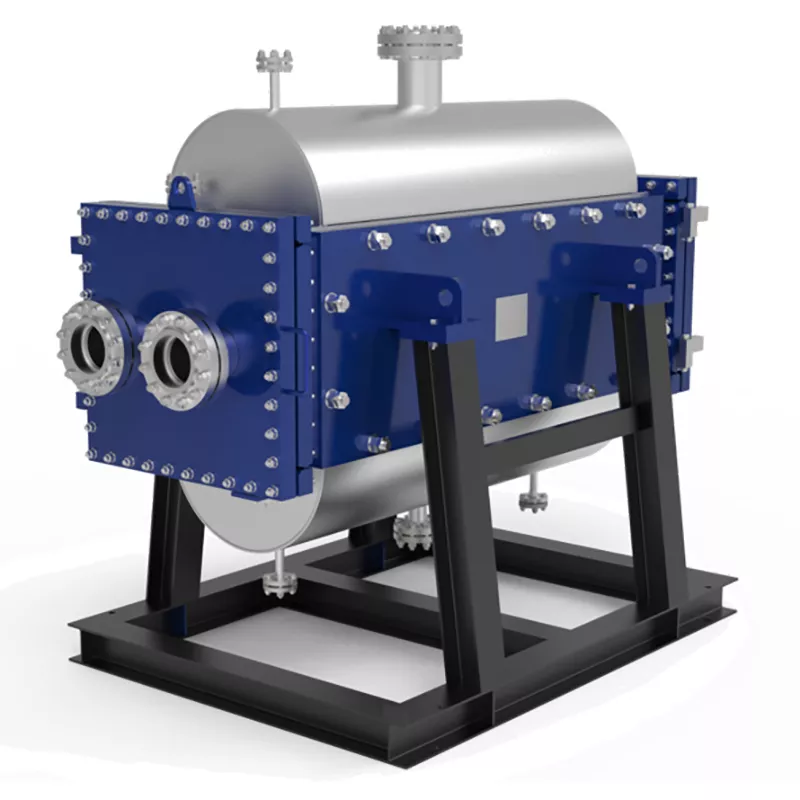
‌HT-Bloc Welded Plate Heat Exchanger

Custom-Engineered for Severe Process Demands. At SHPHE, we don't just supply equipment; we design tailored thermal solutions. Our HT-Bloc welded plate heat exchangers are custom-configured by our experienced engineers to overcome your specific industry challenges—whether handling high-viscosity media, extreme temperatures, or strict space constraints.

Heat Exchangers

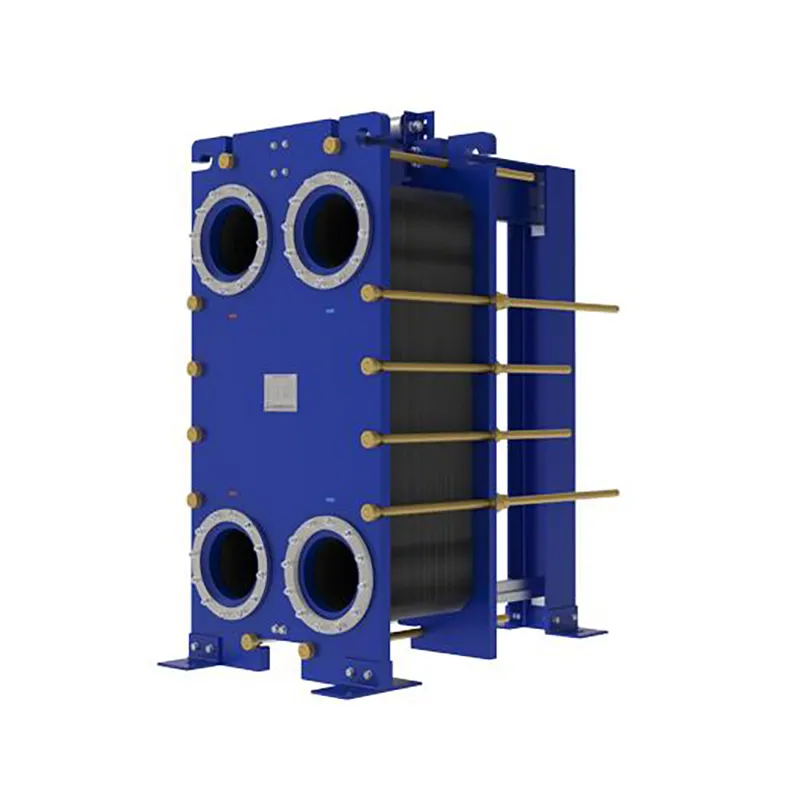
Custom-Engineered Gasketed Plate Heat Exchangers

Since the invention of the plate heat exchanger (PHE) in 1923, thermal technology has evolved from standard food-grade processing to highly complex industrial operations. At SHPHE, we take this classic, versatile design and transform it into highly bespoke heat transfer solutions tailored to your unique process fluids and thermal loads. While traditional gasketed PHEs offer high efficiency and compact footprints, SHPHE optimizes plate corrugations, metallurgy, and sealing systems to handle your specific chemical, HVAC, or energy recovery parameters. Our custom-engineered gasketed plate heat exchangers provide outstanding scalability and ease of maintenance, serving as an indispensable asset for heavy industries—including oil and gas, metallurgy, and food processing—where uptime, energy recovery, and long-term sustainability are top priorities.

Heat Exchangers
SHPHE has complete quality assurance system from design, manufacturing, inspection and delivery. It is certified with ISO9001, ISO14001, OHSAS18001 and hold ASME U Certificate.
© 2005-2026 Shanghai Heat Transfer - Privacy Policy