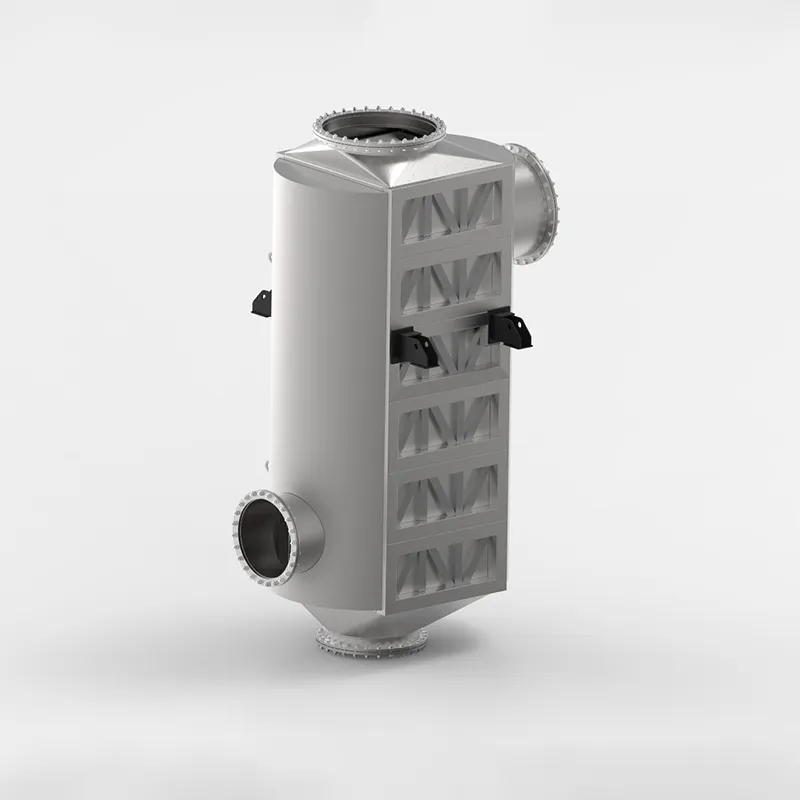
Gas to Liquid Plate Heat Exchanger: Top Efficiency Guide
Article Summary: This guide provides a practical overview of gas-to-liquid plate heat exchangers, focusing on how they achieve high thermal efficiency in demanding industrial applications. We will walk through the working principles, key design advantages, and real-world performance considerations. Whether you are evaluating options for a new facility or looking to optimize an existing process, this article offers straightforward insights into selecting and maintaining these critical pieces of equipment, helping you make informed decisions backed by solid engineering data.
Understanding Gas to Liquid Heat Exchange
Gas-to-liquid plate heat exchangers are engineered to transfer thermal energy between a gaseous process stream and a liquid medium. Unlike traditional shell-and-tube designs, these units utilize a series of corrugated metal plates to create separate channels for the two fluids. The corrugation pattern promotes turbulent flow even at low velocities, which significantly enhances the heat transfer coefficient. In practical terms, this means that for the same duty, a plate heat exchanger can be substantially more compact than alternative technologies, often occupying 30% to 50% less floor space.
The core challenge in gas-to-liquid applications is managing the significant difference in heat transfer characteristics between the two media. Gases typically have lower thermal conductivity and heat capacity compared to liquids. Modern plate designs address this by incorporating specialized plate patterns that maximize surface contact and induce secondary flow structures. This results in overall heat transfer coefficients that can reach 2 to 3 times higher than those achieved in conventional shell-and-tube exchangers, depending on the specific operating conditions and fluid properties.
Key Design Features That Drive Efficiency
One of the primary advantages of the plate heat exchanger is its true counter-current flow arrangement. In a counter-current configuration, the hot gas and cold liquid flow in opposite directions, which allows for a closer approach temperature. This means the outlet temperature of the gas can be brought much closer to the inlet temperature of the liquid, often achieving approach temperatures as low as 1°C to 2°C. This is a critical factor in processes where maximizing heat recovery is essential for energy cost reduction.
The plates themselves are typically pressed from materials like stainless steel 316L or titanium, chosen for their corrosion resistance and thermal performance. The gasket materials, often NBR or EPDM, are selected based on the chemical compatibility and temperature range of the process fluids. For gas-to-liquid duties involving aggressive media or high temperatures, welded plate heat exchanger designs eliminate gaskets entirely, providing a leak-proof and more robust solution. These welded units can handle temperatures up to 350°C and pressures up to 40 bar, making them suitable for many hydrocarbon and chemical processing applications.
Performance Metrics and Real-World Data
When evaluating the efficiency of a gas-to-liquid plate heat exchanger, the overall heat transfer coefficient (U-value) is the most telling metric. For gas-to-liquid applications, U-values typically range from 30 to 300 W/m²·K, depending on the gas composition, pressure, and flow rates. To put this into perspective, a typical shell-and-tube exchanger handling the same gas-liquid duty might achieve a U-value of only 10 to 50 W/m²·K. This difference translates directly into a smaller required heat transfer area, which reduces both the initial capital investment and the ongoing maintenance footprint.
Pressure drop is another crucial consideration. While the enhanced turbulence in plate heat exchangers boosts heat transfer, it also increases pressure loss. In gas applications, where the density is low, this can sometimes be a limiting factor. However, modern plate designs offer multiple flow configurations, allowing engineers to balance thermal performance against allowable pressure drop. For instance, using a wide-gap plate heat exchanger is an effective strategy when dealing with gases that contain particulates or fibers, as the wider channel spacing minimizes the risk of fouling and blockages, ensuring consistent performance over extended operational periods.
Maintenance and Operational Longevity
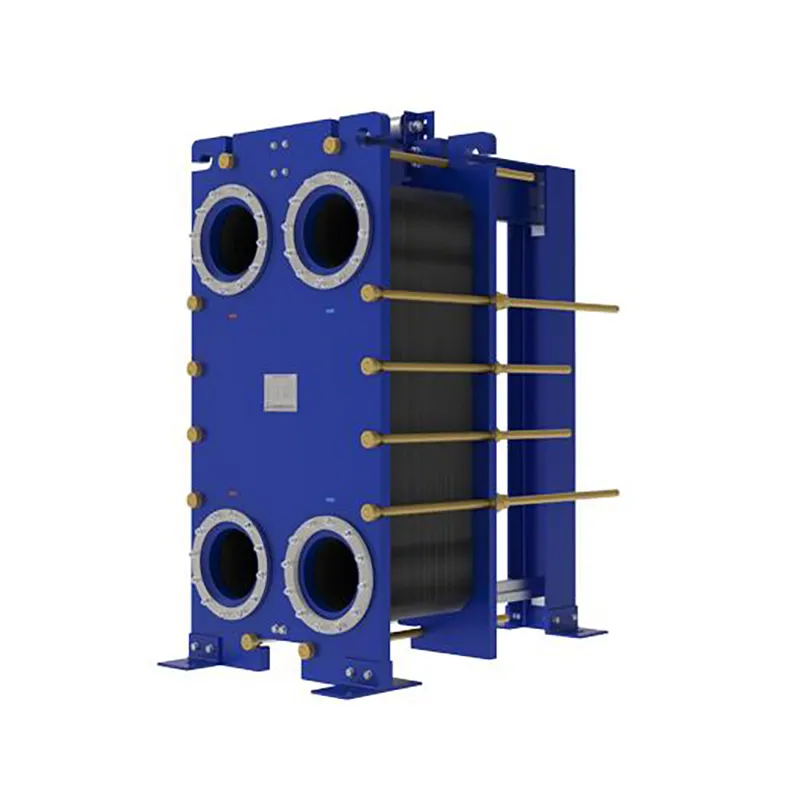
The ease of maintenance is a significant operational advantage of gasketed plate heat exchangers. The unit can be opened by loosening the compression bolts, and each plate can be individually accessed for inspection or cleaning. This is particularly valuable in gas-to-liquid services where fouling from gas impurities can accumulate over time. A routine cleaning schedule, often involving a simple wash-down with appropriate solvents, can restore the heat transfer performance to near-original levels without requiring extensive downtime.
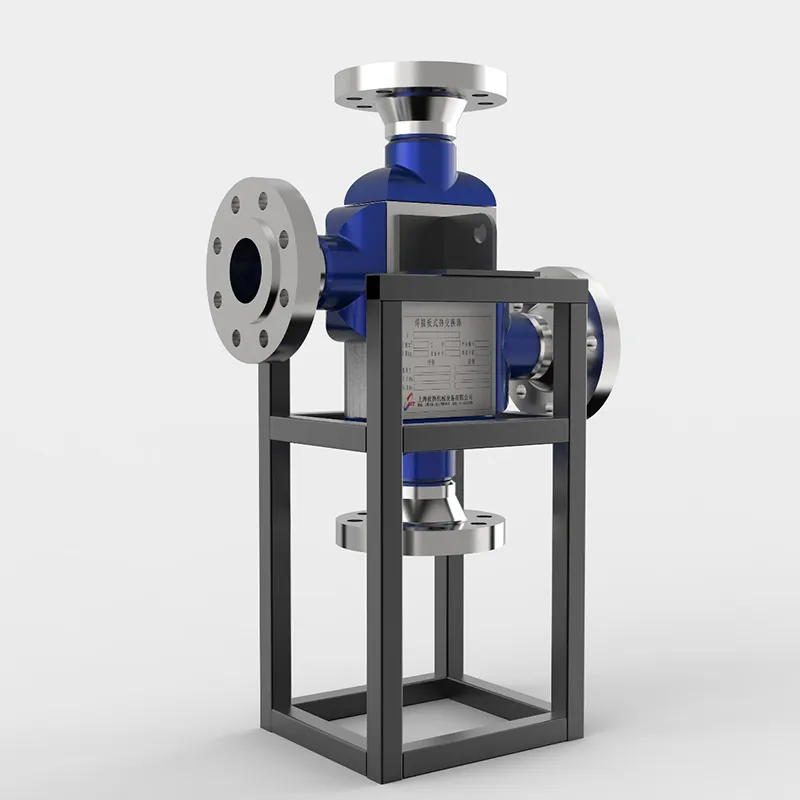
For installations where maintenance access is restricted or where process fluids are hazardous, opting for a fully welded or brazed design, such as a HT-bloc welded plate heat exchanger, offers a maintenance-free solution for the life of the equipment. These units have no gaskets to replace and are designed for long-term, trouble-free operation. The selection between gasketed and welded designs should be based on a thorough analysis of the process conditions, maintenance capabilities, and total lifecycle cost.
Selecting the Right Configuration
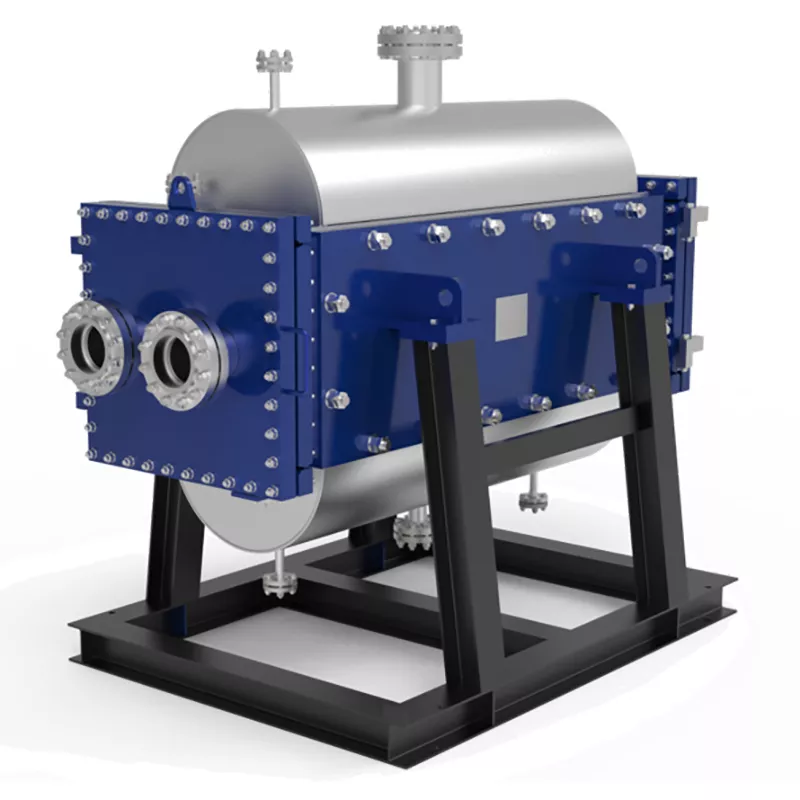
Choosing the correct heat exchanger for a specific gas-to-liquid duty involves a careful review of several parameters: the flow rates of both streams, the inlet and desired outlet temperatures, the physical properties of the gas (including density, viscosity, and specific heat), and the allowable pressure drop. It is also essential to consider the presence of any condensable components in the gas stream, as condensation can significantly alter the heat transfer dynamics. In such cases, a custom-engineered plate air preheater can be designed with specific plate geometries to handle the phase change efficiently.
Another important factor is the operating pressure of the gas stream. While standard gasketed plate heat exchangers are typically rated up to 25 bar, higher pressure applications may require specialized designs. For processes operating above this threshold, exploring printed circuit heat exchangers (PCHEs) might be a viable alternative. PCHEs feature micro-channel technology and can withstand extremely high pressures (up to 500 bar) and temperatures, making them ideal for high-demand applications like gas processing and supercritical CO2 cycles.
Practical Considerations for Installation
Proper installation is vital to achieving the rated performance of a gas-to-liquid plate heat exchanger. Piping should be arranged to avoid excessive stress on the exchanger nozzles, and adequate support must be provided for the unit's weight, especially when handling large gas volumes. It is also recommended to install the unit with sufficient clearance around the compression bolts to facilitate future maintenance. In systems where the gas stream may contain moisture, proper drainage points should be incorporated to prevent water hammer or corrosion issues.
The orientation of the unit also matters. For gas-to-liquid duties, it is often advantageous to have the gas flow in an upward direction and the liquid in a downward direction. This counter-current vertical arrangement aids in the drainage of any condensate and improves the overall heat transfer stability. Consulting with the manufacturer during the design phase to confirm the optimal orientation and nozzle connections can prevent many common operational issues down the line.
Conclusion: Maximizing Your Return on Investment
Investing in a gas-to-liquid plate heat exchanger is a strategic decision that can yield substantial returns through energy savings and process efficiency. The compact footprint, high thermal effectiveness, and ease of maintenance make these units a preferred choice across industries ranging from HVAC to chemical processing. By carefully evaluating your specific process parameters and considering the various design options available—from gasketed units for general service to welded or specialized designs for harsh conditions—you can ensure that your heat transfer system operates at peak performance for years to come.
Remember that the key to long-term efficiency lies not only in the initial selection but also in regular monitoring and proactive maintenance. Tracking the approach temperature and pressure drop over time can provide early warnings of fouling or internal leakage, allowing for timely intervention. With the right approach, a gas-to-liquid plate heat exchanger will prove to be a reliable and efficient workhorse in your process line.

 English EN