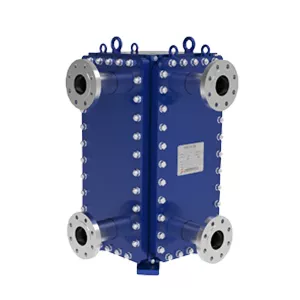
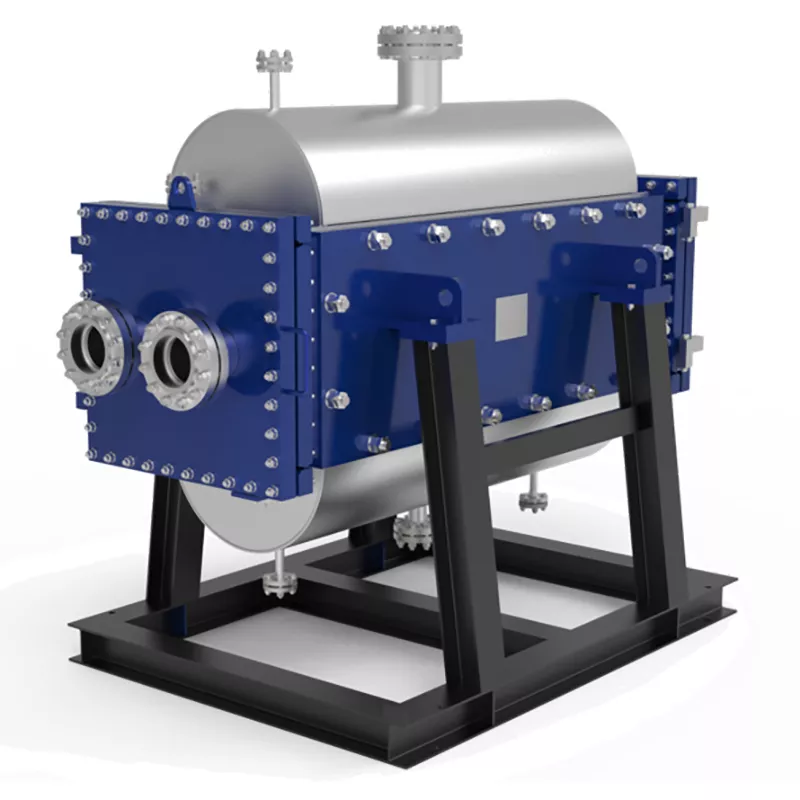
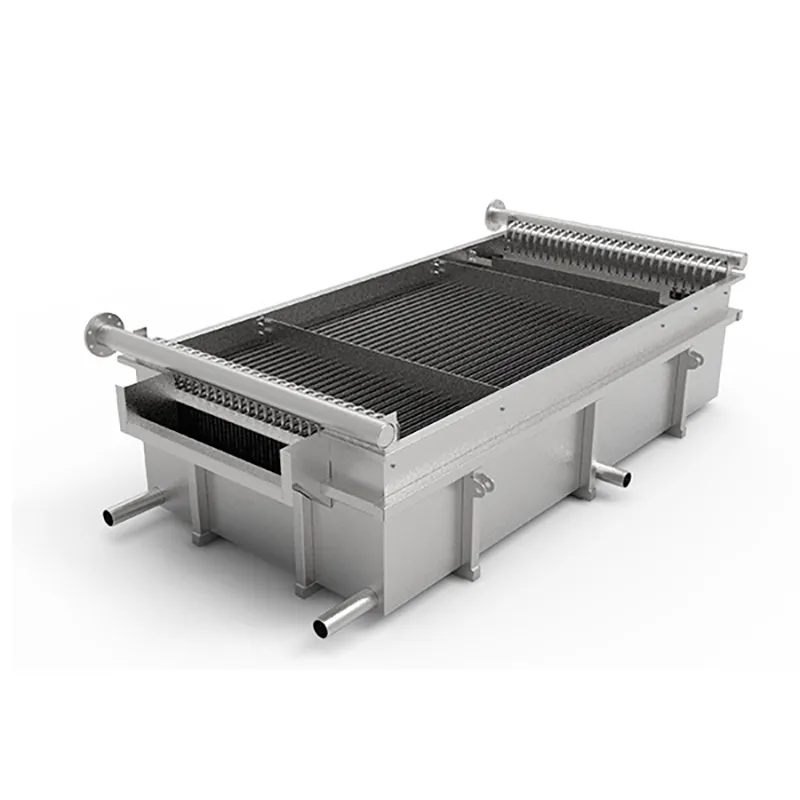
Bloc Type Welded Plate Heat Exchanger: Top Industrial Efficiency Solution
The bloc type welded plate heat exchanger stands as a robust and reliable choice for demanding industrial heating and cooling applications. Unlike traditional gasketed units, this fully welded design eliminates leak points and withstands high pressures and temperatures, making it a top efficiency solution for processes in chemical, petrochemical, and power generation sectors. Its compact construction and superior heat transfer performance help reduce operational costs while maintaining consistent thermal management.
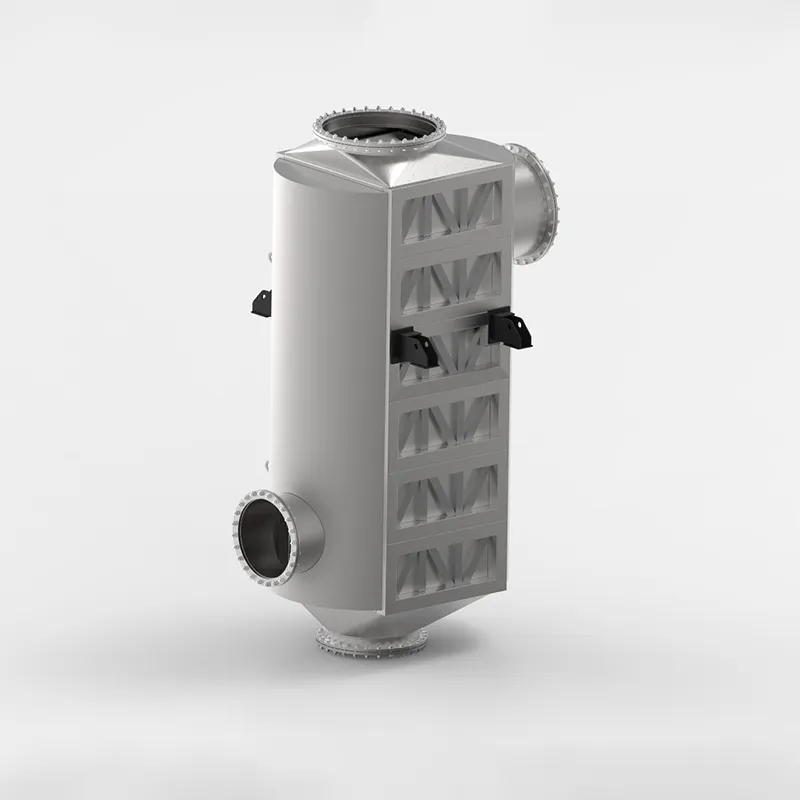
What Makes Bloc Type Welded Plate Heat Exchangers Stand Out
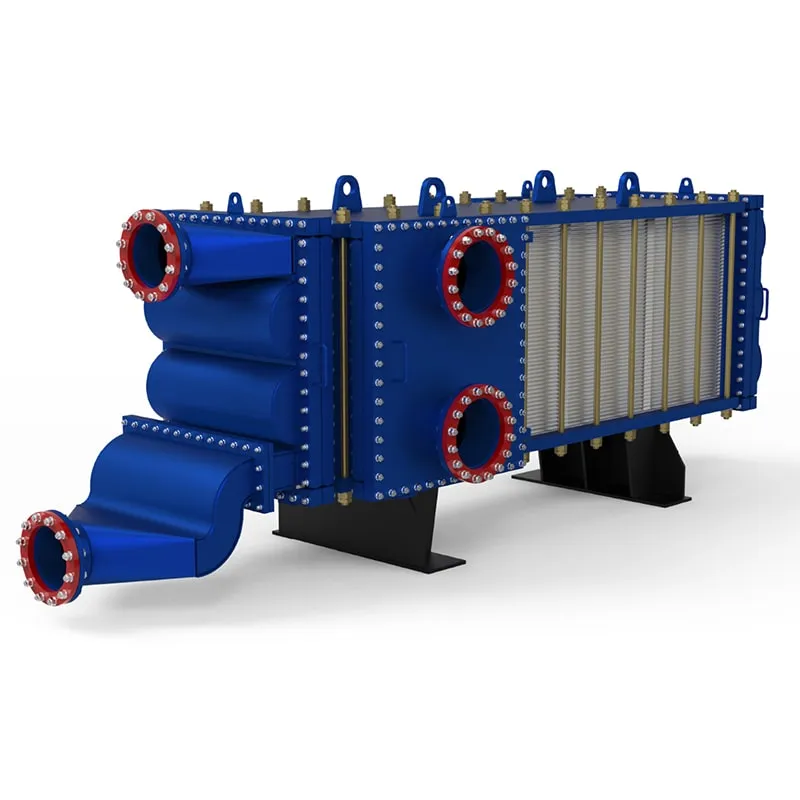
Bloc type welded plate heat exchangers are engineered for environments where reliability and efficiency are non-negotiable. The core design features a series of corrugated stainless steel plates that are laser-welded together, forming a sealed channel system. This construction eliminates the need for gaskets, which are common failure points in traditional plate heat exchangers. As a result, these units can handle aggressive fluids, high-pressure differentials up to 40 bar, and temperature ranges from -40°C to 350°C, depending on the specific model and materials used.
The compact footprint of a bloc type welded plate heat exchanger is another major advantage. Compared to shell-and-tube designs, these units can achieve the same thermal duty with up to 80% less floor space. This space-saving feature is particularly valuable in retrofit projects or facilities where expansion is limited. Additionally, the counter-current flow arrangement within the plates maximizes temperature cross, allowing for closer approach temperatures and higher overall heat recovery rates.
Key Performance Characteristics and Data
When evaluating a bloc type welded plate heat exchanger for your process, it helps to look at real performance metrics. These units typically achieve heat transfer coefficients ranging from 3,000 to 7,000 W/m²K, depending on fluid properties and flow rates. The welded plate pack can be configured with various plate patterns, such as herringbone or chevron designs, to optimize turbulence and fouling resistance. For example, a standard unit with a plate pack of 100 plates can handle flow rates up to 500 m³/h while maintaining a pressure drop below 1.5 bar.
Material selection is critical for longevity. Most bloc type welded plate heat exchangers use 316L stainless steel as the standard construction material, but options like duplex stainless steel, titanium, or Hastelloy are available for highly corrosive media. The welded seams undergo rigorous testing, including helium leak detection and hydrostatic pressure tests, to ensure zero leakage. These units also comply with international standards like ASME VIII Div.1 and PED 2014/68/EU, giving operators confidence in safety and reliability.
Applications Across Industrial Sectors
The versatility of the bloc type welded plate heat exchanger makes it a preferred choice in many heavy industries. In chemical processing, these units handle aggressive chemicals like sulfuric acid, caustic soda, and organic solvents without risk of gasket degradation. In the oil and gas sector, they are used for gas cooling, amine regeneration, and crude oil heating. Power plants rely on them for feedwater heating and turbine lube oil cooling, where high temperature and pressure stability are essential.
Another growing application is in renewable energy systems, such as geothermal and waste heat recovery. The bloc type design can handle geothermal brines with high mineral content, and its welded construction prevents scaling and fouling issues common in other heat exchanger types. For district heating networks, these units provide efficient heat transfer between primary and secondary loops, helping to reduce energy consumption and carbon emissions.
Maintenance and Longevity Considerations
One of the practical benefits of a bloc type welded plate heat exchanger is its low maintenance requirement. Since there are no gaskets to replace, the need for regular disassembly and inspection is significantly reduced. However, periodic cleaning is still necessary to maintain thermal efficiency, especially when processing fluids with suspended solids or scaling tendencies. Chemical cleaning in place (CIP) is the recommended method, as it avoids the need to open the welded pack.
The service life of these units often exceeds 20 years when operated within design parameters. Factors that influence longevity include fluid corrosivity, operating temperature cycles, and the frequency of thermal shocks. To maximize lifespan, it is wise to install temperature and pressure monitoring systems that alert operators to abnormal conditions. Many manufacturers also offer plate replacement services if individual plates become damaged, extending the overall unit life without full replacement.
Comparing Bloc Type to Other Heat Exchanger Designs
When selecting a heat exchanger, it helps to understand how the bloc type welded plate design compares to alternatives. Shell-and-tube heat exchangers are often larger and less efficient in terms of heat transfer per unit volume. Gasketed plate heat exchangers offer easy maintenance but are limited to lower pressures and temperatures due to gasket constraints. Wide gap welded plate heat exchangers are better suited for viscous fluids with large particles, while the bloc type excels in clean to moderately fouling services with high thermal demands.
For applications requiring both high efficiency and compact size, the bloc type welded plate heat exchanger often provides the best balance. Its fully welded construction also makes it suitable for hazardous fluids where any leakage could pose safety or environmental risks. If you are exploring options for your specific process, it is worth consulting with engineers who can model the thermal performance based on your actual fluid properties and operating conditions.
Customization and Engineering Support
Every industrial process has unique requirements, and the bloc type welded plate heat exchanger can be tailored to meet them. Manufacturers offer customization in plate materials, plate thickness, connection sizes, and frame design. For example, units can be built with larger ports for high flow rates or with special coatings for enhanced corrosion resistance. Engineering teams can also perform thermal and hydraulic calculations to optimize the plate count and pattern for your specific duty.
For more detailed information on custom-engineered solutions, you can explore resources on custom engineered plate air preheaters or gasketed plate heat exchangers to see how different designs compare. If your application involves high-temperature or high-pressure demands, the HT-Bloc welded plate heat exchanger might be a relevant reference point. For processes with fouling or viscous fluids, the wide gap welded plate heat exchanger offers an alternative approach.
Final Thoughts on Choosing the Right Solution
Investing in a bloc type welded plate heat exchanger is a decision that pays off through long-term reliability and energy savings. Its robust design eliminates common failure points, while its compact footprint and high thermal efficiency make it a smart choice for modern industrial facilities. By working closely with experienced suppliers and considering your specific process conditions, you can select a unit that delivers consistent performance for decades. Whether you are upgrading existing equipment or designing a new plant, this technology offers a proven path to operational excellence.

 English EN