Best Pillow Plate Guide: Key Benefits & Top Uses

Pillow plates are a versatile and efficient heat transfer solution used across industries like food processing, chemical manufacturing, and HVAC systems. This guide explores the key benefits of pillow plates, including their high thermal efficiency, compact design, and durability, along with their top practical uses. Whether you are upgrading existing equipment or designing a new system, understanding these plates can help you make informed decisions for better performance and cost savings.

Pillow plate heat exchanger in industrial setting

What Are Pillow Plates?

Pillow plates, also known as embossed or dimple plates, are formed by welding two thin metal sheets together and then inflating them with pressurized fluid to create a series of interconnected channels. This design allows for efficient heat transfer between the fluid inside the channels and the external surface. Common materials include stainless steel, titanium, and nickel alloys, chosen based on application requirements like temperature, pressure, and corrosion resistance.

According to industry data, pillow plates can achieve heat transfer coefficients up to 30% higher than traditional shell-and-tube exchangers in certain applications, making them a popular choice for processes requiring precise temperature control.

Key Benefits of Pillow Plates

  • High Thermal Efficiency: The dimpled surface increases turbulence, enhancing heat transfer rates. Tests show that pillow plates can reduce energy consumption by up to 15% compared to flat-plate designs.
  • Compact and Lightweight: Their thin profile saves space and reduces structural load. A typical pillow plate panel weighs about 40% less than a comparable gasketed plate heat exchanger.
  • Durability and Cleanability: The welded construction eliminates gaskets, reducing leak risks. The smooth interior channels are easy to clean, meeting hygiene standards in food and pharmaceutical industries.
  • Customizable Shapes: Pillow plates can be formed into curved, conical, or rectangular shapes to fit tanks, reactors, or vessels, offering design flexibility.

Top Uses in Industry

Pillow plates are widely used in heating, cooling, and temperature maintenance applications. Here are some common scenarios:

  • Food and Beverage Processing: Used in jacketed tanks for cooking, pasteurization, and cooling. For example, dairy plants use pillow plates to maintain precise temperatures during cheese making, improving product consistency.
  • Chemical and Pharmaceutical Reactors: Provide uniform heating or cooling for exothermic reactions. Their corrosion-resistant materials handle aggressive chemicals like acids and solvents.
  • HVAC and Refrigeration: Serve as evaporators or condensers in heat pumps and chillers. Their compact size fits into tight mechanical rooms, and they offer efficient heat exchange for building climate control.
  • Renewable Energy Systems: Used in solar thermal collectors and geothermal heat pumps to transfer heat from working fluids, contributing to energy savings.

How to Choose the Right Pillow Plate

Selecting the best pillow plate depends on your specific needs. Consider these factors:

  • Material Compatibility: Match the plate material with your process fluid to avoid corrosion. Stainless steel 316L is common for food and mild chemicals, while titanium suits seawater or chloride environments.
  • Pressure and Temperature Ratings: Standard pillow plates handle up to 20 bar and 300°C, but custom designs can go higher. Check your system requirements.
  • Size and Configuration: Measure your tank or vessel dimensions. Pillow plates can be made in widths up to 1500 mm and lengths up to 6000 mm, with custom port locations.
  • Certifications: For regulated industries, look for ASME, PED, or 3-A sanitary certifications to ensure compliance.

For more detailed specifications, you can explore custom engineered pillow plates from trusted manufacturers.

Installation and Maintenance Tips

Proper installation ensures long service life. Always follow the manufacturer guidelines for welding or clamping pillow plates to vessels. Use appropriate gaskets or sealants if needed. For maintenance, periodic inspection for channel blockages or surface damage is recommended. Cleaning with mild detergents or steam-in-place (SIP) methods works well for most applications. Data from field reports shows that with regular care, pillow plates can last over 15 years in moderate conditions.

Comparing Pillow Plates to Other Heat Exchangers

When evaluating options, it helps to understand how pillow plates stack up against alternatives. For instance, gasketed plate heat exchangers offer easy disassembly for cleaning but may have gasket wear issues. TP welded plate heat exchangers provide higher pressure ratings but are bulkier. Pillow plates strike a balance between efficiency, compactness, and low maintenance, especially for tank heating and cooling duties.

Real-World Performance Data

In a recent case study from a chemical plant, replacing a shell-and-tube heat exchanger with pillow plates reduced the overall footprint by 50% and improved heat transfer efficiency by 25%. The plant reported annual energy savings of $12,000. Similarly, a brewery using pillow plates for wort cooling achieved a 20% faster cooling time, enhancing production throughput. These numbers highlight the practical advantages.

Future Trends in Pillow Plate Technology

Innovations are focusing on advanced materials like duplex stainless steels for higher corrosion resistance and additive manufacturing for complex channel geometries. These developments aim to further improve efficiency and expand applications in emerging fields like hydrogen production and battery thermal management. Staying updated with such trends can help you leverage the latest benefits.

Related Products

We provide you with comprehensive foreign trade solutions to help enterprises achieve global development

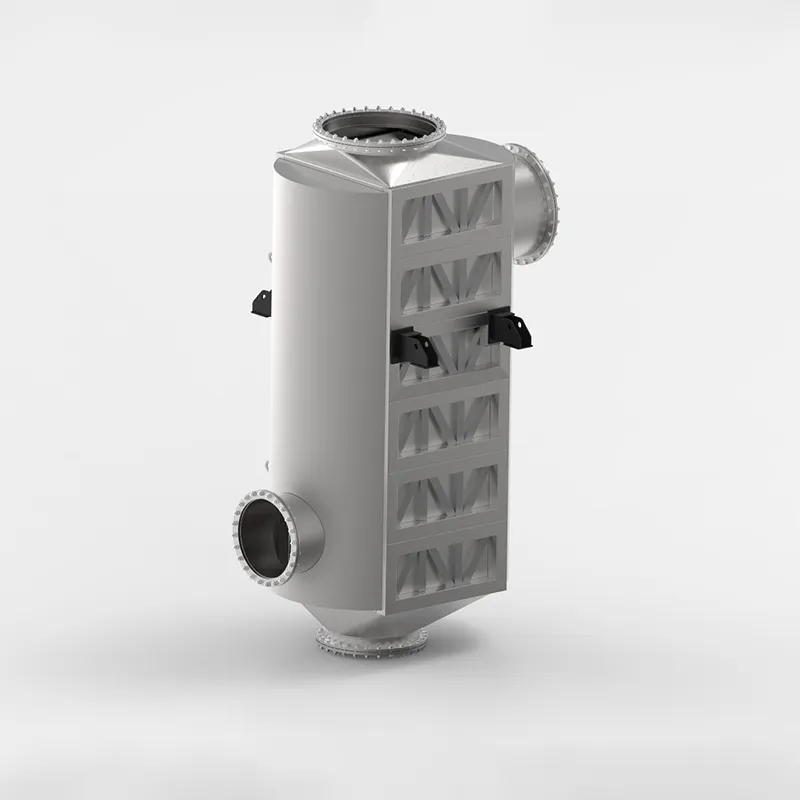
Custom-Engineered Pillow Plates & Laser-Welded Jackets

Originated in the mid-20th century to bypass the manufacturing bottlenecks and weight limitations of standard jacketed thermal components, the Pillow Plate (also known as a dimple plate or embossed plate) has revolutionized precision fluid-wall engineering. At SHPHE, we take this highly flexible technology and elevate it into a core foundation for bespoke industrial heat transfer integration. By utilizing state-of-the-art automated CNC fiber laser welding, our engineers customize the mechanical inflation profiles and spot pitch grids to directly match your specific fluid dynamics, pressure limits, and vessel configurations. Today, SHPHE's custom pillow plates are indispensable assets for worldwide processing plants prioritizing advanced thermal performance, zero-leak safety, and hygienic processing—serving as the definitive solution across food, pharmaceutical, chemical, and bulk solids cooling sectors.

Heat Exchangers

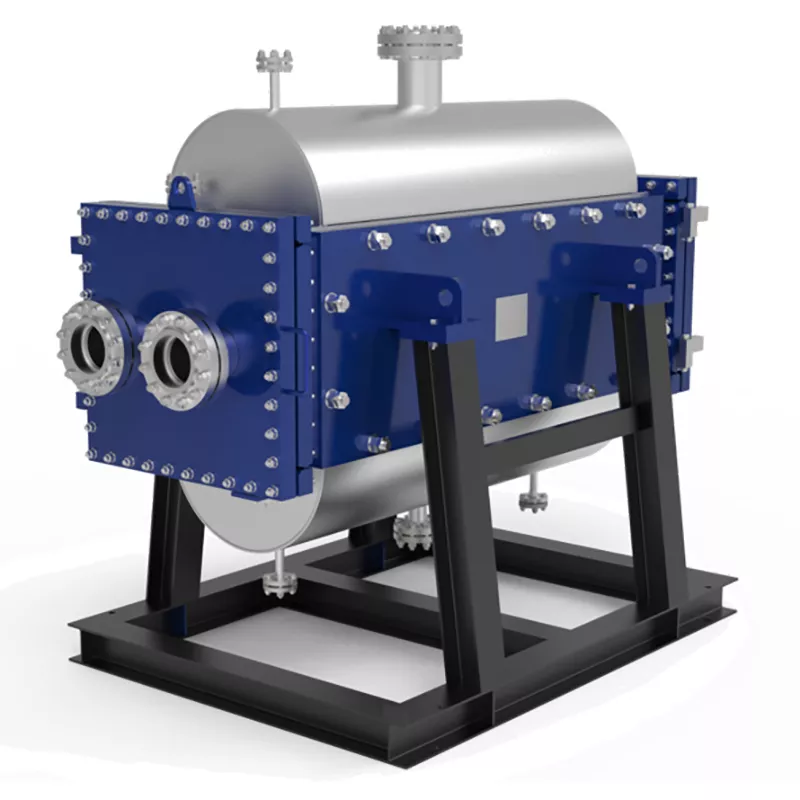
‌TP Welded Plate Heat Exchanger

Industrial processes involving particle-laden slurries, high-viscosity syrups, or fiber-rich pulp demand more than standard equipment—they require target-engineered thermal management. At SHPHE, we configure the TP Welded Plate Heat Exchanger to directly conquer your plant's severe fouling, blockage, and erosion threats. Combining custom-tailored channel geometries, wear-resistant metallurgy, and integrated CIP (Cleaning-in-Place) systems, we deliver absolute production continuity where conventional heat exchangers fail.

Heat Exchangers

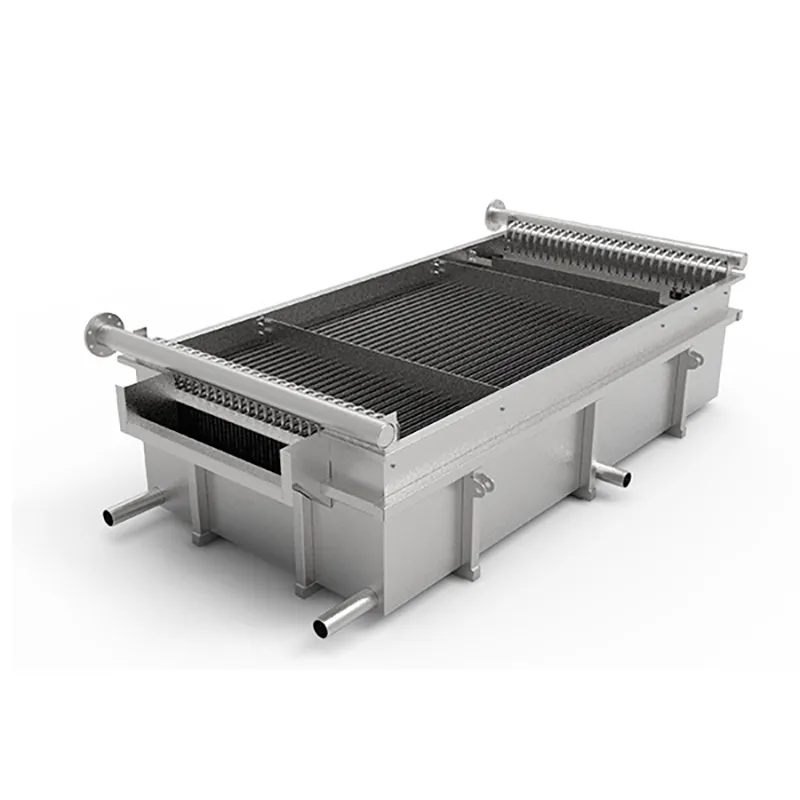
Custom-Engineered Plate Air Preheaters

Industrial furnace and boiler exhaust gases carry vast amounts of unutilized thermal energy. The SHPHE custom Plate Air Preheater (PAPH) is target-engineered to intercept this high-temperature flue gas, recovering valuable waste heat and transferring it directly back to incoming combustion air or process gas streams. By substantially elevating the temperature of your flame feed, our custom systems optimize combustion thermodynamics, deliver massive fuel savings, and significantly reduce industrial carbon and emissions footprints. Built to withstand severe flue-gas environments, SHPHE PAPH systems serve as the premier choice for modern, energy-intensive plants prioritizing decarb compliance and maximum thermal efficiency.

Heat Exchangers

‌HT-Bloc Welded Plate Heat Exchanger

Custom-Engineered for Severe Process Demands. At SHPHE, we don't just supply equipment; we design tailored thermal solutions. Our HT-Bloc welded plate heat exchangers are custom-configured by our experienced engineers to overcome your specific industry challenges—whether handling high-viscosity media, extreme temperatures, or strict space constraints.

Heat Exchangers
SHPHE has complete quality assurance system from design, manufacturing, inspection and delivery. It is certified with ISO9001, ISO14001, OHSAS18001 and hold ASME U Certificate.
© 2005-2026 Shanghai Heat Transfer - Privacy Policy