English EN


What Are The Different Types of Plate Heat Exchangers
Plate Heat Exchangers include gasketed, brazed, welded, semi-welded, shell and plate, and specialty types for varied industrial uses.
More
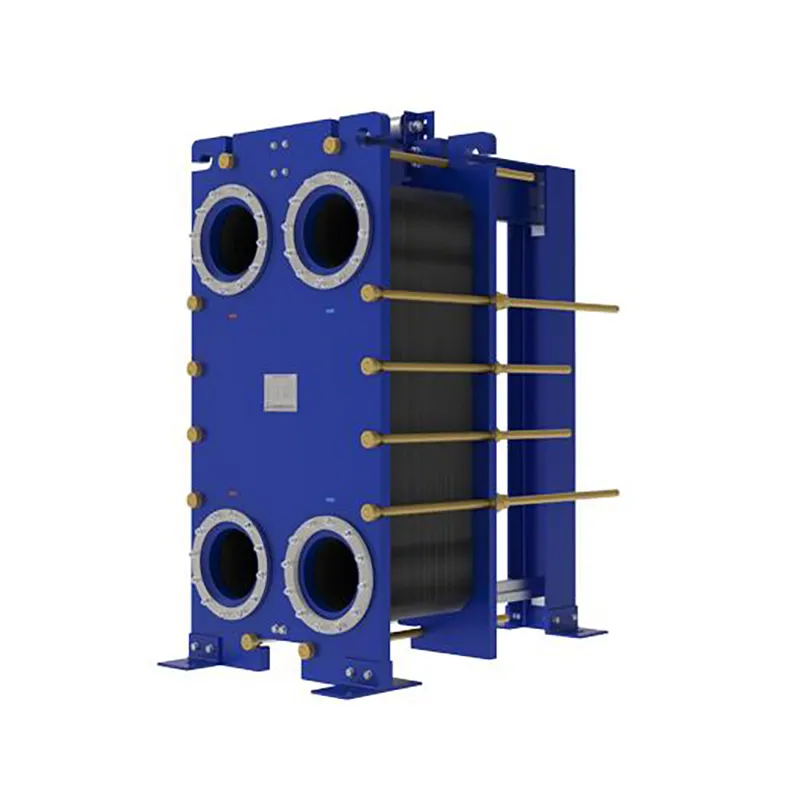
Plate heat exchangers remain a workhorse in industries like HVAC, food processing, chemical manufacturing, and power generation. Their compact design and high thermal efficiency make them a go-to choice for transferring heat between fluids. But prices vary widely depending on material, plate count, pressure rating, and brand. In 2025, the market has seen some shifts due to raw material costs and supply chain adjustments, so it pays to know what drives the numbers.
For a standard gasketed plate heat exchanger, prices typically range from $1,500 to $12,000 for small to medium units. Larger industrial models with custom plate counts or exotic alloys like titanium or Hastelloy can push past $50,000. Brazed plate heat exchangers, often used in refrigeration and hydronic systems, are more affordable, usually falling between $300 and $3,000. Welded plate heat exchangers, designed for high-pressure or high-temperature applications, start around $4,000 and can exceed $30,000.
Material selection is the biggest cost driver. Stainless steel 304 and 316 are common and relatively economical, but if your process involves corrosive fluids or extreme temperatures, you might need titanium, nickel alloys, or special coatings. Plate thickness and corrugation pattern also influence both performance and price. More plates mean more surface area and higher cost, but sometimes a more efficient pattern can reduce the number of plates needed.
Pressure and temperature ratings matter too. A standard unit rated for 150 psi and 200°F will cost less than one built for 600 psi and 500°F. Gasket material—whether NBR, EPDM, or Viton—also adds to the bill. And don't forget the frame: larger frames with carbon steel or stainless steel construction, plus lifting lugs and special connections, all add up.
Start by clearly defining your duty requirements: flow rates, inlet and outlet temperatures, pressure drops, and fluid properties. This helps you avoid over-specifying, which is a common reason for overspending. Request quotes from multiple suppliers, and ask about off-the-shelf units versus custom builds. Sometimes a slightly larger standard model can handle your needs at a fraction of the cost of a custom one.
Consider reconditioned or surplus units if your application allows. Many reputable dealers inspect and test used heat exchangers, offering them at 30% to 50% below new prices. Just make sure the plates and gaskets are in good condition and that the unit's pressure rating matches your system. Also, look into suppliers that offer plate replacement or regasketing services—this can extend the life of an existing unit without a full replacement.
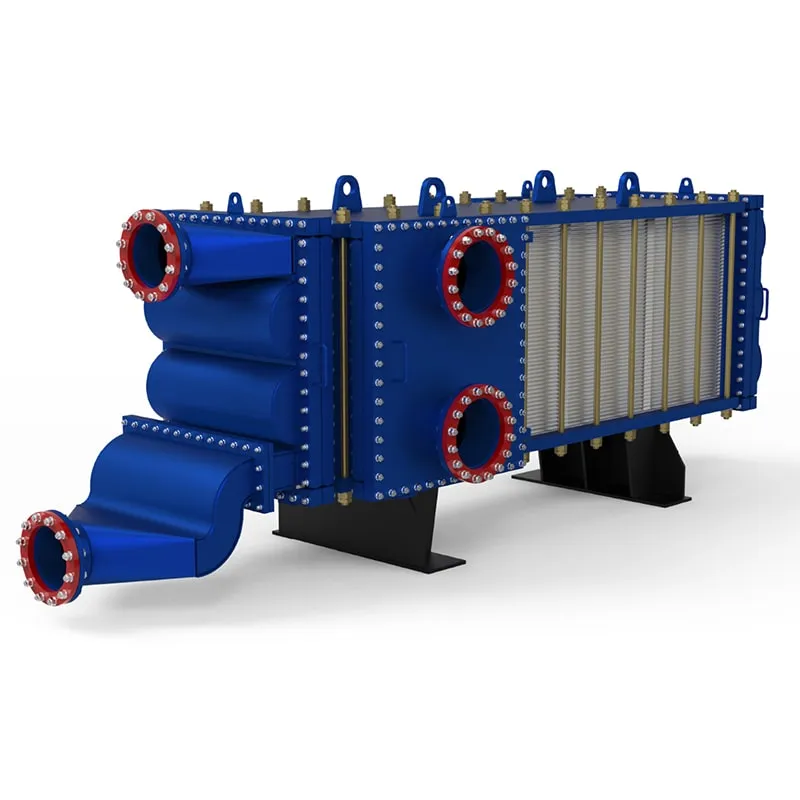
Gasketed plate heat exchangers are the most common and easiest to maintain. You can add or remove plates to adjust capacity, which makes them flexible for changing loads. Prices are moderate, and lead times are usually shorter. Brazed plate heat exchangers are compact and leak-proof, ideal for closed-loop systems, but they can't be disassembled for cleaning. Welded plate heat exchangers offer high durability and are suited for aggressive media, but they come with a higher upfront cost and longer fabrication times.
For specialized applications, you might explore gasketed plate heat exchangers or TP welded plate heat exchangers for high-pressure duties. If you're dealing with viscous fluids or solids in suspension, a wide gap welded plate heat exchanger might be the right fit. Each type has its own price range and performance trade-offs, so matching the design to your process is key.
Based on current market data, a typical 30-plate gasketed unit in SS316 with NBR gaskets and a carbon steel frame runs about $2,800 to $4,200. A 100-plate unit for larger flows might cost $8,000 to $14,000. Brazed plate heat exchangers with 20 to 40 plates in SS316 are priced between $400 and $1,800. For welded units, a custom-engineered model with 50 plates in titanium can land between $15,000 and $35,000, depending on pressure class and connections.
Keep in mind that freight, installation, and any required accessories like brackets or insulation add to the total cost. Always ask for a full breakdown in your quote. Some suppliers offer package deals if you buy multiple units or include spare gaskets and plates.
Don't just focus on the purchase price. Consider maintenance costs, spare parts availability, and the supplier's technical support. A slightly more expensive unit with readily available gaskets and plates can save you downtime and money over its lifespan. Also, check if the manufacturer offers online sizing tools or engineering support—this can help you avoid costly mistakes.
Finally, always verify the warranty and return policy. Most reputable brands offer at least one year on materials and workmanship. For custom-engineered units, ask about performance guarantees. A good supplier will stand behind their product and help you troubleshoot if issues arise.
For more specialized designs, such as custom engineered pillow plates or printed circuit heat exchangers, pricing is typically project-based and requires detailed consultation. These are less common but can be the right solution for niche applications.
We provide you with comprehensive foreign trade solutions to help enterprises achieve global development
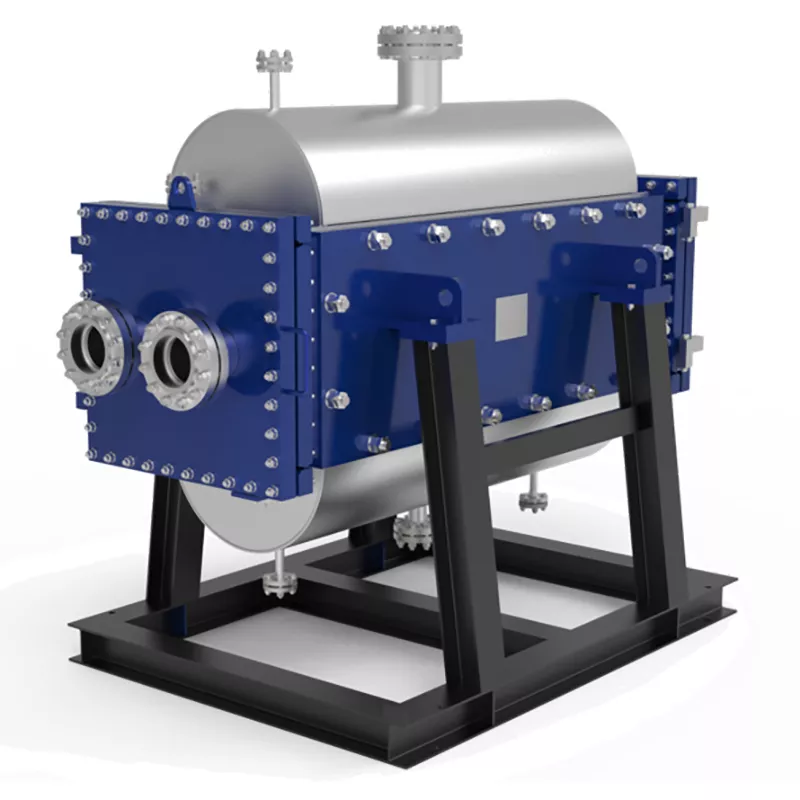
Industrial processes involving particle-laden slurries, high-viscosity syrups, or fiber-rich pulp demand more than standard equipment—they require target-engineered thermal management. At SHPHE, we configure the TP Welded Plate Heat Exchanger to directly conquer your plant's severe fouling, blockage, and erosion threats. Combining custom-tailored channel geometries, wear-resistant metallurgy, and integrated CIP (Cleaning-in-Place) systems, we deliver absolute production continuity where conventional heat exchangers fail.
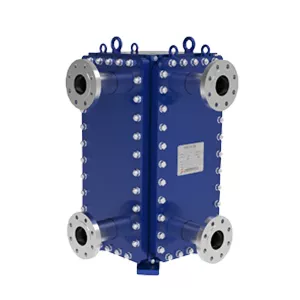
Custom-Engineered for Severe Process Demands. At SHPHE, we don't just supply equipment; we design tailored thermal solutions. Our HT-Bloc welded plate heat exchangers are custom-configured by our experienced engineers to overcome your specific industry challenges—whether handling high-viscosity media, extreme temperatures, or strict space constraints.
Since the invention of the plate heat exchanger (PHE) in 1923, thermal technology has evolved from standard food-grade processing to highly complex industrial operations. At SHPHE, we take this classic, versatile design and transform it into highly bespoke heat transfer solutions tailored to your unique process fluids and thermal loads. While traditional gasketed PHEs offer high efficiency and compact footprints, SHPHE optimizes plate corrugations, metallurgy, and sealing systems to handle your specific chemical, HVAC, or energy recovery parameters. Our custom-engineered gasketed plate heat exchangers provide outstanding scalability and ease of maintenance, serving as an indispensable asset for heavy industries—including oil and gas, metallurgy, and food processing—where uptime, energy recovery, and long-term sustainability are top priorities.
Custom-Engineered Anti-Clogging Solutions for High-Viscosity Slurries:
Deployed specifically to conquer severe industrial fouling, SHPHE wide gap welded plate heat exchangers are tailor-built to handle complex media containing dense fibers, coarse crystals, or solid suspensions without clogging. Each non-obstructed channel is calculated and formed by laser-welded plate packs matching your fluid’s exact rheology and grain size, completely eliminating structural "dead zones" and media stagnation. Available in highly compact vertical and versatile horizontal configurations, our vertical engineering drastically reduces plant footprints while maintaining unhindered product throughput, minimal pressure drops, and flawless continuous operations across harsh process loops.