Wide Gap Plate Heat Exchanger: Best Solutions for Viscous Fluids
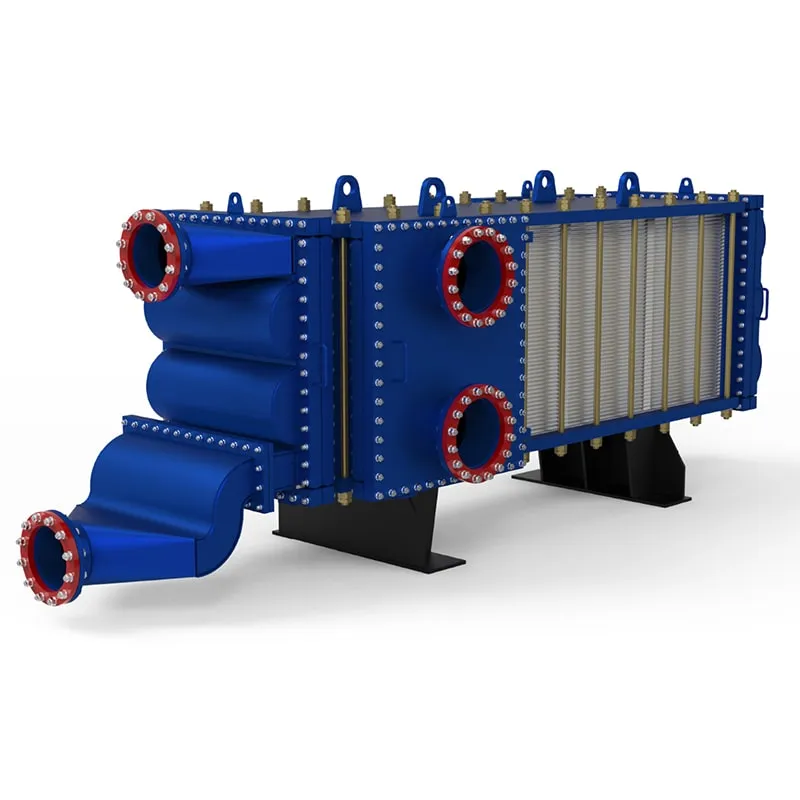
Handling viscous fluids in industrial heat exchange often leads to fouling, pressure drops, and reduced efficiency. The wide gap plate heat exchanger offers a practical answer, with specially designed channels that allow thick, fibrous, or particle-laden media to flow freely. This article explores how this equipment works, where it excels, and why it stands out for demanding applications like food processing, pulp and paper, and chemical manufacturing.
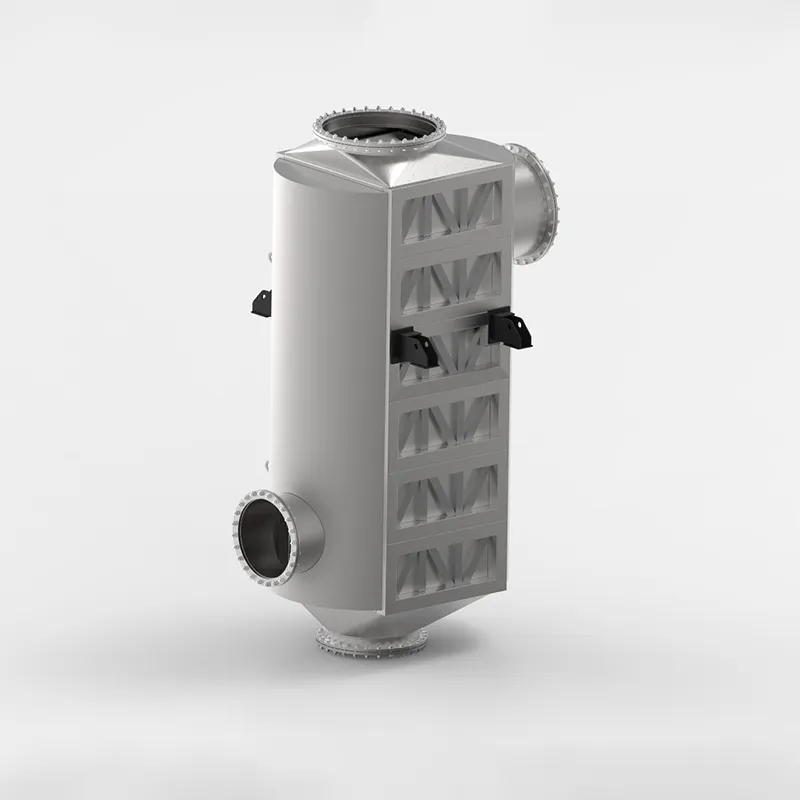
What Makes a Wide Gap Design Different
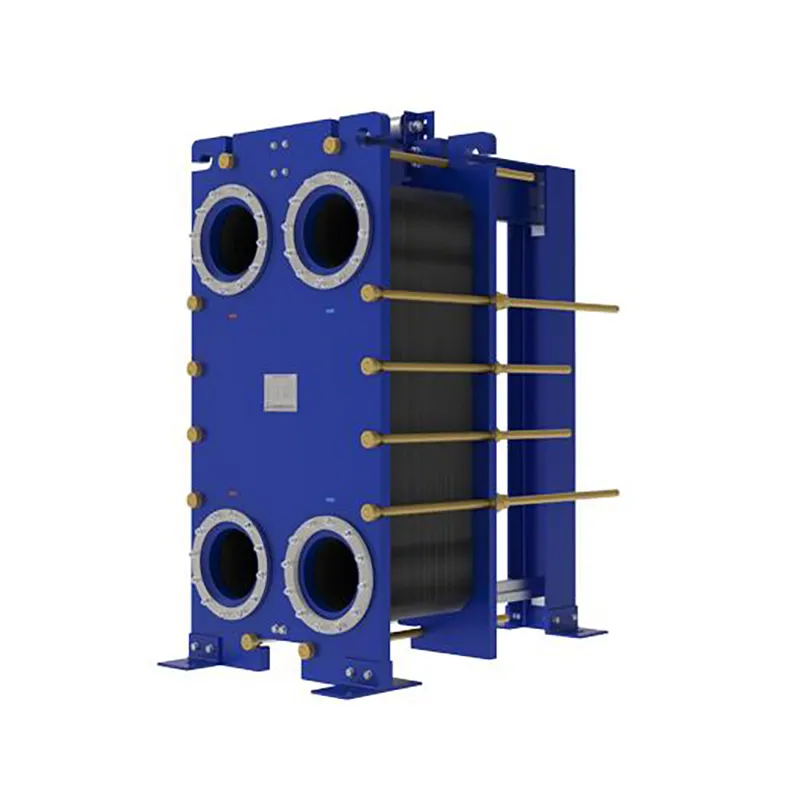
Standard plate heat exchangers rely on narrow gaps between plates to maximize turbulence and heat transfer. But when the fluid is thick or contains solids, those tight spaces quickly become clogged. A wide gap plate heat exchanger increases the distance between plates — typically from 5 mm to 15 mm or more — creating a clear passage for sticky or fibrous materials. This simple change reduces fouling and keeps the system running longer between cleanings.
The plates themselves are often corrugated in a chevron pattern, but with a deeper profile. This maintains some turbulence even at lower flow rates, which helps with heat transfer without blocking the flow. For fluids with viscosities above 500 cP, or those containing up to 5% fibrous solids by weight, this design is often the most reliable choice.
Real-World Applications That Benefit Most
In the food and beverage industry, wide gap units handle tomato paste, fruit purees, and dairy concentrates without clogging. A typical installation in a juice concentrate plant might process 30,000 kg/h of product at 65°C, with a pressure drop of only 0.8 bar. The open channels allow pulp and seeds to pass through without building up on the plate surface.
Pulp and paper mills also rely on this technology for heating black liquor or starch slurries. One paper mill in Southeast Asia reported a 40% reduction in cleaning frequency after switching from a shell-and-tube exchanger to a wide gap plate design. The wider gaps also meant lower pumping costs, since the pressure drop across the unit dropped by nearly 30%.
Chemical processing plants use wide gap exchangers for polymer solutions, resin slurries, and waste streams with suspended solids. For example, a facility producing acrylic emulsions found that the wide gap design maintained stable outlet temperatures within ±1°C, even when the feed viscosity fluctuated between 800 and 1,200 cP during production runs.
Key Performance Data to Consider
When evaluating a wide gap plate heat exchanger, look at the following metrics. Heat transfer coefficients typically range from 1,500 to 4,500 W/m²·K for viscous fluids, depending on flow velocity and fluid properties. Maximum operating pressure is usually around 16 bar, though custom units can go higher. Temperature limits are generally up to 180°C with standard gaskets, and up to 250°C with special elastomers or welded designs.
Plate materials are commonly 304 or 316 stainless steel, but for corrosive fluids, titanium or Hastelloy are available. Gasket materials include EPDM, NBR, and Viton, chosen based on the chemical compatibility and temperature range. The wide gap design also allows for easy inspection and cleaning — most units can be opened in under 30 minutes without special tools.
For a typical installation handling 50 m³/h of a viscous fluid with a specific heat of 3.5 kJ/kg·K, the required heat transfer area might be 40 to 60 m². This is often 30% less than what a shell-and-tube exchanger would need for the same duty, saving both space and initial cost.
Comparing Wide Gap to Other Heat Exchanger Types
Shell-and-tube exchangers can handle viscous fluids, but they often require higher flow velocities to achieve reasonable heat transfer, which increases pumping costs. They are also more prone to fouling on the tube side, and cleaning requires pulling the tube bundle — a time-consuming process. In contrast, a wide gap plate unit offers easy access to all heat transfer surfaces, and the plate geometry promotes self-cleaning to some extent.
Spiral heat exchangers are another option for fouling fluids, but they are typically more expensive and have a larger footprint. Wide gap plate exchangers provide a good balance between cost, efficiency, and maintainability. For many processors, the decision comes down to the specific particle size and concentration in the fluid — wide gap plates handle particles up to 3 mm in diameter without issue, while spiral units can manage larger debris but at a higher capital cost.
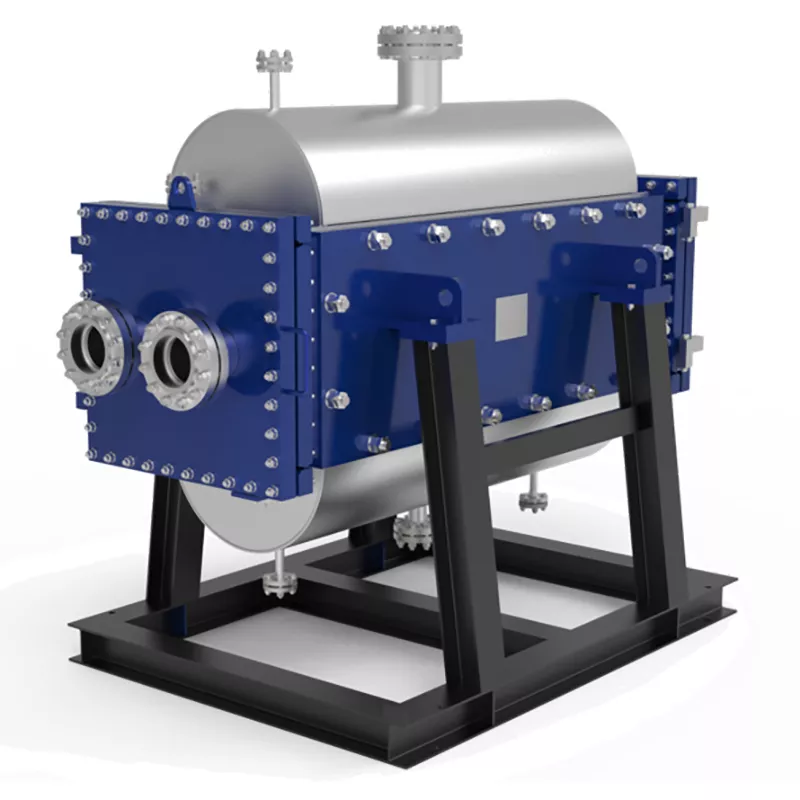
For more on specialized plate designs, you can explore wide gap welded plate heat exchangers that offer even higher temperature and pressure ratings for demanding chemical duties.
Installation and Maintenance Tips
Proper installation starts with ensuring the unit is level and supported on a sturdy frame. Piping should be arranged to allow easy access for plate removal. Many operators install a strainer upstream to catch large debris that could damage the plates, though the wide gap design itself is quite forgiving.
For cleaning, a typical procedure involves circulating a mild caustic solution at 60°C for 30 minutes, followed by a water rinse. If the fluid is protein-based, an enzymatic cleaner may be more effective. The open gap makes it easy to inspect each plate individually, and gaskets can be replaced without special training. Most manufacturers recommend a full gasket replacement every 3 to 5 years, depending on operating conditions.
Monitoring pressure drop across the unit is the best way to detect fouling early. A 15% increase in pressure drop usually indicates that cleaning is needed. Keeping a log of inlet and outlet temperatures also helps track performance over time, so you can schedule maintenance before production is affected.
Why This Technology Is Gaining Traction
As industries push for higher efficiency and less downtime, the wide gap plate heat exchanger has become a go-to solution for challenging fluids. Its ability to handle viscosities up to 5,000 cP while maintaining reasonable heat transfer makes it a versatile tool. The compact footprint — often 50% smaller than an equivalent shell-and-tube unit — also helps in retrofitting existing plants where space is tight.
Energy savings are another factor. Because the wide gap design reduces pressure drop, pumping energy can be 20% to 40% lower compared to conventional plate exchangers running the same duty. Over a year of continuous operation, that adds up to significant cost reductions.
For engineers and plant managers looking for a reliable, low-maintenance way to heat or cool viscous products, the wide gap plate heat exchanger deserves serious consideration. It combines the thermal efficiency of plate technology with the ruggedness needed for real-world industrial fluids.

 English EN