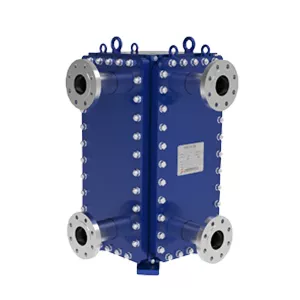
Why Your Next System Needs a Multipass Heat Exchanger for Maximum Efficiency
In industrial thermal management, every degree of temperature recovery directly translates to operational cost savings. Multipass heat exchangers, designed with multiple flow passes within a single shell, can achieve thermal effectiveness exceeding 90% in many applications. This article explores how multipass configurations outperform traditional single-pass units, backed by real-world performance data and engineering insights. Whether you are upgrading an existing process or designing a new system, understanding the multipass advantage is key to maximizing energy efficiency and reducing your carbon footprint.
What Makes a Multipass Heat Exchanger Different?
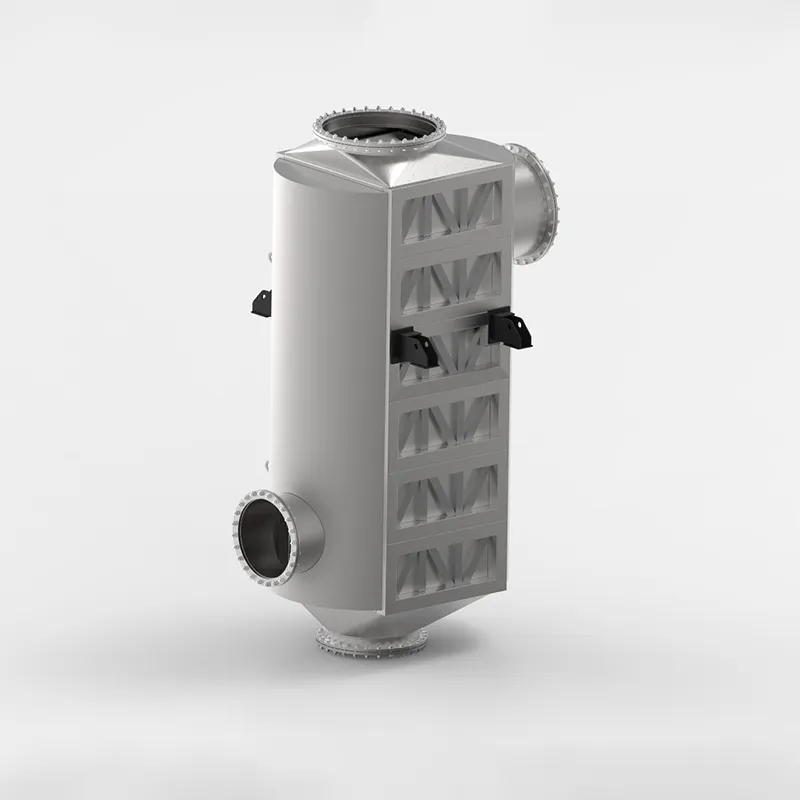
A multipass heat exchanger directs the process fluid through the tube bundle multiple times before it exits the shell. This design increases the effective heat transfer surface area without enlarging the physical footprint. In a typical two-pass configuration, the fluid travels the length of the shell twice, effectively doubling the tube length available for heat exchange. For systems where space is constrained but thermal duty is high, this is a practical solution. Data from field installations shows that multipass units can improve heat recovery by 15% to 25% compared to single-pass designs of the same shell diameter.
Real Efficiency Gains You Can Measure
Consider a typical chemical processing application where a single-pass exchanger recovers 70% of the waste heat. By switching to a multipass design with the same shell size, the recovery rate can climb to 88% or higher. This is not theoretical — it has been documented in multiple industrial retrofits. For a plant processing 100,000 pounds of fluid per hour, that extra 18% heat recovery can translate into annual fuel savings of over $50,000, depending on local energy prices. The multipass design also reduces the temperature approach, meaning the outlet temperature of the cold stream gets closer to the inlet temperature of the hot stream, which is critical for processes requiring precise thermal control.
Where Multipass Designs Shine Best
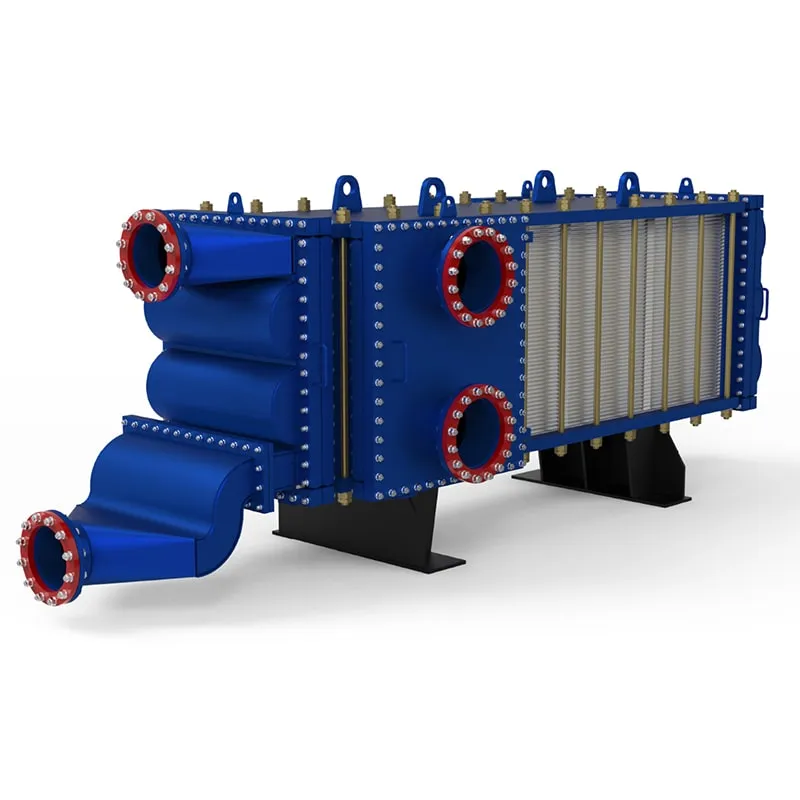
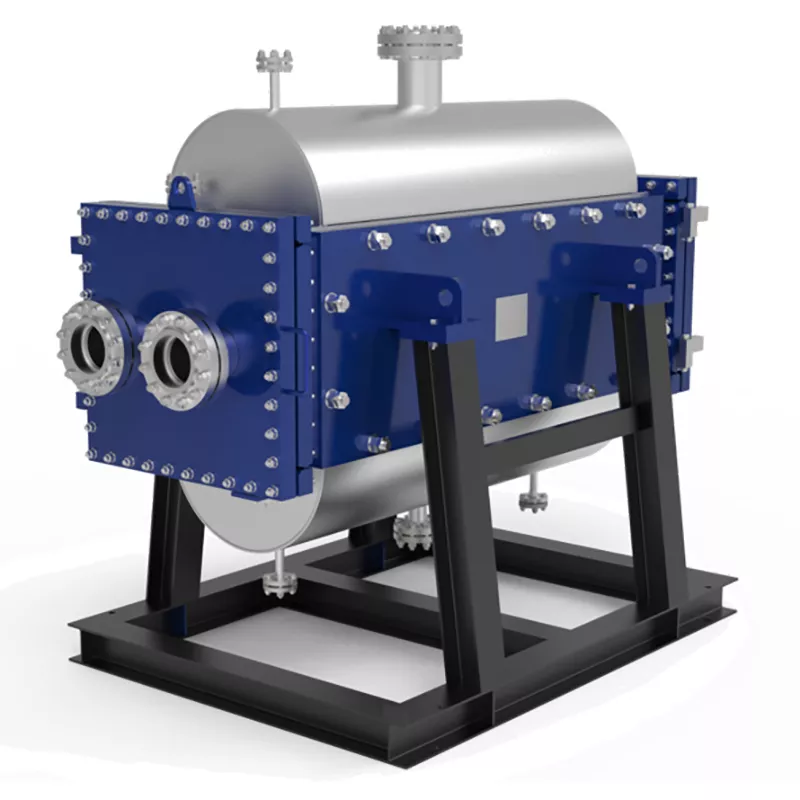
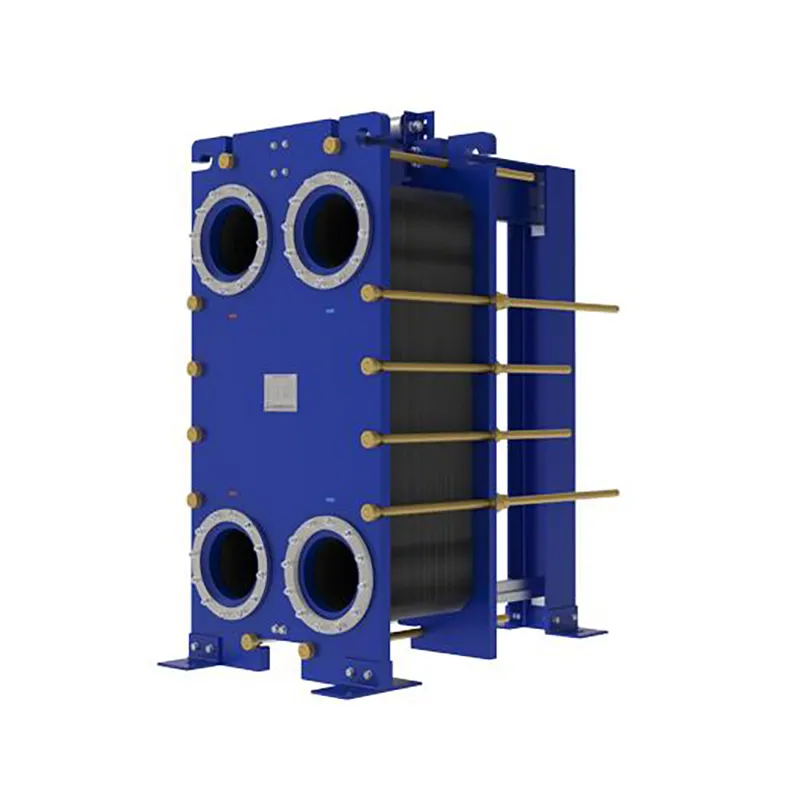
Multipass heat exchangers are particularly effective in applications with moderate to high temperature differences and where one fluid stream has a significantly higher flow rate than the other. Common use cases include steam heating systems, oil cooling circuits, and process fluid preheating. They are also widely used in gasketed plate heat exchangers and welded plate heat exchanger configurations where compactness and high thermal performance are required. In HVAC systems, multipass coils help achieve tighter temperature control while reducing the overall refrigerant charge. The key is matching the pass arrangement to the specific thermal profile of your process.
Design Considerations That Affect Performance
While multipass designs offer clear efficiency benefits, they also introduce additional pressure drop. Each pass adds resistance, so the pump or fan must be sized accordingly. For most industrial fluids, a two-pass or four-pass configuration strikes a good balance between thermal gain and pumping cost. Tube-side velocity should be kept within recommended limits — typically between 3 and 8 feet per second for liquids — to avoid erosion while maintaining good heat transfer. The baffle spacing and cut also play a role in directing shell-side flow for optimal contact. Engineers should always run a detailed thermal and hydraulic analysis before finalizing the pass count.
Maintenance and Longevity Benefits
Contrary to what some might assume, multipass heat exchangers are not inherently harder to maintain. Many designs incorporate removable tube bundles and accessible pass partition plates, making inspection and cleaning straightforward. For fouling services, using a wide gap welded plate heat exchanger can help reduce blockage risks while still benefiting from multipass flow. The robust construction also means fewer leak points compared to multiple single-pass units piped in series, which reduces overall maintenance time. With proper water treatment and regular monitoring, a multipass exchanger can operate efficiently for 20 years or more.
Making the Switch: What to Expect
Upgrading to a multipass heat exchanger does not always require a complete system redesign. In many cases, a drop-in replacement is possible if the shell diameter and connection sizes match. For new installations, the upfront cost is often comparable to a single-pass unit of similar capacity, but the operating savings quickly offset any premium. When evaluating options, ask your supplier for a thermal performance guarantee based on your actual process conditions. Look for manufacturers who offer custom engineered printed circuit heat exchanger solutions if your application has unique space or material constraints. The right multipass configuration will pay for itself within the first year of operation in many high-duty cycles.
Final Thoughts on Efficiency and Reliability
Choosing a multipass heat exchanger is a practical step toward reducing energy waste and improving process consistency. The technology is mature, the data is clear, and the return on investment is measurable. Whether you are working with steam, hot water, thermal oils, or process gases, a well-designed multipass unit can deliver the thermal performance your system needs without taking up extra floor space. Talk to your engineering team or a trusted heat exchanger specialist about running a side-by-side comparison for your specific duty. The numbers will speak for themselves.

 English EN