Why Heat Exchanger in Chemical Industry Is Critical for Efficiency
In chemical processing, heat exchangers are the backbone of thermal management. They directly impact energy consumption, reaction control, and operational costs. This article explores why selecting the right heat exchanger design is essential for maintaining high efficiency, reducing downtime, and ensuring safe, consistent production in chemical plants.
Every chemical process relies on precise temperature control. Whether you are heating, cooling, or recovering waste heat, the heat exchanger is the component that makes it possible. Without an efficient heat transfer system, reactors cannot maintain optimal conditions, distillation columns lose separation efficiency, and energy bills climb rapidly. In fact, studies show that heat exchangers account for roughly 20% to 30% of total capital equipment costs in a typical chemical plant, and their performance directly influences overall energy efficiency by up to 40%.
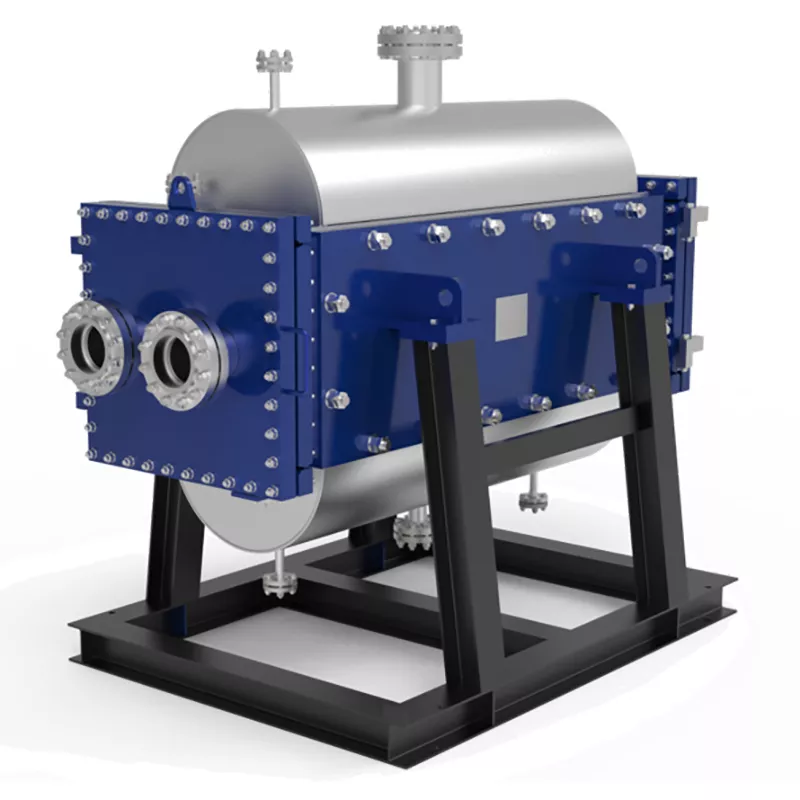
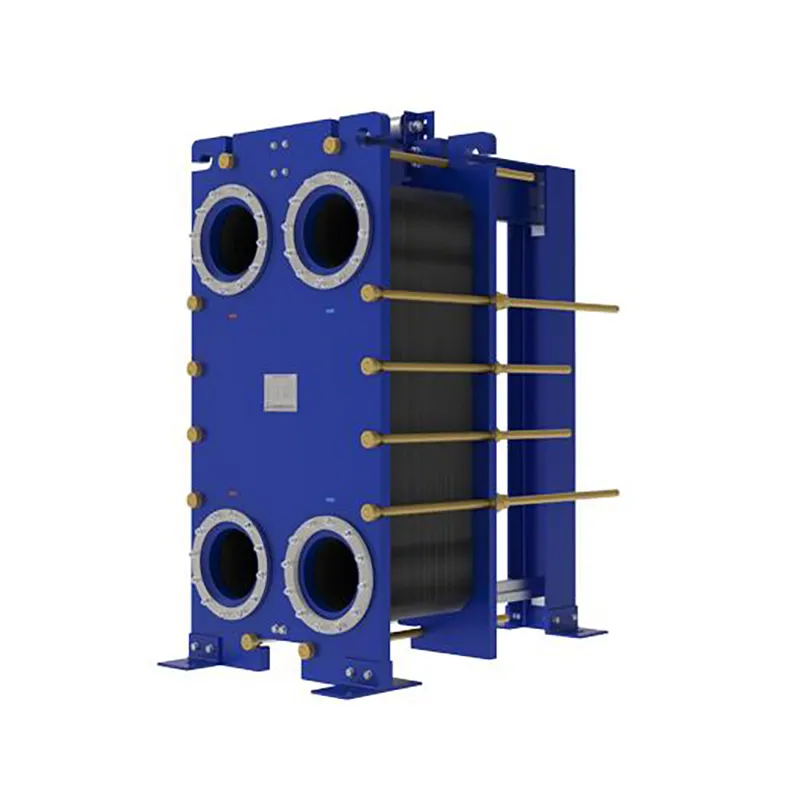
The chemical industry deals with aggressive fluids, high pressures, and varying temperatures. A standard shell-and-tube unit might work for clean water, but when handling corrosive acids or viscous polymers, you need a design that resists fouling and maintains thermal performance over long cycles. For example, gasketed plate heat exchangers offer high turbulence and compact footprint, making them ideal for low-fouling applications. On the other hand, wide-gap welded plate heat exchangers handle slurries and fibrous fluids without clogging.
Key Factors That Drive Efficiency
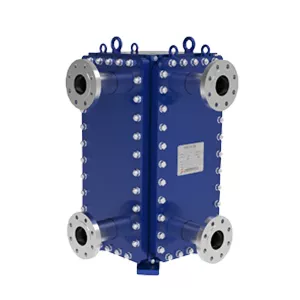
Efficiency in a heat exchanger is not just about the overall heat transfer coefficient. It is about how the unit performs under real-world conditions. Fouling resistance, pressure drop, material compatibility, and maintenance intervals all play a role. For instance, a HT-bloc welded plate heat exchanger provides all-welded construction that eliminates gasket failures, which is critical when handling hazardous chemicals. This design also allows for higher temperature and pressure ratings compared to gasketed alternatives.
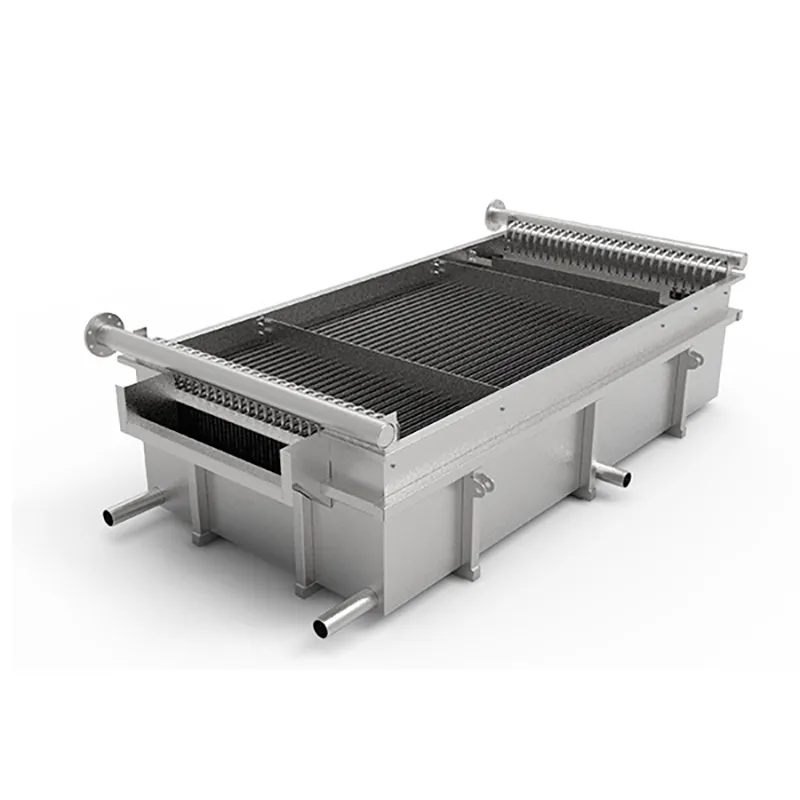
Another important aspect is the ability to recover heat from process streams. Many chemical plants install custom-engineered plate air preheaters to preheat combustion air using flue gas waste heat. This simple integration can improve boiler efficiency by 5% to 10%, translating into substantial fuel savings over a year. Similarly, printed circuit heat exchangers offer extremely high surface area density, making them suitable for compact installations where space is at a premium.
Choosing the Right Design for Your Process
There is no one-size-fits-all solution. The selection depends on fluid properties, operating temperatures, pressure levels, and fouling tendencies. For example, custom-engineered pillow plates are often used in jacketed reactors and storage tanks because they provide uniform heat distribution and can be formed to fit curved surfaces. They are particularly effective for heating or cooling viscous fluids where traditional tubular exchangers would create dead zones.
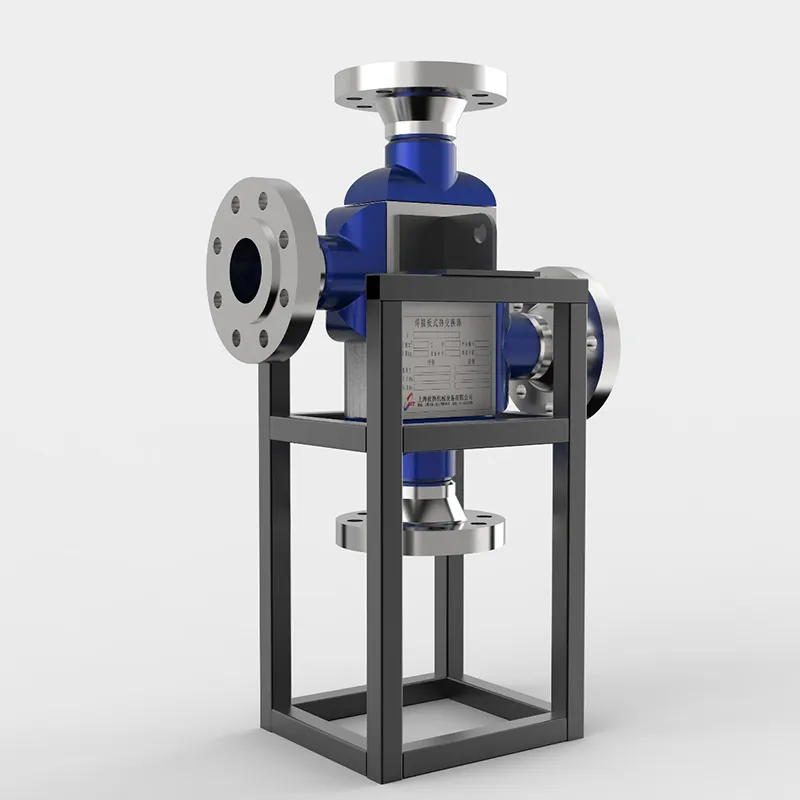
For processes involving high temperatures and corrosive media, TP welded plate heat exchangers offer robust construction with no gaskets or brazing materials that could degrade. These units can handle temperatures up to 400°C and pressures above 30 bar, making them a reliable choice for demanding chemical duties. The key is to match the exchanger geometry and material to the specific thermal and chemical requirements of your process.
Maintenance and Long-Term Performance
Even the best heat exchanger will lose efficiency if not maintained properly. Fouling from scaling, polymerization, or particulate buildup can reduce heat transfer by 20% to 50% within months. Regular cleaning schedules, proper flow velocities, and material selection (such as using stainless steel or titanium for corrosive streams) help extend service life. Many plants now incorporate online cleaning systems or choose designs with easy access for mechanical cleaning.
Monitoring performance indicators like approach temperature and pressure drop allows operators to detect fouling early. When efficiency drops below a threshold, it is often more cost-effective to clean or replace the exchanger than to continue running at reduced output. In continuous chemical processes, even a 5% loss in heat recovery can lead to significant annual energy waste, so proactive maintenance is a direct contributor to overall plant profitability.
Real-World Impact on Energy and Cost
Consider a typical chemical plant processing 100,000 tons of product annually. If the heat exchanger network operates at 85% thermal efficiency instead of 75%, the energy savings can exceed $500,000 per year at current fuel prices. This is not theoretical; many facilities have achieved such improvements by upgrading from old shell-and-tube units to modern plate designs with enhanced heat transfer surfaces.
Additionally, reducing downtime for cleaning and repairs directly improves production throughput. A welded plate heat exchanger that can run for two years without maintenance compared to a gasketed unit needing yearly service represents a significant operational advantage. When you factor in reduced spare parts inventory and lower labor costs, the total cost of ownership becomes a compelling argument for investing in the right heat exchanger technology from the start.
Conclusion
Heat exchangers are not just auxiliary equipment; they are central to the efficiency and profitability of chemical processes. By selecting the appropriate design—whether gasketed, welded, or custom-engineered—you can optimize heat recovery, reduce energy consumption, and ensure reliable operation under challenging conditions. The chemical industry demands robust, maintainable, and high-performance thermal solutions, and understanding the critical role of heat exchangers is the first step toward achieving operational excellence.

 English EN