English EN


What Are The Different Types of Plate Heat Exchangers
Plate Heat Exchangers include gasketed, brazed, welded, semi-welded, shell and plate, and specialty types for varied industrial uses.
More
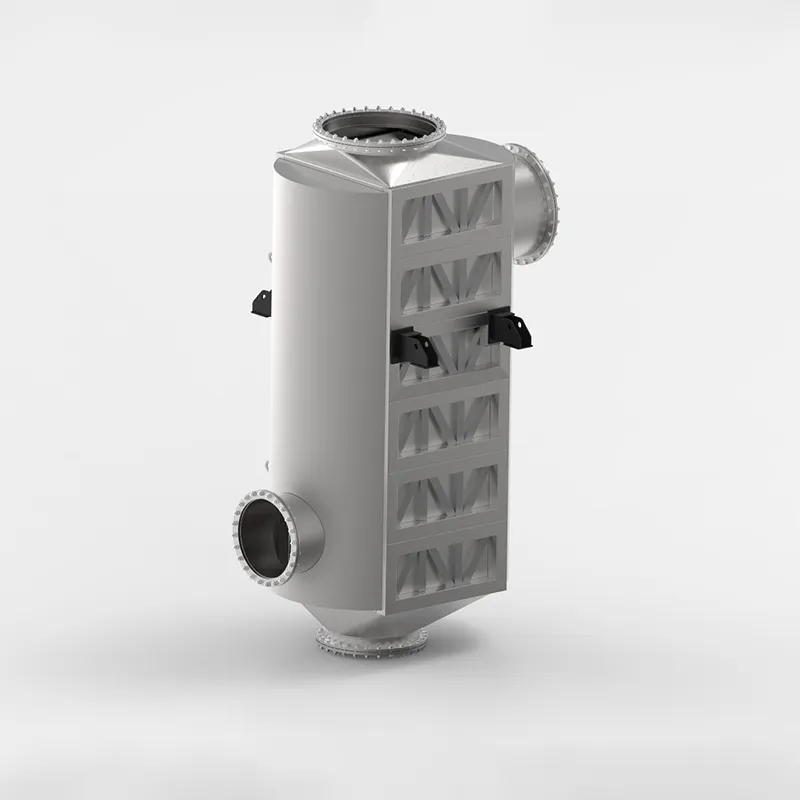
A top-rated plate heat exchanger delivers consistent thermal performance under demanding industrial conditions. Key factors include high heat transfer coefficients, low pressure drops, and robust construction materials. For example, many premium units use 316L stainless steel or titanium plates to resist corrosion and extend service life. Real-world tests show that efficient designs can achieve heat recovery rates above 95%, significantly reducing energy costs in processes like chemical processing, food production, and HVAC systems.
Modern plate heat exchangers incorporate advanced plate patterns that create turbulent flow, which improves heat transfer without increasing the footprint. Gasketed plate heat exchangers remain popular for applications requiring frequent cleaning, while brazed or welded versions suit high-pressure and high-temperature environments. Data from field installations indicates that properly sized units can handle flow rates from 10 to over 1000 cubic meters per hour, with operating pressures up to 30 bar and temperatures ranging from -30°C to 200°C.
These exchangers are widely used in district heating systems, where they transfer heat from a central source to multiple buildings. In the chemical industry, they handle aggressive fluids and maintain precise temperature control for reactions. The food and beverage sector relies on them for pasteurization and cooling processes, ensuring product safety and quality. Each application benefits from the compact design, which saves floor space and simplifies installation compared to shell-and-tube alternatives.
Independent testing of leading models shows that a well-maintained plate heat exchanger can operate for 15 to 20 years with minimal performance loss. For instance, a gasketed unit used in a petrochemical plant maintained a heat transfer coefficient of 5000 W/m²K after five years of continuous service. Another study found that switching from a traditional shell-and-tube design to a plate exchanger reduced energy consumption by 25% in a mid-sized manufacturing facility. These numbers highlight the tangible benefits of choosing a high-quality product.
Start by defining your process parameters: fluid types, flow rates, inlet and outlet temperatures, and allowable pressure drop. Then consider material compatibility and maintenance requirements. For example, gasketed plate heat exchangers offer flexibility for frequent plate replacement, while welded plate units provide leak-free operation for hazardous fluids. Consulting with a manufacturer who can simulate your conditions ensures the exchanger is neither oversized nor undersized, saving both capital and operating costs.
Regular inspection of gaskets and plates prevents unexpected downtime. For gasketed models, replace seals every 3 to 5 years depending on temperature and chemical exposure. Cleaning intervals vary by application: food processing units may need weekly cleaning, while clean water systems can go months between maintenance. Always follow the manufacturer's guidelines for torque specifications when reassembling the plate pack, as uneven tightening can cause leaks or plate damage.
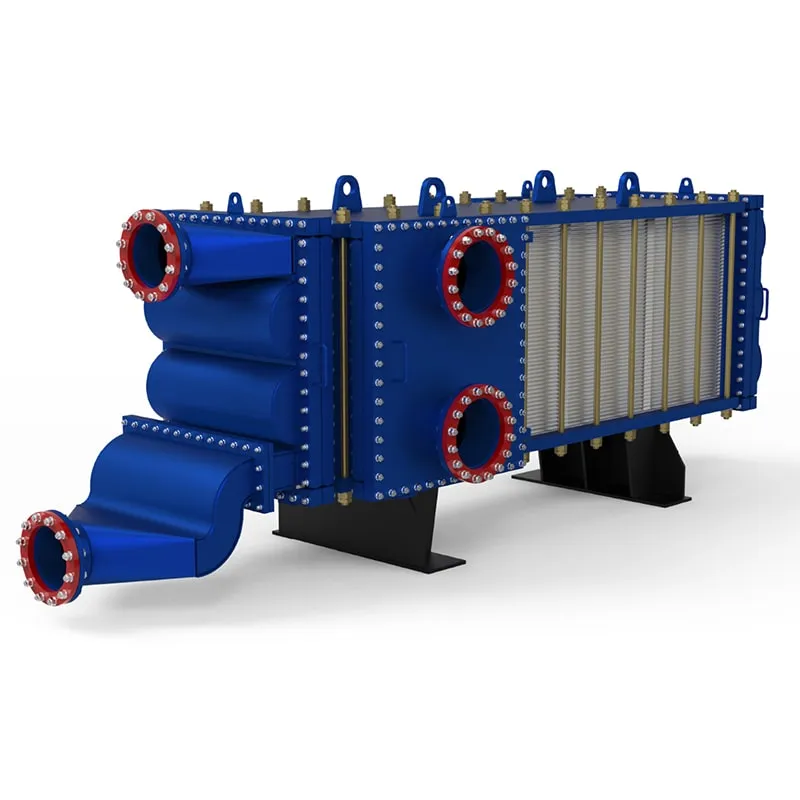
While premium plate heat exchangers have a higher upfront cost, the energy savings often justify the investment within two to three years. For example, a facility upgrading to a high-efficiency model reported annual savings of $15,000 on heating bills. Additionally, the compact design reduces installation expenses, as no heavy foundations or large cranes are needed. When evaluating options, factor in the total cost of ownership, including maintenance, spare parts, and expected lifespan.
Manufacturers are increasingly using computational fluid dynamics to optimize plate geometries for specific applications. This leads to even higher efficiency and smaller footprints. Another trend is the use of advanced coatings that reduce fouling, particularly in wastewater and dairy processing. As industries push for net-zero emissions, plate heat exchangers will play a key role in heat recovery and waste heat utilization systems.
Choosing the right plate heat exchanger is a decision that pays off in performance, energy savings, and reliability. By focusing on verified data and matching the unit to your specific process, you ensure long-term value for your industrial operation.
We provide you with comprehensive foreign trade solutions to help enterprises achieve global development
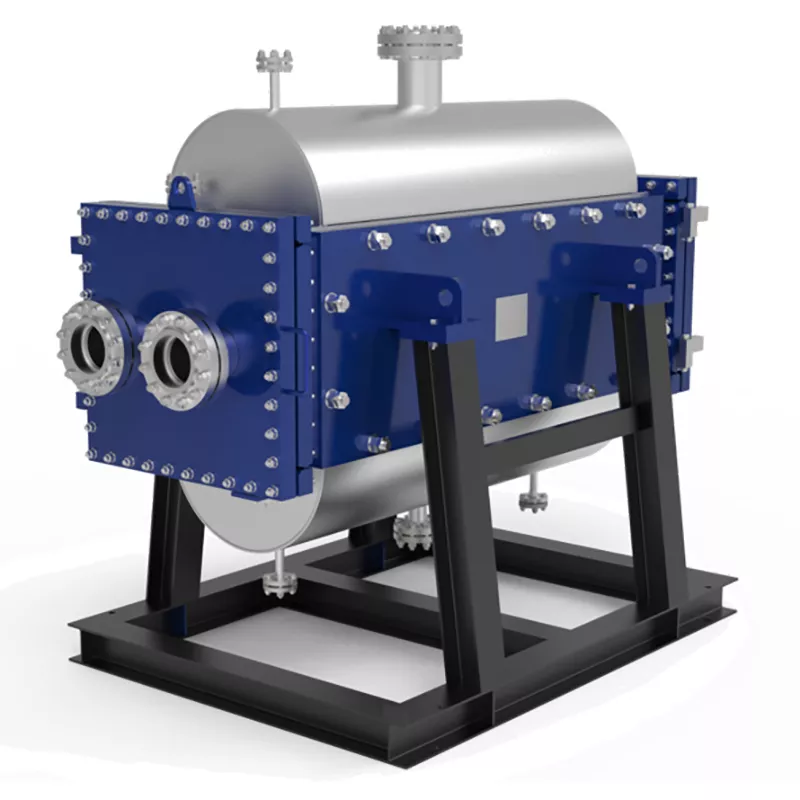
Industrial processes involving particle-laden slurries, high-viscosity syrups, or fiber-rich pulp demand more than standard equipment—they require target-engineered thermal management. At SHPHE, we configure the TP Welded Plate Heat Exchanger to directly conquer your plant's severe fouling, blockage, and erosion threats. Combining custom-tailored channel geometries, wear-resistant metallurgy, and integrated CIP (Cleaning-in-Place) systems, we deliver absolute production continuity where conventional heat exchangers fail.
Custom-Engineered for Severe Process Demands. At SHPHE, we don't just supply equipment; we design tailored thermal solutions. Our HT-Bloc welded plate heat exchangers are custom-configured by our experienced engineers to overcome your specific industry challenges—whether handling high-viscosity media, extreme temperatures, or strict space constraints.
Custom-Engineered Anti-Clogging Solutions for High-Viscosity Slurries:
Deployed specifically to conquer severe industrial fouling, SHPHE wide gap welded plate heat exchangers are tailor-built to handle complex media containing dense fibers, coarse crystals, or solid suspensions without clogging. Each non-obstructed channel is calculated and formed by laser-welded plate packs matching your fluid’s exact rheology and grain size, completely eliminating structural "dead zones" and media stagnation. Available in highly compact vertical and versatile horizontal configurations, our vertical engineering drastically reduces plant footprints while maintaining unhindered product throughput, minimal pressure drops, and flawless continuous operations across harsh process loops.
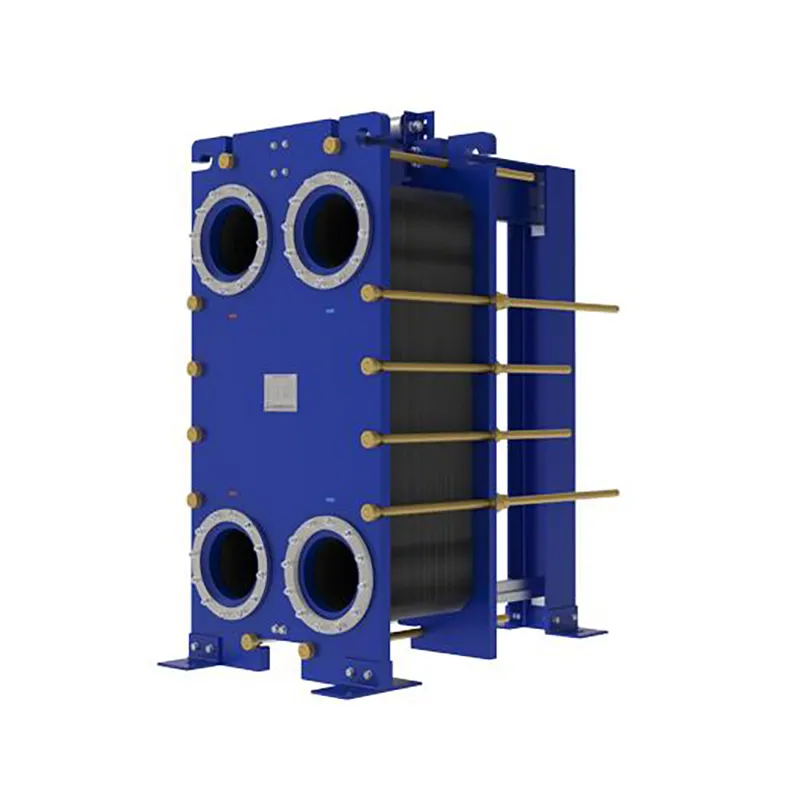
Since the invention of the plate heat exchanger (PHE) in 1923, thermal technology has evolved from standard food-grade processing to highly complex industrial operations. At SHPHE, we take this classic, versatile design and transform it into highly bespoke heat transfer solutions tailored to your unique process fluids and thermal loads. While traditional gasketed PHEs offer high efficiency and compact footprints, SHPHE optimizes plate corrugations, metallurgy, and sealing systems to handle your specific chemical, HVAC, or energy recovery parameters. Our custom-engineered gasketed plate heat exchangers provide outstanding scalability and ease of maintenance, serving as an indispensable asset for heavy industries—including oil and gas, metallurgy, and food processing—where uptime, energy recovery, and long-term sustainability are top priorities.