Top Rated Plate Coolers for Maximum Heat Transfer Efficiency
Choosing the right plate cooler is essential for optimizing thermal performance in industrial processes. This article explores the top-rated models that deliver maximum heat transfer efficiency, focusing on their design, material quality, and real-world applications. Whether you are upgrading existing equipment or planning a new system, understanding these options helps ensure reliable operation and energy savings.
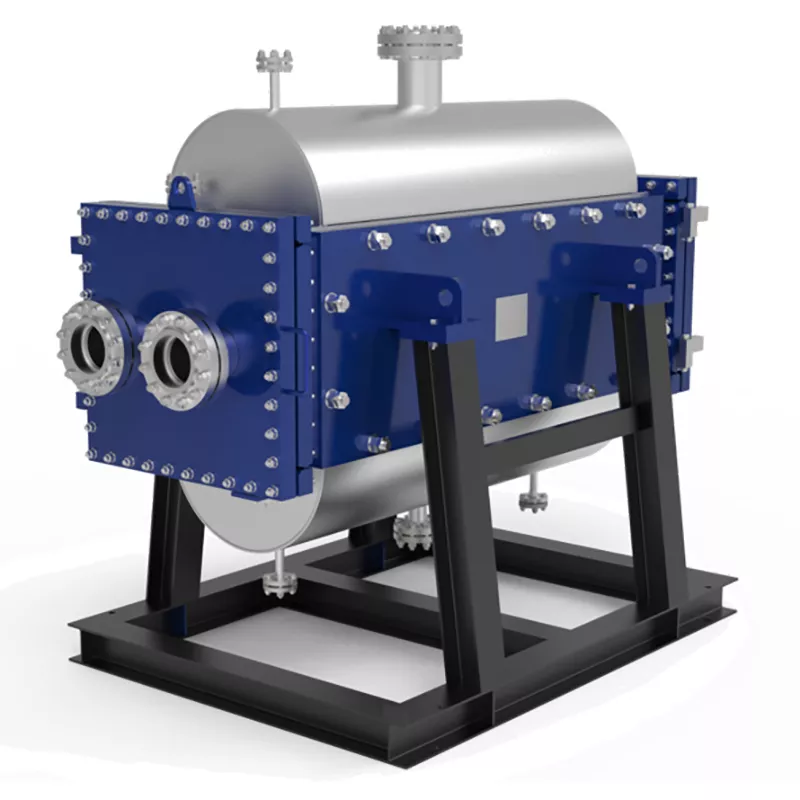
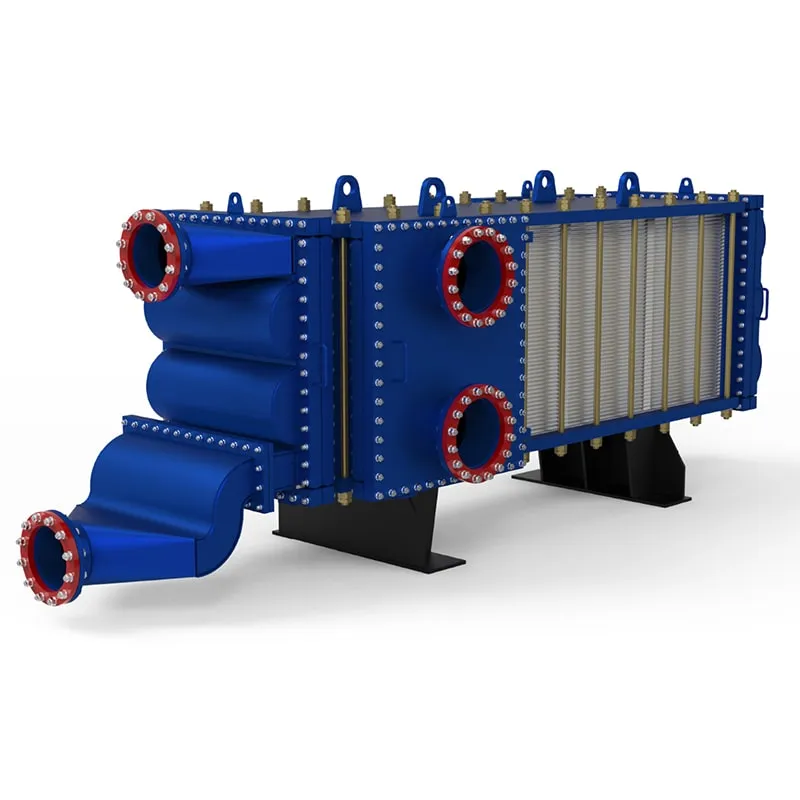
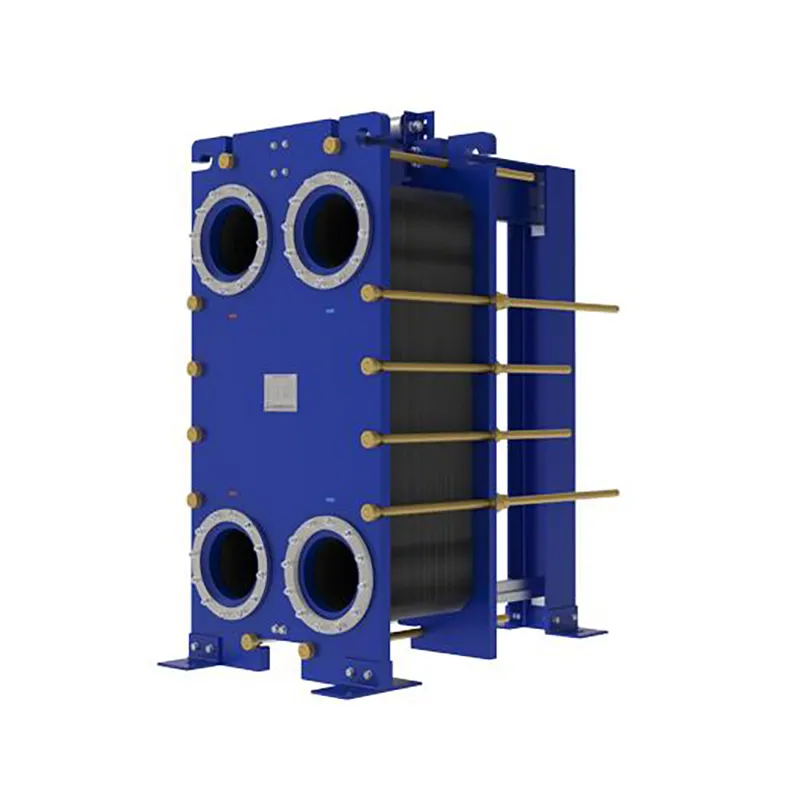
Plate coolers, also known as plate heat exchangers, are widely used in industries such as chemical processing, food and beverage, HVAC, and power generation. Their compact design and high heat transfer coefficients make them a preferred choice for applications where space and efficiency are critical. Among the top-rated models, the gasketed plate heat exchangers stand out for their flexibility and ease of maintenance. These units allow for easy plate removal and cleaning, which is vital in processes involving fouling fluids.
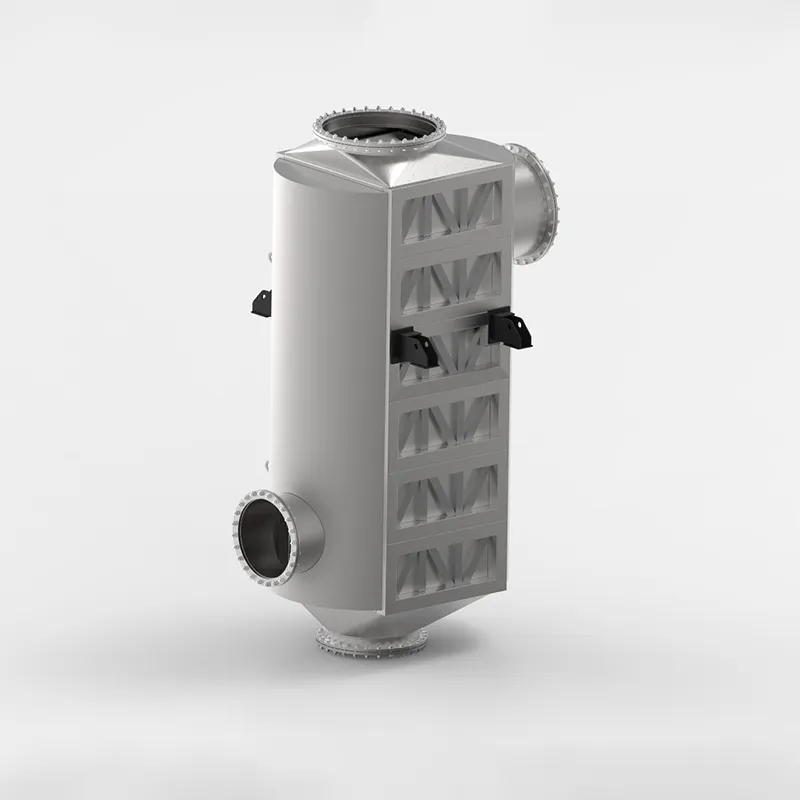
For applications requiring higher pressure and temperature resistance, welded plate heat exchangers offer a robust solution. The TP welded plate heat exchanger is engineered with laser-welded channels that eliminate gaskets, reducing the risk of leakage. This design is particularly effective in handling aggressive media and high-temperature differentials, ensuring consistent performance over long operational periods.
Key Features of High-Efficiency Plate Coolers
When evaluating plate coolers, several factors contribute to maximum heat transfer efficiency. The plate corrugation pattern plays a significant role in creating turbulence, which enhances the heat transfer coefficient. Modern designs, such as those found in the HT-Bloc welded plate heat exchanger, use optimized herringbone patterns to achieve up to 30% higher efficiency compared to standard models. Additionally, the choice of materials—such as stainless steel, titanium, or nickel alloys—directly impacts corrosion resistance and thermal conductivity.
Another critical aspect is the flow arrangement. Counter-current flow configurations are standard in top-rated plate coolers because they maintain a higher average temperature difference between the hot and cold fluids. This arrangement, combined with narrow plate gaps, allows for compact designs without sacrificing performance. For industries dealing with viscous fluids or particulates, wide-gap plate heat exchangers are available. The wide gap welded plate heat exchanger features enlarged channel spacing, preventing clogging and ensuring uninterrupted operation.
Real-World Applications and Performance Data
In the food and beverage industry, plate coolers are used for pasteurization and cooling of dairy products. Field data from a recent installation of a custom-engineered plate heat exchanger showed a heat transfer coefficient of 6,500 W/m²K, with a pressure drop of only 35 kPa. This level of efficiency reduces energy consumption by approximately 20% compared to traditional shell-and-tube designs. Similarly, in chemical plants, the custom engineered printed circuit heat exchanger has been used for high-temperature gas cooling, achieving thermal effectiveness above 95%.
For HVAC systems, plate coolers are integral to heat recovery and district cooling. A case study involving a large commercial building showed that using a gasketed plate heat exchanger for chiller isolation reduced the required chiller capacity by 15%, leading to significant operational cost savings. The ability to easily expand capacity by adding plates makes these units highly adaptable to changing load requirements.
Maintenance and Longevity Considerations
To maintain maximum heat transfer efficiency over time, regular inspection and cleaning are necessary. Gasketed plate coolers allow for quick disassembly, making it easy to inspect plates for scaling or fouling. For welded units, chemical cleaning or backflushing is typically recommended. The custom engineered pillow plates offer an alternative design with dimpled surfaces that promote even flow distribution and reduce fouling tendencies. These plates are often used in reactors and storage tanks where direct heating or cooling is required.
Proper material selection also extends the lifespan of plate coolers. In corrosive environments, titanium plates provide excellent resistance to chlorides and seawater. For high-temperature applications, stainless steel 316L or duplex alloys are common choices. The custom engineered plate air preheaters are specifically designed for flue gas heat recovery, using specialized coatings to withstand acidic condensation and thermal cycling.
Selecting the Right Plate Cooler for Your Needs
The selection process should begin with a clear definition of process parameters, including flow rates, inlet and outlet temperatures, pressure limits, and fluid properties. For applications with high fouling potential, wide-gap or gasketed designs are preferable. For high-pressure or high-temperature duties, welded or brazed plate heat exchangers offer better integrity. Consulting with manufacturers who provide detailed thermal calculations and performance guarantees ensures that the chosen unit will meet the required efficiency targets.
In summary, the top-rated plate coolers on the market today combine advanced plate geometries, durable materials, and flexible configurations to deliver maximum heat transfer efficiency. By understanding the specific demands of your process and leveraging the latest engineering innovations, you can achieve significant energy savings and operational reliability. Whether you opt for a gasketed, welded, or custom-engineered solution, investing in a high-quality plate cooler is a decision that pays off in the long run.

 English EN