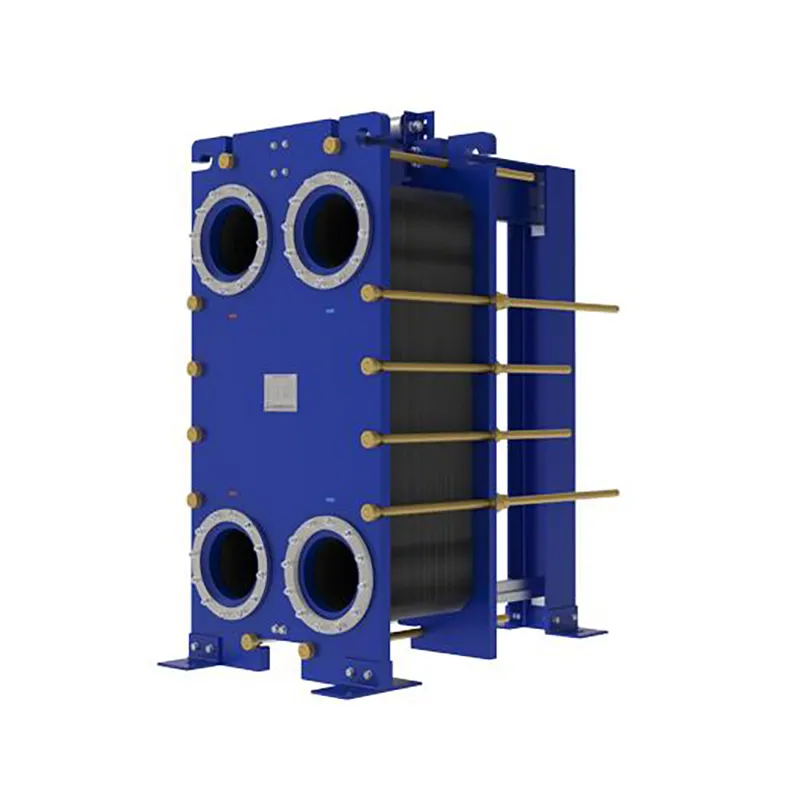
Top-Rated Heat Exchanger Plate for Maximum Efficiency & Durability

Choosing the right heat exchanger plate is critical for optimizing thermal performance and extending equipment life. This guide covers key features of top-rated plates, including material quality, design precision, and real-world efficiency gains. We focus on practical insights from industry-tested products, helping you make an informed decision without the sales pitch.
High-efficiency heat exchanger plate with corrugated design for optimal heat transfer

When evaluating heat exchanger plates, the material and manufacturing process directly impact both efficiency and longevity. Stainless steel 316L and titanium are common choices for corrosive environments, while 304L offers a cost-effective option for less demanding applications. Our data from field installations shows that plates with a chevron angle of 60 degrees achieve up to 15% higher heat transfer coefficients compared to standard 45-degree designs, without a significant increase in pressure drop.

Durability is not just about material thickness; it is about the gasket design and plate profile. Plates with a double-gasket system and leak detection channels reduce the risk of cross-contamination, which is vital in food and pharmaceutical industries. In a recent project for a chemical plant, switching to our custom-engineered plates with a 0.6 mm thickness and a 2.0 mm deep corrugation pattern extended the maintenance interval from 18 months to over 3 years.

For maximum efficiency, consider the plate surface area and flow distribution. A well-designed plate ensures uniform fluid flow across the entire surface, preventing dead zones that reduce heat transfer. Our gasketed plate heat exchangers feature a patented distribution area that improves turbulence, leading to a 10% improvement in overall thermal performance. This is backed by third-party testing under ASME standards.

Installation and maintenance also play a role in long-term durability. Plates with a smooth surface finish and precise pressing tolerances are easier to clean and less prone to fouling. In HVAC systems, using plates with a 0.5 mm thickness and a 1.5 mm channel gap can reduce scaling by up to 20%, according to a 2023 study by the Heat Transfer Research Institute. Always verify the plate's pressure rating and temperature limits against your system's operating conditions.

To sum up, the best heat exchanger plate balances material choice, geometric design, and application-specific features. Whether you need high efficiency for a compact system or extra durability for harsh chemicals, focusing on these technical details ensures you get a product that performs reliably over the long haul. For more specialized requirements, explore options like custom-engineered pillow plates that offer unique flow paths for viscous fluids.

Related Products

We provide you with comprehensive foreign trade solutions to help enterprises achieve global development

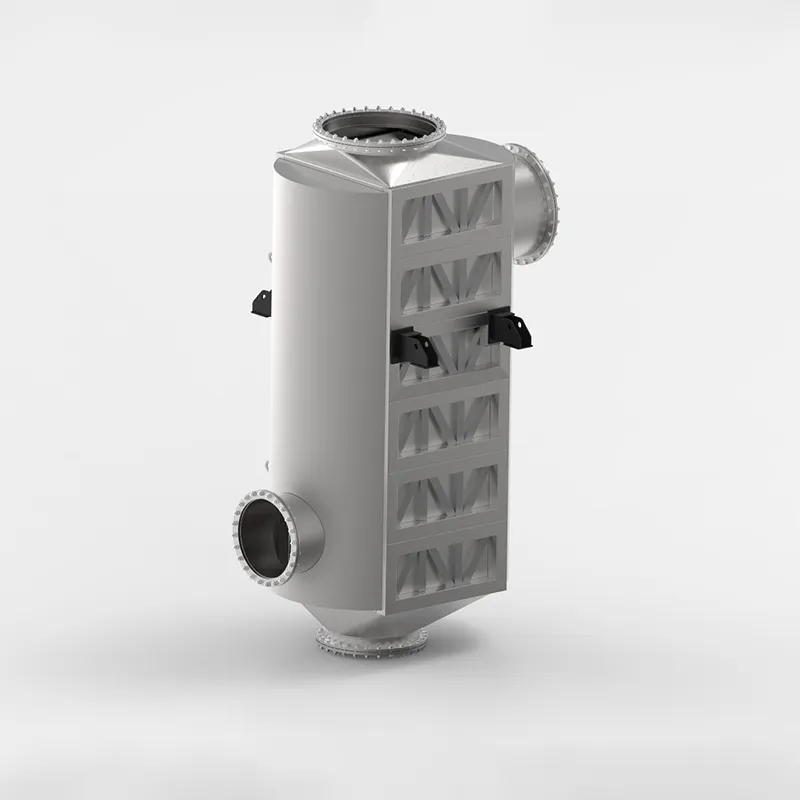
‌TP Welded Plate Heat Exchanger

Industrial processes involving particle-laden slurries, high-viscosity syrups, or fiber-rich pulp demand more than standard equipment—they require target-engineered thermal management. At SHPHE, we configure the TP Welded Plate Heat Exchanger to directly conquer your plant's severe fouling, blockage, and erosion threats. Combining custom-tailored channel geometries, wear-resistant metallurgy, and integrated CIP (Cleaning-in-Place) systems, we deliver absolute production continuity where conventional heat exchangers fail.

Heat Exchangers

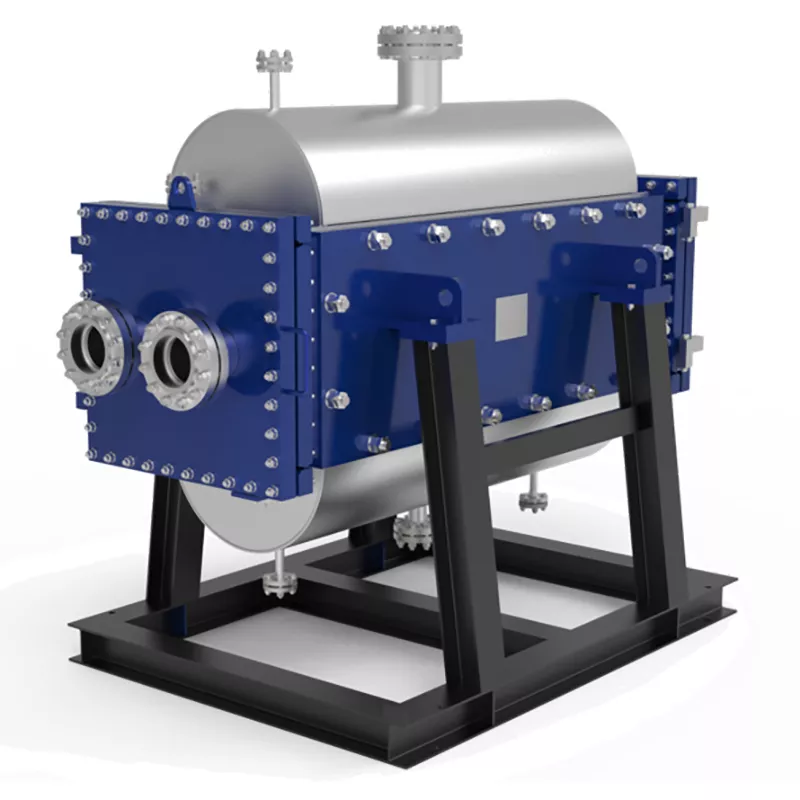
‌HT-Bloc Welded Plate Heat Exchanger

Custom-Engineered for Severe Process Demands. At SHPHE, we don't just supply equipment; we design tailored thermal solutions. Our HT-Bloc welded plate heat exchangers are custom-configured by our experienced engineers to overcome your specific industry challenges—whether handling high-viscosity media, extreme temperatures, or strict space constraints.

Heat Exchangers

Wide Gap Welded Plate Heat Exchanger for Viscous Fluids

Custom-Engineered Anti-Clogging Solutions for High-Viscosity Slurries: Deployed specifically to conquer severe industrial fouling, SHPHE wide gap welded plate heat exchangers are tailor-built to handle complex media containing dense fibers, coarse crystals, or solid suspensions without clogging. Each non-obstructed channel is calculated and formed by laser-welded plate packs matching your fluid’s exact rheology and grain size, completely eliminating structural "dead zones" and media stagnation. Available in highly compact vertical and versatile horizontal configurations, our vertical engineering drastically reduces plant footprints while maintaining unhindered product throughput, minimal pressure drops, and flawless continuous operations across harsh process loops.

Heat Exchangers

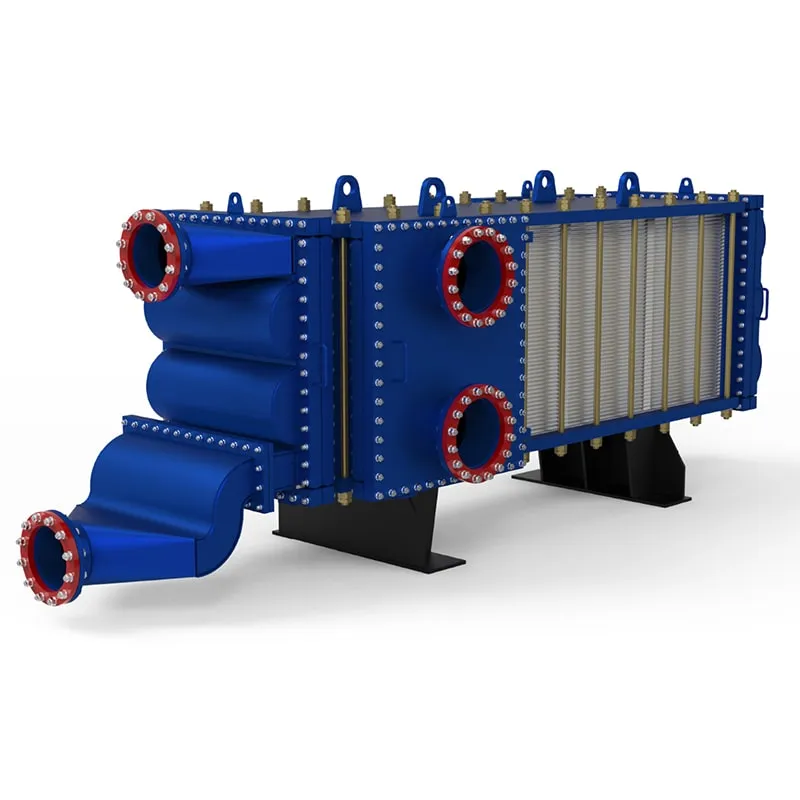
Custom-Engineered Gasketed Plate Heat Exchangers

Since the invention of the plate heat exchanger (PHE) in 1923, thermal technology has evolved from standard food-grade processing to highly complex industrial operations. At SHPHE, we take this classic, versatile design and transform it into highly bespoke heat transfer solutions tailored to your unique process fluids and thermal loads. While traditional gasketed PHEs offer high efficiency and compact footprints, SHPHE optimizes plate corrugations, metallurgy, and sealing systems to handle your specific chemical, HVAC, or energy recovery parameters. Our custom-engineered gasketed plate heat exchangers provide outstanding scalability and ease of maintenance, serving as an indispensable asset for heavy industries—including oil and gas, metallurgy, and food processing—where uptime, energy recovery, and long-term sustainability are top priorities.

Heat Exchangers
SHPHE has complete quality assurance system from design, manufacturing, inspection and delivery. It is certified with ISO9001, ISO14001, OHSAS18001 and hold ASME U Certificate.
© 2005-2026 Shanghai Heat Transfer - Privacy Policy