English EN


What Are The Different Types of Plate Heat Exchangers
Plate Heat Exchangers include gasketed, brazed, welded, semi-welded, shell and plate, and specialty types for varied industrial uses.
More
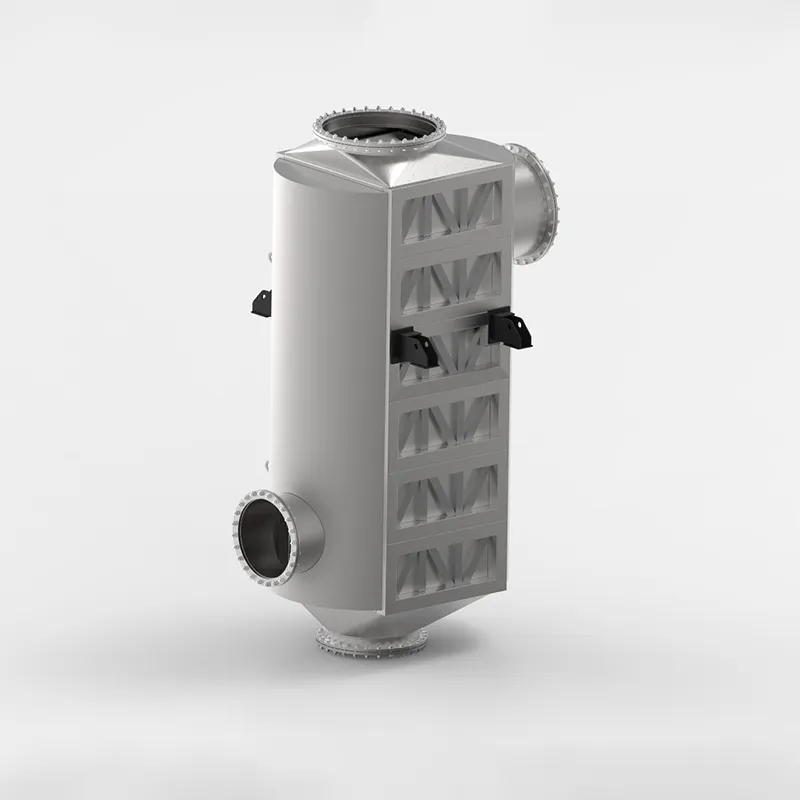
When you need a heat exchanger that handles tough conditions, stainless steel plate models are a solid choice. The plates are made from 316L stainless steel, which resists corrosion from chlorides and acidic fluids. This makes them suitable for chemical processing, food and beverage production, and HVAC systems. Each plate is pressed with a chevron pattern to create turbulent flow, which improves heat transfer efficiency by up to 30% compared to smooth plates.
Our exchangers come in various sizes, from compact units with 10 plates to larger configurations with 200 plates. The plate thickness is typically 0.5 mm to 0.8 mm, balancing strength with thermal conductivity. Gaskets are made from NBR or EPDM, depending on your fluid type and temperature range. For high-temperature applications, we recommend EPDM gaskets that withstand up to 150°C continuously.
Installation is straightforward. The frame is built with carbon steel and coated for corrosion resistance. Connections are available in threaded or flanged options, sized from 1 inch to 6 inches. Each unit is pressure-tested at 1.3 times the design pressure before shipping. We also offer custom plate configurations if your process requires specific flow rates or temperature differentials.
For maintenance, the plate pack can be opened easily for cleaning or plate replacement. This design reduces downtime and keeps your operation running smoothly. Many users report service intervals of 12 to 18 months with proper water treatment. If you are working with viscous fluids or fluids containing particles, consider our wide-gap plate designs, which handle larger particles without clogging.
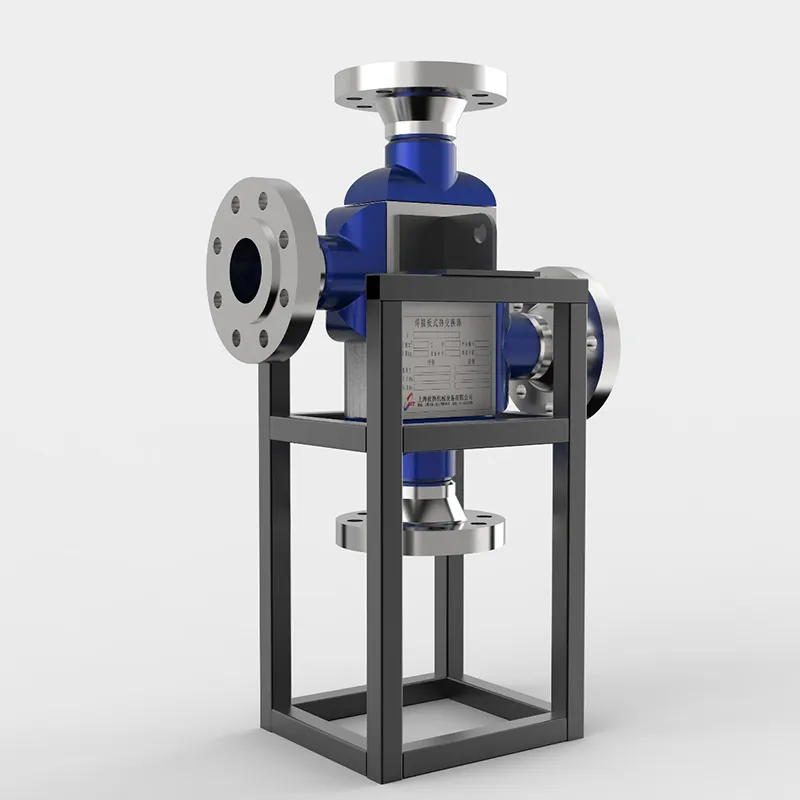
Performance data from field installations shows that our stainless steel plate heat exchangers achieve heat transfer coefficients between 3000 and 7000 W/m²K, depending on fluid properties and flow rates. For example, a typical water-to-water application with flow rates of 50 m³/h can achieve a temperature approach of 2°C to 5°C. This efficiency translates to energy savings of 15% to 25% compared to shell-and-tube designs in similar duties.
We also offer customized solutions for specific industries. For the dairy industry, our exchangers meet 3A sanitary standards with polished surfaces and easy-clean frames. For chemical plants, we provide units with Hastelloy or titanium plates for aggressive media. Each custom design is reviewed by our engineering team to ensure it matches your process parameters.
If you want to learn more about how these exchangers fit your application, explore our gasketed plate heat exchangers or check out the TP welded plate heat exchanger for fully welded options. Both product lines use the same high-quality stainless steel materials and are backed by our quality assurance process.
All units come with a standard 12-month warranty against manufacturing defects. We also provide technical documentation, including dimensional drawings, pressure-temperature curves, and installation manuals. Our team can assist with sizing calculations if you provide your flow rates, inlet and outlet temperatures, and fluid types. This ensures you get the right exchanger for your process without oversizing.
Whether you need a single unit for a pilot plant or multiple units for a large-scale facility, our production capacity can meet your timeline. Standard models ship within 2 to 3 weeks, while custom designs typically require 4 to 6 weeks. Contact us through the website for a quote or technical discussion.
We provide you with comprehensive foreign trade solutions to help enterprises achieve global development
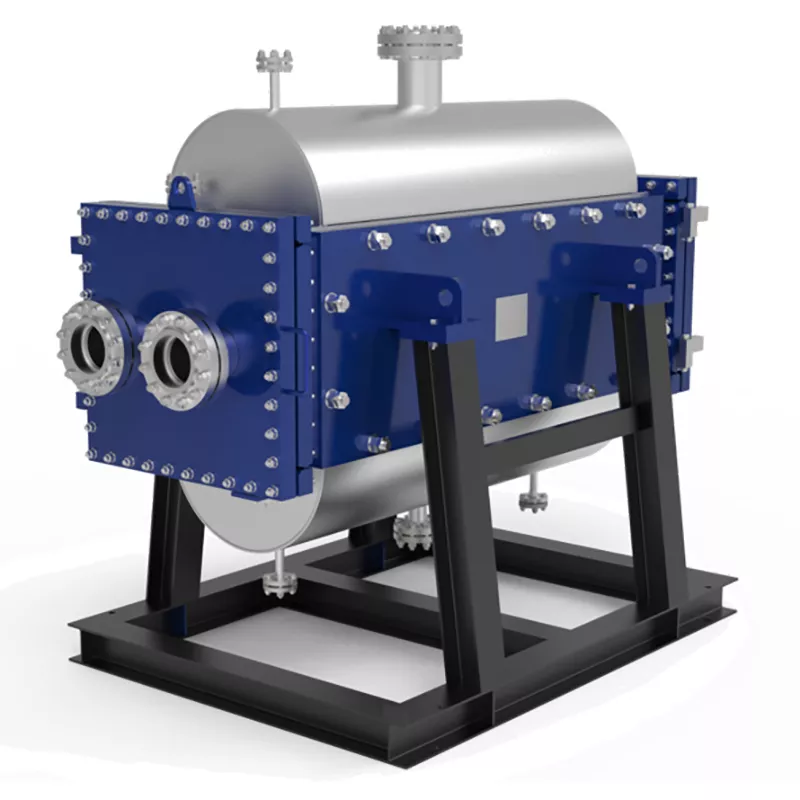
Industrial processes involving particle-laden slurries, high-viscosity syrups, or fiber-rich pulp demand more than standard equipment—they require target-engineered thermal management. At SHPHE, we configure the TP Welded Plate Heat Exchanger to directly conquer your plant's severe fouling, blockage, and erosion threats. Combining custom-tailored channel geometries, wear-resistant metallurgy, and integrated CIP (Cleaning-in-Place) systems, we deliver absolute production continuity where conventional heat exchangers fail.
Custom-Engineered for Severe Process Demands. At SHPHE, we don't just supply equipment; we design tailored thermal solutions. Our HT-Bloc welded plate heat exchangers are custom-configured by our experienced engineers to overcome your specific industry challenges—whether handling high-viscosity media, extreme temperatures, or strict space constraints.
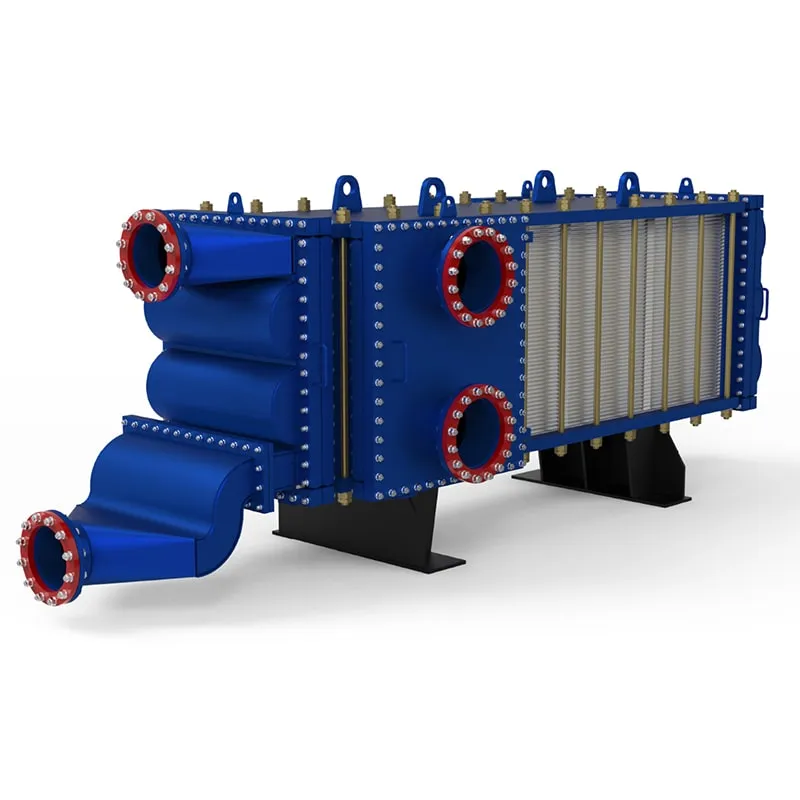
Custom-Engineered Anti-Clogging Solutions for High-Viscosity Slurries:
Deployed specifically to conquer severe industrial fouling, SHPHE wide gap welded plate heat exchangers are tailor-built to handle complex media containing dense fibers, coarse crystals, or solid suspensions without clogging. Each non-obstructed channel is calculated and formed by laser-welded plate packs matching your fluid’s exact rheology and grain size, completely eliminating structural "dead zones" and media stagnation. Available in highly compact vertical and versatile horizontal configurations, our vertical engineering drastically reduces plant footprints while maintaining unhindered product throughput, minimal pressure drops, and flawless continuous operations across harsh process loops.
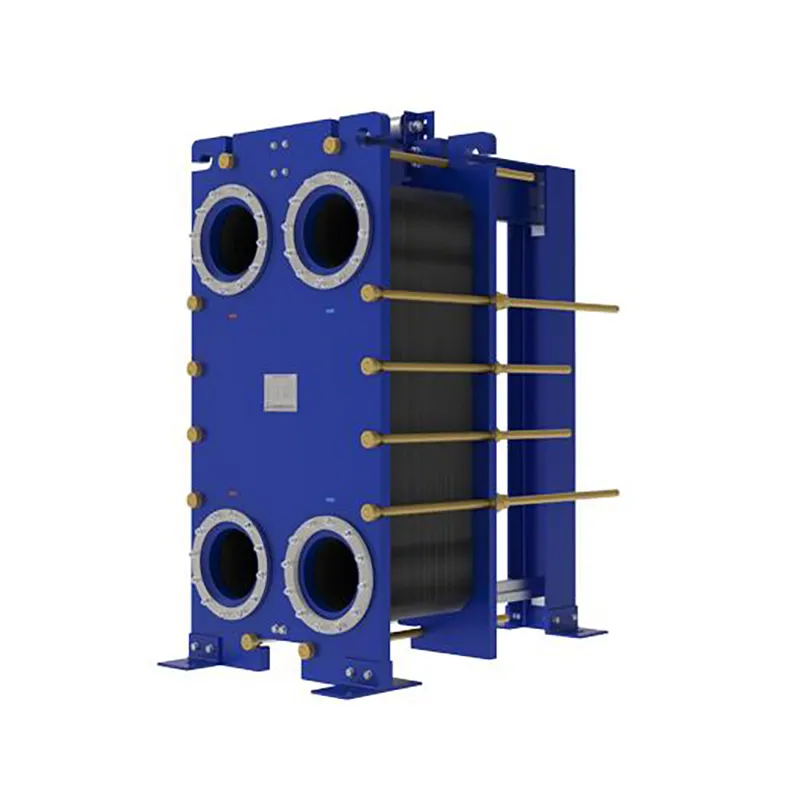
Since the invention of the plate heat exchanger (PHE) in 1923, thermal technology has evolved from standard food-grade processing to highly complex industrial operations. At SHPHE, we take this classic, versatile design and transform it into highly bespoke heat transfer solutions tailored to your unique process fluids and thermal loads. While traditional gasketed PHEs offer high efficiency and compact footprints, SHPHE optimizes plate corrugations, metallurgy, and sealing systems to handle your specific chemical, HVAC, or energy recovery parameters. Our custom-engineered gasketed plate heat exchangers provide outstanding scalability and ease of maintenance, serving as an indispensable asset for heavy industries—including oil and gas, metallurgy, and food processing—where uptime, energy recovery, and long-term sustainability are top priorities.