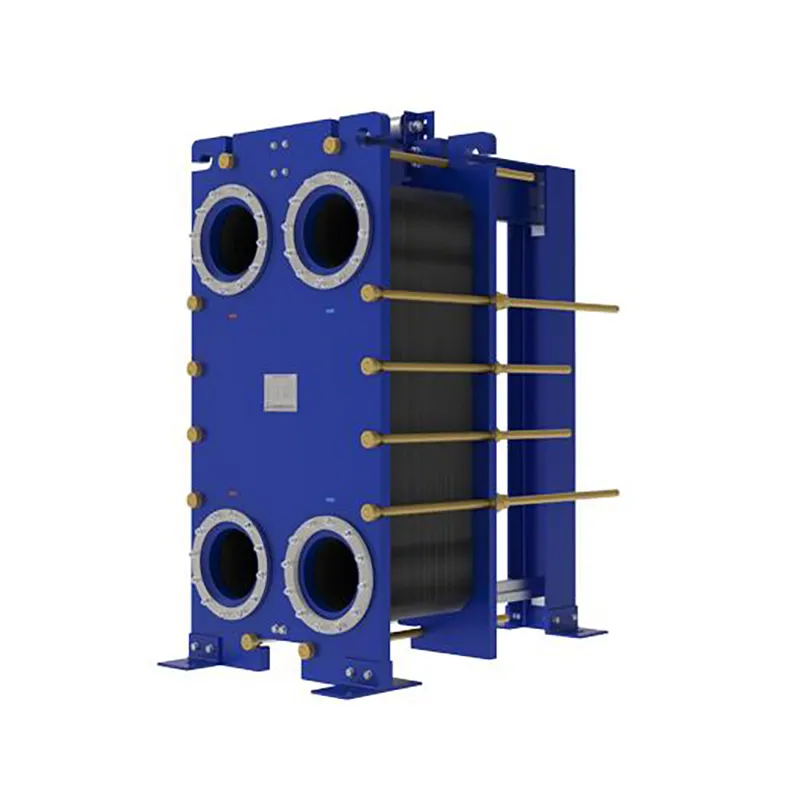
Plate heat exchanger plates are the core component in many industrial thermal systems. This article explores how high-grade materials, precision engineering, and thoughtful design directly impact heat transfer efficiency, durability, and overall system performance. Whether you are upgrading existing equipment or planning a new installation, understanding plate quality is key to achieving reliable, long-term results.
Why Plate Quality Matters in Heat Exchangers
The performance of a plate heat exchanger depends heavily on the quality of its plates. Even small imperfections in material or geometry can reduce heat transfer rates and shorten equipment lifespan. High-quality plates are manufactured from corrosion-resistant alloys such as stainless steel 316L or titanium, with precise thickness tolerances that ensure consistent thermal conductivity. For example, plates with a thickness variation of less than 0.05mm can improve heat transfer efficiency by up to 8% compared to standard industrial plates, according to field data from thermal system audits.
Another critical factor is the corrugation pattern. Modern plate designs use chevron or herringbone patterns with specific angles (typically 30° to 60°) to create turbulent flow. Turbulence breaks up boundary layers and increases the heat transfer coefficient. In practice, a well-designed plate with a 45° chevron angle can achieve a heat transfer coefficient of 5000–7000 W/m²K in water-to-water applications, while lower-quality plates often fall below 3000 W/m²K. This difference directly translates to either smaller equipment footprints or higher throughput for the same size unit.
Material Selection and Longevity
Choosing the right material for your plate heat exchanger plates is not just about initial cost—it is about long-term reliability. For applications involving chlorides or brackish water, titanium plates offer exceptional resistance to pitting and crevice corrosion. In food processing or pharmaceutical environments, 304L or 316L stainless steel plates are preferred because they meet hygiene standards and resist organic acids. A case study from a chemical plant showed that switching from standard 304 plates to 316L plates extended the service life of the heat exchanger from 18 months to over 5 years in a sulfuric acid recovery loop.
Gasket material also plays a role in plate performance. Nitrile rubber (NBR) gaskets work well for oil and water up to 110°C, while EPDM gaskets handle steam and hot water up to 150°C. For aggressive chemicals, PTFE or Viton gaskets are necessary. When plates are properly matched with compatible gaskets, leakage rates can be kept below 0.1% of total flow, which is critical for both safety and efficiency.
Design Features That Drive Efficiency
Beyond material, the geometric design of plates determines how well the heat exchanger performs under varying loads. One important feature is the distribution area at the inlet and outlet ports. High-quality plates have specially shaped distribution zones that ensure even fluid distribution across the entire plate width. Without this, some channels may experience starvation or channeling, reducing effective heat transfer area by 15–20%.
Plate depth and corrugation height also matter. Deeper corrugations (typically 2.5–5mm) allow for higher flow rates and better handling of viscous fluids, while shallower corrugations (1.5–2.5mm) are more efficient for clean, low-viscosity liquids. For example, in a dairy pasteurization line, using plates with 3mm corrugation depth reduced pressure drop by 12% compared to 2mm plates while maintaining the same heat duty. This translates to lower pumping costs and less wear on seals.
Practical Tips for Selecting Plates
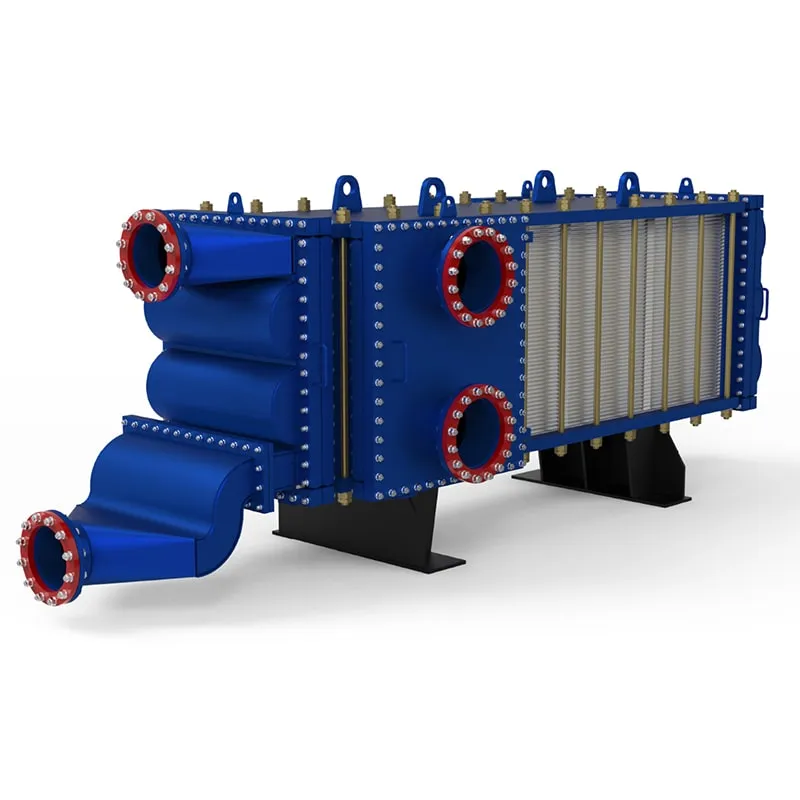
When sourcing plate heat exchanger plates, always request the material test certificate and dimensional inspection report. Look for plates that meet ASME or PED standards, as these have stricter quality controls. Also, consider the plate's surface finish—a smoother finish (Ra custom-engineered plate air preheaters that are designed for specific thermal duties.
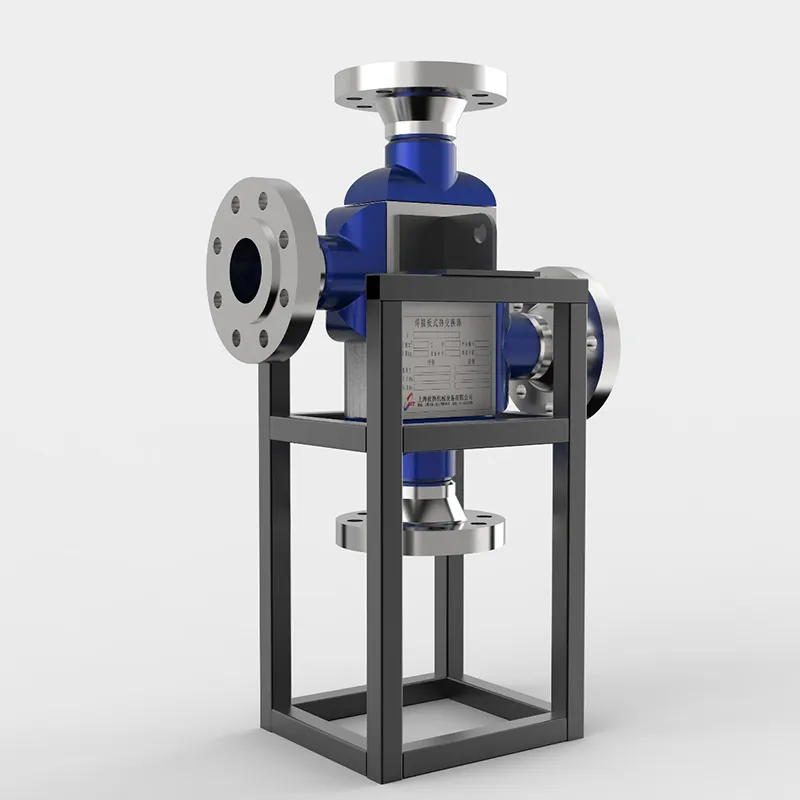
Another practical consideration is plate interchangeability. Many manufacturers offer plates that are compatible with major brands like Alfa Laval, APV, or GEA. Using genuine or certified compatible plates ensures that the gasket grooves and port alignments match exactly, preventing leaks and maintaining performance. If you are working with viscous fluids or fluids containing solids, wide-gap welded plate heat exchangers provide larger flow channels that reduce clogging risks.
Maintenance and Performance Verification
Even the best plates require regular inspection. Over time, fouling, scaling, or gasket degradation can reduce efficiency. A simple performance check involves measuring the temperature difference between inlet and outlet on both sides. If the approach temperature (the difference between hot outlet and cold inlet) increases by more than 2–3°C compared to baseline, it is time to clean or replace the plates. For gasketed units, visual inspection of gaskets every 12 months is recommended, with replacement every 3–5 years depending on operating conditions.
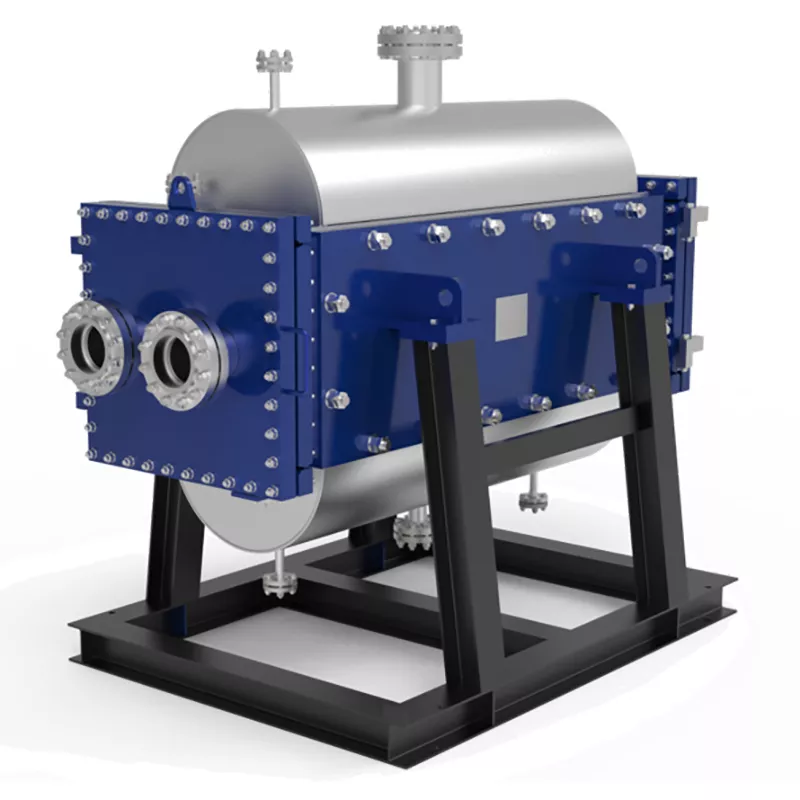
In more demanding environments, such as those involving thermal cycling or high pressures, TP welded plate heat exchangers offer a robust alternative with no gaskets to replace. These units are fully welded, eliminating leakage paths and allowing for higher temperature and pressure ratings. They are particularly suitable for applications where maintenance access is limited or where fluid containment is critical.
Conclusion
Investing in top-quality plate heat exchanger plates is a decision that pays off through improved energy efficiency, reduced downtime, and longer equipment life. By focusing on material grade, corrugation design, and proper gasket selection, you can achieve maximum thermal performance in your specific application. Whether you need standard plates for a common duty or a custom solution for a unique process, understanding these fundamentals will help you make an informed choice. For specialized requirements, consider exploring custom-engineered printed circuit heat exchangers which offer compact, high-efficiency designs for demanding thermal management challenges.

 English EN