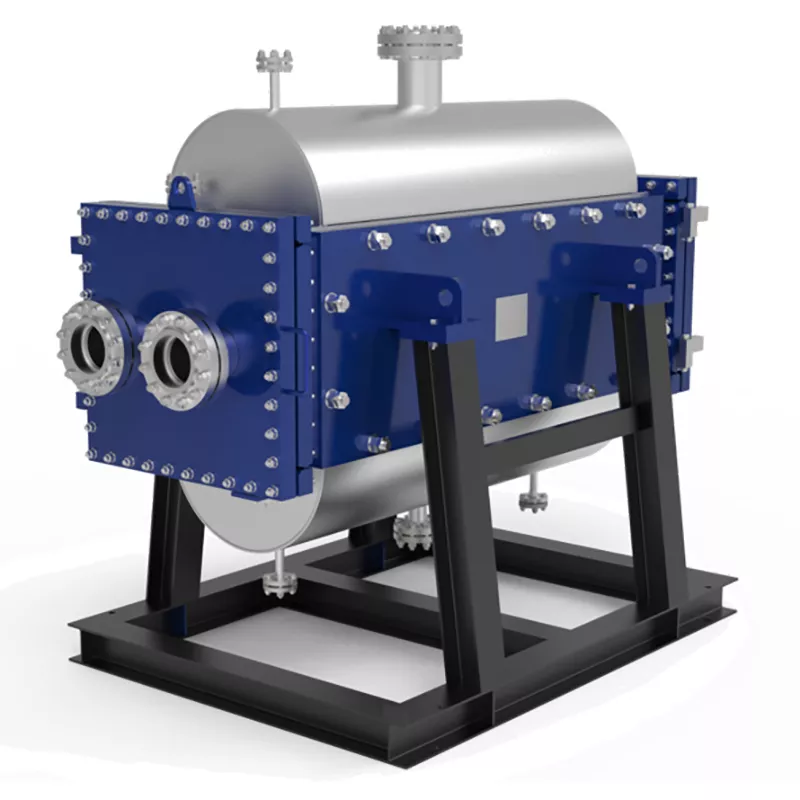
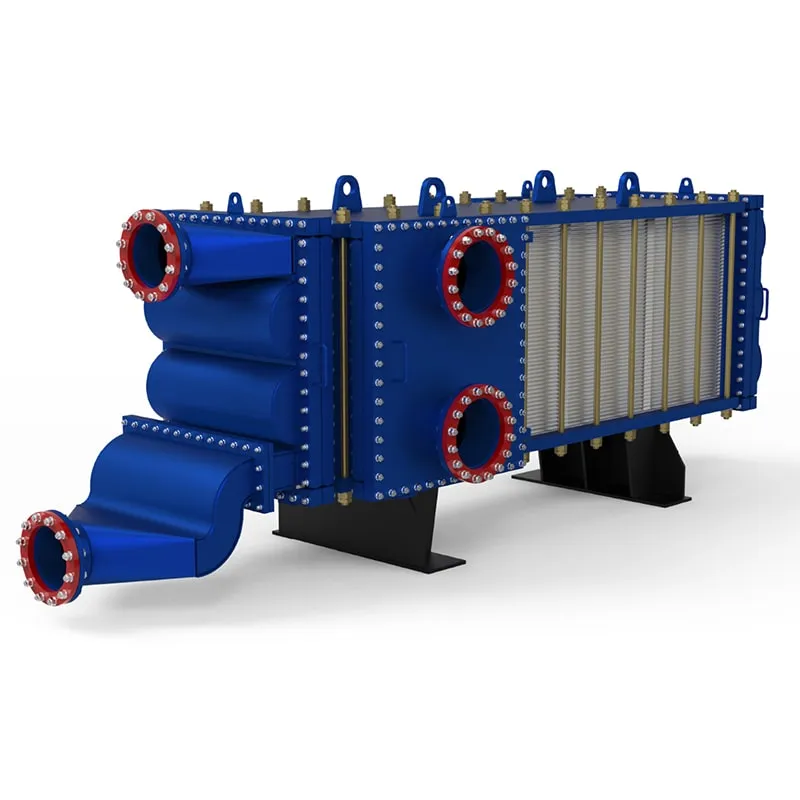
Top Quality Heat Exchanger Plates for Optimal Performance
Heat exchanger plates are the core component in many industrial thermal systems. Choosing high-quality plates directly impacts energy efficiency, equipment lifespan, and operational costs. This article explores the key features, material options, and design considerations that define top-tier heat exchanger plates, helping you make informed decisions for your specific applications.
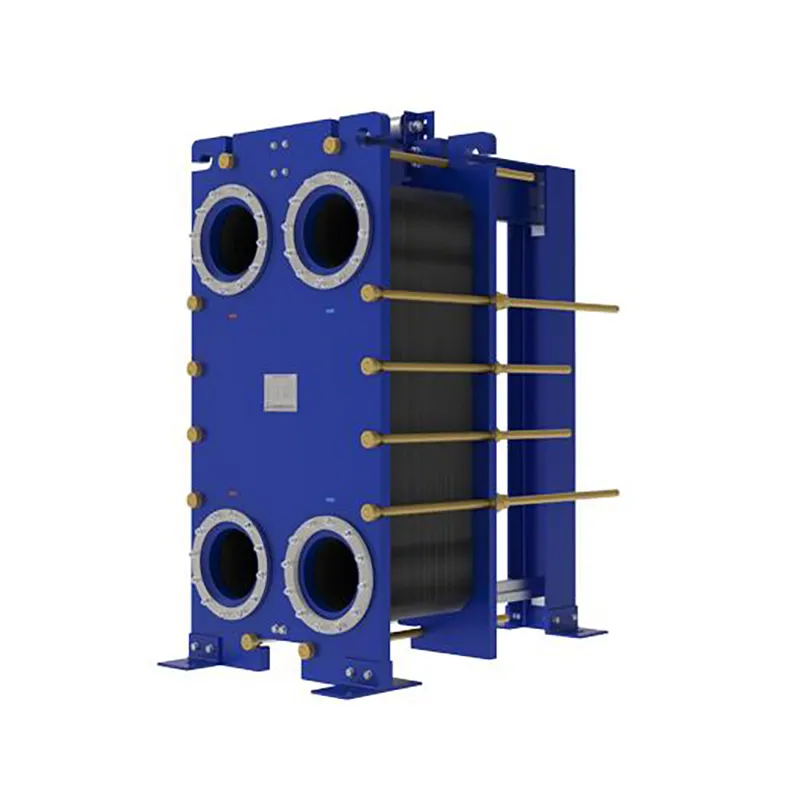
Why Plate Quality Matters in Heat Exchangers
The performance of a plate heat exchanger depends heavily on the precision and material integrity of its plates. Even minor imperfections in plate surface finish or thickness can lead to reduced heat transfer rates, increased pressure drop, or premature failure. In industries like chemical processing, HVAC, and food production, reliable heat exchanger plates ensure consistent temperature control and lower energy consumption.
High-quality plates are manufactured with tight tolerances, typically within 0.1 mm, to guarantee proper sealing and uniform flow distribution. They are also designed to withstand high operating pressures, often up to 25 bar, and temperatures ranging from -20°C to 200°C, depending on the material selected. This reliability translates to fewer maintenance interruptions and longer service life.
Key Material Options for Durable Plates
Stainless steel, particularly grades 304 and 316L, is the most common material for heat exchanger plates due to its excellent corrosion resistance and thermal conductivity. For more aggressive chemical environments, titanium or Hastelloy plates offer superior durability, though at a higher cost. Copper and nickel alloys are also used in specialized applications where high thermal transfer is critical.
Each material brings distinct advantages. For example, 316L stainless steel plates provide strong resistance to chloride-induced stress corrosion, making them ideal for seawater cooling systems. Titanium plates, with a thermal conductivity of about 17 W/m·K, are lightweight yet exceptionally strong, suitable for high-temperature and high-pressure duties. Selecting the right material based on fluid composition and operating conditions is essential for achieving optimal performance.
Design Features That Enhance Efficiency
Modern heat exchanger plates incorporate advanced corrugation patterns to maximize turbulence and heat transfer surface area. Herringbone and chevron patterns are widely used because they promote fluid mixing while minimizing fouling. The plate depth and angle are carefully calculated to balance thermal performance with pressure drop, typically achieving heat transfer coefficients between 3000 and 7000 W/m²·K.
Additionally, gasket grooves and alignment features are precision-machined to ensure leak-free operation. Many top-quality plates also include a double gasket design or laser-welded edges for extra safety in critical applications. These design details, though often overlooked, play a significant role in maintaining system integrity and reducing downtime.
Applications and Industry Standards
Heat exchanger plates are used across a broad range of industries. In the food and beverage sector, they enable precise pasteurization and sterilization processes. In power generation, they support efficient cooling cycles and waste heat recovery. The pharmaceutical industry relies on them for sterile processing, where surface finish and cleanability are paramount.
Compliance with international standards such as ASME, PED, and ISO 9001 is a hallmark of quality. Reputable manufacturers test each plate for pressure integrity and dimensional accuracy. For example, plates used in gasketed plate heat exchangers must meet strict sealing requirements, while those in welded units require robust thermal fatigue resistance. Always verify that the plates you choose meet the relevant standards for your region and application.
How to Select the Right Plates for Your System
Start by evaluating your process parameters: flow rate, temperature range, pressure limits, and fluid properties. For instance, if your system operates with viscous fluids or contains particulates, consider plates with wider gaps or special corrugation designs. Next, confirm compatibility with your existing frame and gasket systems to avoid costly modifications.
It is also wise to request material certifications and performance test reports from suppliers. Many leading manufacturers offer custom-engineered solutions, such as pillow plates or welded plate heat exchangers, which can be tailored to unique specifications. Investing in quality plates upfront reduces long-term operational risks and enhances overall system reliability.
Maintenance Tips for Prolonged Plate Life
Regular inspection and cleaning are vital to maintain plate performance. Fouling from scale, sediment, or biological growth can reduce heat transfer efficiency by up to 30% over time. Use appropriate cleaning agents that are compatible with your plate material—alkaline solutions for organic fouling and mild acids for mineral deposits.
Also, check gaskets and sealing surfaces periodically for wear or deformation. Replacing worn gaskets promptly prevents leaks and extends the life of the plates. For systems with high thermal cycling, consider plates with enhanced fatigue resistance, such as those used in TP welded plate heat exchangers. Proper maintenance not only preserves performance but also ensures safe operation.
Conclusion
Selecting top quality heat exchanger plates is a straightforward way to improve thermal efficiency, reduce energy costs, and enhance equipment durability. By focusing on material selection, design features, and adherence to industry standards, you can ensure that your heat exchanger operates at its best for years to come. Whether you are upgrading an existing system or designing a new one, prioritize quality plates to achieve optimal performance and long-term value.

 English EN