Top Plate Cooler Buying Guide for 2025 Efficiency
Choosing the right plate cooler in 2025 means balancing heat transfer performance with operational costs. Whether you are upgrading an industrial process or installing a new system, this guide walks you through key specifications, material choices, and efficiency benchmarks. We focus on real-world data and practical advice to help you make a confident purchase decision.
Why Plate Coolers Matter for 2025 Efficiency
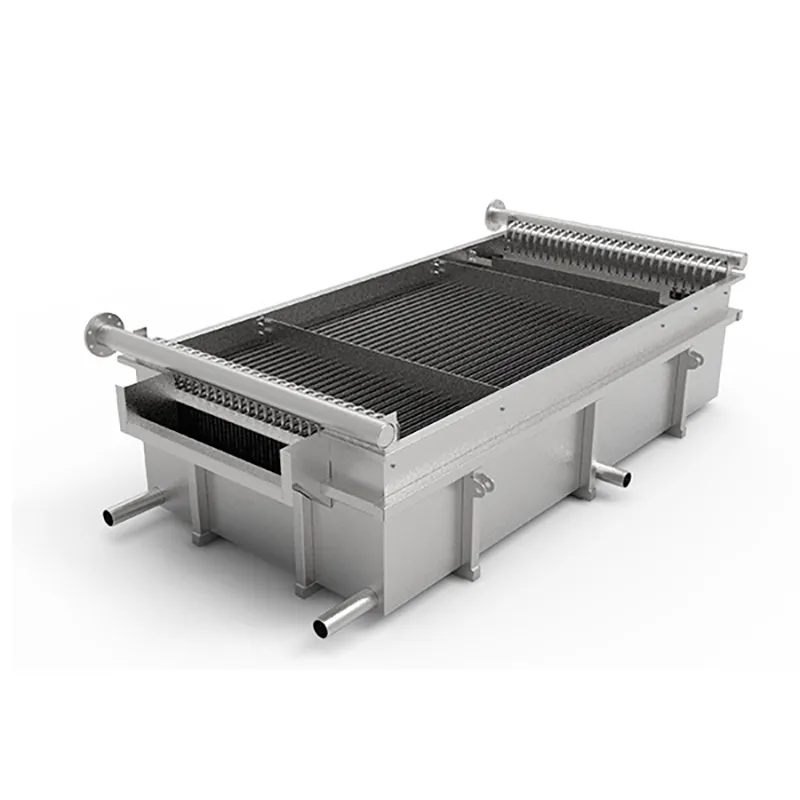
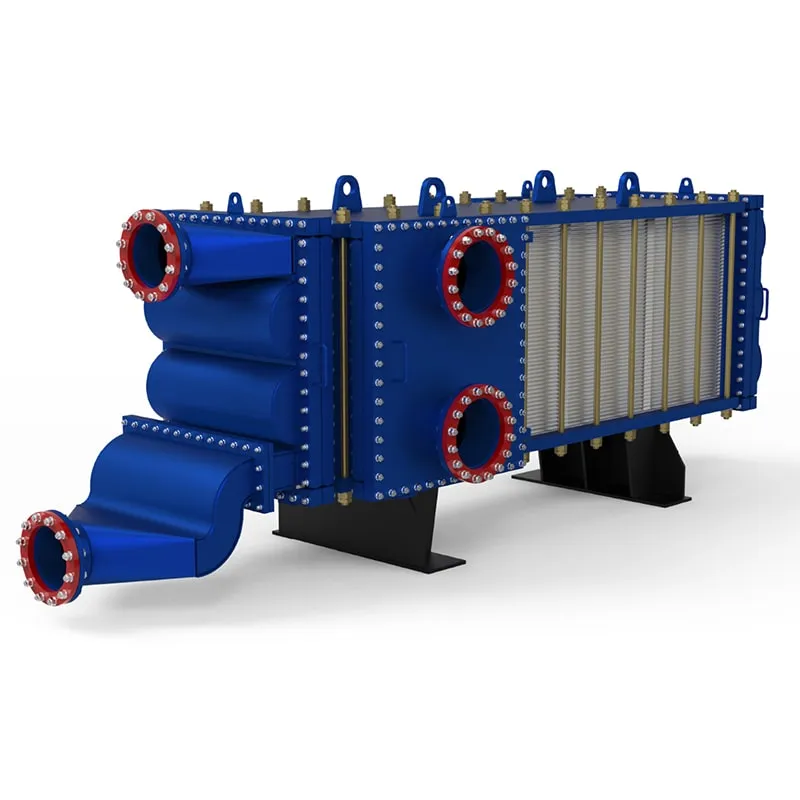
Plate coolers, also known as plate heat exchangers, are widely used in HVAC, food processing, chemical plants, and power generation. Their compact design and high heat transfer coefficients make them a top choice for energy-conscious operations. In 2025, the push for lower carbon footprints and reduced energy bills means selecting a unit with optimal thermal performance is more critical than ever.
For example, a typical gasketed plate heat exchanger can achieve heat transfer coefficients between 3,000 and 7,000 W/m²K, depending on fluid properties and flow rates. This is significantly higher than shell-and-tube designs, which usually range from 500 to 1,500 W/m²K. The result is a smaller footprint and lower material costs for the same duty.
Key Specifications to Evaluate
When shopping for a plate cooler, start with the thermal duty required. This is usually expressed in kilowatts (kW) or British thermal units per hour (BTU/h). Next, check the maximum operating pressure and temperature. Most gasketed plate coolers handle pressures up to 25 bar and temperatures up to 180°C, while welded or brazed versions can go higher.
Plate material is another critical factor. Stainless steel 304 and 316L are common for general applications, offering good corrosion resistance. For aggressive fluids, titanium or Hastelloy plates may be necessary. Gasket materials like EPDM, NBR, and Viton each have different temperature and chemical compatibility ranges. Always match the gasket to your process fluid to avoid leaks and downtime.
Flow configuration also affects efficiency. Counter-current flow provides the highest temperature cross, typically achieving temperature approaches as low as 1°C to 2°C. This is ideal for heat recovery applications. Parallel flow is simpler but less efficient, so it is rarely used in modern designs.
Efficiency Benchmarks and Real Data
In 2025, the industry standard for plate cooler efficiency is often measured by the overall heat transfer coefficient (U-value) and pressure drop. A well-designed unit should have a U-value above 4,000 W/m²K for water-to-water applications. For viscous fluids like oils, expect values around 500 to 1,500 W/m²K.
Pressure drop is equally important. Higher flow rates increase heat transfer but also raise pumping costs. A typical target is to keep pressure drop below 1 bar per pass. Many modern plate coolers use chevron patterns with angles between 30° and 60° to balance turbulence and pressure loss. For example, a 45° chevron pattern offers a good compromise for most water-based systems.
Fouling resistance is another factor. Plate coolers are less prone to fouling than shell-and-tube designs because of the high turbulence and smooth surfaces. However, regular cleaning is still necessary. Some manufacturers now offer wide-gap plate designs that handle fibrous or particulate-laden fluids without clogging, which can extend service intervals by up to 50%.
Material Selection and Longevity
The lifespan of a plate cooler depends heavily on material choice. Stainless steel 316L is a reliable option for most clean water and chemical applications, with a typical service life of 15 to 20 years under proper maintenance. Titanium plates are more expensive but offer excellent resistance to chlorides and seawater, making them ideal for marine or desalination plants.
Gasket replacement is a routine maintenance task. EPDM gaskets work well up to 150°C and are cost-effective. NBR gaskets handle oils and fuels up to 130°C. Viton is suitable for high-temperature and aggressive chemical environments, with a maximum temperature around 200°C. Always verify the gasket material compatibility with your specific process fluids to avoid premature failure.
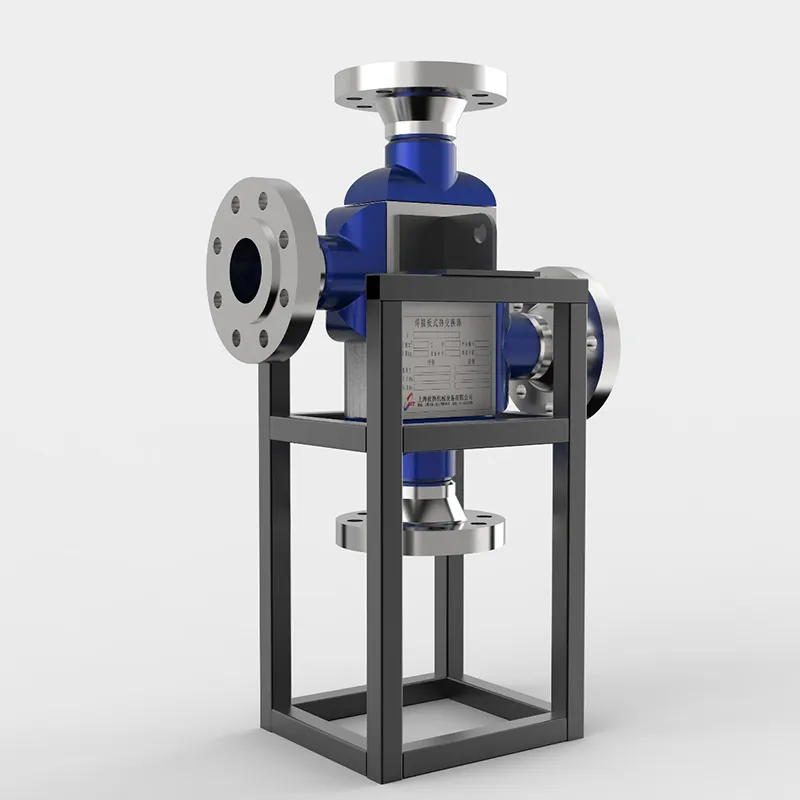
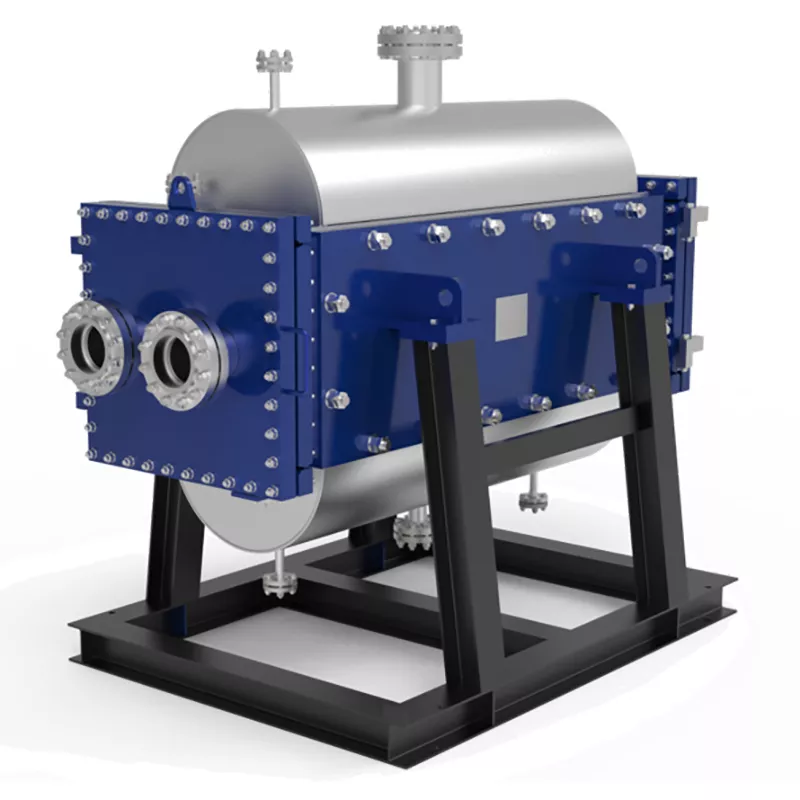
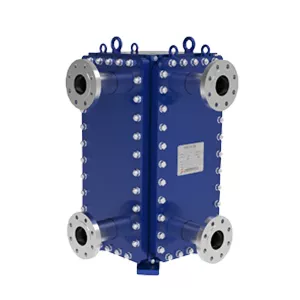
For applications requiring higher pressures or temperatures, consider welded or brazed plate heat exchangers. These units eliminate gaskets entirely, reducing leak risks. Brazed plate coolers are commonly used in refrigeration and heat pump systems, with operating pressures up to 30 bar and temperatures up to 220°C. They are compact and have a long track record of reliability.
Installation and Maintenance Tips
Proper installation is key to achieving rated efficiency. Ensure the unit is mounted with adequate clearance for plate removal and cleaning. Pipe connections should be aligned to avoid stress on the frame. Most manufacturers recommend installing a strainer upstream to protect the plates from debris.
Regular maintenance includes visual inspections for leaks, checking bolt torque, and cleaning plates as needed. For gasketed units, it is good practice to replace gaskets every 3 to 5 years, depending on operating conditions. Cleaning frequency depends on fluid quality; for clean water systems, annual cleaning may suffice, while dirty fluids might require quarterly attention.
Monitoring performance over time helps detect fouling early. A drop in outlet temperature or an increase in pressure drop are clear signs that cleaning is needed. Some advanced units come with built-in sensors for real-time monitoring, but even manual logging of temperatures and pressures once a month can save significant energy costs.
Making Your Final Choice
Start by listing your process requirements: flow rates, inlet and outlet temperatures, allowable pressure drop, and fluid properties. Then compare these against the specifications of available models. Request a thermal design from the supplier to confirm the unit can meet your duty with a reasonable safety margin, typically 10% to 15%.
Consider the total cost of ownership, not just the purchase price. A slightly more expensive unit with higher efficiency and lower maintenance needs can pay for itself within a few years. For example, a plate cooler with a U-value of 5,000 W/m²K instead of 3,500 W/m²K can reduce the required heat transfer area by about 30%, saving on both initial investment and ongoing energy costs.
Finally, check the supplier’s reputation and after-sales support. Reliable manufacturers offer detailed documentation, spare parts availability, and technical assistance. For more detailed product specifications, you can explore options like gasketed plate heat exchangers or welded plate heat exchangers to see which design fits your needs best.

 English EN