Top Pillow Plate Heat Exchanger Applications for Industrial Efficiency
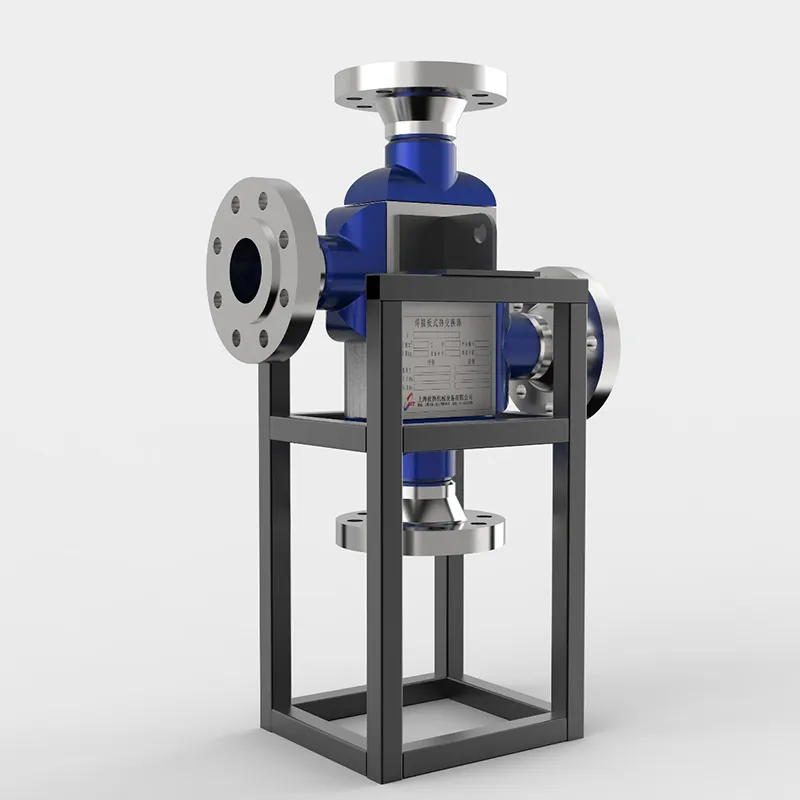
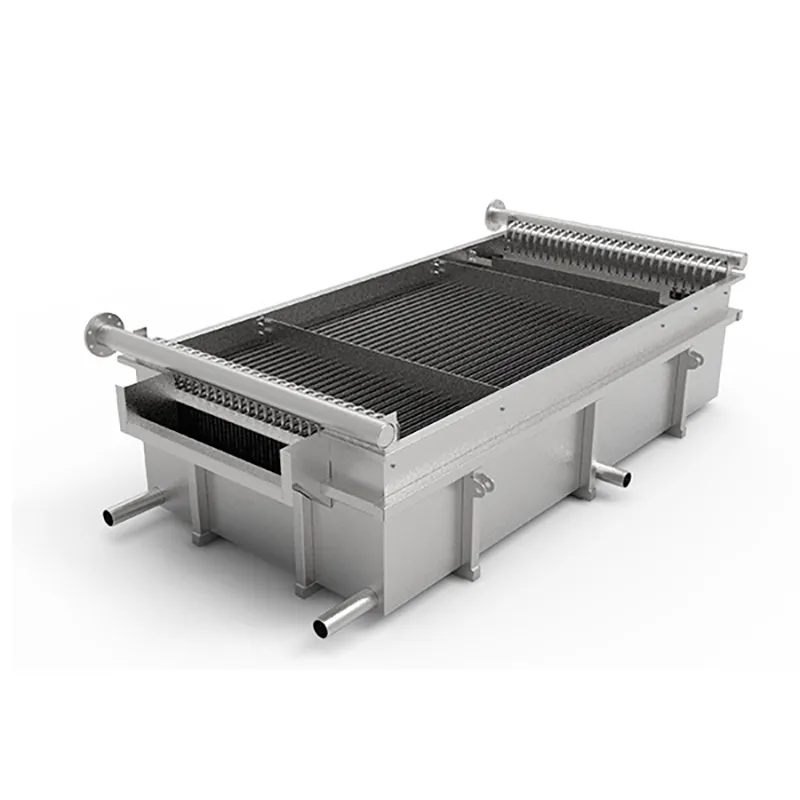
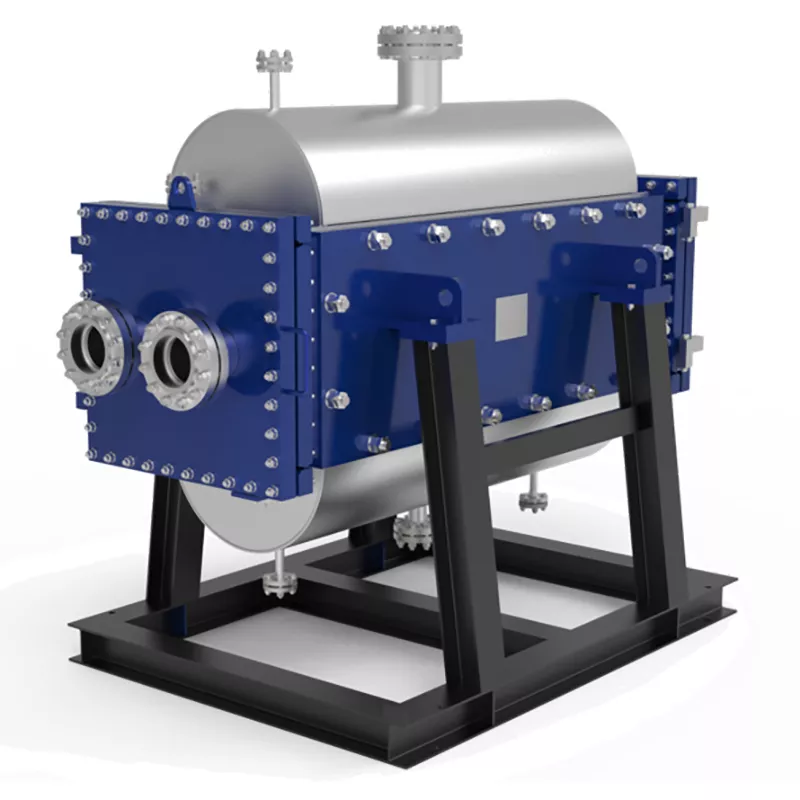
Pillow plate heat exchangers are quietly transforming how industries manage thermal energy. Unlike traditional shell-and-tube or gasketed plate designs, these welded units offer unmatched reliability in demanding environments. From food processing to chemical manufacturing, their dimpled surface creates turbulent flow for superior heat transfer while handling high pressures and temperatures. This article explores real-world applications where pillow plate technology delivers measurable gains in efficiency, maintenance reduction, and operational longevity.
Why Pillow Plate Heat Exchangers Stand Out
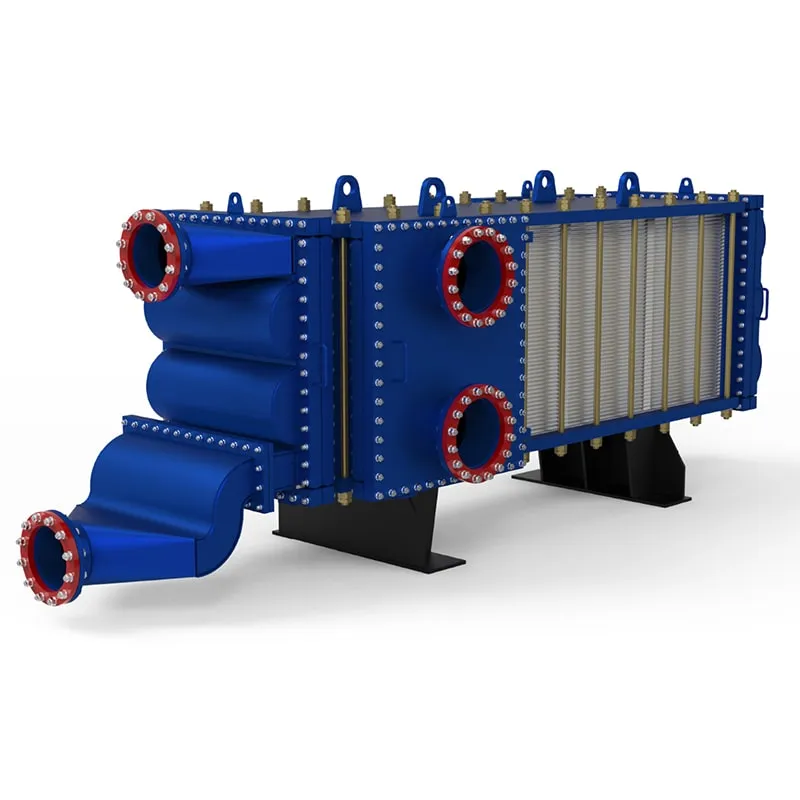
Pillow plate heat exchangers, also known as dimple plate or embossed plate exchangers, are fabricated by welding two metal sheets together along a pattern and then inflating the channels. This creates a robust, all-welded structure with no gaskets or seals to leak. The raised dimples induce turbulence even at low flow rates, which significantly improves the heat transfer coefficient compared to smooth surfaces. Industries that deal with aggressive fluids, high pressures up to 30 bar, or temperatures exceeding 300°C find these units particularly valuable. Their compact footprint also saves valuable floor space in crowded plants.
Key Industrial Applications
1. Chemical Processing and Reactor Temperature Control
In chemical plants, precise temperature control is critical for reaction rates and product quality. Pillow plate heat exchangers are often used as internal heating or cooling coils inside reactors and vessels. Their all-welded construction eliminates the risk of cross-contamination between the process fluid and the utility medium. For example, a specialty chemical manufacturer replaced a shell-and-tube exchanger with a pillow plate unit and reported a 22% improvement in heat transfer efficiency while reducing cleaning frequency by half due to the smooth, crevice-free surface.
2. Food and Beverage Processing
Hygiene is paramount in food processing. Pillow plate heat exchangers meet 3-A sanitary standards and are widely used for pasteurizing milk, heating cooking oils, or cooling beer wort. The dimpled design allows for efficient heat transfer with viscous products like tomato paste or chocolate. A dairy plant in the Midwest uses pillow plate units for milk pasteurization and has achieved a 15% reduction in energy consumption compared to their previous plate-and-frame exchangers, with no gasket replacement costs over three years of operation.
3. HVAC and District Energy Systems
For large-scale heating and cooling networks, reliability is non-negotiable. Pillow plate heat exchangers serve as economizers, heat recovery units, and condenser/reboiler systems. Their ability to handle thermal cycling without leaking makes them ideal for district heating substations. A university campus in Scandinavia installed pillow plate exchangers in their district cooling loop and saw a 30% decrease in maintenance downtime over five years, thanks to the elimination of gasket failures common in traditional plate exchangers.
4. Renewable Energy and Heat Recovery
Waste heat recovery is a growing priority across industries. Pillow plate heat exchangers are used in biogas plants to preheat feedstock, in solar thermal systems as absorbers, and in geothermal loops. Their high surface area-to-volume ratio maximizes heat capture in limited spaces. A biomass power plant in Germany integrated pillow plate units into their flue gas heat recovery system and recovered an additional 8% of thermal energy, translating to significant fuel savings annually.
Real Performance Data
Field data from multiple installations confirms that pillow plate heat exchangers consistently deliver heat transfer coefficients in the range of 1,500 to 4,500 W/m²K, depending on fluid properties and flow conditions. Pressure drops are typically 30-50% lower than equivalent shell-and-tube designs for the same duty. Maintenance intervals are extended by 2-3 times because there are no gaskets to replace and the smooth surfaces resist fouling. For a typical chemical plant running 8,000 hours per year, switching to pillow plate technology can yield annual savings of $15,000 to $40,000 in energy and maintenance costs.
Choosing the Right Design for Your Process
Not all pillow plate heat exchangers are the same. Factors like plate material (stainless steel 316L, Hastelloy, titanium), channel geometry, and connection type must match your process conditions. For high-fouling applications, a wide-gap design allows larger particles to pass through without clogging. For extreme pressures, a welded block configuration offers additional strength. Consulting with an experienced engineer who can simulate your specific thermal duty is always recommended. Many manufacturers now offer custom-engineered solutions tailored to unique process requirements.
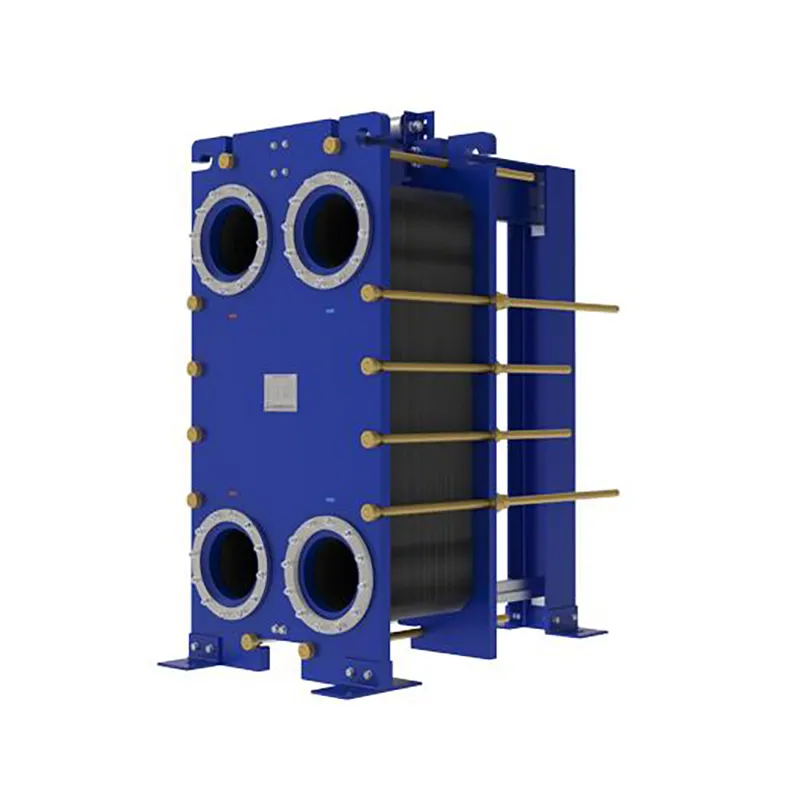
To explore specific product configurations and technical specifications, you can review custom-engineered pillow plate options or learn about wide-gap welded plate heat exchangers for challenging fluids. For applications requiring extreme cleanliness, the gasketed plate heat exchanger page provides additional context on when gasketed designs are still preferred.

 English EN