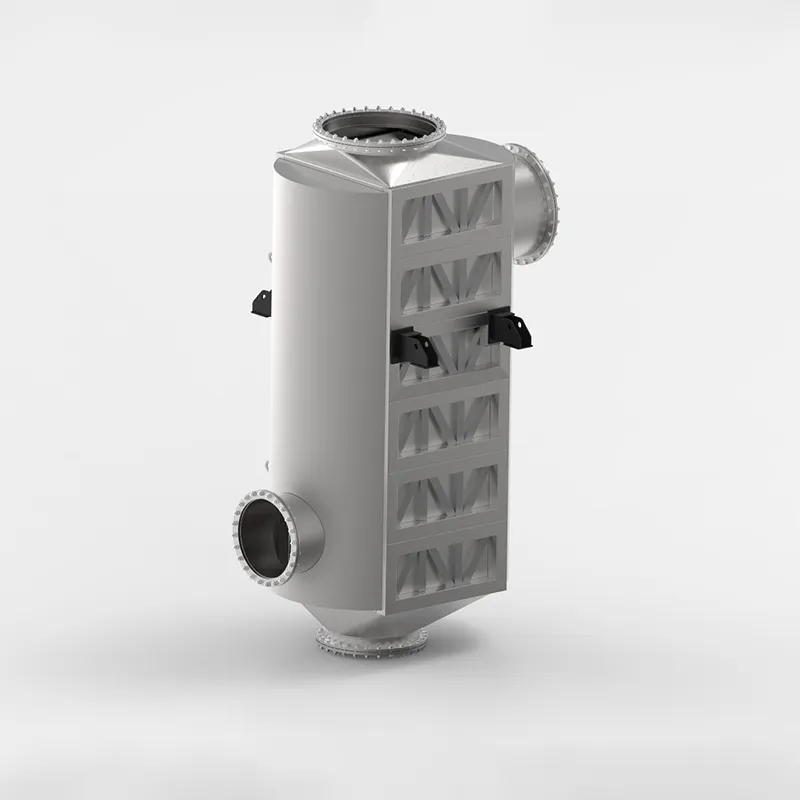
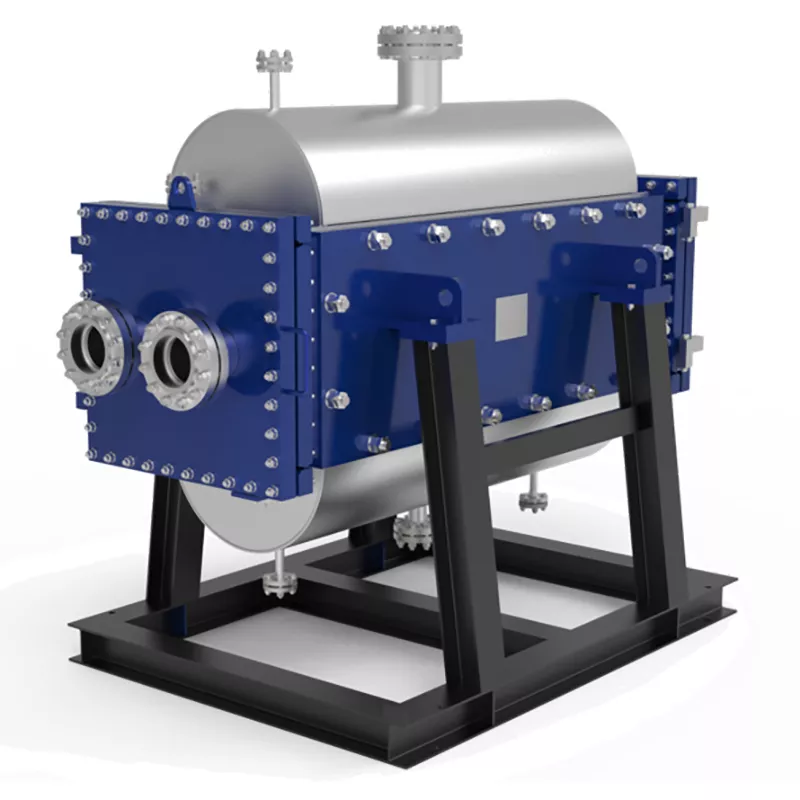
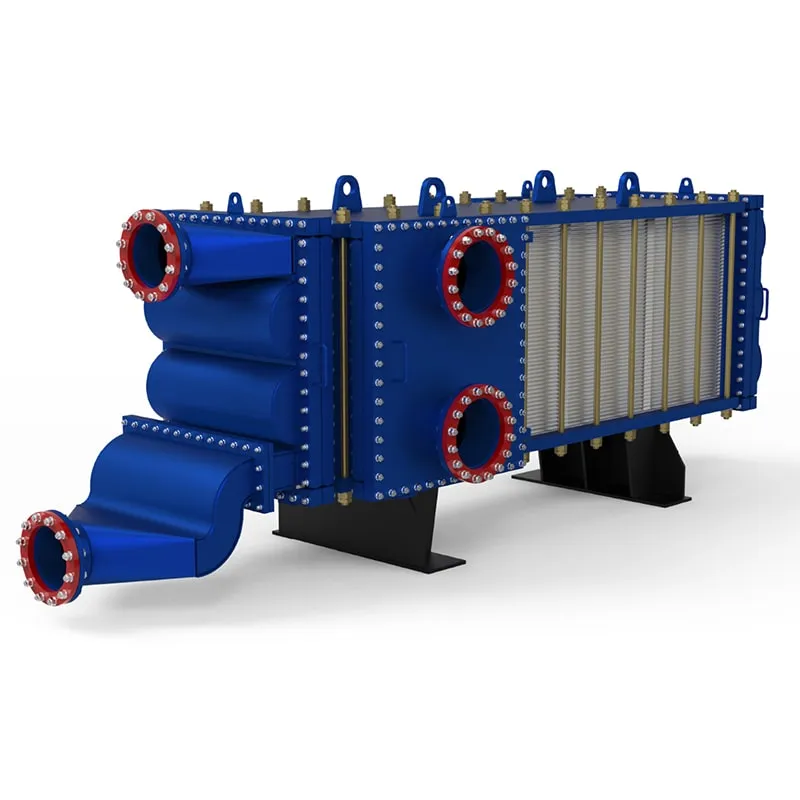
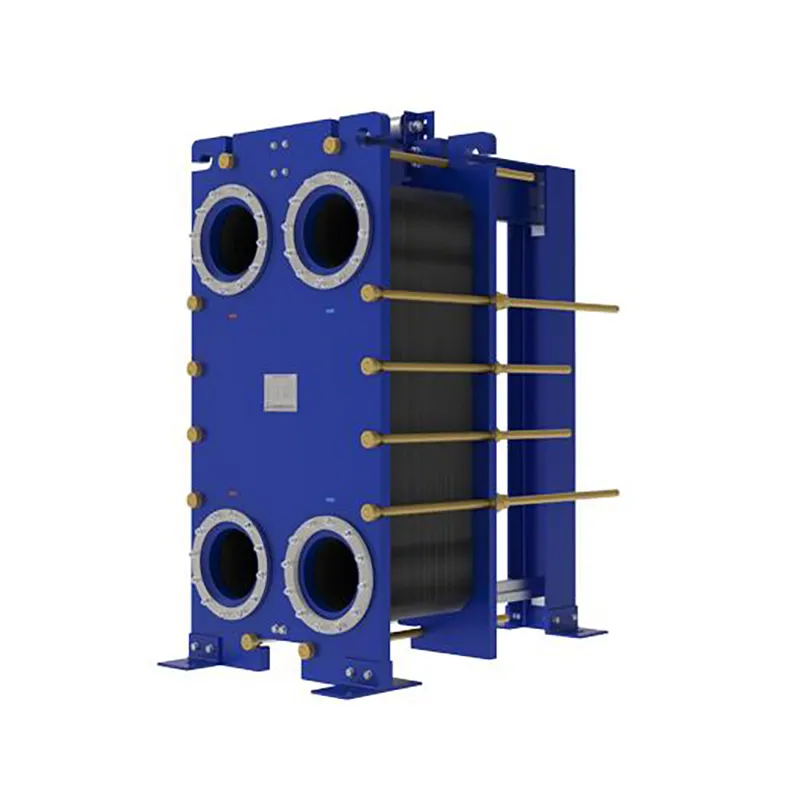
Pillow plate heat exchangers are a versatile and efficient solution for industrial heat transfer, offering superior performance in applications ranging from chemical processing to food and beverage production. This article explores the top applications of pillow plate heat exchangers, highlighting their unique design benefits, such as enhanced heat transfer coefficients, compact footprint, and resistance to fouling. Whether you are optimizing a reactor cooling system or improving energy recovery in a distillation column, understanding these applications can help you make informed decisions for your industrial processes.
1. Chemical Processing and Reactor Temperature Control
In chemical plants, precise temperature management is critical for reaction yields and safety. Pillow plate heat exchangers are widely used as internal coils or external jackets for reactors. Their dimpled surface creates turbulent flow, which improves heat transfer efficiency by up to 30% compared to traditional straight-tube designs. For example, in batch reactors processing viscous polymers, pillow plates reduce fouling and allow for easier cleaning, minimizing downtime. Many facilities have reported a 15-20% reduction in energy consumption after switching to pillow plate systems for exothermic reaction cooling.
2. Food and Beverage Processing
The food industry demands hygienic and efficient heat transfer solutions. Pillow plate heat exchangers excel in pasteurization, sterilization, and cooling of products like milk, juices, and sauces. Their smooth, crevice-free surfaces meet sanitary standards and resist bacterial growth. In a typical dairy pasteurization line, a pillow plate unit can handle flow rates of 10,000 liters per hour while maintaining a temperature differential of just 2°C. This precision ensures product quality and extends shelf life. Additionally, the compact design saves valuable floor space in processing plants.
3. HVAC and Refrigeration Systems
In commercial and industrial HVAC applications, pillow plate heat exchangers are used as evaporators and condensers. Their high surface-area-to-volume ratio allows for efficient heat transfer in chillers and heat pumps. For instance, a 500 kW refrigeration system using pillow plate technology can achieve a coefficient of performance (COP) of 4.5, reducing electricity costs by approximately 25% compared to older shell-and-tube designs. The robust construction also handles pressure fluctuations common in large-scale cooling loops.
4. Renewable Energy and Heat Recovery
Pillow plate heat exchangers play a vital role in solar thermal systems and waste heat recovery units. In concentrated solar power plants, they are used as heat exchangers in molten salt storage systems, operating at temperatures up to 400°C. The pillow plate design withstands thermal cycling without cracking, ensuring long-term reliability. For industrial exhaust gas recovery, these units can capture up to 60% of waste heat, preheating incoming air or water. A cement plant retrofitting with pillow plate recuperators saved over 1.2 million kWh annually.
5. Pharmaceutical and Biotechnology Applications
In pharmaceutical manufacturing, maintaining sterile conditions and precise temperature profiles is non-negotiable. Pillow plate heat exchangers are used in bioreactors for cell culture media heating and cooling. Their gentle heat transfer prevents thermal shock to sensitive biological materials. A typical application involves a 2,000-liter bioreactor where a pillow plate jacket maintains a temperature of 37°C ±0.5°C during fermentation. The design also supports clean-in-place (CIP) and steam-in-place (SIP) procedures, meeting FDA and GMP requirements.
6. Oil and Gas Industry
For upstream and downstream oil and gas operations, pillow plate heat exchangers handle demanding conditions such as high pressure (up to 30 bar) and corrosive fluids. They are commonly used in crude oil heating, gas cooling, and produced water treatment. In a natural gas processing plant, a pillow plate unit can cool 50,000 kg/h of gas from 120°C to 40°C with a pressure drop of only 0.5 bar. The welded construction eliminates gasket leaks, reducing maintenance costs by 40% compared to gasketed plate exchangers.
7. Marine and Offshore Applications
On ships and offshore platforms, space and weight are at a premium. Pillow plate heat exchangers offer a lightweight and compact solution for engine cooling, hydraulic oil cooling, and freshwater generation. A marine engine cooling system using pillow plates can reduce weight by 50% compared to conventional shell-and-tube units while providing the same heat duty. Their resistance to vibration and seawater corrosion makes them ideal for harsh marine environments, with a service life exceeding 15 years in many installations.

 English EN