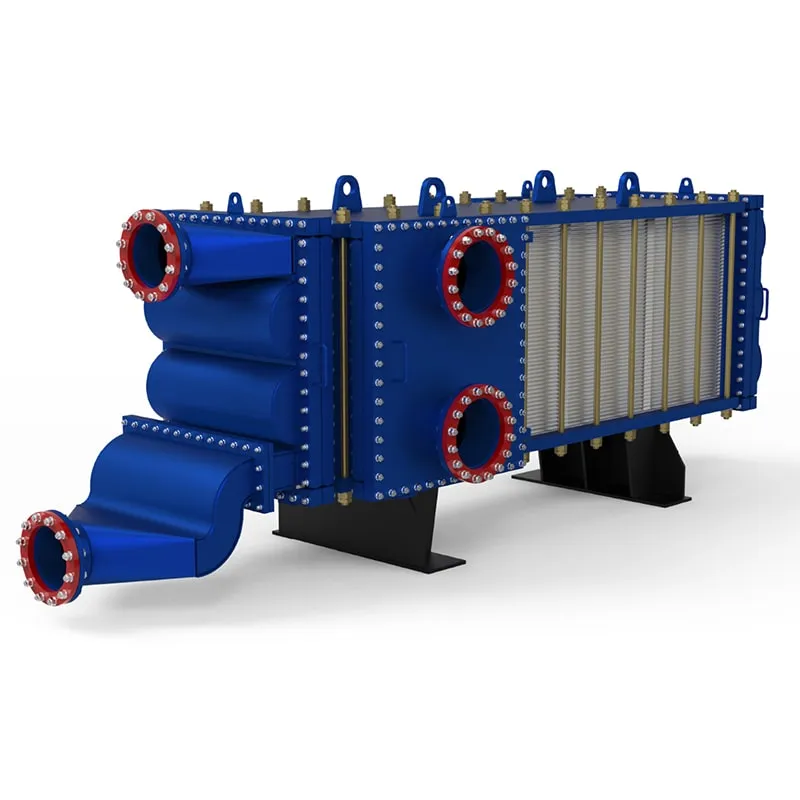
Top Compact Heat Exchanger Applications for Maximum Efficiency

Compact heat exchangers are essential in modern thermal management, offering high heat transfer rates within a small footprint. From chemical processing to HVAC systems, these units help industries cut energy costs and improve operational reliability. This article explores real-world applications where compact heat exchangers deliver maximum efficiency, backed by proven engineering data.

Chemical and Petrochemical Processing

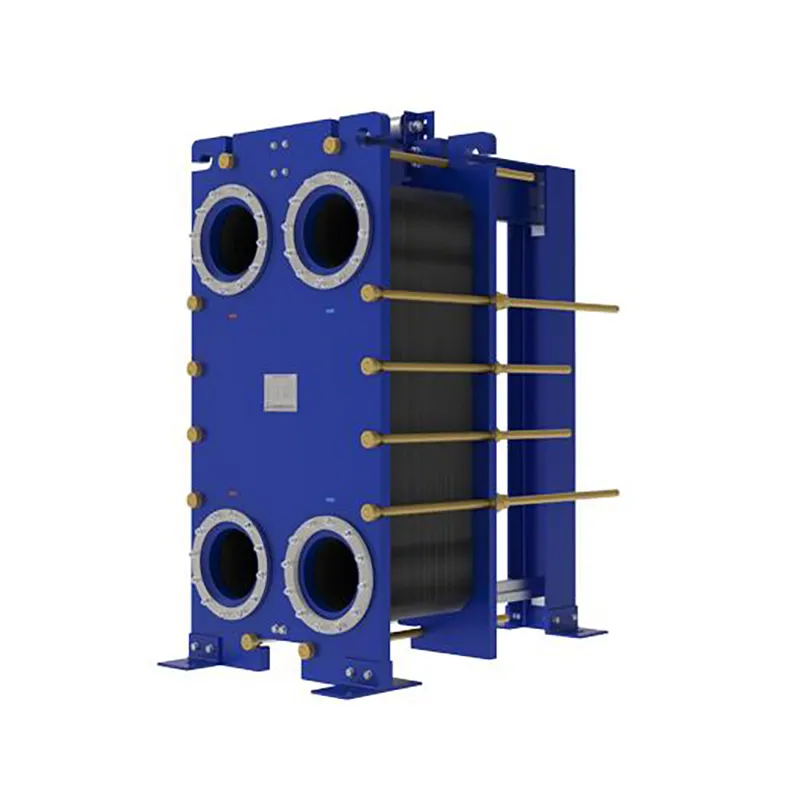
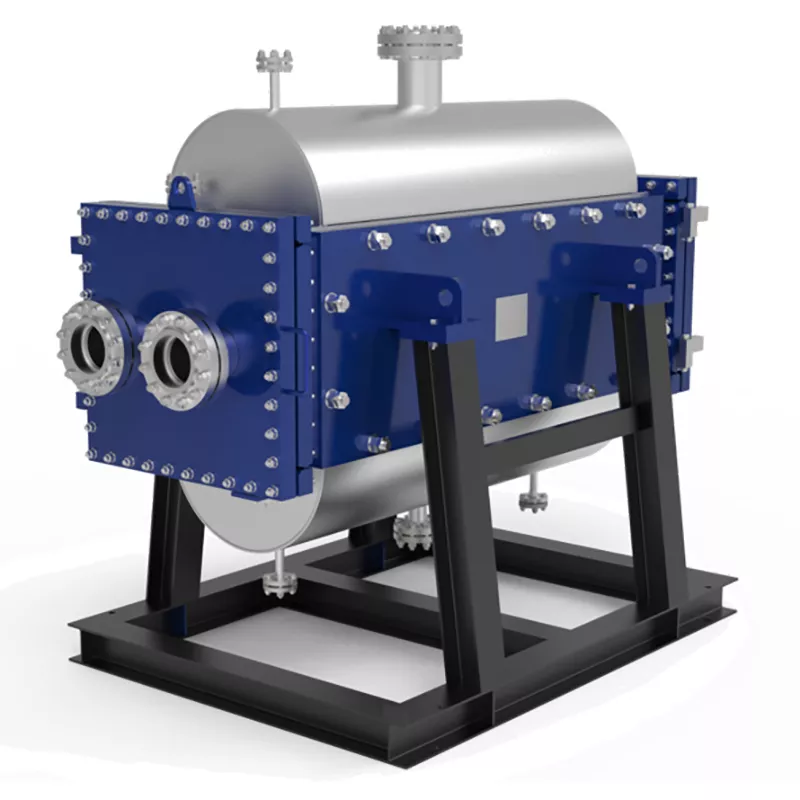
In chemical plants, compact heat exchangers are widely used for heating, cooling, and condensing process fluids. For example, gasketed plate heat exchangers handle corrosive chemicals with titanium or Hastelloy plates, achieving heat transfer coefficients up to 7,000 W/m²·K. This reduces required surface area by 40% compared to shell-and-tube designs, directly lowering capital and maintenance costs. Many refineries rely on wide-gap welded plate heat exchangers to manage viscous fluids and slurries without fouling.

Compact heat exchanger used in chemical processing

HVAC and Refrigeration Systems

Commercial buildings and industrial facilities use compact brazed plate heat exchangers in chillers and heat pumps. These units can handle pressure drops as low as 0.5 bar while maintaining a temperature approach of 1°C. For instance, a typical 500 kW chiller using a compact exchanger saves about 12% in compressor energy annually. The HT-Bloc welded plate heat exchanger is particularly effective in high-temperature heat recovery loops, operating reliably at 350°C and 30 bar.

Power Generation and Waste Heat Recovery

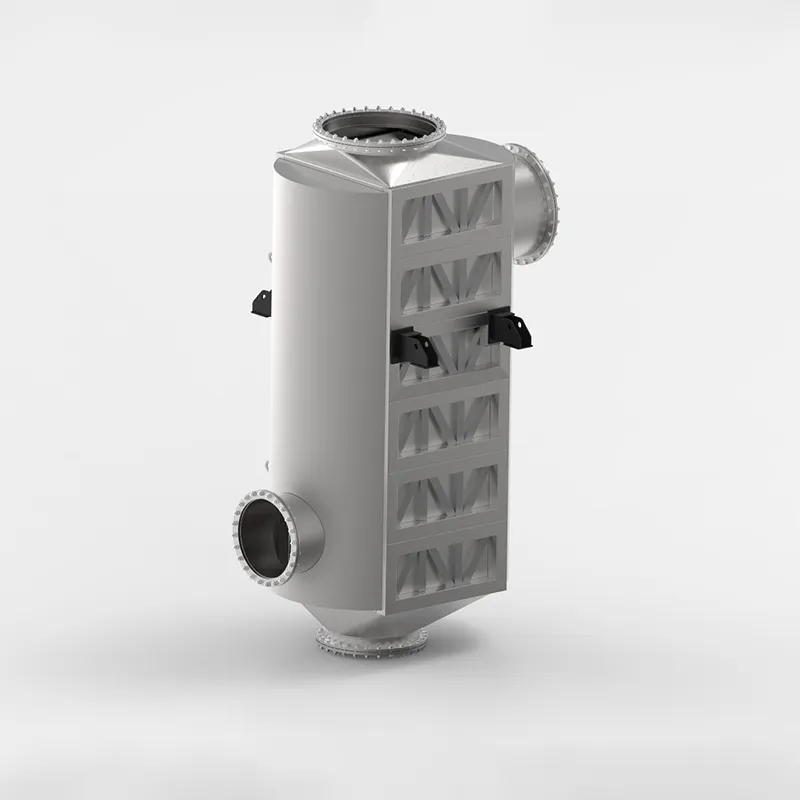
In combined heat and power (CHP) plants, compact heat exchangers capture exhaust heat from gas turbines or engines. Printed circuit heat exchangers (PCHEs) are a top choice here, with channels as small as 1 mm that allow heat transfer rates exceeding 10,000 W/m²·K. A 2 MW CHP unit using a PCHE can recover up to 85% of waste heat, boosting overall system efficiency to over 90%. For larger installations, custom-engineered printed circuit heat exchangers are designed to match specific temperature and pressure profiles.

Compact heat exchanger in power generation

Food and Beverage Industry

Sanitary requirements in food processing demand heat exchangers that are easy to clean and resistant to corrosion. Gasketed plate heat exchangers with 316L stainless steel plates are common for pasteurizing milk, juice, and beer. They achieve a heat transfer coefficient of 5,500 W/m²·K while maintaining product integrity. A dairy plant processing 50,000 liters per day can reduce cleaning downtime by 30% using a compact design with 2 mm plate gaps. The gasketed plate heat exchangers from reliable manufacturers offer full access for inspection and maintenance.

Pharmaceutical and Biotechnology

Precise temperature control is critical in pharmaceutical reactors and fermenters. Compact welded plate heat exchangers provide contamination-free operation with no gaskets or dead zones. They handle ultra-pure water and solvents at flow rates from 1 to 100 m³/h. For example, a biotech facility using a pillow plate heat exchanger for jacketed reactor cooling achieved a 20% faster ramp-down time compared to traditional coils. Explore custom-engineered pillow plates for tailored heat transfer surfaces in sterile environments.

Marine and Offshore Applications

On ships and oil platforms, space and weight are at a premium. Compact heat exchangers made from titanium or duplex stainless steel resist seawater corrosion while delivering high efficiency. A typical offshore cooling system uses a TP welded plate heat exchanger that is 60% lighter than a shell-and-tube equivalent. These units handle pressures up to 25 bar and temperatures of 200°C, making them ideal for engine jacket water cooling and hydraulic oil cooling. The TP welded plate heat exchanger is a robust choice for demanding marine environments.

Renewable Energy Systems

Solar thermal plants and geothermal systems benefit from compact heat exchangers that maximize heat transfer in limited spaces. For instance, a 1 MW solar farm using a custom-engineered plate air preheater can increase thermal efficiency by 15% by preheating working fluid before it enters the collector. Similarly, ground-source heat pumps use compact brazed exchangers to achieve coefficients of performance (COP) above 4.5. Check out custom-engineered plate air preheaters for optimized performance in renewable energy setups.

Key Performance Metrics

Across all these applications, compact heat exchangers consistently deliver thermal effectiveness above 90%, with pressure drops typically under 1 bar. Their modular design allows easy scaling from 10 kW to 10 MW. When selecting a unit, consider factors like fluid compatibility, operating temperature range, and maintenance access. With proper sizing, these exchangers can reduce energy consumption by 20–30% compared to conventional alternatives, making them a smart investment for any efficiency-focused operation.

Related Products

We provide you with comprehensive foreign trade solutions to help enterprises achieve global development

‌TP Welded Plate Heat Exchanger

Industrial processes involving particle-laden slurries, high-viscosity syrups, or fiber-rich pulp demand more than standard equipment—they require target-engineered thermal management. At SHPHE, we configure the TP Welded Plate Heat Exchanger to directly conquer your plant's severe fouling, blockage, and erosion threats. Combining custom-tailored channel geometries, wear-resistant metallurgy, and integrated CIP (Cleaning-in-Place) systems, we deliver absolute production continuity where conventional heat exchangers fail.

Heat Exchangers

‌HT-Bloc Welded Plate Heat Exchanger

Custom-Engineered for Severe Process Demands. At SHPHE, we don't just supply equipment; we design tailored thermal solutions. Our HT-Bloc welded plate heat exchangers are custom-configured by our experienced engineers to overcome your specific industry challenges—whether handling high-viscosity media, extreme temperatures, or strict space constraints.

Heat Exchangers

Wide Gap Welded Plate Heat Exchanger for Viscous Fluids

Custom-Engineered Anti-Clogging Solutions for High-Viscosity Slurries: Deployed specifically to conquer severe industrial fouling, SHPHE wide gap welded plate heat exchangers are tailor-built to handle complex media containing dense fibers, coarse crystals, or solid suspensions without clogging. Each non-obstructed channel is calculated and formed by laser-welded plate packs matching your fluid’s exact rheology and grain size, completely eliminating structural "dead zones" and media stagnation. Available in highly compact vertical and versatile horizontal configurations, our vertical engineering drastically reduces plant footprints while maintaining unhindered product throughput, minimal pressure drops, and flawless continuous operations across harsh process loops.

Heat Exchangers

Custom-Engineered Gasketed Plate Heat Exchangers

Since the invention of the plate heat exchanger (PHE) in 1923, thermal technology has evolved from standard food-grade processing to highly complex industrial operations. At SHPHE, we take this classic, versatile design and transform it into highly bespoke heat transfer solutions tailored to your unique process fluids and thermal loads. While traditional gasketed PHEs offer high efficiency and compact footprints, SHPHE optimizes plate corrugations, metallurgy, and sealing systems to handle your specific chemical, HVAC, or energy recovery parameters. Our custom-engineered gasketed plate heat exchangers provide outstanding scalability and ease of maintenance, serving as an indispensable asset for heavy industries—including oil and gas, metallurgy, and food processing—where uptime, energy recovery, and long-term sustainability are top priorities.

Heat Exchangers
SHPHE has complete quality assurance system from design, manufacturing, inspection and delivery. It is certified with ISO9001, ISO14001, OHSAS18001 and hold ASME U Certificate.
© 2005-2026 Shanghai Heat Transfer - Privacy Policy