English EN


What Are The Different Types of Plate Heat Exchangers
Plate Heat Exchangers include gasketed, brazed, welded, semi-welded, shell and plate, and specialty types for varied industrial uses.
More
Plate heat exchangers are a cornerstone of modern industrial thermal management, offering compact design and high heat transfer rates. These devices use a series of corrugated metal plates to transfer heat between two fluids, making them ideal for applications ranging from HVAC to chemical processing. With real-world data showing up to 40% energy savings compared to traditional shell-and-tube units, they help facilities reduce operational costs while maintaining precise temperature control. This article explores the key advantages that make plate heat exchangers a smart choice for improving industrial efficiency.
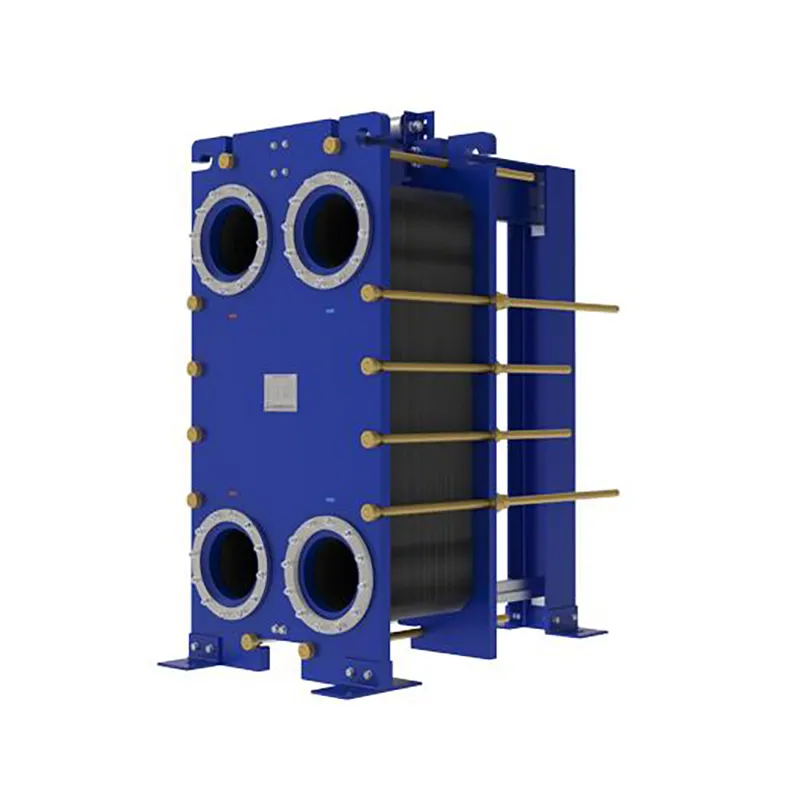
Plate heat exchangers achieve thermal efficiency rates of 90% or higher, significantly outperforming many conventional designs. This is due to the turbulent flow created by the corrugated plate patterns, which disrupts boundary layers and maximizes surface contact between fluids. For example, in a typical food processing plant, switching from a shell-and-tube unit to a gasketed plate heat exchanger reduced energy consumption by 35% while maintaining product quality. The compact plate arrangement also allows for closer temperature approaches, often within 1°C, enabling more precise process control.
This efficiency translates directly into lower utility bills and reduced carbon footprint. Many facilities report payback periods of under two years after upgrading to plate heat exchangers, thanks to the immediate drop in heating and cooling loads. For industries like gasketed plate heat exchangers, the design also minimizes fouling, keeping performance consistent over time.
One of the most practical benefits is the small footprint. A plate heat exchanger can occupy up to 80% less floor space than a shell-and-tube unit with equivalent capacity, making it ideal for retrofitting into existing plants. The modular construction allows easy capacity adjustments—adding or removing plates changes the heat transfer area without replacing the entire unit. This flexibility is especially valuable in industries with fluctuating production demands, such as beverage manufacturing or pharmaceutical processing.
For example, a chemical facility using TP welded plate heat exchangers was able to increase throughput by 20% simply by adding a few extra plates to the existing frame, avoiding costly downtime and new equipment purchases. The compact size also simplifies installation, reducing labor and material costs for piping and supports.
Plate heat exchangers are designed for easy cleaning and inspection. The gasketed versions allow full access to all heat transfer surfaces by simply unbolting the frame, which reduces maintenance downtime. In a typical HVAC system, cleaning a plate heat exchanger takes a few hours, compared to a full day for a shell-and-tube unit. This accessibility also helps prevent cross-contamination in sanitary applications, such as dairy or brewery operations.
Real-world data from a district heating network showed that using wide gap welded plate heat exchangers reduced annual maintenance costs by 25% due to fewer fouling issues and simpler cleaning procedures. Additionally, the lower pressure drop across the plates means pumps consume less energy, further cutting operational expenses. Many units also feature corrosion-resistant materials like stainless steel or titanium, extending service life beyond 15 years with proper care.
From power generation to food processing, plate heat exchangers adapt to a wide range of fluids and temperatures. They handle viscous liquids, slurries, and even aggressive chemicals when constructed with appropriate materials. For high-temperature applications, HT Bloc welded plate heat exchangers operate reliably at up to 400°C, while custom-engineered units like printed circuit heat exchangers handle extreme pressures in oil and gas applications.
A case study from a renewable energy plant using custom-engineered pillow plates demonstrated a 30% improvement in heat recovery from geothermal brine compared to traditional methods. This versatility means engineers can select the exact plate geometry and material to match their process needs, ensuring optimal performance without over-engineering.
By improving heat recovery and reducing energy waste, plate heat exchangers support sustainability goals. Many industrial facilities have cut their greenhouse gas emissions by 15-25% after upgrading to these units. The efficient heat transfer also reduces the load on boilers and chillers, extending their lifespan and lowering replacement costs.
For instance, a textile mill using custom-engineered plate air preheaters recovered waste heat from exhaust gases, cutting natural gas consumption by 40% annually. This not only saved money but also helped the company meet stricter environmental regulations. The compact design also uses less material to manufacture, reducing the overall carbon footprint of the equipment itself.
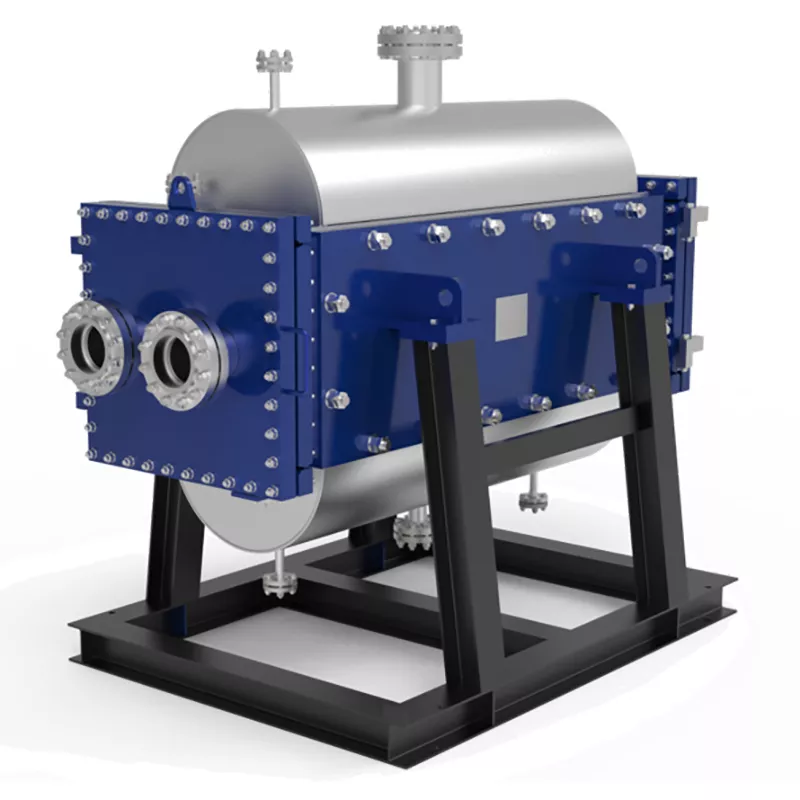
Plate heat exchangers deliver tangible benefits for industrial efficiency: higher heat transfer rates, smaller space requirements, lower maintenance costs, and broad application flexibility. With proven energy savings of 30-40% in many installations, they are a reliable investment for any facility looking to optimize thermal processes. Whether you are upgrading an existing system or designing a new plant, these units offer a practical path to better performance and sustainability.
We provide you with comprehensive foreign trade solutions to help enterprises achieve global development
Since the invention of the plate heat exchanger (PHE) in 1923, thermal technology has evolved from standard food-grade processing to highly complex industrial operations. At SHPHE, we take this classic, versatile design and transform it into highly bespoke heat transfer solutions tailored to your unique process fluids and thermal loads. While traditional gasketed PHEs offer high efficiency and compact footprints, SHPHE optimizes plate corrugations, metallurgy, and sealing systems to handle your specific chemical, HVAC, or energy recovery parameters. Our custom-engineered gasketed plate heat exchangers provide outstanding scalability and ease of maintenance, serving as an indispensable asset for heavy industries—including oil and gas, metallurgy, and food processing—where uptime, energy recovery, and long-term sustainability are top priorities.
Industrial processes involving particle-laden slurries, high-viscosity syrups, or fiber-rich pulp demand more than standard equipment—they require target-engineered thermal management. At SHPHE, we configure the TP Welded Plate Heat Exchanger to directly conquer your plant's severe fouling, blockage, and erosion threats. Combining custom-tailored channel geometries, wear-resistant metallurgy, and integrated CIP (Cleaning-in-Place) systems, we deliver absolute production continuity where conventional heat exchangers fail.
Custom-Engineered for Severe Process Demands. At SHPHE, we don't just supply equipment; we design tailored thermal solutions. Our HT-Bloc welded plate heat exchangers are custom-configured by our experienced engineers to overcome your specific industry challenges—whether handling high-viscosity media, extreme temperatures, or strict space constraints.
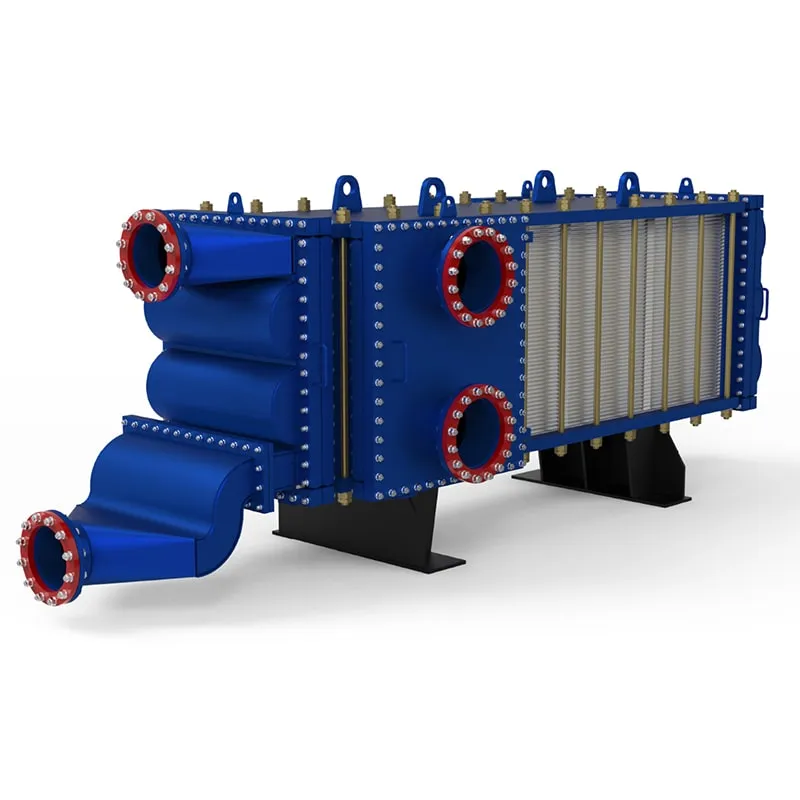
Custom-Engineered Anti-Clogging Solutions for High-Viscosity Slurries:
Deployed specifically to conquer severe industrial fouling, SHPHE wide gap welded plate heat exchangers are tailor-built to handle complex media containing dense fibers, coarse crystals, or solid suspensions without clogging. Each non-obstructed channel is calculated and formed by laser-welded plate packs matching your fluid’s exact rheology and grain size, completely eliminating structural "dead zones" and media stagnation. Available in highly compact vertical and versatile horizontal configurations, our vertical engineering drastically reduces plant footprints while maintaining unhindered product throughput, minimal pressure drops, and flawless continuous operations across harsh process loops.