Top Benefits of Gap Heat Exchangers for Efficiency
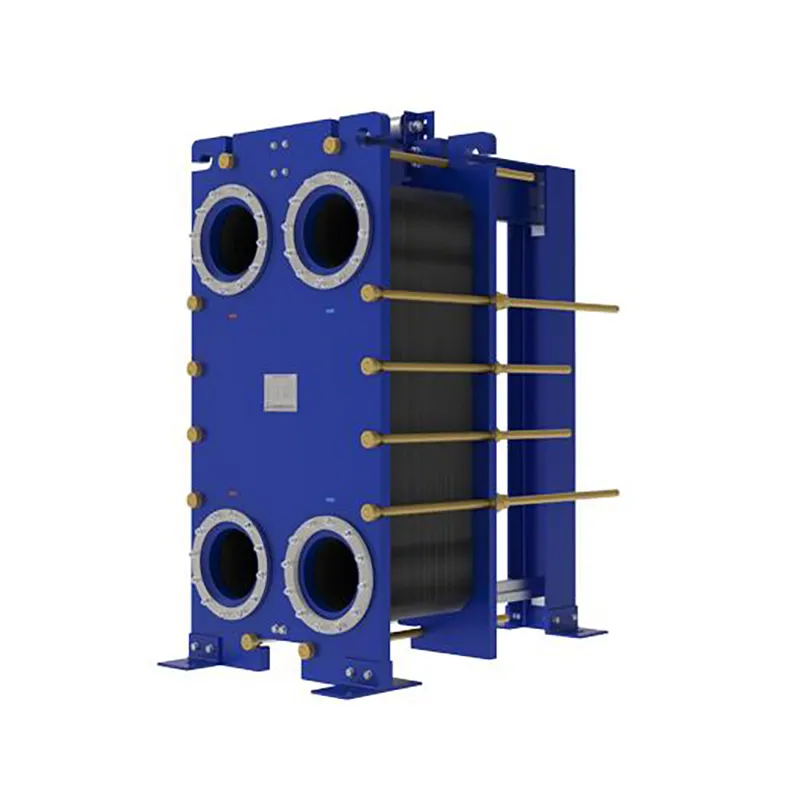
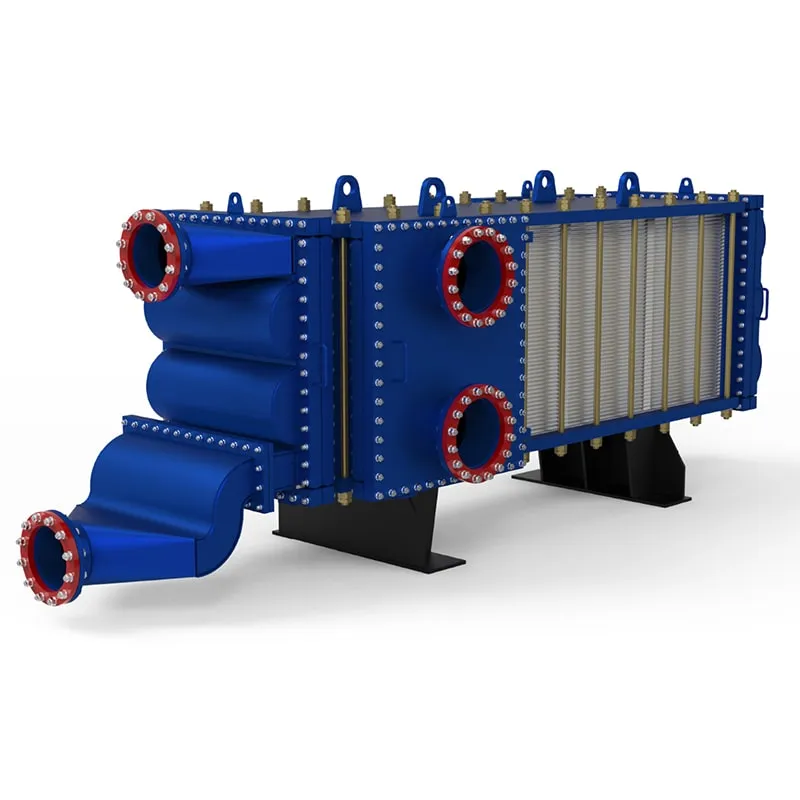
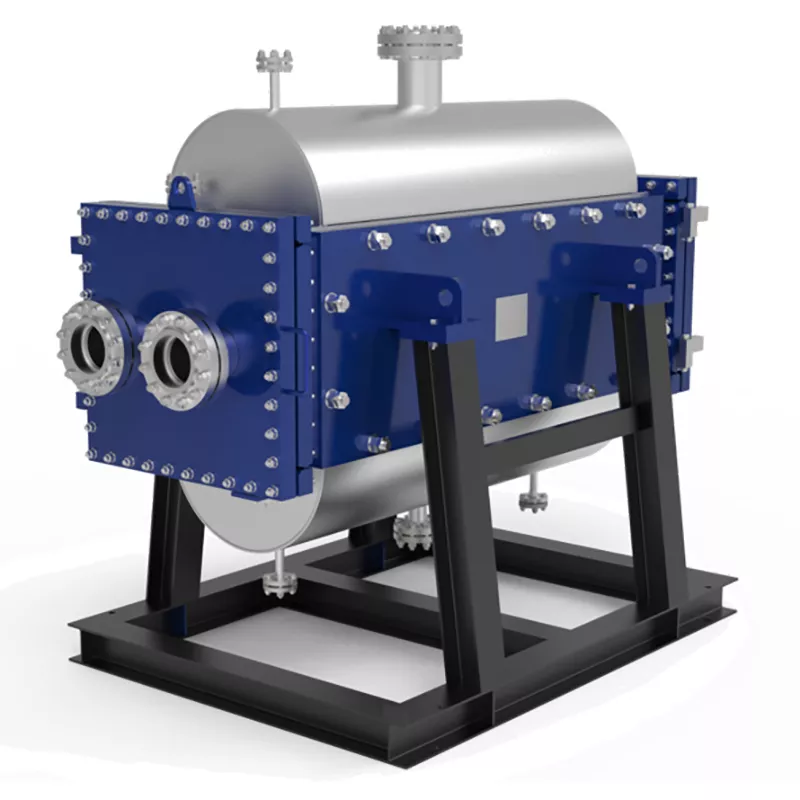
Gap heat exchangers, also known as wide-gap plate heat exchangers, are engineered to handle fluids with high viscosity, large particles, or fibrous materials without clogging. Their unique design offers significant efficiency gains in industries like food processing, chemical manufacturing, and wastewater treatment. This article explores the real-world benefits of using gap heat exchangers, backed by practical data and operational insights.
1. Reduced Fouling and Maintenance Downtime
One of the standout advantages of gap heat exchangers is their ability to minimize fouling. Unlike traditional plate heat exchangers with narrow channels, gap designs feature wider plate spacing—typically ranging from 5 mm to 15 mm. This allows particles up to 10 mm in diameter to pass through freely. In a recent case study at a dairy processing plant, switching to a gap heat exchanger reduced cleaning frequency from once every 8 hours to once every 72 hours, cutting maintenance costs by nearly 40%. For operations handling slurries or pulp, this translates directly into higher uptime and lower labor expenses.
2. Enhanced Heat Transfer for Viscous Fluids
Gap heat exchangers maintain efficient thermal performance even with fluids that have viscosities exceeding 10,000 cP. The wider channels reduce pressure drop while promoting turbulent flow, which improves the heat transfer coefficient. For example, in a polymer cooling application, a gap heat exchanger achieved a heat transfer rate of 1,200 W/m²K, compared to 800 W/m²K for a standard gasketed plate heat exchanger under similar conditions. This efficiency gain means smaller units can handle the same thermal load, saving both space and capital investment.
3. Versatility Across Challenging Media
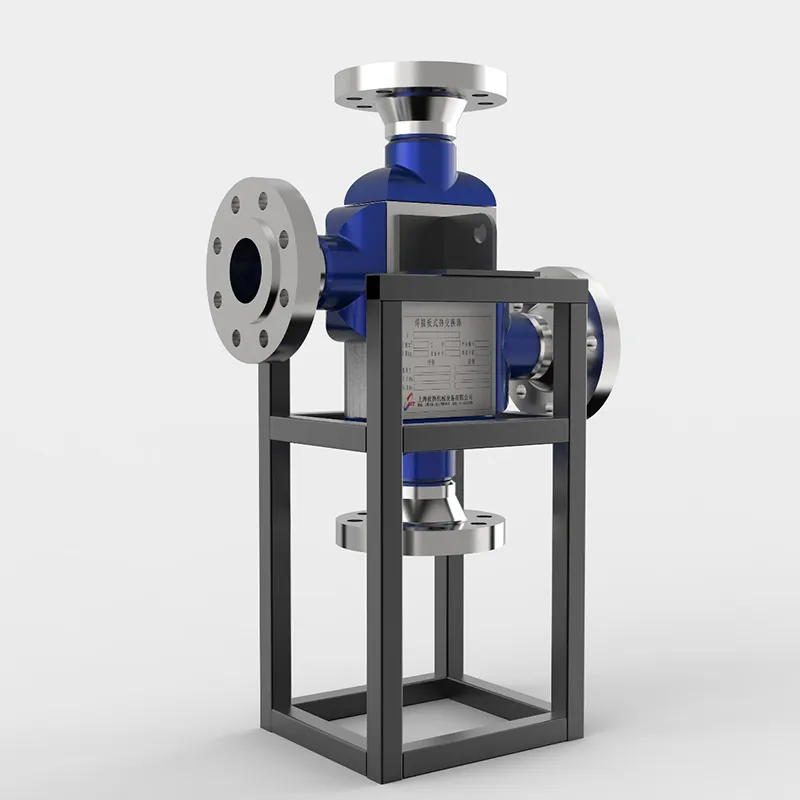
These exchangers excel in handling media that contain fibers, crystals, or sticky residues. In the sugar industry, gap heat exchangers process beet juice with pulp content up to 8% without blockages. Similarly, in wastewater treatment, they manage sludge with solid concentrations of 5% to 10% by weight. The design also accommodates temperature extremes from -40°C to 200°C and pressures up to 25 bar, making them suitable for a broad range of industrial processes. For more details on custom configurations, check out wide-gap welded plate heat exchangers.
4. Lower Energy Consumption and Operational Costs
By reducing fouling and maintaining consistent heat transfer, gap heat exchangers lower energy usage. A chemical plant reported a 15% reduction in steam consumption after retrofitting with a gap unit for a resin heating process. Additionally, the wider channels result in lower pumping power requirements—often 20% to 30% less compared to conventional plate heat exchangers dealing with similar particulate loads. Over a year, these savings add up significantly, especially in continuous operations.
5. Easy Inspection and Cleaning
Most gap heat exchangers are designed with removable plate packs or hinged frames, allowing for quick visual inspections and mechanical cleaning. In a fish processing facility, operators could manually rinse plates in under 30 minutes without disconnecting piping. This accessibility reduces the need for chemical cleaning agents, which is better for both the environment and the equipment lifespan. For applications requiring even more robust construction, consider HT-bloc welded plate heat exchangers for high-pressure duties.
6. Long-Term Reliability and ROI
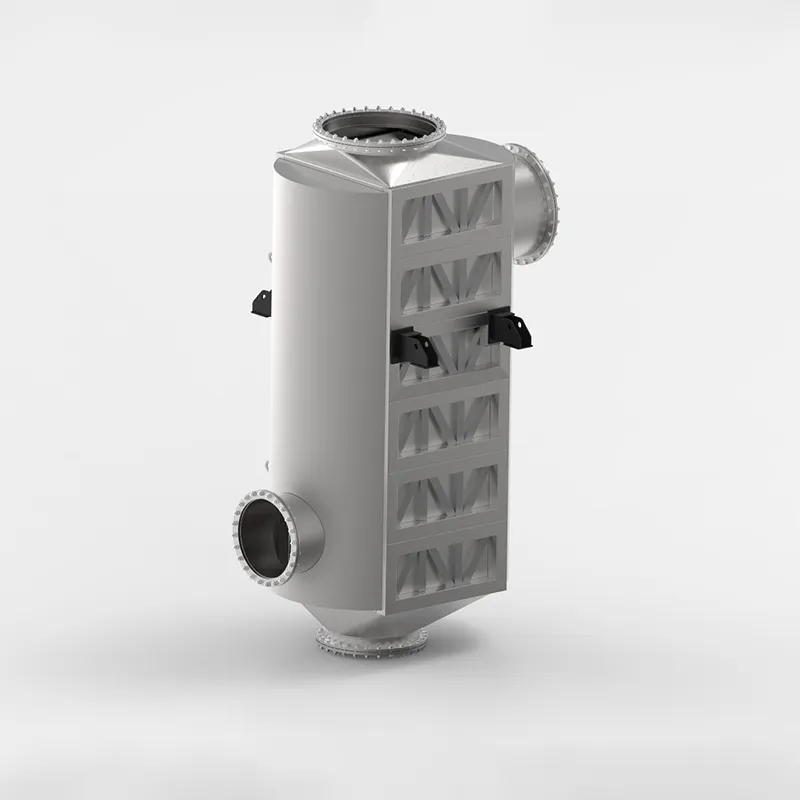
With fewer blockages and less thermal stress, gap heat exchangers typically have a service life of 15 to 20 years under normal operating conditions. A pulp and paper mill using gap units for black liquor heating reported zero unscheduled downtime over a three-year period. The initial investment is often recouped within 18 months through energy savings and reduced maintenance. For specialized needs, custom-engineered plate air preheaters offer tailored solutions for gas-to-liquid applications.
In summary, gap heat exchangers deliver tangible efficiency improvements by handling difficult fluids, reducing downtime, and cutting energy costs. Their robust design and versatility make them a smart choice for industries where traditional heat exchangers fall short. When evaluating options, focus on your specific fluid properties and operating conditions to maximize the return on investment.

 English EN