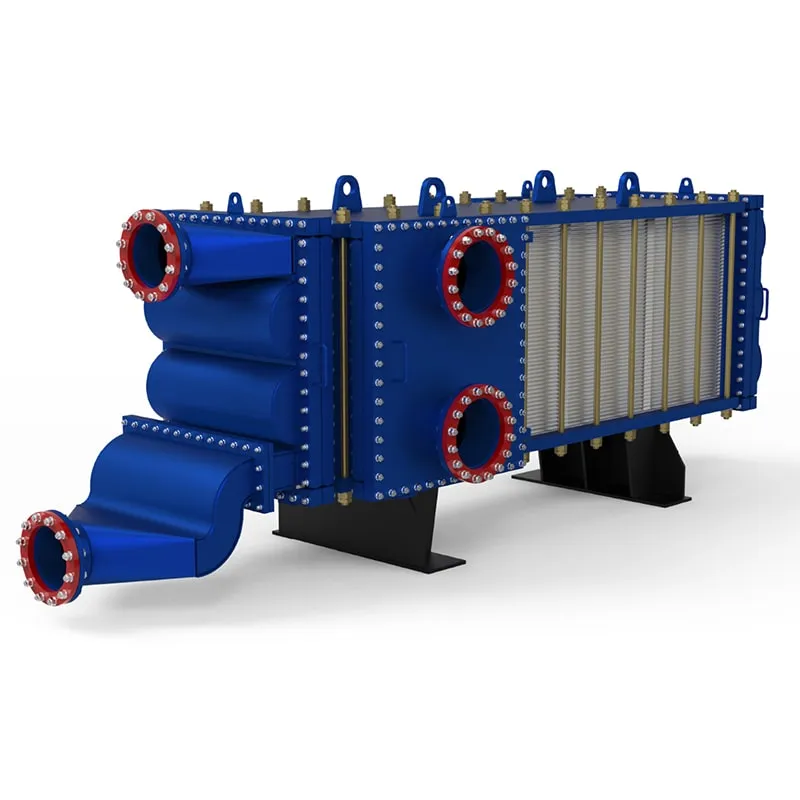
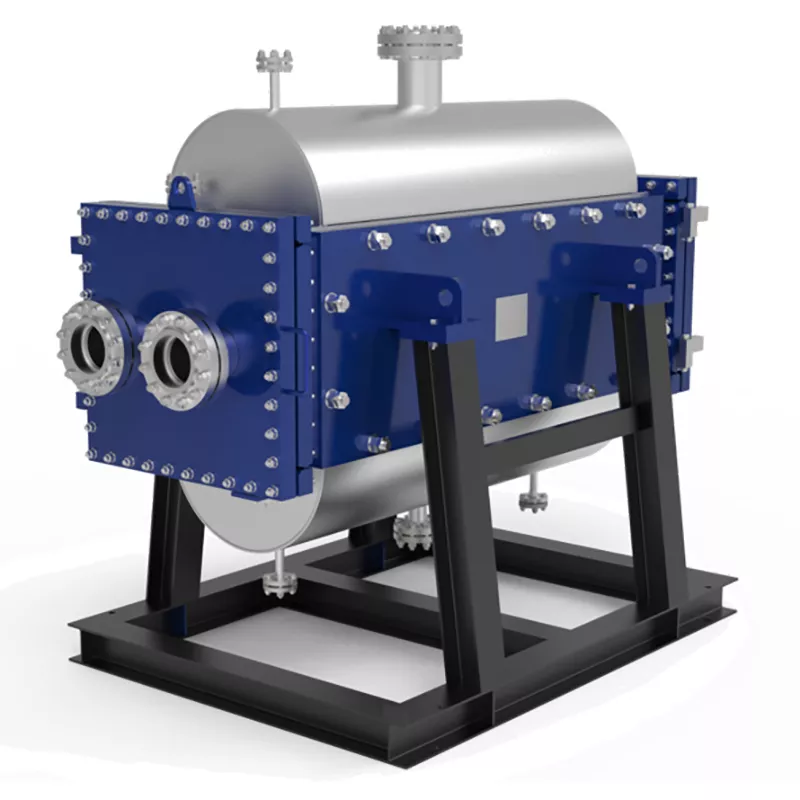
Compact heat exchangers are reshaping how industries manage thermal energy. With a smaller footprint and higher heat transfer rates, they offer tangible gains in operational efficiency and cost savings. This article explores the real-world advantages that make them a smart choice for modern engineering.
When we talk about improving thermal efficiency, compact heat exchangers often come up as a practical solution. Unlike traditional bulky units, these devices pack a lot of surface area into a small volume. This design directly boosts heat transfer while cutting down on material and space requirements. For engineers and plant managers, that means lower upfront costs and better performance in tight spaces.
One of the standout benefits is energy savings. Because compact heat exchangers use enhanced surfaces like corrugated plates or microchannels, they achieve higher heat transfer coefficients. In real terms, this reduces the temperature difference needed for effective exchange, which lowers energy consumption. For example, in HVAC systems or chemical processing, switching to a compact design can cut energy use by 15% to 30% compared to shell-and-tube models.
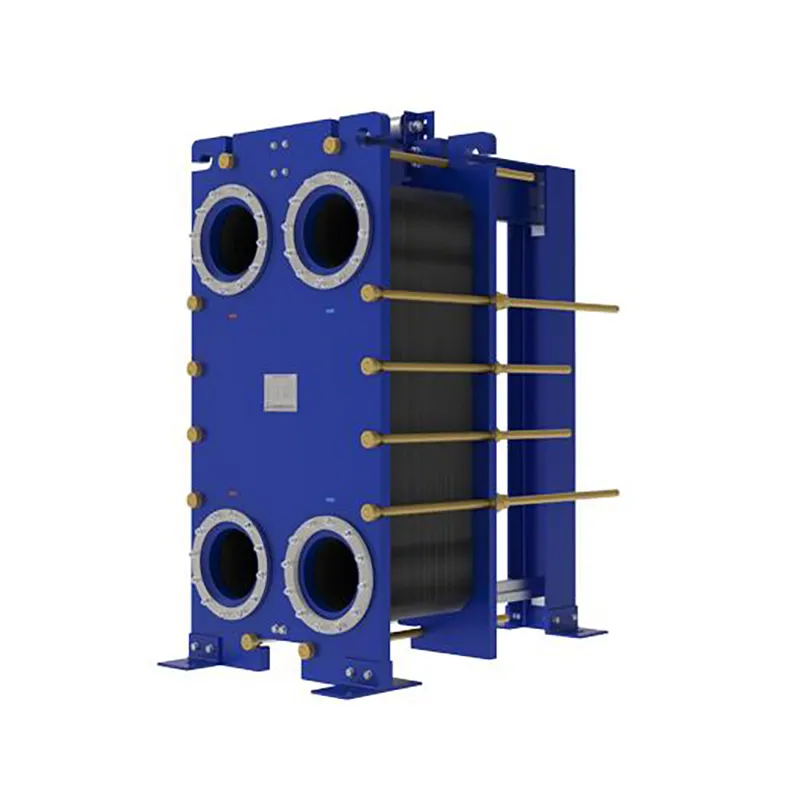
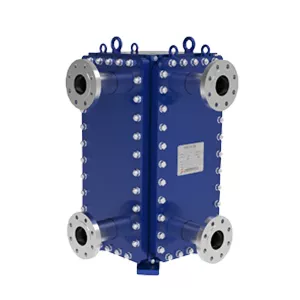
Another major advantage is reduced maintenance. Many compact heat exchangers, such as gasketed plate or welded plate types, are easier to disassemble and clean. This is a big deal in industries where fouling is common. Less downtime for cleaning means more production time. Plus, the modular nature of these units allows for easy expansion or reconfiguration as process demands change.
Durability is also worth noting. With fewer welds and simpler construction, compact heat exchangers often have a longer service life. Materials like stainless steel or titanium are commonly used, providing excellent resistance to corrosion and high temperatures. This reliability translates to fewer replacements and lower lifecycle costs.
In terms of installation, the compact size is a game-changer. You can fit them into existing setups without major structural modifications. This is especially valuable in retrofit projects where space is at a premium. Whether it is for a gasketed plate heat exchanger in a food processing plant or a welded plate unit in a refinery, the flexibility is hard to beat.
To sum it up, compact heat exchangers deliver efficiency through better heat transfer, lower energy use, easier maintenance, and long-term reliability. They are not just a trend; they are a proven tool for optimizing thermal systems across industries.

 English EN