English EN


What Are The Different Types of Plate Heat Exchangers
Plate Heat Exchangers include gasketed, brazed, welded, semi-welded, shell and plate, and specialty types for varied industrial uses.
More
Gasketed plate heat exchangers are widely used in solar thermal systems for transferring heat from solar collectors to storage tanks. Their compact design and high heat transfer coefficient make them ideal for low to medium temperature applications. These units feature corrugated plates sealed with gaskets, allowing easy cleaning and maintenance. In a typical solar water heating setup, they achieve temperature differences as low as 2-3°C between fluids, improving overall system efficiency. For geothermal applications, they handle brine and clean water separation effectively, with pressure ratings up to 25 bar. The modular design also lets you add or remove plates to adjust capacity, which is a practical advantage for projects with variable thermal loads.
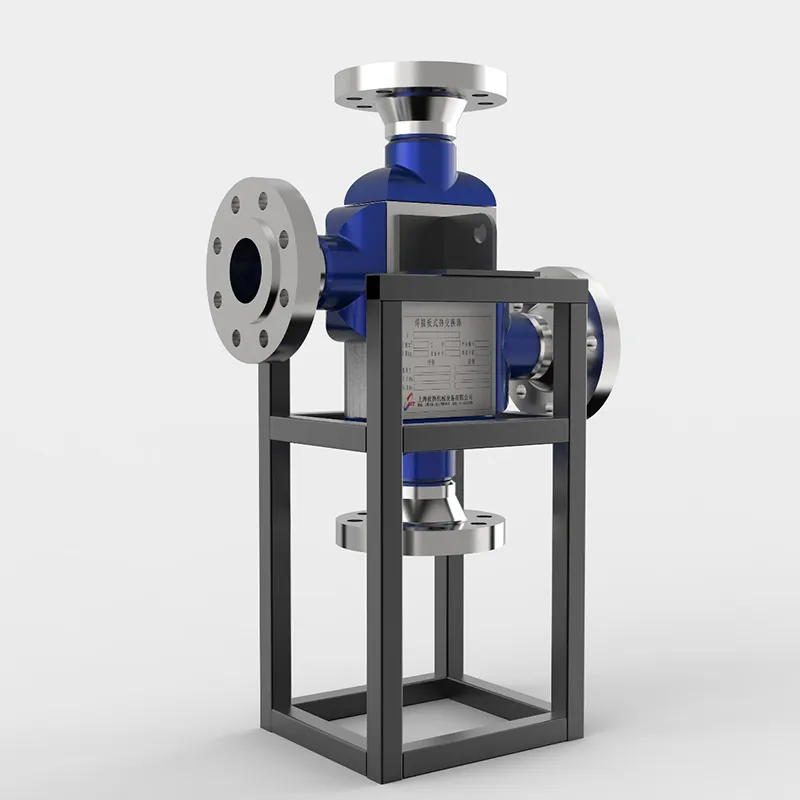
For higher temperature and pressure demands in biomass or concentrated solar power plants, welded plate heat exchangers offer a robust solution. Unlike gasketed models, these units have fully welded plate pairs, eliminating gasket failure risks. They can operate at temperatures up to 350°C and pressures exceeding 30 bar. In biomass combustion systems, they recover heat from flue gases, often achieving thermal efficiencies above 90%. The all-welded construction also resists thermal shock and corrosion from aggressive fluids like thermal oils or steam. This makes them a reliable choice for continuous industrial processes where downtime for maintenance is costly.
Printed circuit heat exchangers are gaining traction in advanced renewable systems like supercritical CO2 power cycles and high-temperature geothermal plants. They use chemically etched channels in metal plates, diffusion-bonded together to form a compact core. This design provides extremely high surface area density, often exceeding 2000 m²/m³. In supercritical CO2 applications, PCHEs handle pressures up to 600 bar and temperatures up to 800°C, with a temperature approach as close as 1-2°C. Their compact size reduces footprint by up to 85% compared to shell-and-tube units, which is valuable for offshore or space-constrained renewable installations. The all-metal construction also ensures long-term durability with minimal fouling.
Pillow plate heat exchangers are a versatile option for biogas plants and low-temperature geothermal systems. They consist of two metal sheets spot-welded and inflated to create flow channels, offering a lightweight yet strong structure. In anaerobic digesters, they are often used as internal heating panels, providing uniform heat distribution to maintain optimal digestion temperatures around 35-40°C. The smooth surface reduces fouling from sludge or organic matter, and the design allows for easy integration into tanks or vessels. With pressure ratings up to 16 bar and temperature limits around 300°C, they are a cost-effective solution for applications requiring gentle heating or cooling.
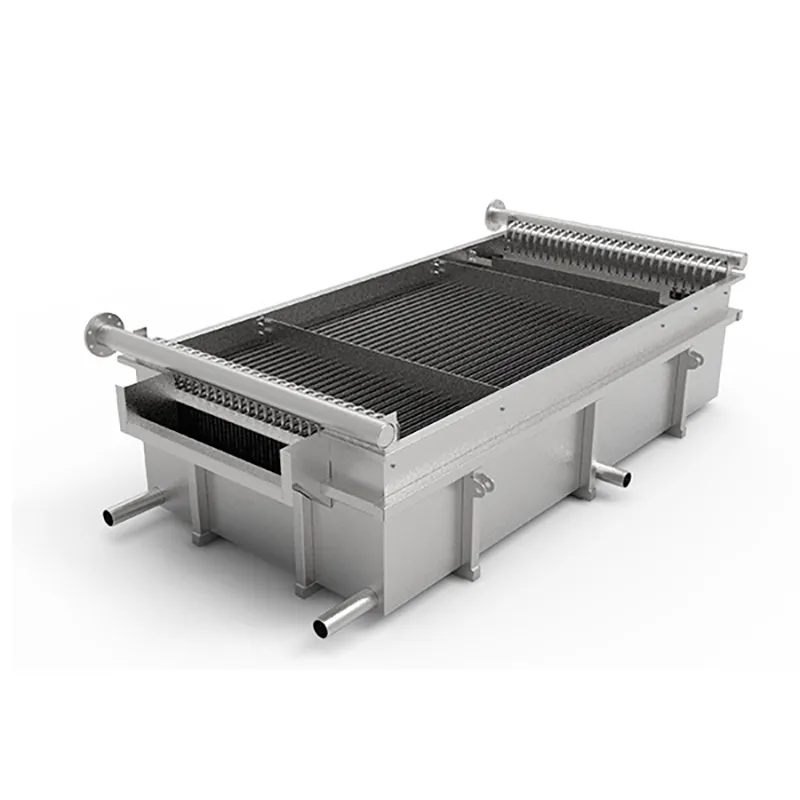
In biomass and waste-to-energy plants, custom engineered plate air preheaters play a key role in improving combustion efficiency. These units preheat combustion air using flue gas waste heat, reducing fuel consumption by 10-15%. They are designed with wide gaps and special plate geometries to handle dusty or corrosive gas streams. For example, in a 10 MW biomass boiler, a plate air preheater can raise incoming air from 20°C to 150°C, boosting overall plant efficiency by 5-8%. The modular plate design allows for easy cleaning and replacement of sections, minimizing maintenance downtime. These units are typically built from stainless steel or corrosion-resistant alloys to withstand harsh operating conditions.
When selecting a heat exchanger for your renewable energy system, focus on three main factors: operating temperature and pressure, fluid compatibility, and maintenance requirements. For solar thermal systems with clean water, gasketed plate units offer the best balance of cost and performance. For high-temperature biomass or geothermal applications, welded plate or PCHE designs provide the necessary durability. Always verify the heat exchanger's pressure drop and thermal efficiency against your system's design parameters. Consulting with manufacturers who offer custom engineering services can help you optimize the unit for your specific process conditions.
For more detailed technical specifications and application examples, you can explore resources on gasketed plate heat exchangers and printed circuit heat exchangers to see how these technologies are applied in real-world renewable energy projects.
We provide you with comprehensive foreign trade solutions to help enterprises achieve global development
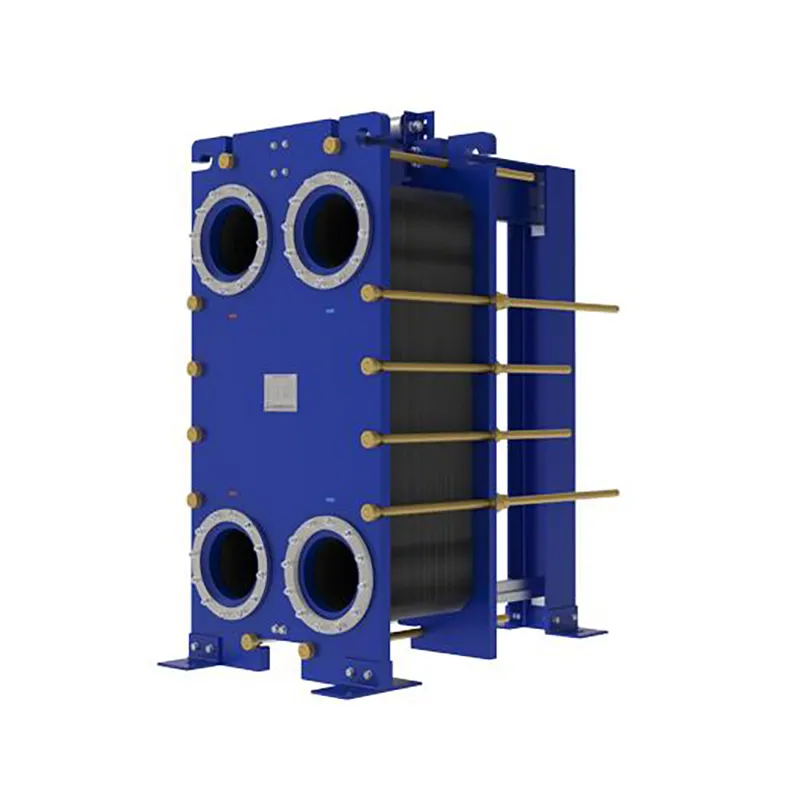
Since the invention of the plate heat exchanger (PHE) in 1923, thermal technology has evolved from standard food-grade processing to highly complex industrial operations. At SHPHE, we take this classic, versatile design and transform it into highly bespoke heat transfer solutions tailored to your unique process fluids and thermal loads. While traditional gasketed PHEs offer high efficiency and compact footprints, SHPHE optimizes plate corrugations, metallurgy, and sealing systems to handle your specific chemical, HVAC, or energy recovery parameters. Our custom-engineered gasketed plate heat exchangers provide outstanding scalability and ease of maintenance, serving as an indispensable asset for heavy industries—including oil and gas, metallurgy, and food processing—where uptime, energy recovery, and long-term sustainability are top priorities.
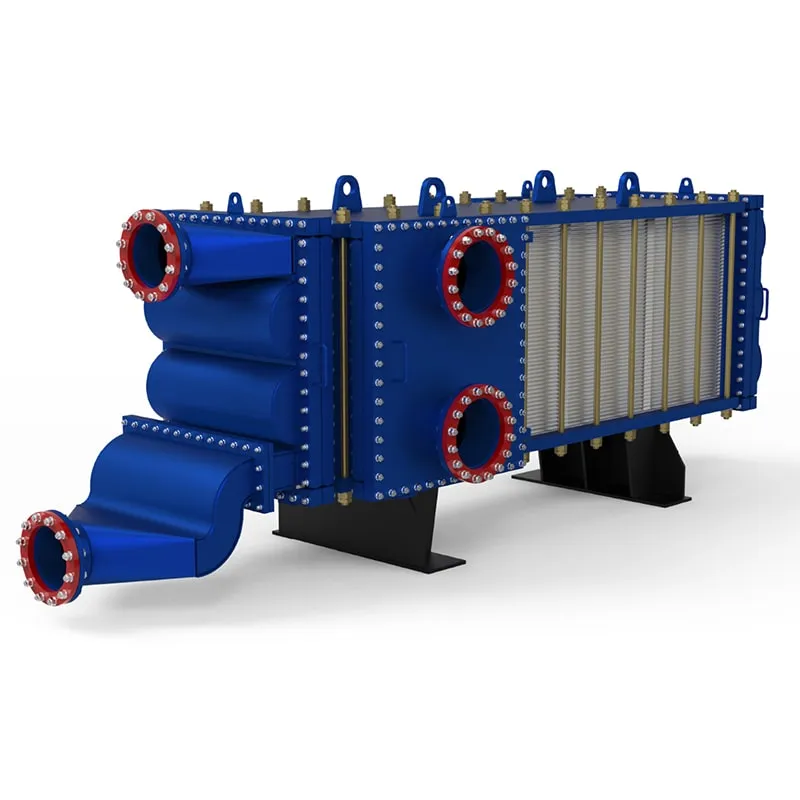
Custom-Engineered Anti-Clogging Solutions for High-Viscosity Slurries:
Deployed specifically to conquer severe industrial fouling, SHPHE wide gap welded plate heat exchangers are tailor-built to handle complex media containing dense fibers, coarse crystals, or solid suspensions without clogging. Each non-obstructed channel is calculated and formed by laser-welded plate packs matching your fluid’s exact rheology and grain size, completely eliminating structural "dead zones" and media stagnation. Available in highly compact vertical and versatile horizontal configurations, our vertical engineering drastically reduces plant footprints while maintaining unhindered product throughput, minimal pressure drops, and flawless continuous operations across harsh process loops.
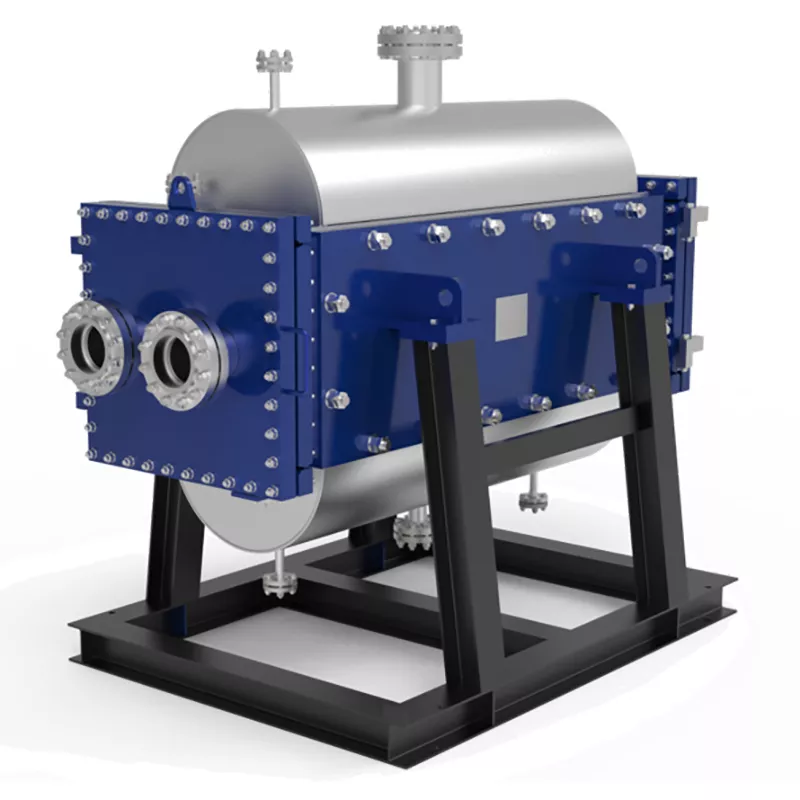
Industrial processes involving particle-laden slurries, high-viscosity syrups, or fiber-rich pulp demand more than standard equipment—they require target-engineered thermal management. At SHPHE, we configure the TP Welded Plate Heat Exchanger to directly conquer your plant's severe fouling, blockage, and erosion threats. Combining custom-tailored channel geometries, wear-resistant metallurgy, and integrated CIP (Cleaning-in-Place) systems, we deliver absolute production continuity where conventional heat exchangers fail.
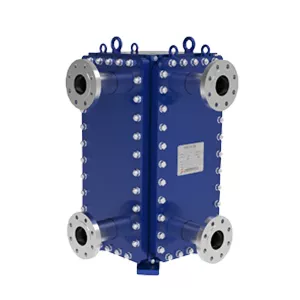
Custom-Engineered for Severe Process Demands. At SHPHE, we don't just supply equipment; we design tailored thermal solutions. Our HT-Bloc welded plate heat exchangers are custom-configured by our experienced engineers to overcome your specific industry challenges—whether handling high-viscosity media, extreme temperatures, or strict space constraints.