Steam heat exchangers play a critical role in modern industrial processes, offering reliable thermal management across sectors like chemical processing, food production, and HVAC systems. This article explores the top five benefits of integrating steam heat exchangers into your operations, focusing on energy savings, durability, and process control. Whether you are upgrading existing equipment or designing a new system, understanding these advantages helps you make informed decisions that boost overall plant efficiency.
1. Enhanced Energy Recovery and Cost Savings
Steam heat exchangers excel at capturing waste heat from exhaust streams or process fluids, converting it into usable thermal energy. This capability directly reduces fuel consumption and lowers utility bills. For example, in a typical chemical plant, installing a steam heat recovery system can cut energy costs by 15 to 30 percent annually. The recovered heat can preheat feedwater, warm incoming air, or support other low-temperature processes, maximizing every unit of energy consumed. Over time, the return on investment becomes substantial, often paying back the initial equipment cost within two to three years.
2. Superior Heat Transfer Performance
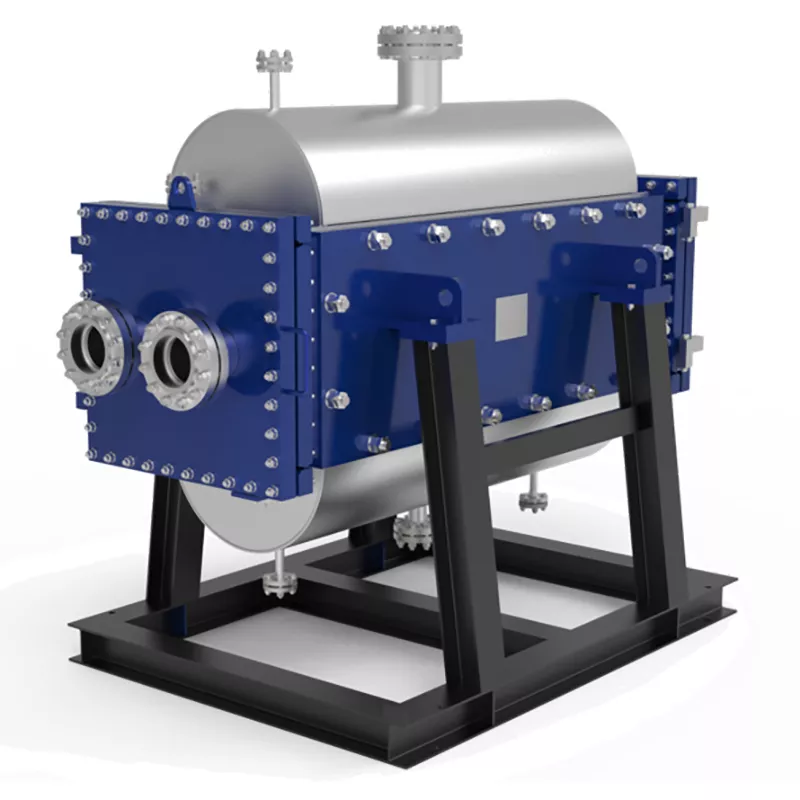
The design of steam heat exchangers, particularly plate and shell-and-tube configurations, allows for high heat transfer coefficients. Steam condenses on the heat transfer surface, releasing latent heat efficiently. This phase change process delivers consistent temperatures and rapid thermal response, which is vital for applications requiring precise heating. For instance, in food pasteurization, maintaining exact temperature profiles ensures product safety and quality. Compared to other heating methods, steam exchangers provide up to five times the heat transfer rate per unit area, reducing the physical footprint of the equipment.
3. Robust Durability and Long Service Life
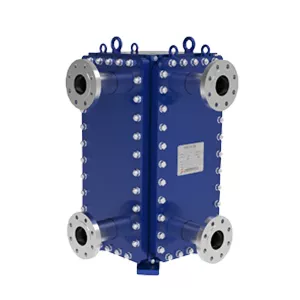
Industrial environments demand equipment that withstands high pressures, temperature fluctuations, and corrosive media. Steam heat exchangers are typically constructed from stainless steel, titanium, or other corrosion-resistant alloys. With proper maintenance, these units can operate reliably for 20 years or more. The robust construction minimizes leak risks and reduces downtime for repairs. Many manufacturers offer customizable options, such as wide-gap plates for viscous fluids or welded designs for aggressive chemicals, ensuring long-term performance even under challenging conditions. For more on welded plate options, see our HT-Bloc welded plate heat exchanger.
4. Precise Temperature Control and Process Flexibility
Steam heat exchangers offer excellent controllability, allowing operators to adjust heating rates and target temperatures with high accuracy. By modulating steam flow or pressure, you can fine-tune the heat output to match fluctuating process demands. This flexibility is especially valuable in batch operations or multi-product facilities where quick changeovers are required. Additionally, modern control systems integrate seamlessly with steam exchangers, enabling automated adjustments that maintain product consistency and reduce human error. The result is a more agile production line that adapts to changing requirements without sacrificing efficiency.
5. Compact Design and Space Optimization
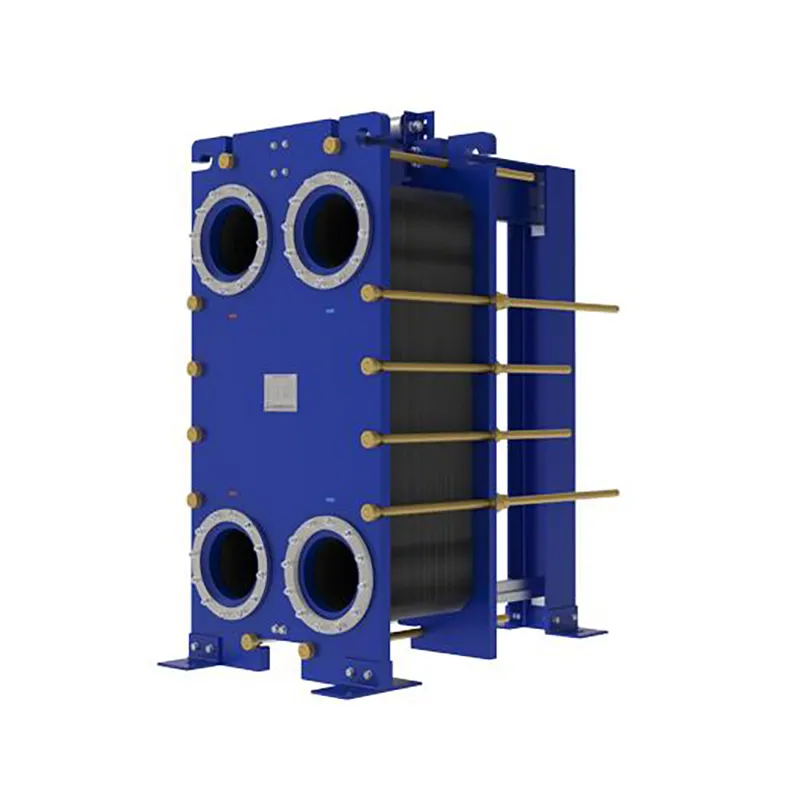
Space is often at a premium in industrial plants. Steam heat exchangers, especially plate-type units, deliver high thermal capacity in a compact form factor. A single plate heat exchanger can handle the same load as a much larger shell-and-tube unit, freeing up valuable floor area for other equipment or future expansions. For example, our gasketed plate heat exchangers are designed for easy installation in tight spaces while maintaining easy access for cleaning and maintenance. This space-saving advantage also reduces structural support costs and simplifies piping layouts.
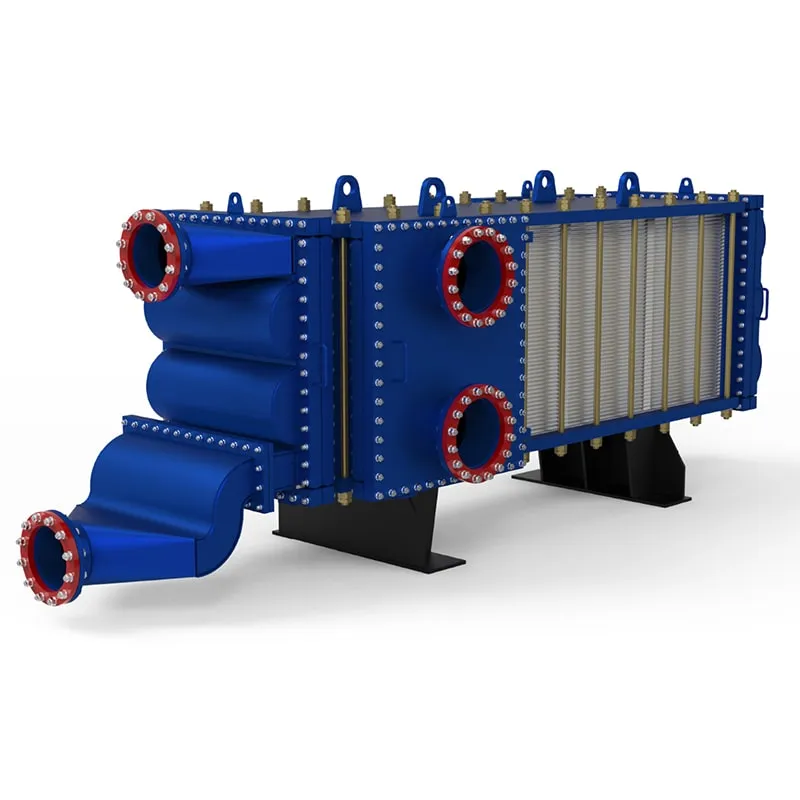
In summary, steam heat exchangers bring tangible benefits to industrial operations: lower energy expenses, faster heat transfer, extended equipment life, precise control, and a smaller footprint. When selecting a unit, consider your specific process conditions and consult with experienced engineers to match the right design to your needs. For specialized applications like air preheating or viscous fluid handling, explore options such as custom-engineered plate air preheaters or wide-gap welded plate heat exchangers. Investing in the right steam heat exchanger technology today can yield efficiency gains that support your business for decades.

 English EN