Semi Welded Plate Heat Exchanger: Top Benefits & Best Uses
Semi welded plate heat exchangers combine the reliability of welded channels with the serviceability of gasketed plates, making them ideal for handling aggressive fluids, high pressures, and frequent cleaning needs. This article explores their core advantages and most effective industrial applications.
What Is a Semi Welded Plate Heat Exchanger?
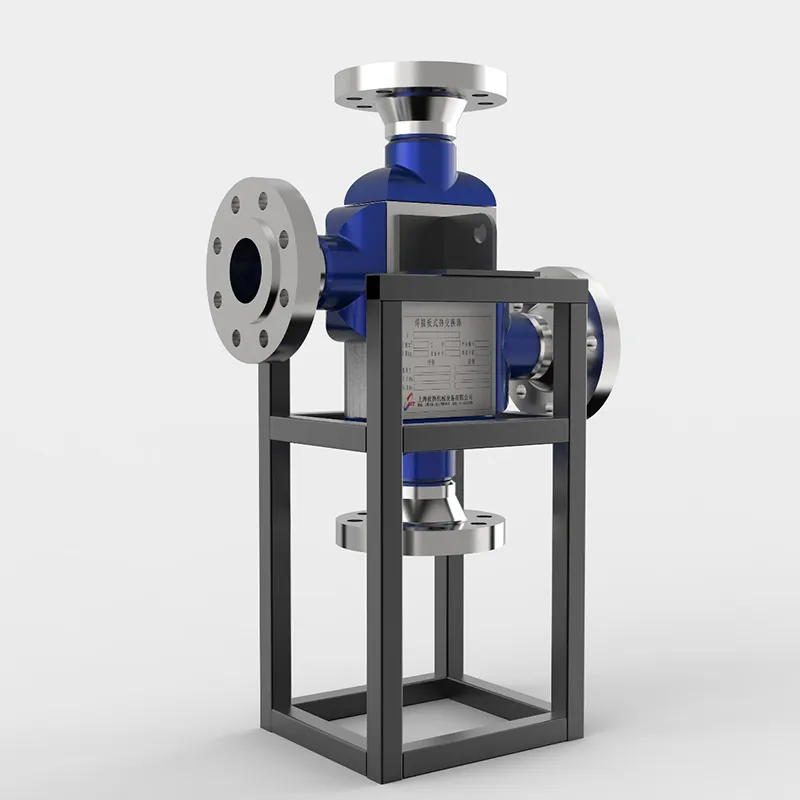
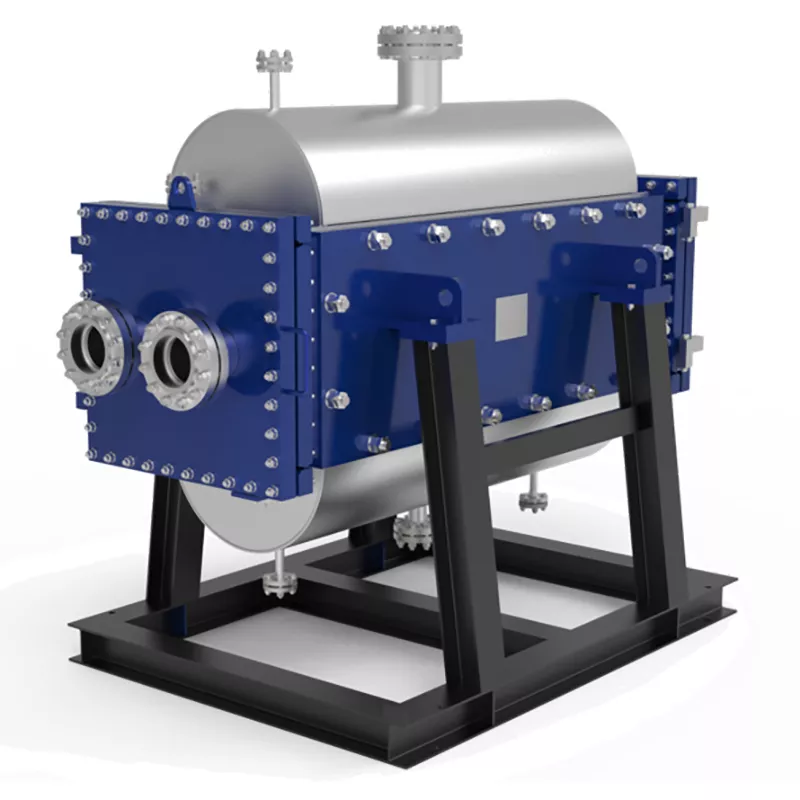
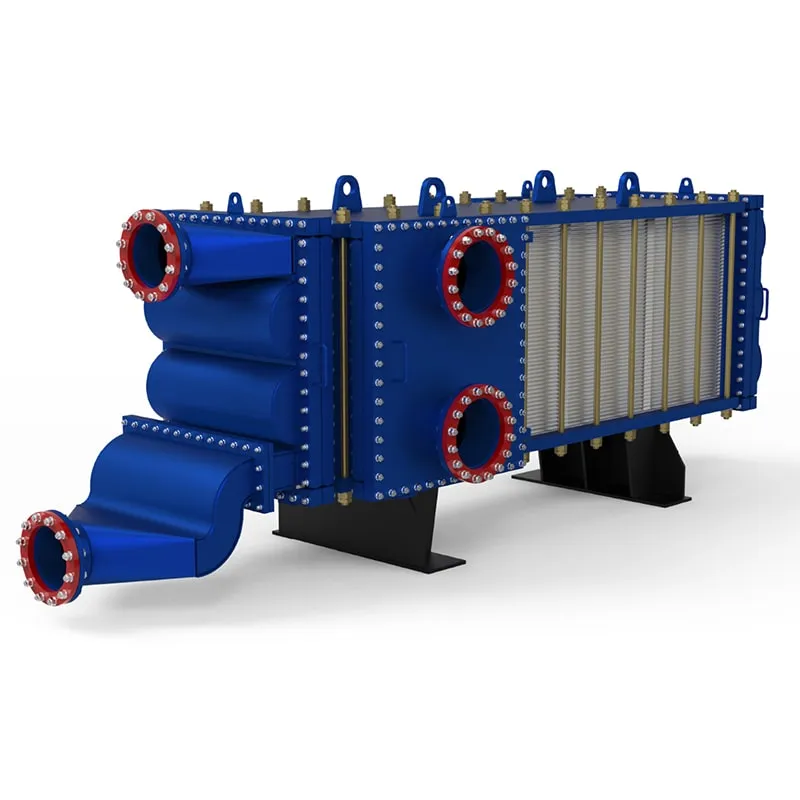
A semi welded plate heat exchanger uses a hybrid design: one fluid channel is fully welded to prevent leaks, while the other channel uses gaskets for easy disassembly. This construction allows the exchanger to handle corrosive or hazardous media on the welded side, while the gasketed side remains accessible for mechanical cleaning or inspection. Typical operating pressures reach up to 40 bar, and temperatures can go as high as 350°C, depending on gasket materials.
The welded channels are usually produced by laser or plasma welding of plate pairs, creating a robust seal that eliminates the risk of cross-contamination. This makes the semi welded design a trusted choice in chemical processing, pharmaceutical manufacturing, and refrigeration systems where fluid purity is critical.
Top Benefits of Semi Welded Plate Heat Exchangers
- Leak-free operation on critical fluids: The welded side completely eliminates gasket failure points, making it suitable for toxic, flammable, or expensive media.
- Easy maintenance and cleaning: The gasketed side can be opened without disturbing the welded circuit, reducing downtime during routine inspections.
- High thermal efficiency: Plate geometry provides turbulent flow at low velocities, achieving heat transfer coefficients up to 8000 W/m²·K in water-to-water applications.
- Compact footprint: Compared to shell-and-tube units, semi welded exchangers can reduce space requirements by up to 60% for the same duty.
- Versatile material options: Plates are available in stainless steel 316L, titanium, Hastelloy, and other alloys to match aggressive chemical environments.
These benefits translate directly into lower total cost of ownership, especially in processes where downtime for cleaning or repair is expensive.
Best Uses Across Industries
Semi welded plate heat exchangers are widely adopted in sectors that demand both reliability and accessibility. Here are the most common applications:
- Chemical processing: Handling acids, caustics, and solvents where any leak would pose safety or environmental risks. The welded side isolates hazardous chemicals, while the gasketed side handles cooling water or steam.
- Pharmaceutical production: Maintaining sterility and preventing cross-contamination between process streams. The design supports CIP (clean-in-place) and SIP (sterilize-in-place) procedures.
- Refrigeration and HVAC: Used in ammonia refrigeration systems where the welded channel contains ammonia, and the gasketed side carries brine or water. This configuration meets strict safety codes.
- Food and beverage: Pasteurization and heating of viscous products like juices, sauces, and dairy, where frequent plate inspection is needed to maintain hygiene standards.
- Oil and gas: Cooling of amine solutions, glycol, or other process fluids that require high pressure containment and periodic cleaning.
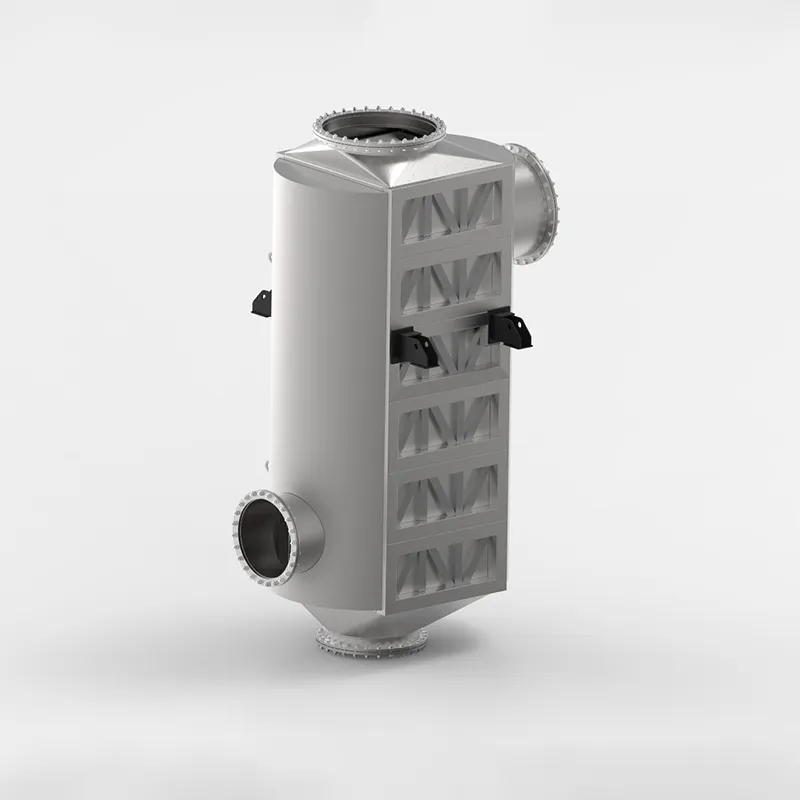
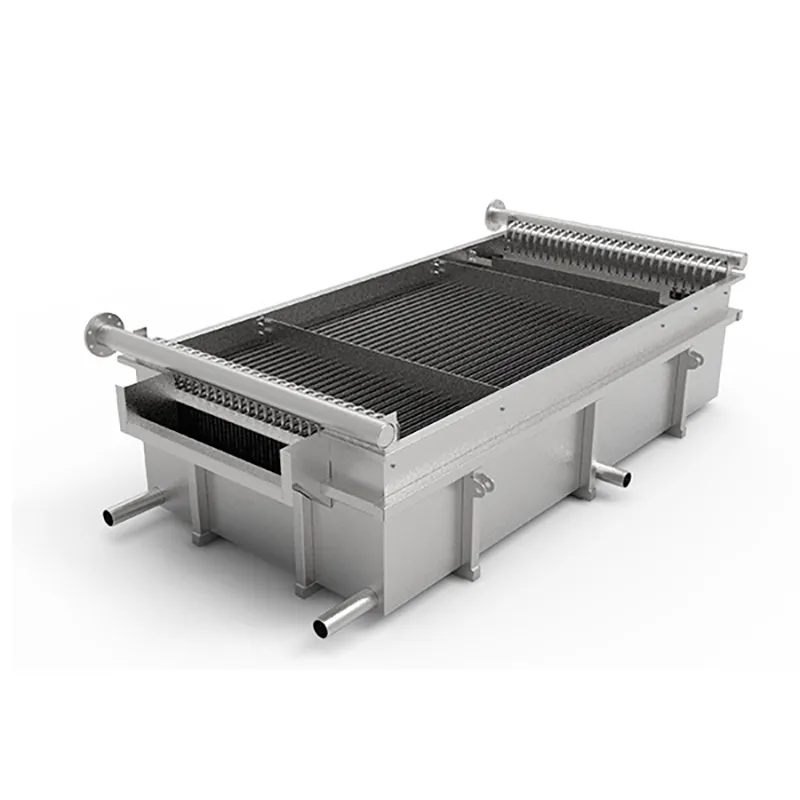
For more specialized configurations, you may explore custom engineered plate air preheaters or wide gap welded plate heat exchangers for applications with fouling fluids.
Performance Data and Design Considerations
When selecting a semi welded plate heat exchanger, key parameters include plate material, gasket material (e.g., EPDM, NBR, Viton), port size, and number of plates. Typical pressure drops range from 0.5 to 3 bar per pass, and the overall heat transfer coefficient varies from 1500 to 7000 W/m²·K depending on fluid properties and flow rates.
The welded channel is generally designed for the more aggressive fluid, while the gasketed channel handles utility fluids like water or steam. Plate corrugation patterns (chevron angle) can be optimized to balance heat transfer and pressure drop. For high-fouling applications, wide-gap variants are available, which you can review in the wide gap welded plate heat exchanger product line.
It is also important to verify compatibility with existing piping and support structures. Many manufacturers offer custom port locations and frame sizes to fit tight installation spaces.
Comparison with Other Heat Exchanger Types
Compared to fully gasketed plate heat exchangers, the semi welded design offers superior leak protection on one side, but at a slightly higher initial cost. Fully welded plate heat exchangers provide even higher pressure and temperature limits, but they cannot be opened for cleaning. The semi welded option strikes a balance for applications needing both robustness and serviceability.
For processes requiring extreme compactness and high pressure, printed circuit heat exchangers are an alternative, though they are less accessible for cleaning. Meanwhile, gasketed plate heat exchangers remain a cost-effective choice for clean, non-hazardous fluids.
Installation and Maintenance Tips
Proper installation ensures long service life. Always follow the manufacturer's torque specifications when tightening the frame bolts. Over-tightening can damage gaskets or distort plates. For the gasketed side, inspect gaskets annually and replace them if signs of hardening or cracking appear.
The welded side requires minimal maintenance, but periodic pressure testing is recommended to confirm weld integrity. If fouling occurs on the welded side, chemical cleaning is usually the only option, so pre-filtration of the process fluid is advisable.
For applications with high temperature differentials, consider using expansion joints or flexible connections to reduce thermal stress on the exchanger frame.
Conclusion
Semi welded plate heat exchangers offer a practical solution for industries that need to handle aggressive or hazardous fluids without sacrificing the ability to clean and maintain the equipment. Their hybrid design delivers leak safety, thermal efficiency, and operational flexibility. Whether you are working in chemical processing, pharmaceuticals, or refrigeration, this technology can help optimize your heat transfer processes while reducing downtime and risk. For further details on related products, you may also refer to HT Bloc welded plate heat exchangers or TP welded plate heat exchangers for alternative configurations.

 English EN