What Are The Different Types of Plate Heat Exchangers
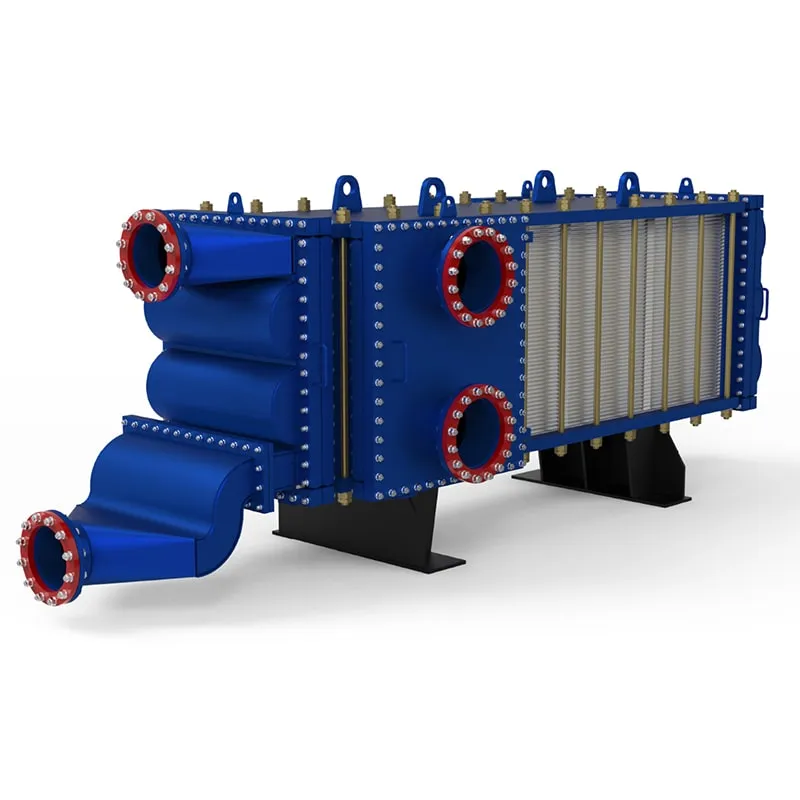
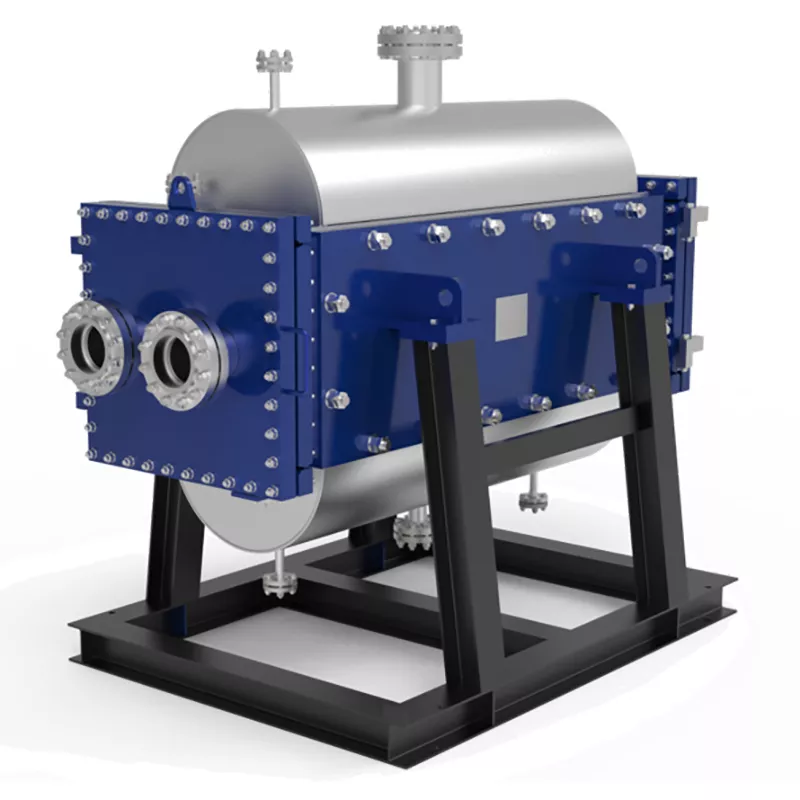
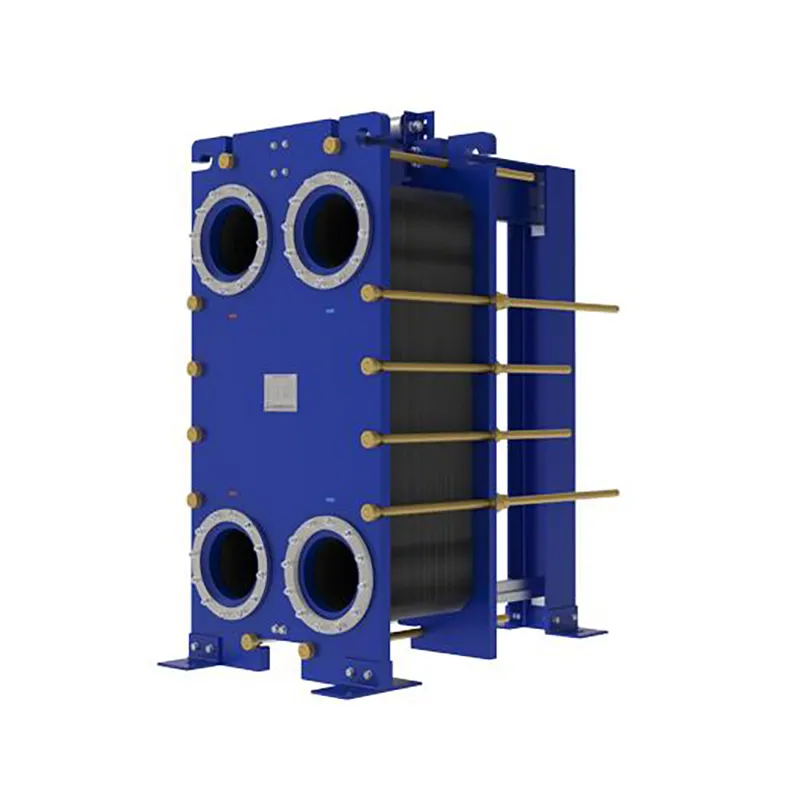
Plate Heat Exchangers include gasketed, brazed, welded, semi-welded, shell and plate, and specialty types for varied industrial uses.
MoreWhen it comes to industrial heat transfer, the quality of the plate heat exchanger plate directly determines system efficiency and longevity. This article explores the key features of premium plates, including advanced pressing techniques, corrosion-resistant materials, and precision gasket grooves that ensure leak-free operation. Whether you are upgrading an existing system or designing a new setup, understanding these elements helps you make a confident choice for reliable thermal performance.
The plate is the heart of any plate heat exchanger. A high-quality plate ensures uniform fluid distribution, maximum heat transfer surface area, and minimal pressure drop. Inferior plates often suffer from uneven pressing, leading to weak spots that cause premature failure under thermal cycling or high pressure. For industries like chemical processing, HVAC, and food production, a reliable plate means less downtime and lower maintenance costs.
Modern manufacturing uses hydraulic presses with precise tonnage control to create consistent corrugation depths. This uniformity is critical for maintaining turbulent flow, which enhances heat transfer coefficients by up to 30% compared to laminar flow designs. Always verify the plate thickness and material grade with your supplier to match your specific operating conditions.
For example, a standard plate for a 100 kW heat exchanger might have a thickness of 0.5 mm and a surface area of 0.2 m² per plate. Always confirm these specs with your engineering team to ensure proper sizing.
High-quality plates are used in a wide range of industries. In district heating systems, they handle temperatures up to 150°C and pressures up to 25 bar. In the dairy industry, plates with a 0.8 mm thickness are preferred for pasteurization duties, where hygienic design is essential. Tests show that a well-maintained plate stack can achieve a heat transfer coefficient of 3000 to 7000 W/m²K for water-to-water applications, depending on flow rates and fouling factors.
One real-world example: a chemical plant replaced their old gasketed plates with new 316L plates featuring a 45° chevron pattern. The result was a 15% increase in thermal efficiency and a 20% reduction in pressure drop, leading to lower pump energy costs. You can explore more about gasketed plate heat exchangers for similar upgrade options.
Regular inspection extends the life of your heat exchanger. Look for signs of pitting, cracking, or deformation around the gasket groove. Use a straightedge to check for flatness; a gap larger than 0.2 mm indicates the plate may need replacement. For welded plate designs, such as TP welded plate heat exchangers, inspect weld joints for any discoloration or leaks.
Cleaning frequency depends on the fluid. For clean water, annual cleaning is usually sufficient. For process fluids with high fouling potential, consider quarterly cleaning using a mild alkaline solution. Always rinse thoroughly to avoid chemical residue that can attack the plate surface.
Start by gathering your process parameters: flow rate, inlet and outlet temperatures, allowable pressure drop, and fluid properties. Then match these to the plate geometry. A reputable supplier will provide performance curves and CAD drawings for each plate model. For custom requirements, consider custom-engineered plate air preheaters that are tailored to your specific ductwork and temperature needs.
Remember that a slightly larger plate pack can compensate for future fouling or increased capacity. Always include a 10-15% margin in your surface area calculation to ensure long-term performance without oversizing the frame.
Investing in high-quality plates pays off through reduced energy consumption, fewer unplanned shutdowns, and longer equipment life. Work with a manufacturer that offers traceable materials and precision manufacturing. Whether you need standard gasketed plates or specialized welded designs, the right choice starts with understanding your process conditions and selecting a plate that meets those demands reliably.
We provide you with comprehensive foreign trade solutions to help enterprises achieve global development