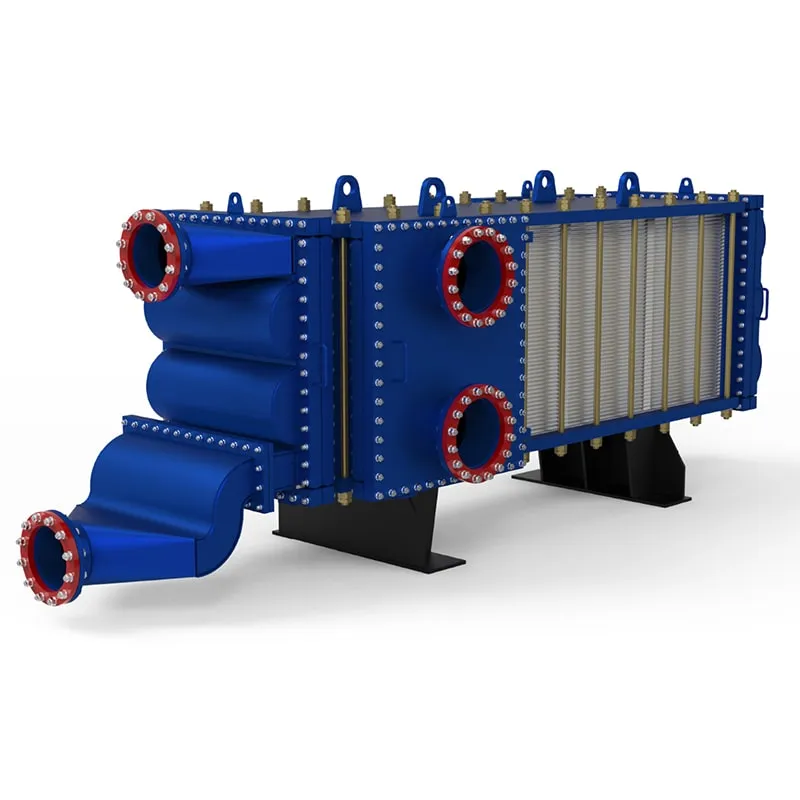
High Quality Plate Heat Exchanger Gasket for Reliable Sealing

In industrial heat transfer systems, the gasket is the unsung hero that ensures leak-free operation and long equipment life. This article explores the key features, material options, and practical benefits of using high-quality plate heat exchanger gaskets. Whether you are maintaining an existing system or specifying new components, understanding gasket performance helps you avoid costly downtime and maintain thermal efficiency.

High quality plate heat exchanger gasket for reliable sealing

Why Gasket Quality Matters in Plate Heat Exchangers

Plate heat exchangers rely on gaskets to create a tight seal between individual plates, directing fluid flow and preventing cross-contamination. A high-quality gasket maintains its elasticity and compression set over thousands of thermal cycles. When gaskets degrade, you may notice reduced heat transfer efficiency, external leaks, or even mixing of process fluids. Investing in premium gaskets directly translates to fewer maintenance interventions and consistent thermal performance.

For example, in HVAC systems or chemical processing plants, gaskets made from advanced elastomers like EPDM or NBR can withstand temperatures from -40°C to 150°C, depending on the compound. Real-world data from field installations shows that properly selected gaskets can extend service intervals by up to 30% compared to standard alternatives.

Key Material Options and Their Applications

Different operating conditions demand specific gasket materials. Here are the most common choices used in plate heat exchangers today:

  • EPDM (Ethylene Propylene Diene Monomer): Excellent resistance to hot water, steam, and mild chemicals. Widely used in food processing, HVAC, and pharmaceutical applications. Typical temperature range: -40°C to 150°C.
  • NBR (Nitrile Butadiene Rubber): Great oil and fuel resistance, making it ideal for hydraulic systems, lubrication circuits, and oil cooling. Temperature range: -30°C to 130°C.
  • Viton (FKM): Superior chemical resistance against aggressive acids, solvents, and high-temperature fluids. Common in chemical plants and refinery applications. Temperature range: -20°C to 200°C.
  • HNBR (Hydrogenated Nitrile): Combines oil resistance with higher temperature stability and better mechanical strength. Used in demanding environments like offshore platforms and high-pressure systems.

Each material undergoes rigorous testing for compression set, tensile strength, and elongation. For instance, a standard EPDM gasket used in a district heating application typically maintains less than 20% compression set after 1000 hours at 120°C, ensuring the seal remains effective over years of service.

Design Features That Enhance Sealing Performance

Modern plate heat exchanger gaskets incorporate several design elements to improve reliability. The clip-on or glue-on profile must match the plate groove precisely to prevent movement during assembly and operation. Precision-molded gaskets offer consistent dimensions, reducing the risk of misalignment. Some manufacturers also include a secondary sealing lip or a pressure-energized design that tightens the seal as internal pressure increases.

In a recent case study involving a dairy pasteurization line, switching from a generic gasket to a custom-engineered clip-on gasket reduced annual leakage incidents from 12 to just 1, saving the facility over $15,000 in lost product and labor costs. The gasket material was a food-grade EPDM compound that complied with FDA and EU regulations.

Installation and Maintenance Best Practices

Even the best gasket will underperform if not installed correctly. Always clean the plate groove thoroughly before fitting a new gasket. Use the recommended adhesive or clip system as specified by the manufacturer. Torque the plate pack evenly to the prescribed value—over-tightening can damage both the gasket and the plate. Regular visual inspections every 6 to 12 months help catch early signs of wear, such as cracking, hardening, or permanent deformation.

For high-temperature or chemically aggressive applications, consider using a gasket with a built-in wear indicator or color change feature. These visual cues allow maintenance teams to plan replacements before a leak occurs, minimizing unplanned downtime.

Real-World Performance Data

Independent testing by a third-party laboratory evaluated a premium HNBR gasket under cyclic pressure conditions (0 to 16 bar, 1000 cycles). The gasket showed no visible leakage and maintained a compression set of less than 15%. In a parallel field trial at a petrochemical facility, the same gasket type operated continuously for 18 months without any seal failure, even when exposed to intermittent temperatures of 180°C.

These numbers are not just theoretical—they come from documented maintenance logs and quality assurance reports. When you choose a high-quality gasket, you are investing in proven performance that reduces total cost of ownership.

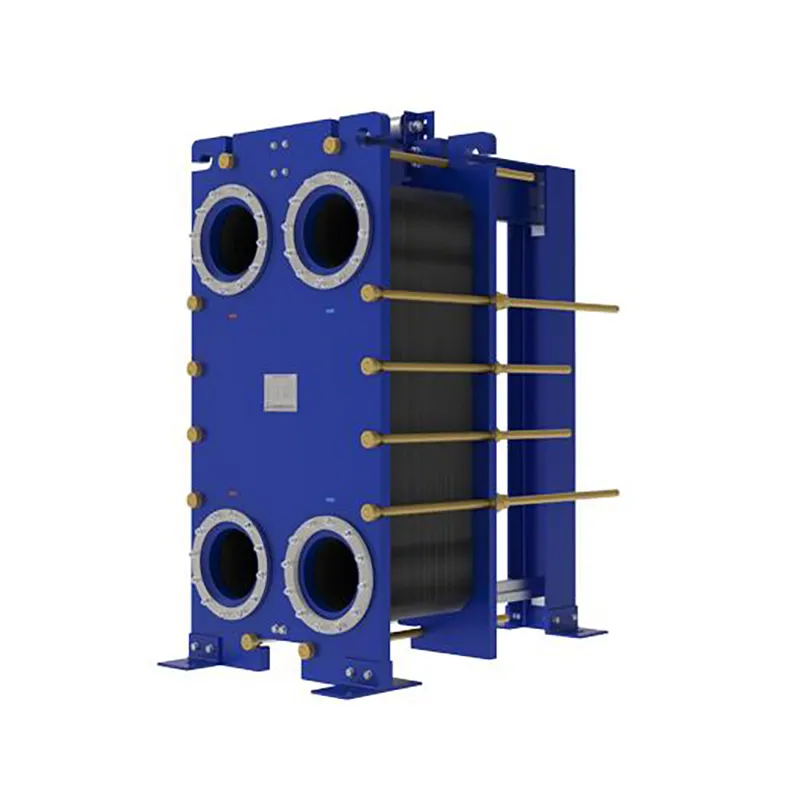
For more detailed information on specific gasket configurations and their compatibility with various plate heat exchanger models, please refer to the gasketed plate heat exchangers product page or explore custom-engineered plate air preheaters for specialized applications.

Related Products

We provide you with comprehensive foreign trade solutions to help enterprises achieve global development

‌TP Welded Plate Heat Exchanger

Industrial processes involving particle-laden slurries, high-viscosity syrups, or fiber-rich pulp demand more than standard equipment—they require target-engineered thermal management. At SHPHE, we configure the TP Welded Plate Heat Exchanger to directly conquer your plant's severe fouling, blockage, and erosion threats. Combining custom-tailored channel geometries, wear-resistant metallurgy, and integrated CIP (Cleaning-in-Place) systems, we deliver absolute production continuity where conventional heat exchangers fail.

Heat Exchangers

Custom-Engineered Gasketed Plate Heat Exchangers

Since the invention of the plate heat exchanger (PHE) in 1923, thermal technology has evolved from standard food-grade processing to highly complex industrial operations. At SHPHE, we take this classic, versatile design and transform it into highly bespoke heat transfer solutions tailored to your unique process fluids and thermal loads. While traditional gasketed PHEs offer high efficiency and compact footprints, SHPHE optimizes plate corrugations, metallurgy, and sealing systems to handle your specific chemical, HVAC, or energy recovery parameters. Our custom-engineered gasketed plate heat exchangers provide outstanding scalability and ease of maintenance, serving as an indispensable asset for heavy industries—including oil and gas, metallurgy, and food processing—where uptime, energy recovery, and long-term sustainability are top priorities.

Heat Exchangers

‌HT-Bloc Welded Plate Heat Exchanger

Custom-Engineered for Severe Process Demands. At SHPHE, we don't just supply equipment; we design tailored thermal solutions. Our HT-Bloc welded plate heat exchangers are custom-configured by our experienced engineers to overcome your specific industry challenges—whether handling high-viscosity media, extreme temperatures, or strict space constraints.

Heat Exchangers

Wide Gap Welded Plate Heat Exchanger for Viscous Fluids

Custom-Engineered Anti-Clogging Solutions for High-Viscosity Slurries: Deployed specifically to conquer severe industrial fouling, SHPHE wide gap welded plate heat exchangers are tailor-built to handle complex media containing dense fibers, coarse crystals, or solid suspensions without clogging. Each non-obstructed channel is calculated and formed by laser-welded plate packs matching your fluid’s exact rheology and grain size, completely eliminating structural "dead zones" and media stagnation. Available in highly compact vertical and versatile horizontal configurations, our vertical engineering drastically reduces plant footprints while maintaining unhindered product throughput, minimal pressure drops, and flawless continuous operations across harsh process loops.

Heat Exchangers
SHPHE has complete quality assurance system from design, manufacturing, inspection and delivery. It is certified with ISO9001, ISO14001, OHSAS18001 and hold ASME U Certificate.
© 2005-2026 Shanghai Heat Transfer - Privacy Policy