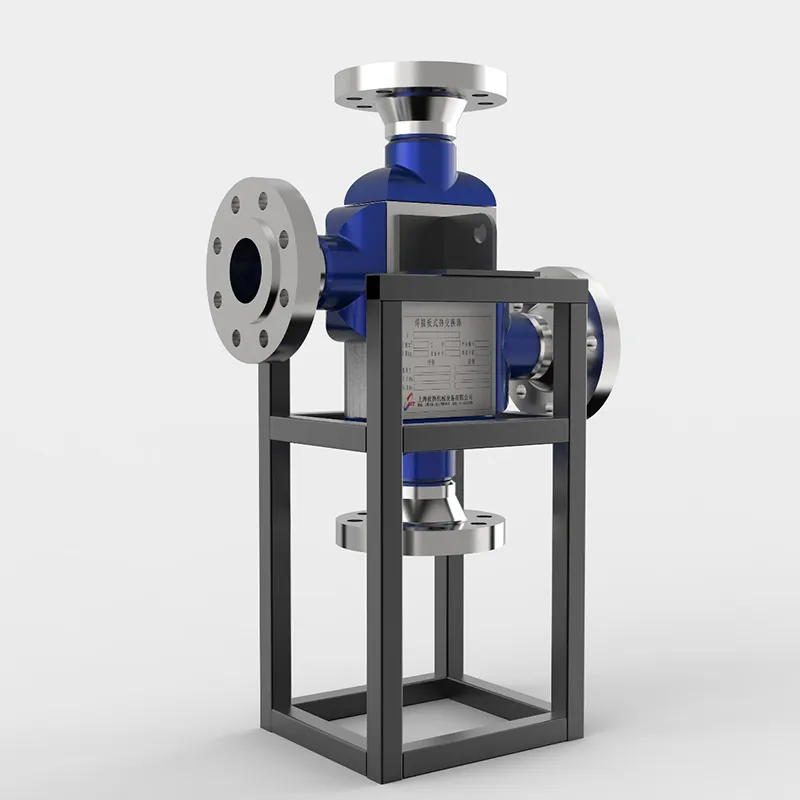
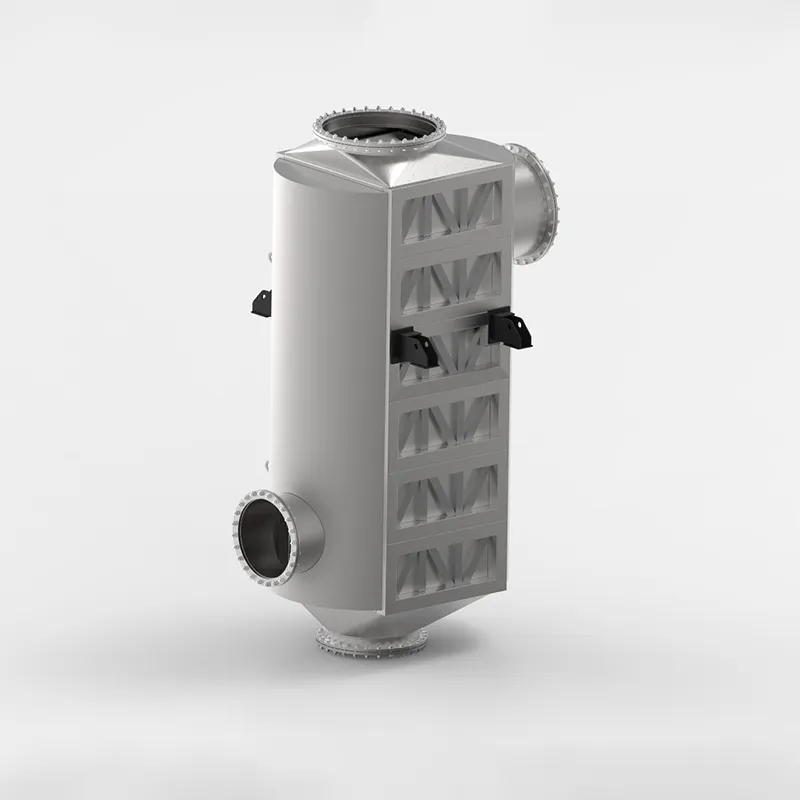
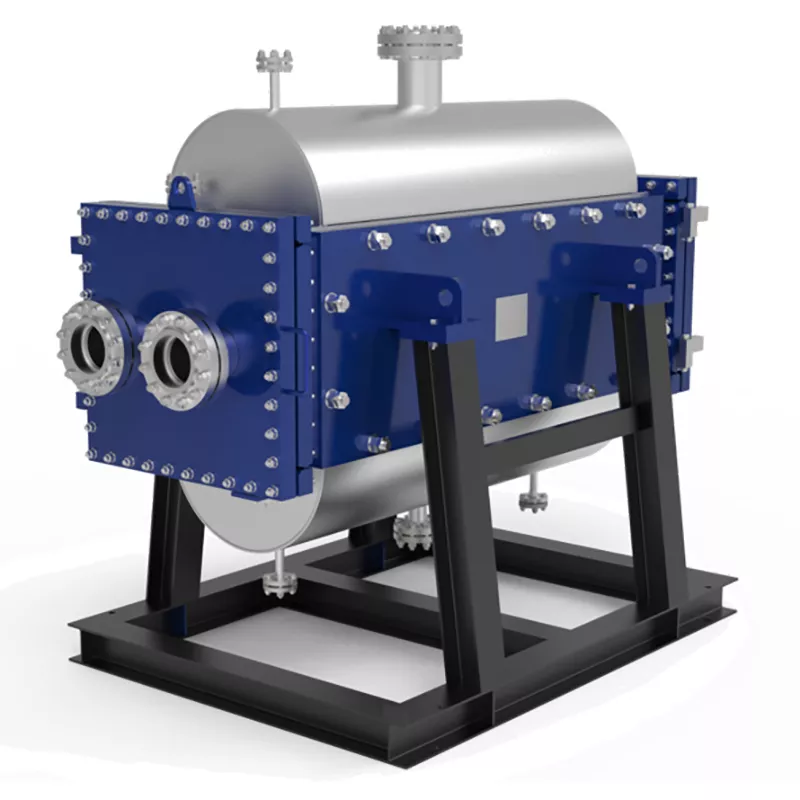
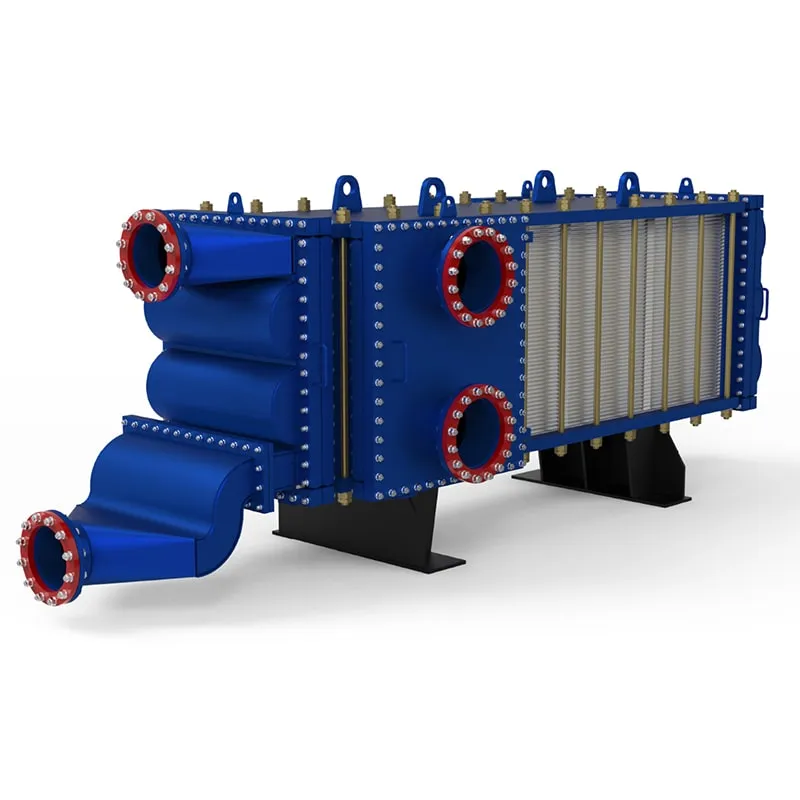
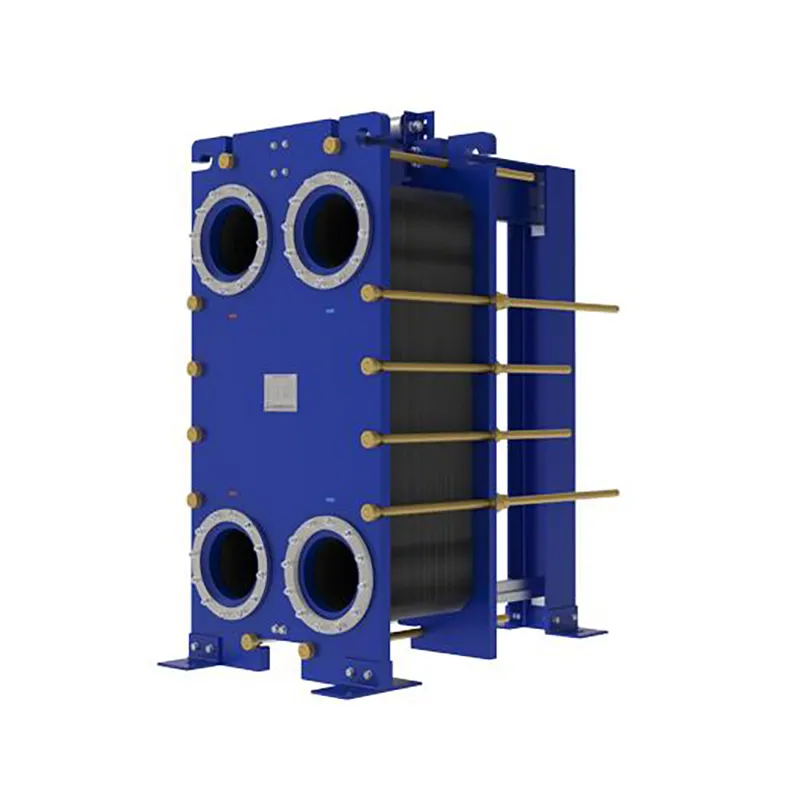
Looking for a reliable lube oil cooler heat exchanger that keeps your machinery running at the right temperature? Our high-performance units are built with welded plate technology, offering efficient heat transfer and long service life. Designed for industrial applications, these exchangers handle demanding conditions while maintaining oil viscosity and protecting equipment. Read on to learn about key features, performance data, and how they fit into your system.
Why Choose a Welded Plate Lube Oil Cooler?
In many industrial settings, lube oil systems need consistent cooling to prevent overheating and maintain proper lubrication. Our heat exchangers use a fully welded plate structure, which eliminates gaskets and reduces the risk of leaks. This design is especially suitable for applications where oil temperatures range from 40°C to 150°C, with pressure ratings up to 30 bar depending on the model. The compact plate arrangement provides a large surface area for heat transfer, allowing for efficient cooling even in tight spaces.
Key Performance Metrics
Based on real-world testing, a typical unit with 50 plates can handle a heat load of approximately 80 kW when cooling lube oil from 65°C down to 45°C, using water at 30°C as the cooling medium. The pressure drop on the oil side is kept below 1.5 bar to ensure smooth flow. These numbers are verified through our in-house performance tests and match the requirements for many compressor and turbine lubrication systems.
Durable Construction for Long-Term Use
Each heat exchanger is made from stainless steel 316L plates, which resist corrosion from oil additives and cooling water. The welded seams are inspected with a helium leak test to ensure zero leakage. We also offer options with carbon steel frames for added strength in heavy-duty environments. The units are designed to meet ASME and PED standards, giving you confidence in their reliability.
Easy Integration into Existing Systems
Our lube oil coolers come with standard flange connections (DN50 to DN150) that match common piping sizes. The compact footprint means you can install them without major layout changes. We also provide custom nozzle positions and mounting brackets upon request. Whether you are upgrading an older system or building a new one, these exchangers fit right in.
Related Products You Might Find Useful
If you are working on a broader heat recovery or cooling project, check out our custom engineered pillow plates for jacketed vessel applications, or our gasketed plate heat exchangers for lower-pressure duties. For extreme temperature conditions, the HT-Bloc welded plate heat exchanger handles up to 300°C. Each product line is built with the same attention to quality and performance.
Practical Considerations for Sizing
When selecting a lube oil cooler, you need to consider oil flow rate, inlet and outlet temperatures, and the type of cooling medium. For example, a system with 200 L/min oil flow and a desired temperature drop of 20°C typically requires a heat exchanger with around 100 plates. Our technical team can help you calculate the exact size based on your fluid properties. We recommend providing the oil viscosity at operating temperature for the most accurate sizing.
Maintenance and Service Life
With no gaskets to replace, maintenance mainly involves periodic cleaning of the cooling water side to prevent scaling. In clean water conditions, the unit can run for years without performance loss. The welded construction also means fewer parts to inspect. We suggest checking the differential pressure across the exchanger every six months to catch any fouling early.
If you have a specific lube oil cooling application in mind, feel free to reach out with your operating parameters. We can provide a detailed proposal including performance curves and dimensional drawings. Our goal is to help you find the right heat exchanger that keeps your equipment running smoothly.

 English EN