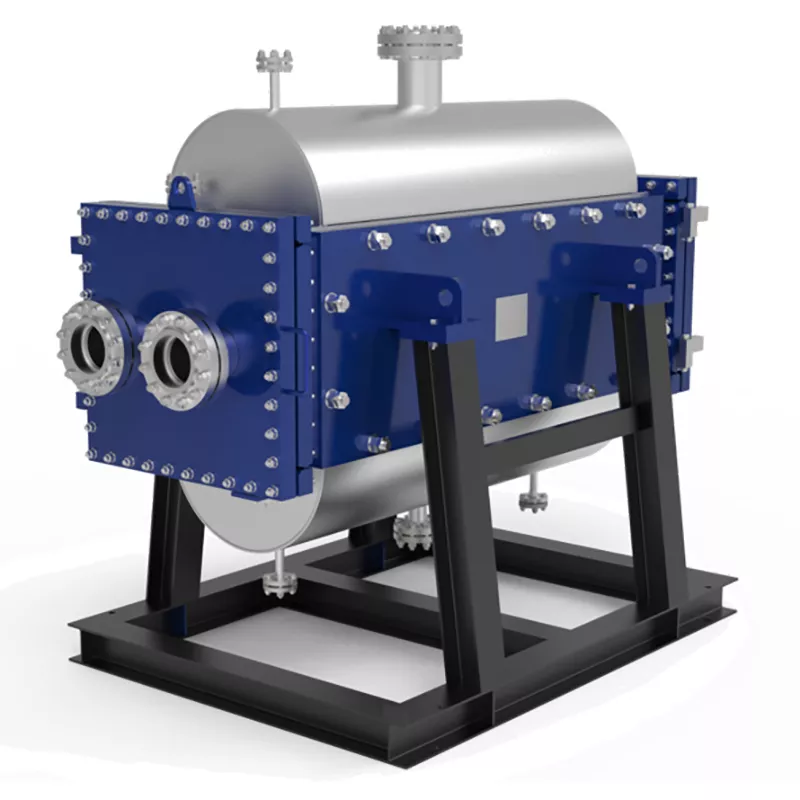
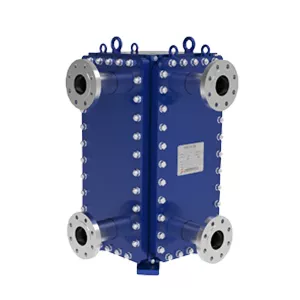
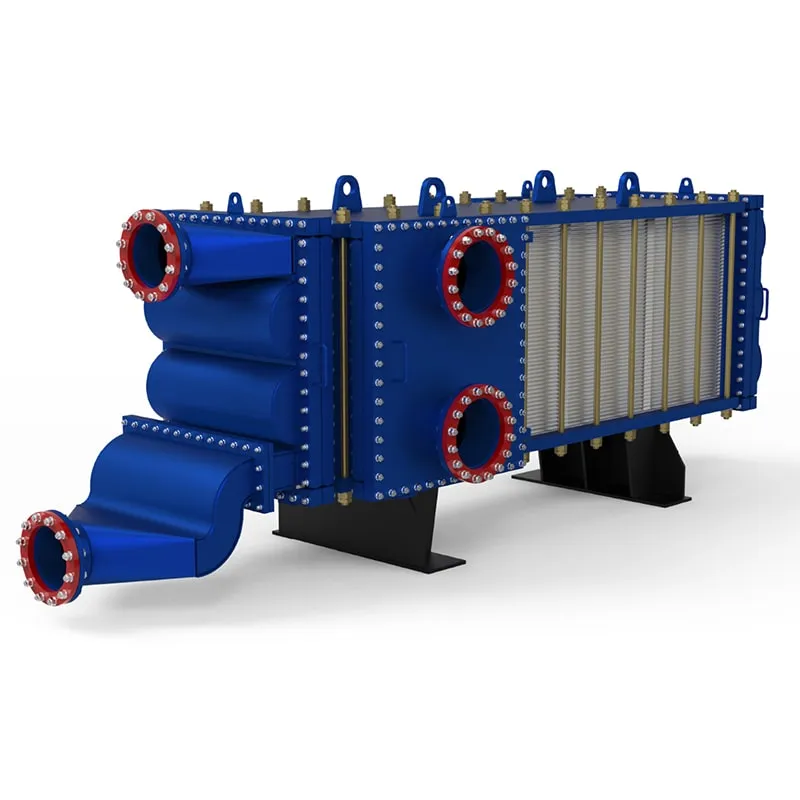
This article explores the design, performance, and real-world applications of welded block heat exchangers in heavy industries. Built for high temperature and pressure environments, these units deliver reliable thermal efficiency with minimal maintenance. We look at key technical features, typical use cases, and why industries are shifting from traditional gasketed designs to fully welded block solutions.
In many industrial processes, heat exchange equipment must handle aggressive fluids, high thermal loads, and frequent cycling. Welded block heat exchangers have become a preferred choice in sectors like chemical processing, oil refining, power generation, and food manufacturing. Unlike gasketed plate heat exchangers, welded block units eliminate the risk of gasket failure and leakage, making them suitable for hazardous or high-purity applications.
A typical welded block heat exchanger consists of a stack of corrugated plates that are laser-welded together to form a compact, monolithic core. This design allows for high heat transfer coefficients while maintaining a small footprint. The absence of gaskets also means these units can operate at temperatures up to 350°C and pressures up to 30 bar, depending on the specific model and materials used. Common materials include stainless steel 316L, titanium, and Hastelloy, chosen based on the fluid corrosiveness and operating conditions.
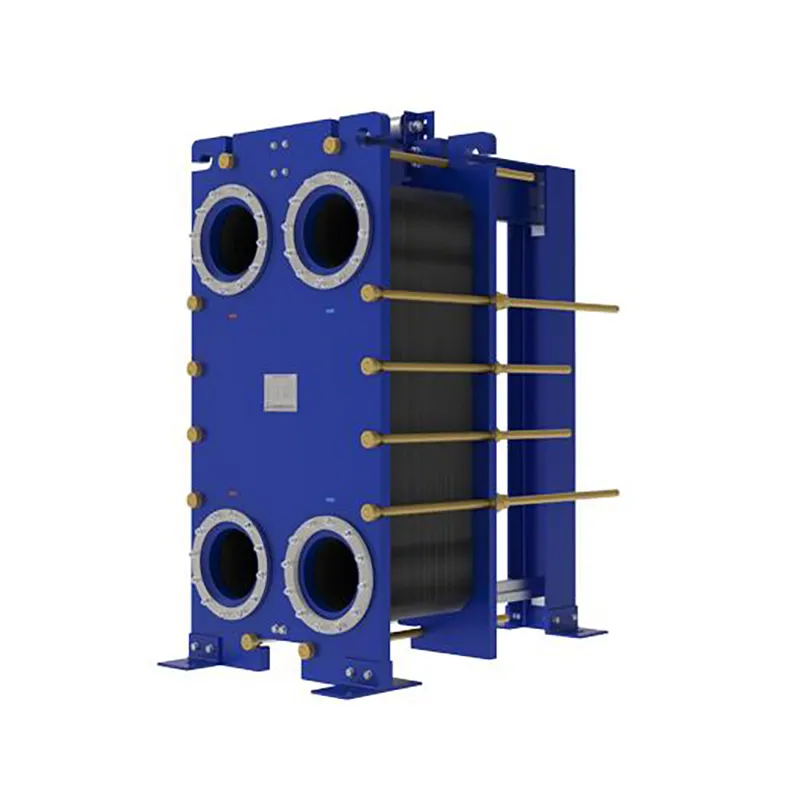
One of the standout benefits of welded block heat exchangers is their ability to handle temperature cross situations. In a typical shell-and-tube unit, achieving a close approach temperature often requires a very large surface area. Welded block designs, with their high turbulence and countercurrent flow arrangement, can achieve approach temperatures as low as 1°C, significantly reducing the required heat transfer area and overall system cost. This makes them especially valuable in heat recovery applications where every degree of temperature difference matters.
Maintenance is another area where welded block exchangers shine. Because there are no gaskets to replace, routine servicing is limited to occasional cleaning of the fluid passages. For fouling-prone fluids, some manufacturers offer removable cover plates or access ports that allow mechanical cleaning without dismantling the entire core. In practice, many users report that welded block units operate for five to ten years with only minimal intervention, provided the fluids are properly filtered and the operating parameters stay within design limits.
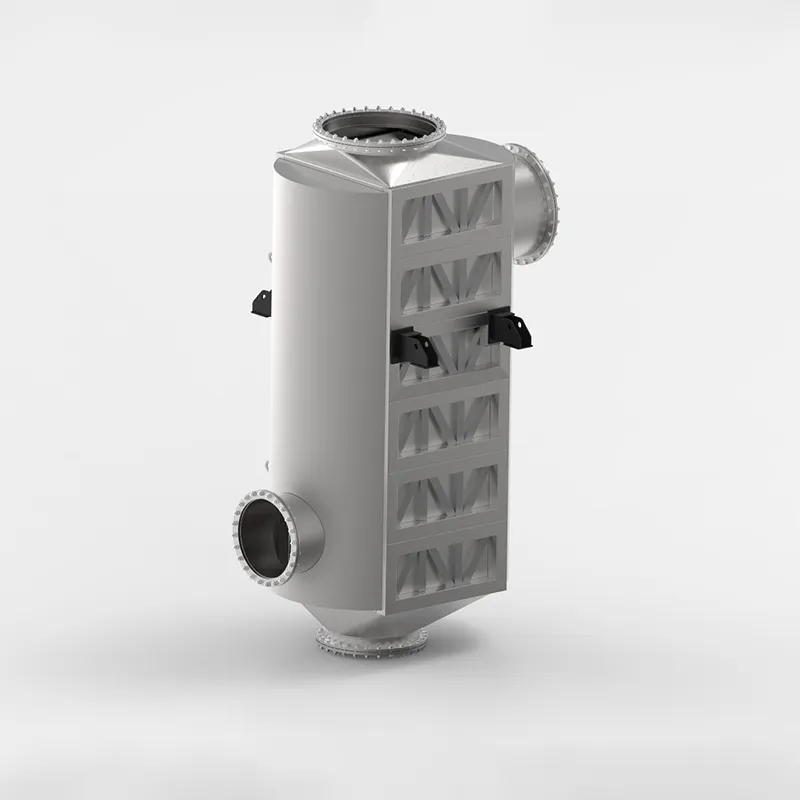
When selecting a welded block heat exchanger, it is important to consider the specific thermal duty, allowable pressure drop, and fluid properties. Manufacturers typically provide performance curves and selection software to help engineers match the right plate geometry and material to the application. For example, a low-pressure drop plate pattern might be chosen for viscous fluids, while a high-turbulence pattern is better for clean liquids where fouling is not a concern. Many suppliers also offer custom-engineered solutions for unique process requirements, including multi-pass configurations and special nozzle orientations.
From a cost perspective, welded block heat exchangers generally have a higher initial purchase price compared to gasketed plate units. However, the total cost of ownership over a ten-year period is often lower due to reduced maintenance, longer service life, and higher thermal efficiency. In applications where downtime is expensive or where fluid leakage poses safety or environmental risks, the premium for a welded design is easily justified.
For those looking to learn more about specific product configurations or to request a quote for a particular application, many manufacturers provide detailed technical documentation and online support. You can explore more about custom-engineered plate air preheaters and other welded plate heat exchanger options through the following resource: custom engineered plate air preheaters. This link offers additional insight into how welded block technology is adapted for air heating duties in industrial boilers and furnaces.
In summary, welded block heat exchangers represent a robust and efficient solution for demanding industrial heat transfer tasks. Their compact design, high thermal performance, and low maintenance requirements make them a smart choice for engineers and plant operators who prioritize reliability and long-term value. Whether you are upgrading an existing system or designing a new process line, it is worth evaluating whether a welded block exchanger fits your specific needs.

 English EN