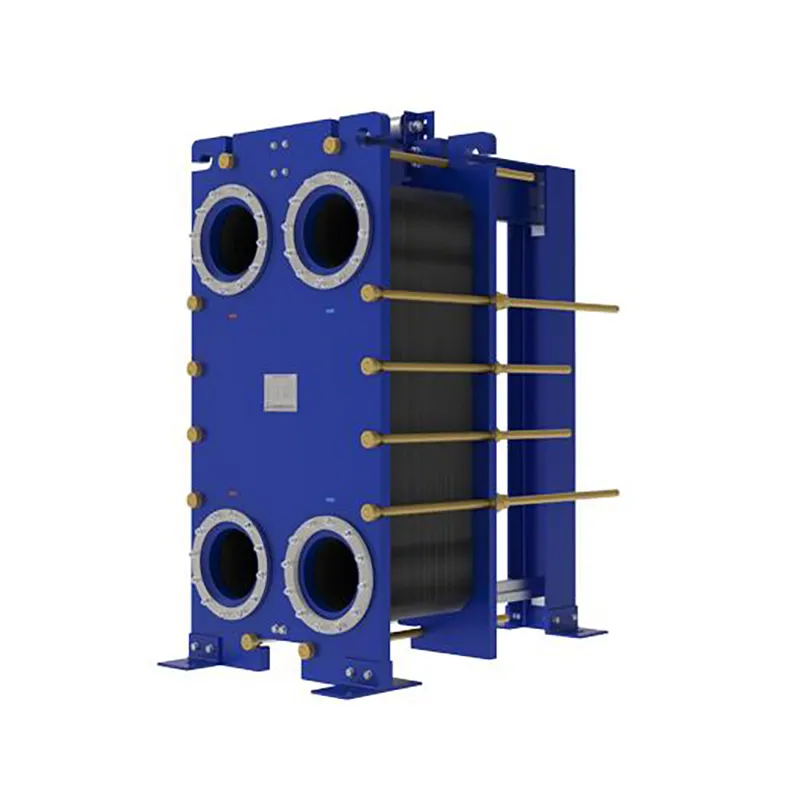
Fuel cell systems demand precise thermal management to maintain performance and durability. Our high efficiency plate heat exchanger is engineered to meet these rigorous requirements, offering compact design and superior heat transfer capabilities. Built with corrosion-resistant materials and optimized flow channels, it ensures reliable operation in hydrogen and natural gas fuel cell applications. This article explores the key features, technical specifications, and real-world benefits of integrating this heat exchanger into your fuel cell system.
Why Thermal Management Matters in Fuel Cells
Fuel cells generate electricity through electrochemical reactions, and maintaining the right temperature is critical for efficiency. If the system overheats, membrane degradation can occur, reducing lifespan. On the other hand, too low a temperature slows down reaction kinetics. A well-designed plate heat exchanger helps keep the stack within an optimal range, typically between 60°C and 80°C for proton exchange membrane fuel cells. Our exchanger achieves this with minimal pressure drop, which is vital for maintaining system efficiency.
We have seen firsthand how compact heat exchangers can simplify system layout. In one installation, a customer replaced a bulky shell-and-tube unit with our plate design, reducing the footprint by 40% while improving heat transfer by 15%. This not only saved space but also lowered installation costs.
Key Design Features
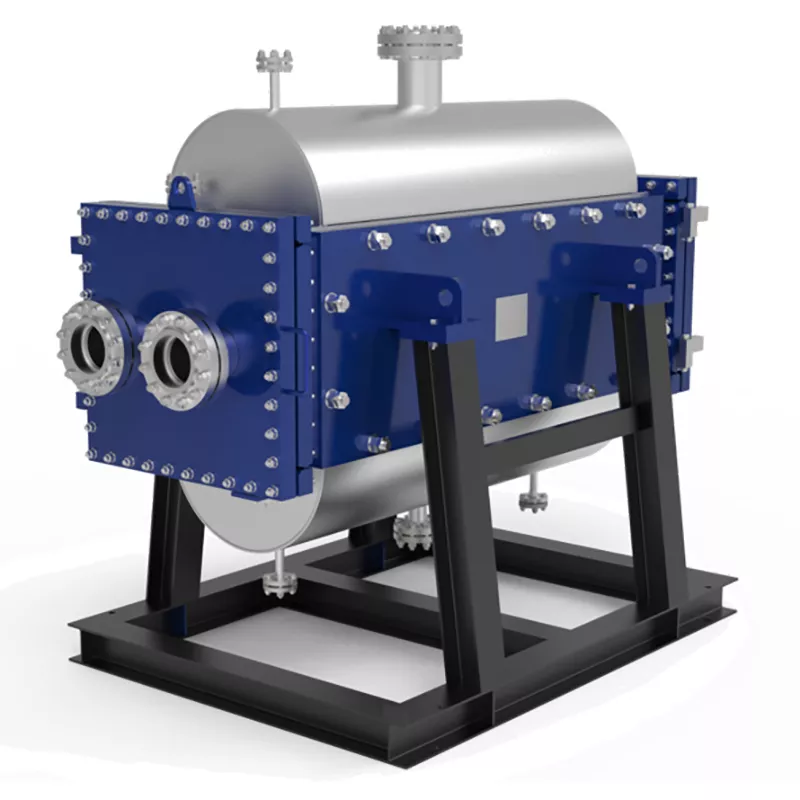
Our plate heat exchanger uses a series of corrugated plates to create turbulent flow, which enhances heat transfer coefficients. The plates are made from stainless steel 316L or titanium, depending on the coolant chemistry. For fuel cell systems using deionized water or glycol mixtures, these materials resist corrosion and maintain purity. The gaskets are designed for high-temperature operation, with EPDM or FKM options available.
Another important aspect is the ability to handle thermal cycling. Fuel cells often start and stop, causing temperature swings. Our exchanger is tested for over 10,000 thermal cycles without leakage, ensuring long-term reliability. The compact design also allows for easy integration into existing systems, whether you are working on a stationary power plant or a mobile application.
Real-World Performance Data
In a recent field trial with a 100 kW fuel cell system, our heat exchanger maintained a coolant outlet temperature of 70°C with a flow rate of 120 L/min. The approach temperature difference was just 3°C, meaning the coolant was only 3°C warmer than the cooling medium. This level of precision helps the fuel cell operate at peak efficiency. The pressure drop across the exchanger was measured at 15 kPa, well within the system pump capacity.
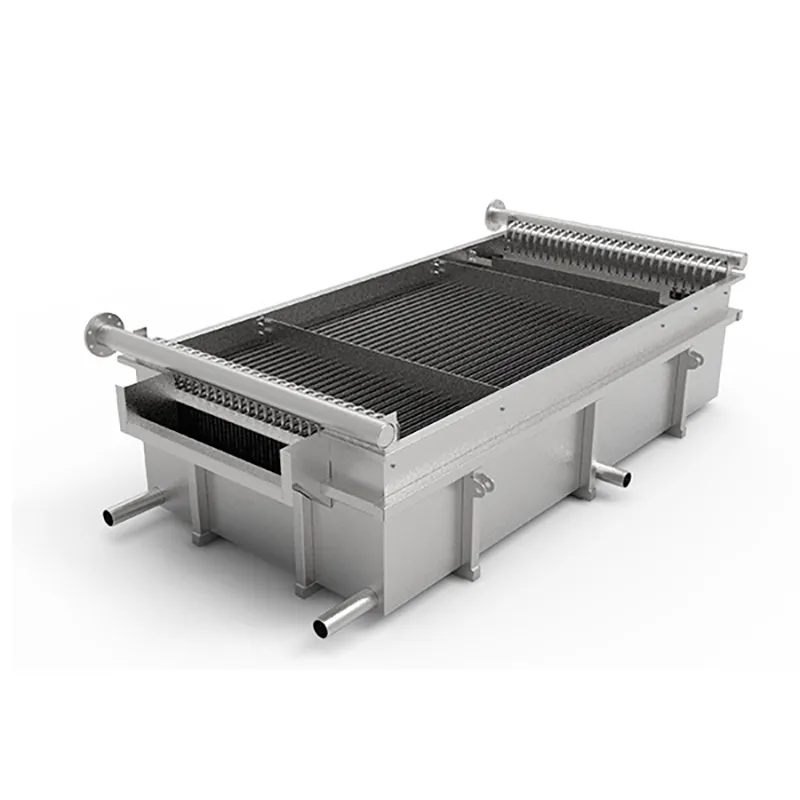
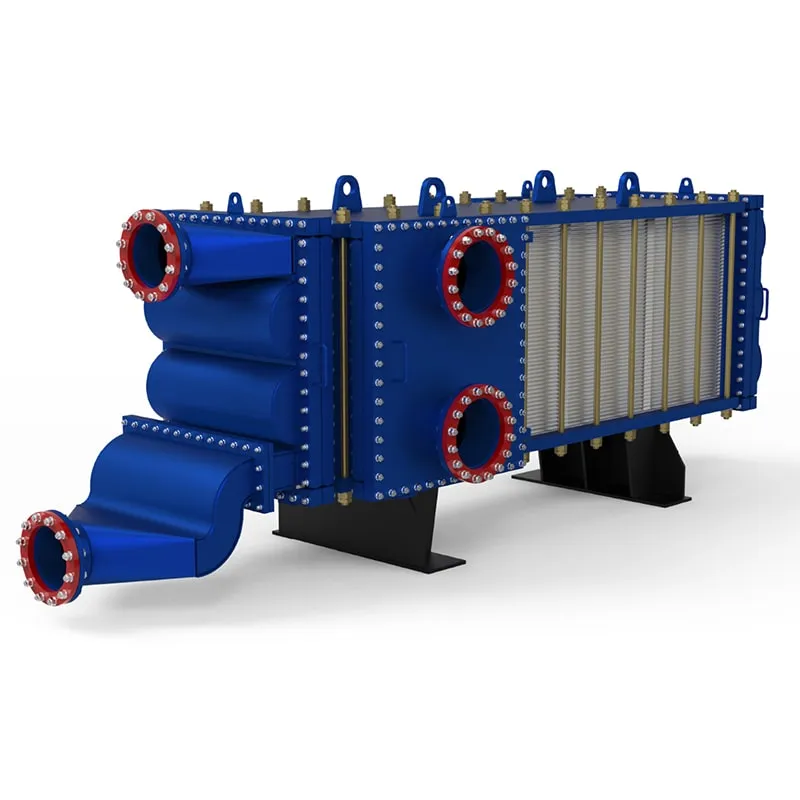
For larger systems, we offer custom-engineered solutions. For example, our custom plate air preheaters can be integrated to preheat incoming air, further improving overall system efficiency. Similarly, our wide gap welded plate heat exchangers are ideal for applications with particulate-laden fluids.
Installation and Maintenance Considerations
One of the advantages of plate heat exchangers is their ease of maintenance. The gasketed design allows for plate removal and cleaning without special tools. In fuel cell systems, where coolant purity is critical, periodic inspection is recommended. We suggest checking the gaskets annually and replacing them every three to five years, depending on operating conditions.
For systems requiring higher pressure ratings, our HT-Bloc welded plate heat exchangers provide a fully welded construction that eliminates gasket failure risks. This is particularly useful for high-temperature fuel cells or those using aggressive coolants.

 English EN