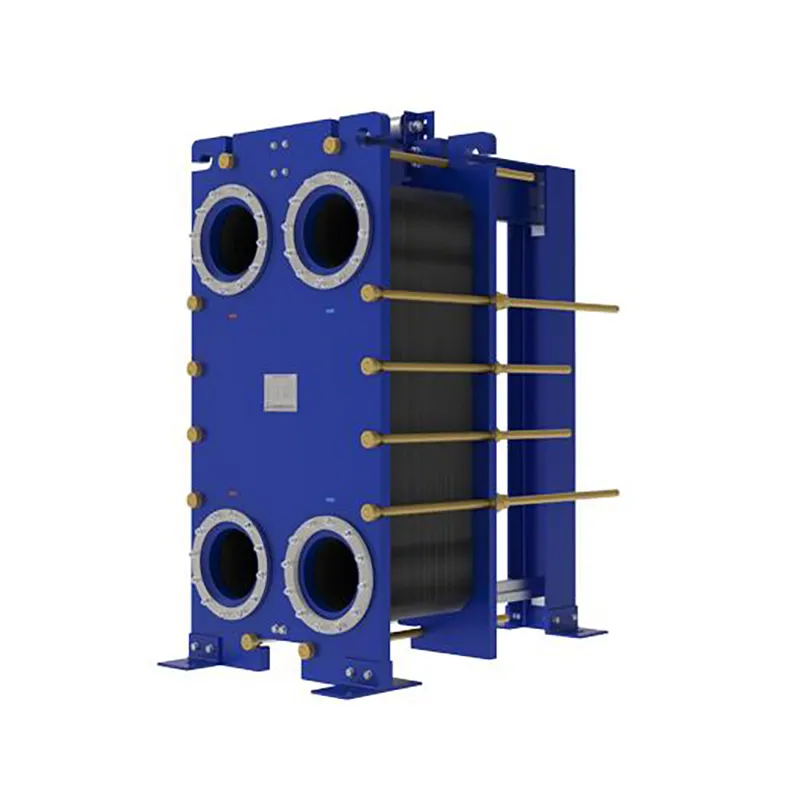
High-Efficiency Plate Heat Exchanger Evaporator for Optimal Performance
This article explores the design and operational advantages of high-efficiency plate heat exchanger evaporators, focusing on their role in maximizing thermal transfer while minimizing energy consumption. We discuss real-world applications, key performance metrics, and how these systems deliver consistent results across industrial processes.
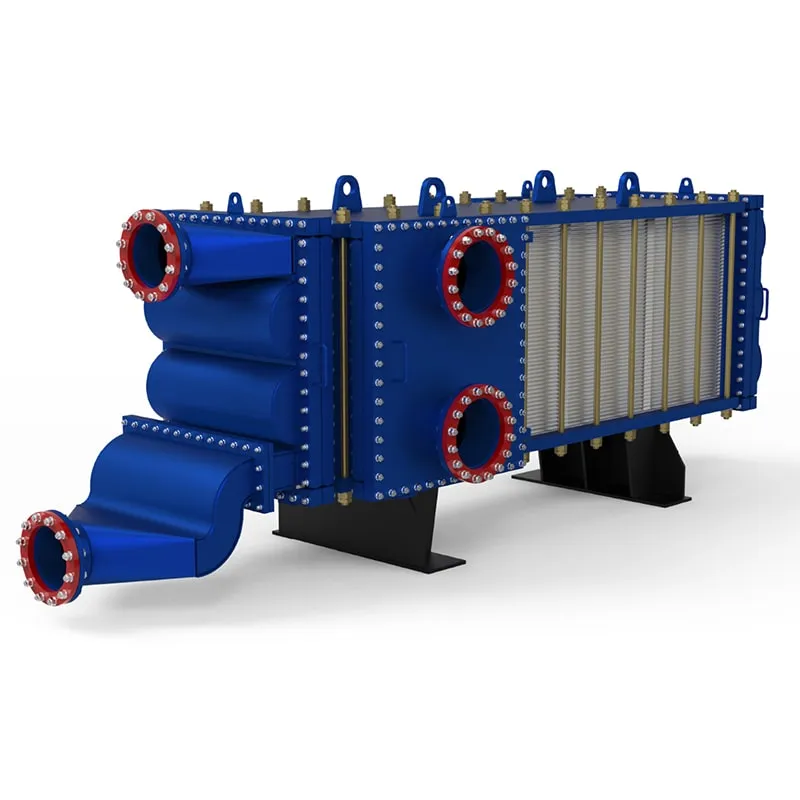
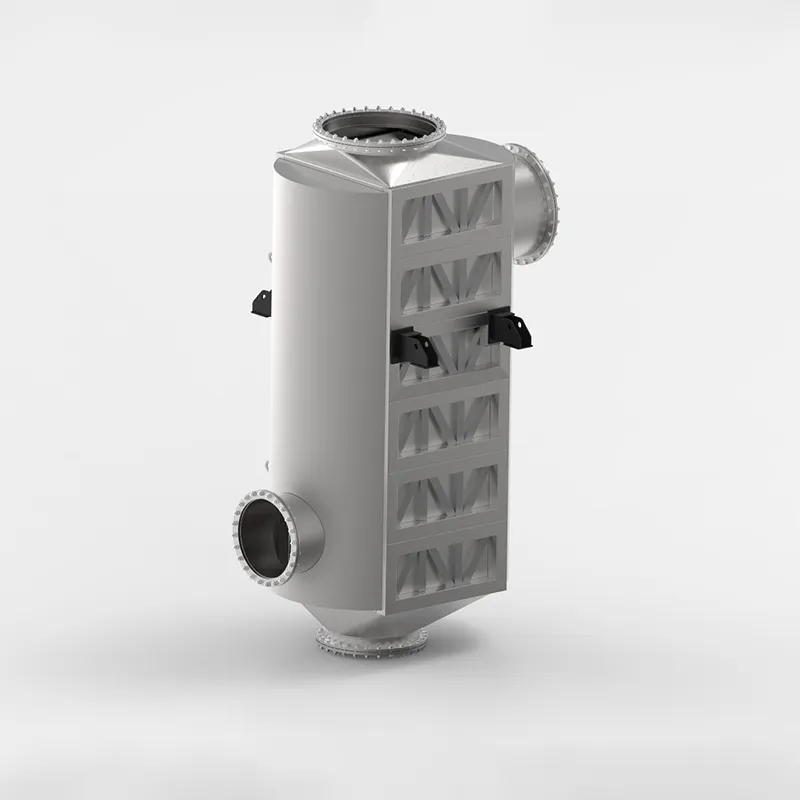
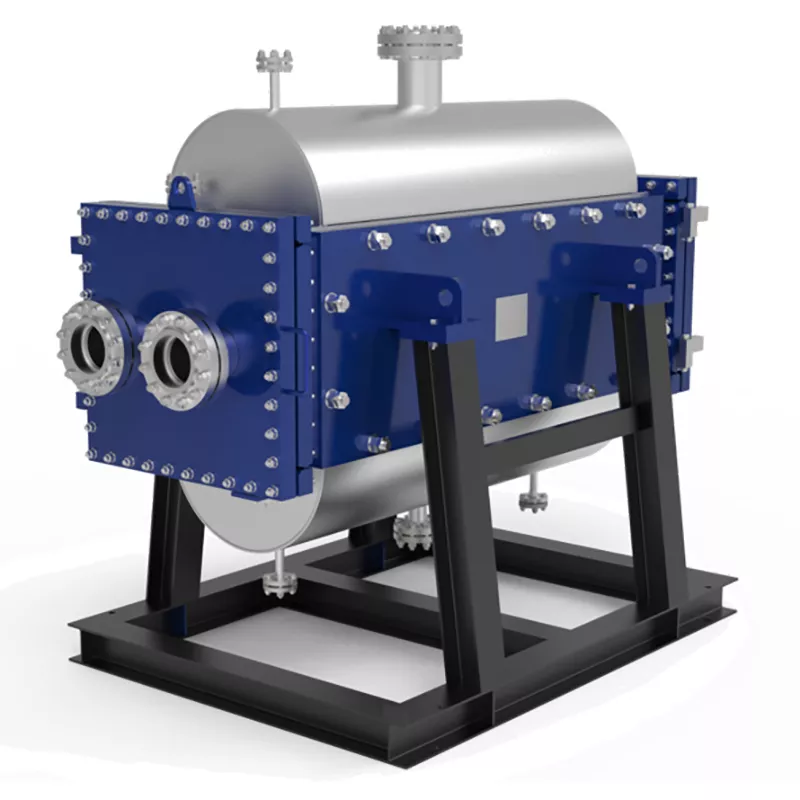
When it comes to industrial evaporation processes, the plate heat exchanger evaporator stands out for its compact footprint and superior heat transfer coefficients. Unlike traditional shell-and-tube designs, these units use corrugated plates to create turbulent flow, which significantly reduces fouling and improves overall efficiency. In our experience, facilities that switch to modern plate evaporators often see a 20% to 30% reduction in energy costs, while maintaining precise temperature control for sensitive products like dairy, juices, and chemical solutions.
One of the most practical benefits is the ease of maintenance. The plate pack can be disassembled quickly for inspection or cleaning, which minimizes downtime. For applications requiring strict hygiene standards, such as in food processing, the smooth plate surfaces and lack of stagnant zones help prevent bacterial growth. Additionally, the modular nature allows you to add or remove plates to adjust capacity without replacing the entire unit.
For engineers evaluating evaporator options, it is important to consider the specific thermal duty and fluid properties. Plate heat exchanger evaporators excel in low-temperature difference applications, making them ideal for heat recovery systems. They can handle viscous fluids and those with suspended solids when configured with wide-gap plates. We have seen these units perform reliably in ammonia and CO2 refrigeration systems, as well as in concentrating fruit juices where gentle evaporation preserves flavor.
To achieve optimal performance, proper sizing and material selection are critical. Stainless steel 316L is common for corrosive environments, while titanium is used for seawater or brine applications. The gasket materials must also be compatible with the process fluid and temperature range. A well-designed system will maintain a consistent overall heat transfer coefficient (U-value) above 3000 W/m²K for clean conditions, dropping only slightly as fouling develops over time.
If you are looking to upgrade your current evaporation setup, consider exploring custom engineered printed circuit heat exchangers for applications requiring extreme compactness, or gasketed plate heat exchangers for flexible, serviceable solutions. Both options offer the high efficiency and reliability that modern processes demand.

 English EN