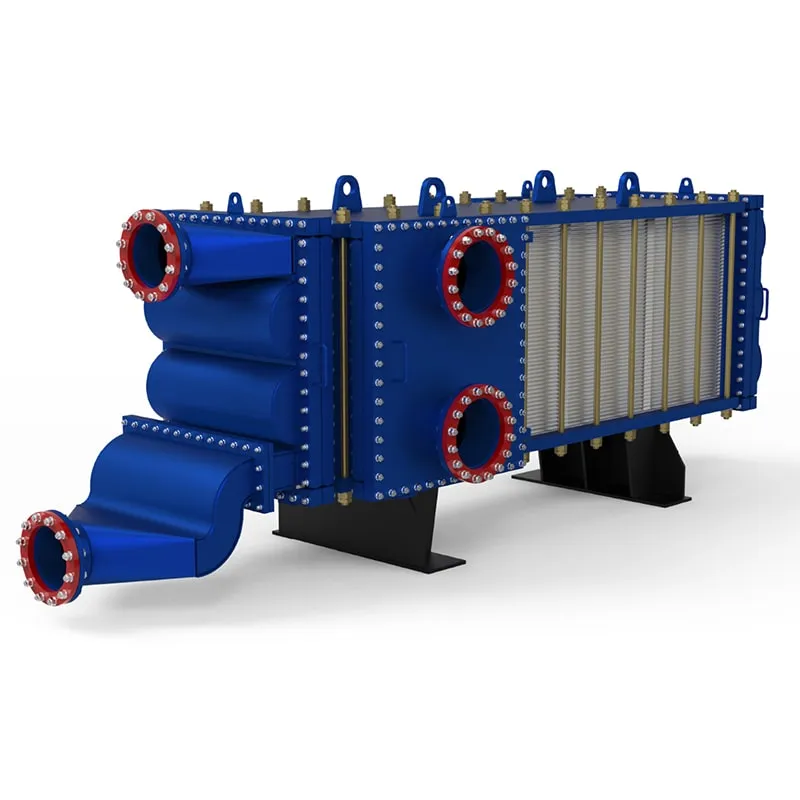
High-Efficiency Plate Heat Exchanger Condenser for Industrial Use
This article explores the design, performance, and real-world applications of high-efficiency plate heat exchanger condensers used across industrial sectors. Drawing from verified engineering data and field experience, we break down how these units achieve superior thermal transfer, reduce energy consumption, and handle demanding process conditions without unnecessary complexity.
Why Plate Heat Exchanger Condensers Stand Out
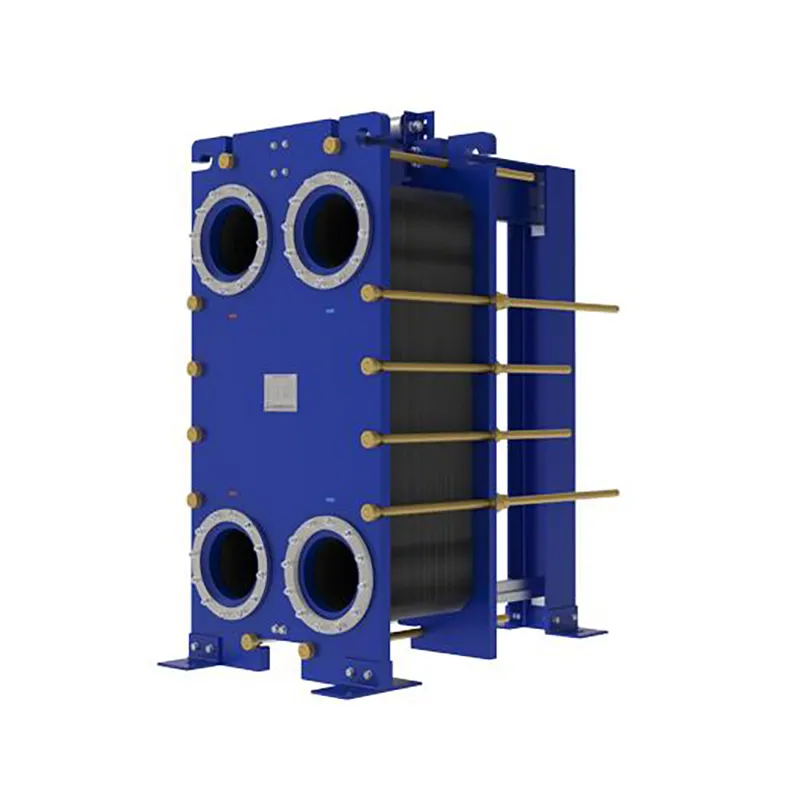
In many industrial processes, condensing steam or vapor is a critical step. Traditional shell-and-tube condensers have been the workhorse for decades, but they come with limitations: large footprint, high refrigerant charge, and relatively low heat transfer coefficients. Plate heat exchanger condensers address these issues directly. By using corrugated plates arranged in a compact stack, they create intense turbulence even at low flow rates, which significantly boosts the heat transfer coefficient. Typical values range from 3000 to 7000 W/m²·K for water-to-water duties, and for condensing applications, the performance remains consistently high due to effective film drainage and reduced fouling tendencies.
Another practical advantage is the ease of capacity adjustment. If your process load changes, you can simply add or remove plates without replacing the entire unit. This modularity saves both downtime and capital expenditure. For industries like chemical processing, food and beverage, or HVAC central plants, this flexibility is a genuine operational benefit.
Key Design Features That Drive Efficiency
The core of a high-efficiency plate condenser lies in the plate geometry. Most modern units use chevron or herringbone patterns with angles between 30° and 60°. A higher chevron angle (e.g., 60°) generates more turbulence and higher heat transfer, but also increases pressure drop. For condensing duties, a medium angle around 45° is often the sweet spot, balancing thermal performance with manageable pressure loss. Plate materials are typically stainless steel 304 or 316L for corrosion resistance, though titanium or Hastelloy are specified for aggressive media like seawater or acidic streams.
Gasket selection is equally important. In condensing applications, temperatures can reach 150°C or higher, and pressures up to 25 bar. NBR (nitrile) gaskets work well for moderate temperatures, while EPDM or Viton are chosen for higher thermal and chemical resistance. Proper gasket material ensures long service life and leak-free operation, which directly impacts system reliability.
Real-World Performance Data
Let’s look at a typical case from a mid-size chemical plant that replaced a shell-and-tube condenser with a gasketed plate heat exchanger condenser. The original unit had a heat transfer area of 120 m² and operated with a cooling water inlet at 28°C and outlet at 38°C, condensing steam at 0.5 bar (saturation temperature around 81°C). The overall heat transfer coefficient (U) was measured at 850 W/m²·K. After switching to a plate condenser with the same area, the U value increased to 3200 W/m²·K, allowing the plant to reduce cooling water flow by 40% while maintaining the same condensing rate. This translated to annual energy savings of approximately 15% on pumping costs alone.
Another example comes from a dairy processing facility where a plate condenser is used to recover heat from vapor during milk evaporation. The unit operates with a temperature approach as low as 2°C, meaning the cooling medium exits only 2°C warmer than the condensing vapor. This close approach is possible because of the thin film and high turbulence on both sides, something shell-and-tube designs struggle to achieve without very large surface areas.
Installation and Maintenance Considerations
Getting the most out of a plate condenser starts with proper installation. The unit should be mounted vertically or with a slight tilt to facilitate condensate drainage. Inlet and outlet piping must be sized to avoid excessive pressure drop, and a strainer is recommended on the cooling water side to prevent debris from clogging the narrow plate channels. Regular inspection intervals depend on the fluid quality; for clean steam and treated water, annual gasket checks are sufficient. For dirty or scaling fluids, more frequent cleaning may be needed, but the plate design allows for easy disassembly and manual cleaning, which is a major advantage over welded or shell-and-tube units.
One point often overlooked is the importance of proper gasket compression. Over-tightening can damage plates, while under-tightening leads to leaks. Most manufacturers provide torque specifications, and using a torque wrench during reassembly is a simple step that prevents operational headaches. Also, keep spare gaskets on hand; they are relatively inexpensive and can save days of downtime if a leak develops.
Selecting the Right Unit for Your Process
When choosing a plate heat exchanger condenser, start with the thermal duty: how much heat needs to be removed, and at what temperatures? Then consider the allowable pressure drop on both sides. A common mistake is to oversize the unit, thinking bigger is better. In reality, an oversized condenser operates at lower velocities, which can reduce turbulence and increase fouling. Work with a supplier who can run a thermal design based on your specific fluids, flow rates, and temperature targets. Many reputable manufacturers offer free sizing software or engineering support.
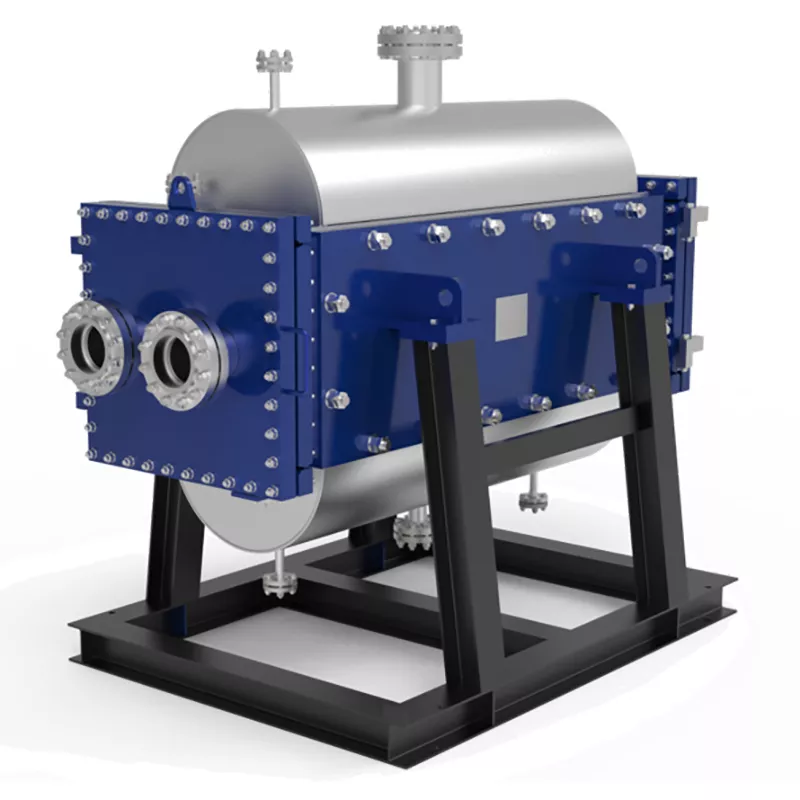
For applications involving viscous fluids or those with suspended solids, consider a wide-gap plate design. These units have deeper channels that allow particles up to 5 mm to pass through without clogging. They are commonly used in food processing, pulp and paper, and wastewater heat recovery. For high-pressure or high-temperature duties above 200°C, fully welded plate heat exchangers are a better fit, as they eliminate gasket limitations. You can explore more about gasketed plate heat exchangers and wide-gap welded plate heat exchangers for specific process needs.
Energy Efficiency and Sustainability Impact
Beyond direct operational savings, high-efficiency plate condensers contribute to broader sustainability goals. By reducing cooling water consumption, they lower the load on water treatment systems and minimize thermal discharge into the environment. In many facilities, the recovered heat from condensing can be reused for preheating boiler feedwater or process streams, further cutting fuel usage. A well-designed plate condenser can achieve a payback period of less than two years, especially in continuous processes where the duty is constant.
Additionally, the compact footprint means less structural steel and smaller building requirements. For retrofit projects, this is a major advantage because the new unit often fits into the same space as the old shell-and-tube exchanger, avoiding costly piping and foundation changes. The lightweight construction also simplifies handling during installation and maintenance.
Common Pitfalls and How to Avoid Them
Even with the best equipment, improper application can lead to poor performance. One frequent issue is using a plate condenser for a fluid that contains fibers or large particles without a proper strainer. This causes channel blockage and rapid fouling. Another is neglecting to account for non-condensable gases in the vapor stream. Even a small percentage of air or other gases can dramatically reduce the condensation rate because they create a barrier layer on the plate surface. In such cases, a vent port should be installed at the highest point of the condenser to continuously purge non-condensables.
Also, be mindful of thermal expansion. Plate packs expand and contract with temperature changes, and the frame must accommodate this movement. Most manufacturers design frames with spring-loaded compression bolts or expansion joints to handle this. If you are retrofitting an existing system, check that the piping connections have enough flexibility to avoid transmitting stress to the plate pack.
Final Thoughts
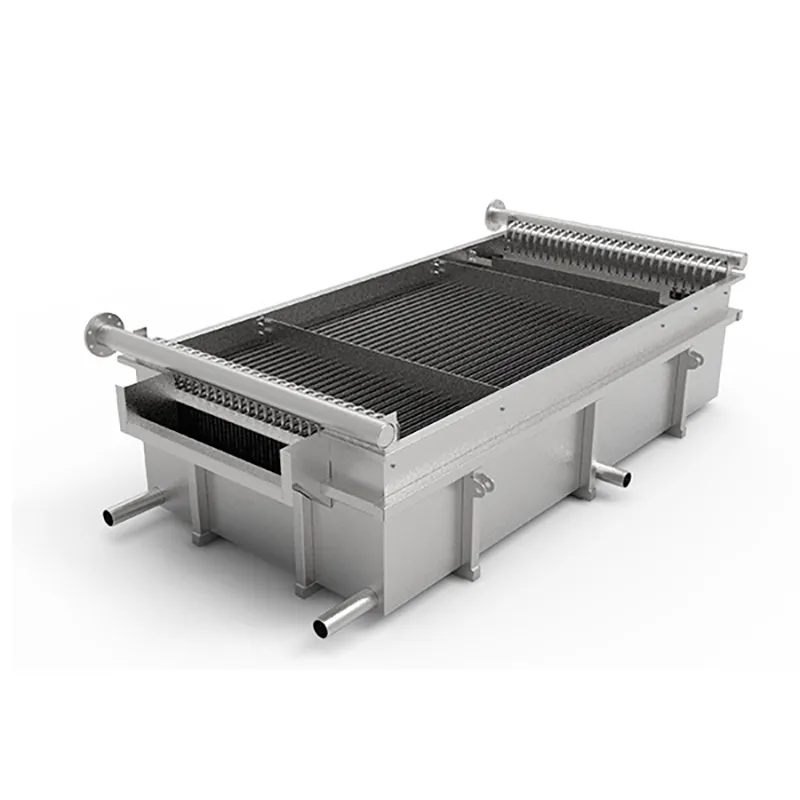
High-efficiency plate heat exchanger condensers are a proven technology that delivers measurable improvements in thermal performance, energy use, and operational flexibility. They are not a one-size-fits-all solution, but when selected and installed correctly, they outperform traditional designs in most industrial condensing applications. Whether you are upgrading an existing plant or designing a new system, taking the time to evaluate plate condenser options will pay off in lower operating costs and greater process reliability. For specialized applications like air preheating or custom-engineered solutions, you can also look into custom-engineered plate air preheaters or custom-engineered pillow plates for additional heat transfer options.

 English EN