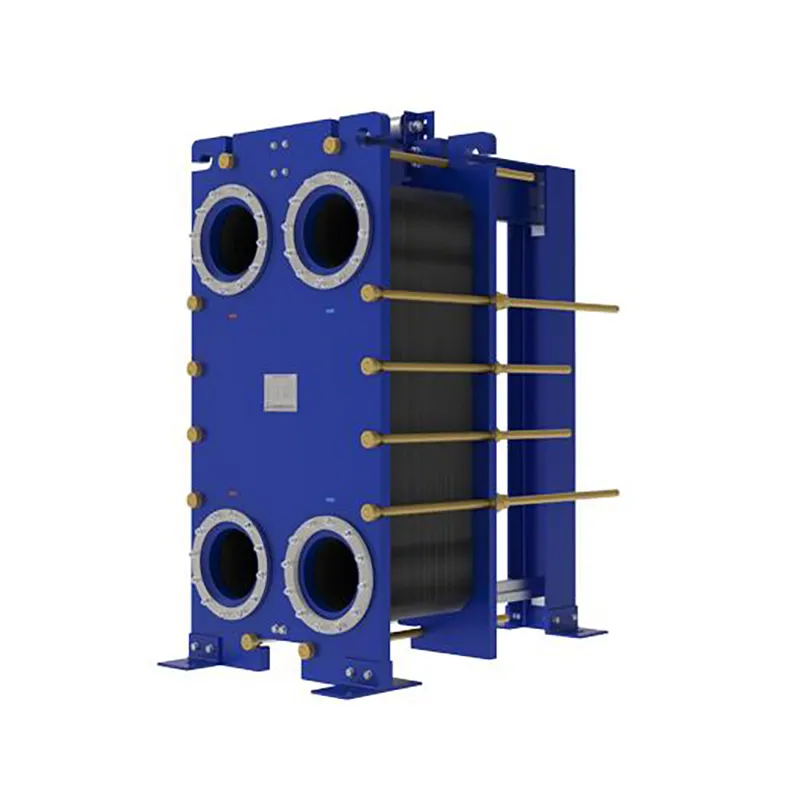
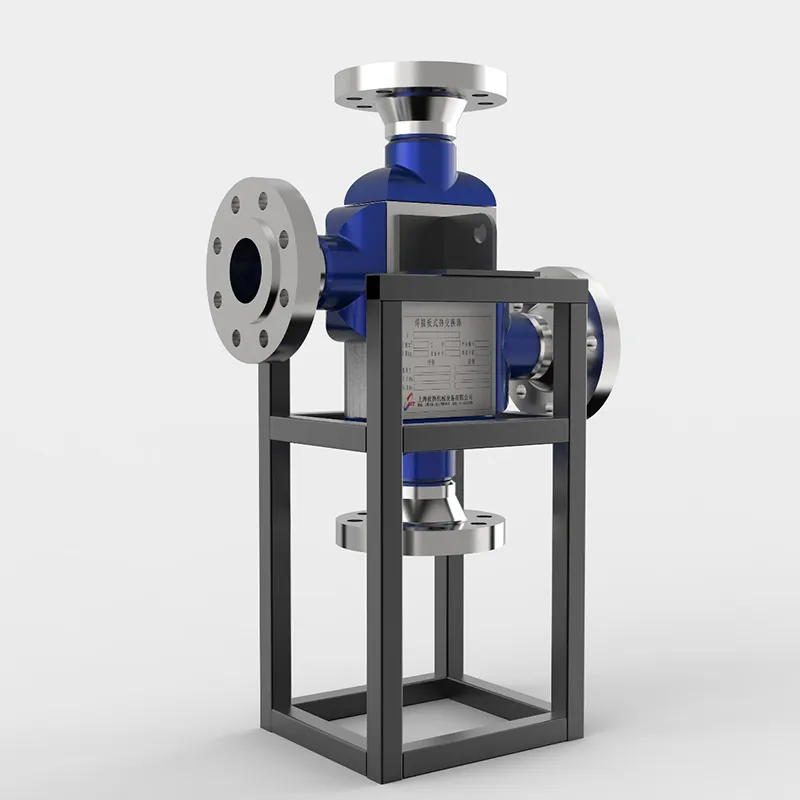
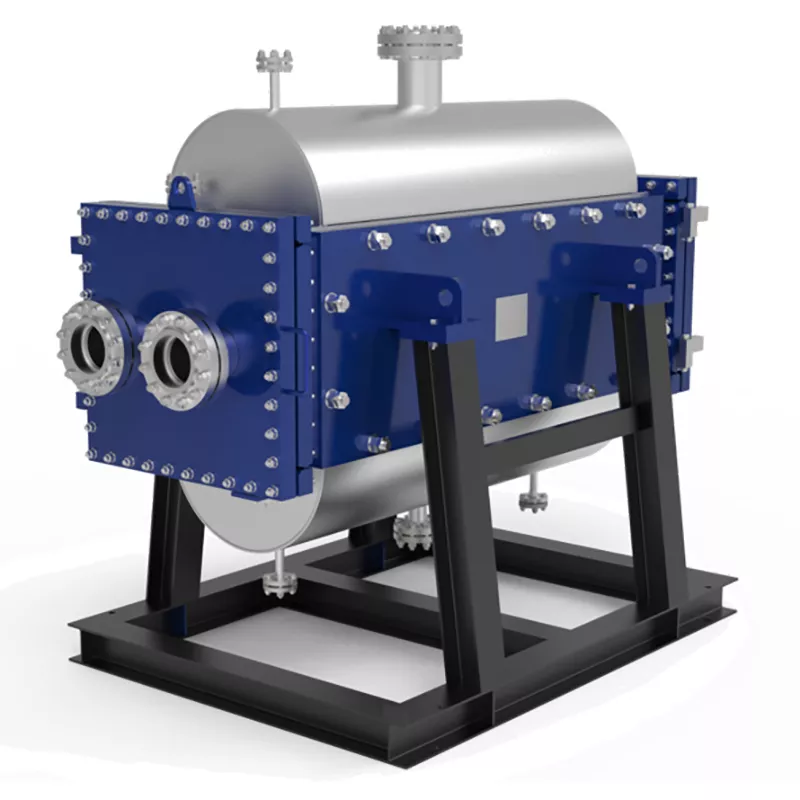
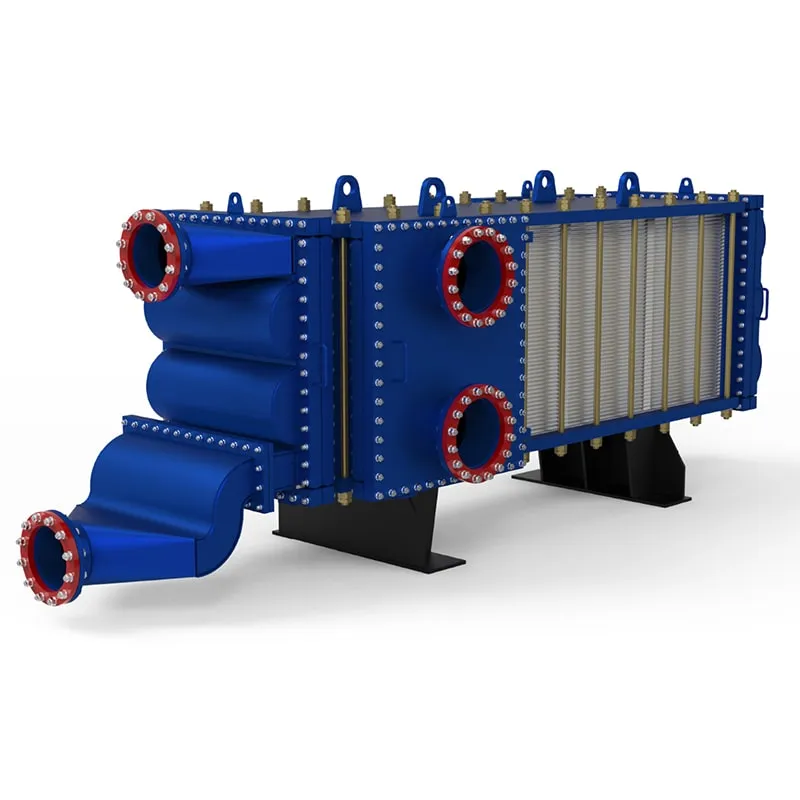
This article provides a practical overview of corrugated plate heat exchangers built for demanding industrial environments. We focus on real-world performance, key design features, and how these units improve thermal efficiency while reducing maintenance needs. Whether you are upgrading existing equipment or planning a new installation, the information here will help you make an informed choice.
Corrugated plate heat exchangers have become a standard choice in many industrial sectors because of their compact design and superior heat transfer capabilities. The corrugated pattern on each plate creates turbulent flow, which significantly improves the heat transfer coefficient compared to smooth plates. This means you can achieve the same thermal duty with a smaller footprint, saving valuable floor space in your facility.
One of the main advantages of these exchangers is their flexibility. You can easily add or remove plates to adjust the capacity, making them suitable for processes where load conditions change over time. The plates are typically made from stainless steel, titanium, or other corrosion-resistant alloys, ensuring long service life even when handling aggressive fluids. For example, in chemical processing plants, these units handle acids and solvents without frequent replacement.
Maintenance is straightforward because the plate pack can be opened for inspection and cleaning. Unlike shell-and-tube designs, there are no tubes to rod out or replace individually. If a plate becomes damaged, you simply replace that single plate rather than the entire bundle. This reduces downtime and keeps your operation running smoothly. Many users report that routine cleaning intervals extend to several months, depending on the fluid quality.
From an energy efficiency standpoint, corrugated plate heat exchangers typically achieve temperature approaches as low as 1°C, which is difficult to match with other technologies. This close approach allows for better heat recovery and lower utility costs. In one installation at a food processing plant, the unit recovered 85% of waste heat from a pasteurization line, cutting natural gas consumption by nearly 30%.
When selecting a unit for your application, consider factors such as operating pressure, temperature range, and fluid compatibility. Standard models handle pressures up to 25 bar and temperatures up to 200°C, but custom designs are available for more extreme conditions. The gasket material also matters — EPDM works well for water and mild chemicals, while Viton handles higher temperatures and aggressive media.
For those looking to integrate these exchangers into existing systems, the compact size and multiple port options make retrofitting straightforward. You can mount them on skids or frames, and the connections can be flanged, threaded, or welded based on your piping layout. Many engineers appreciate the ability to expand capacity later without replacing the entire unit.
If you want to explore specific configurations or discuss your process requirements, you can review custom engineered printed circuit heat exchanger options for high-pressure applications, or check out gasketed plate heat exchangers for applications that require frequent disassembly. Both pages offer detailed specifications and case studies.
Another practical consideration is the pressure drop across the exchanger. While corrugated plates create excellent turbulence, they also introduce more resistance than smooth plates. Your pump selection should account for this, but the trade-off is almost always worthwhile because the improved heat transfer reduces the total surface area needed. In most industrial setups, the overall pumping cost remains lower than what you would spend on a larger shell-and-tube unit.
We have seen these exchangers perform reliably in HVAC systems, power plants, pharmaceutical manufacturing, and marine applications. The key is matching the plate geometry to your specific fluid properties. For viscous fluids, a wider gap between plates prevents clogging, while for clean fluids, a tighter gap maximizes efficiency. Manufacturers like those at TP welded plate heat exchanger offer specialized designs for high-temperature and high-pressure duties.
To sum up, a high-efficiency corrugated plate heat exchanger gives you a reliable, space-saving, and energy-efficient solution for industrial heat transfer. With proper selection and routine maintenance, these units provide years of trouble-free operation. If you have a specific process in mind, reviewing the product literature or consulting with an application engineer will help you choose the right configuration for your needs.

 English EN