Effective Heat Exchanger Plate Cleaning Tips for Peak Efficiency
Keeping your heat exchanger plates clean is one of the most practical ways to maintain system performance and lower energy costs. Over time, fouling from mineral deposits, organic matter, or process residues can reduce heat transfer efficiency by up to 30%. This guide shares straightforward cleaning methods, from gentle manual scrubbing to advanced chemical circulation, helping you restore your equipment without guesswork. Whether you work with gasketed or welded plate units, these tips are based on real-world maintenance experience and proven industry practices.
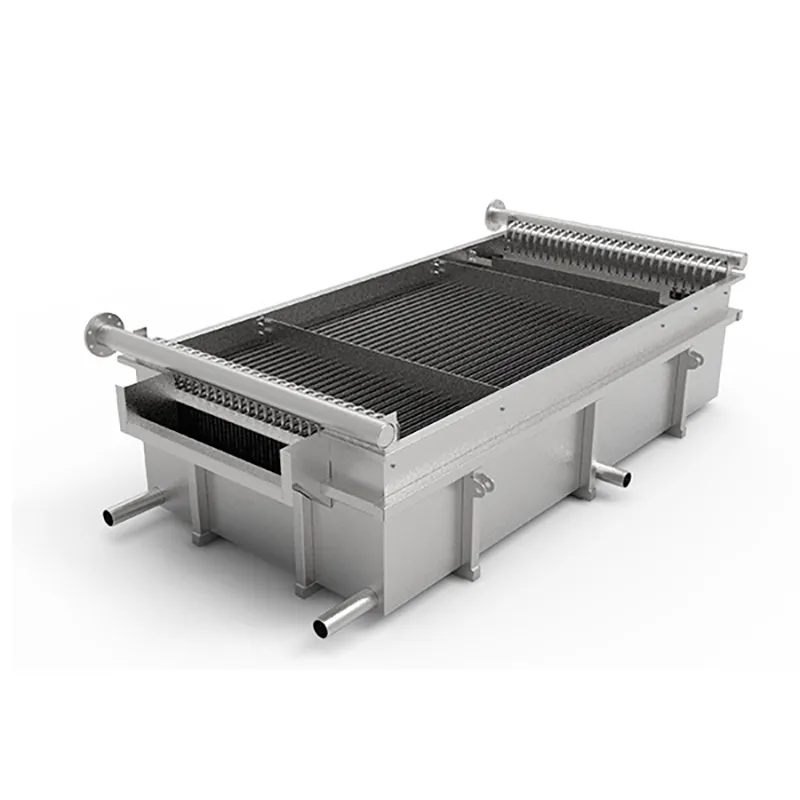
Why Regular Cleaning Matters
Dirty plates force your system to work harder, increasing energy consumption and risking overheating. In many industrial settings, a 1mm layer of scale can cut heat transfer efficiency by roughly 10%. Regular cleaning not only prevents unplanned downtime but also extends the lifespan of your plates. For example, in food processing plants, weekly or bi-weekly cleaning of gasketed plate heat exchangers has been shown to maintain thermal performance within 95% of design specs.
Different fouling types require different approaches. Calcium carbonate scaling responds well to acidic cleaners, while organic fouling from oils or proteins needs alkaline solutions. Knowing what you are dealing with is the first step toward an effective cleaning routine.
Manual Cleaning for Light Fouling
For plates with light deposits, manual cleaning with a soft brush and warm water is often sufficient. Avoid using steel wool or abrasive pads, as they can scratch the plate surface and create sites for future fouling. A mixture of warm water and a mild detergent works well for removing grease and light organic residues. Rinse thoroughly with clean water after scrubbing to prevent detergent residue from affecting heat transfer.
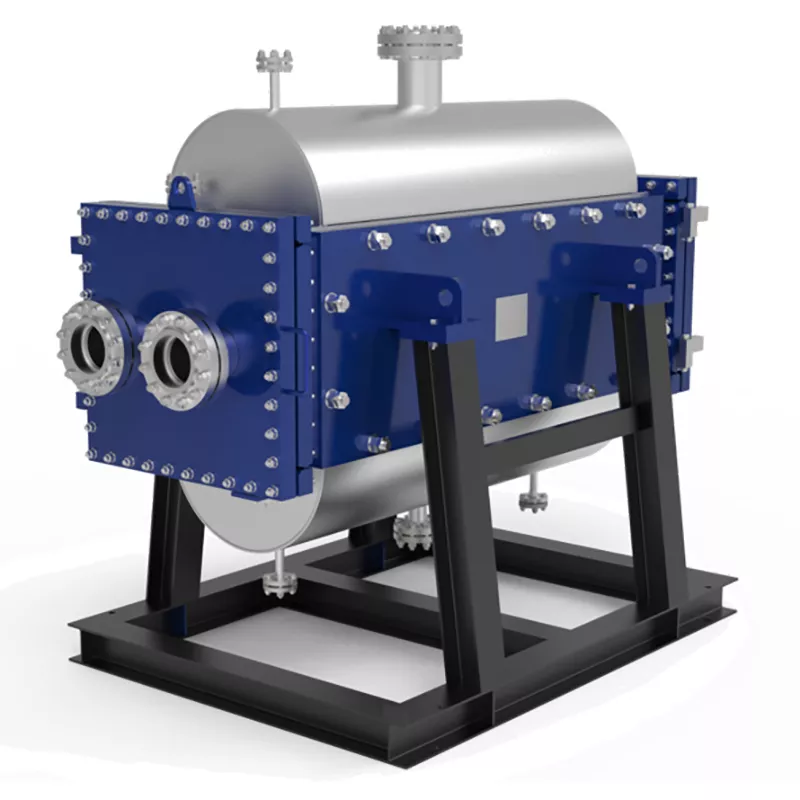
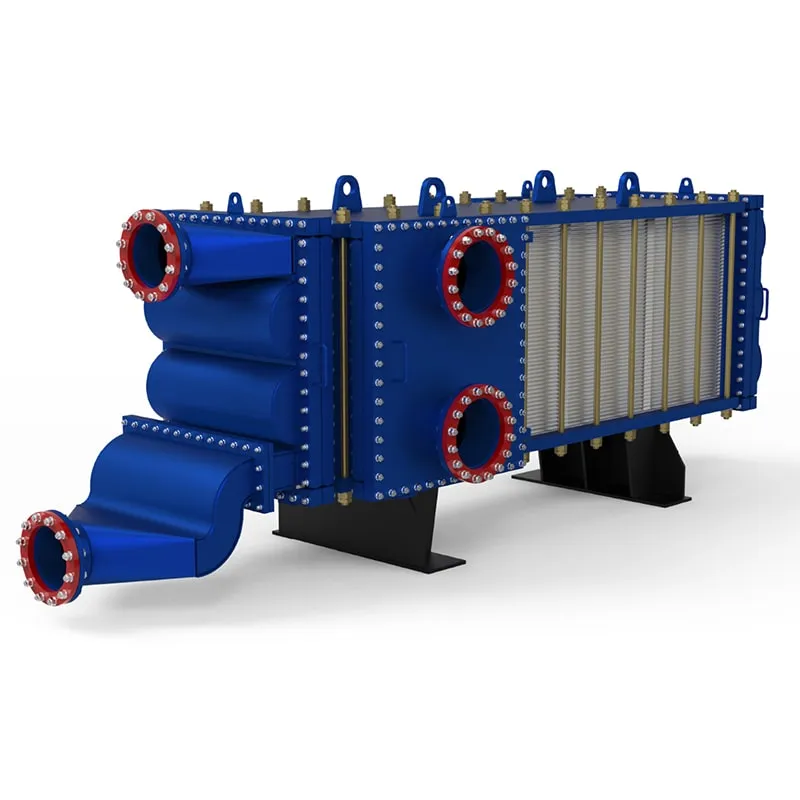
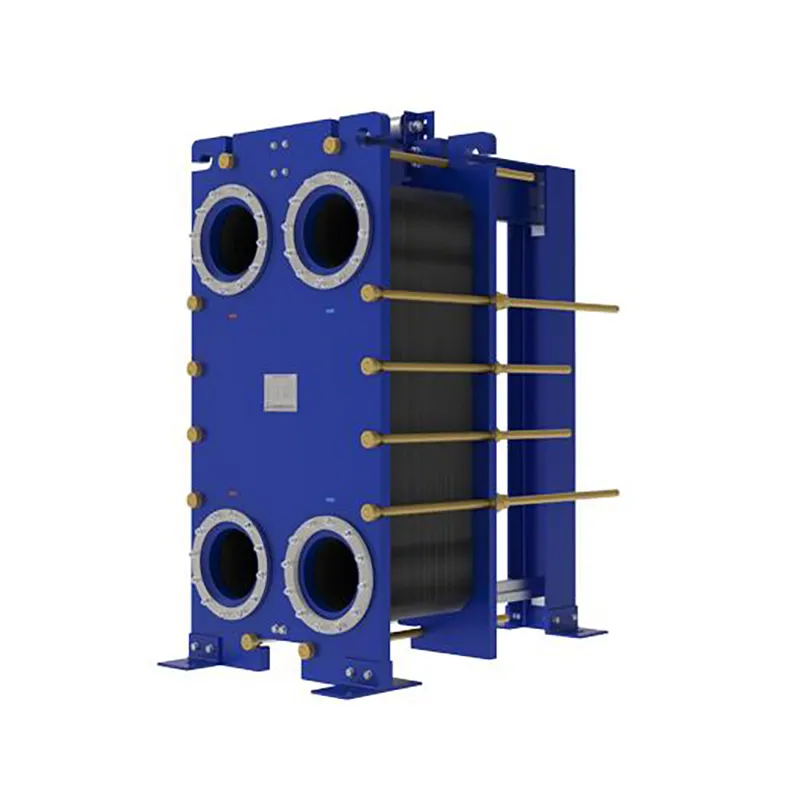
If you are working with a gasketed plate heat exchanger, pay extra attention to the gasket grooves. Debris trapped there can cause leaks. Use a soft nylon brush to clean these areas gently. For welded plate units, focus on the flow channels where deposits tend to accumulate near the inlet and outlet ports.
Chemical Cleaning for Stubborn Deposits
When manual cleaning is not enough, chemical circulation is a reliable method. For mineral scales like calcium carbonate, a 5% to 10% citric acid solution at 60°C circulated for 30 to 60 minutes is effective. For organic fouling, a 2% to 3% sodium hydroxide solution at 70°C works well. Always check the manufacturer guidelines for your specific plate material, as some chemicals can corrode stainless steel or titanium plates if used incorrectly.
After chemical cleaning, neutralize the system with a fresh water rinse until the pH of the outlet water matches the inlet water. This step is critical to avoid residual chemicals affecting future operations. In a recent field test, a dairy plant using this method restored their welded plate heat exchanger efficiency from 78% to 96% in a single cleaning cycle.
In-Situ Cleaning Without Disassembly
For large or hard-to-access units, in-situ cleaning saves time and labor. This involves circulating a cleaning solution through the heat exchanger while it remains in place. You will need a temporary pump and a holding tank. Set the flow rate to about 1.5 times the normal operating flow to ensure good contact with all plate surfaces.
Monitor the pressure drop across the unit during cleaning. A steady drop indicates that deposits are being removed. If the pressure drop does not decrease after 30 minutes, you may need to adjust the chemical concentration or temperature. This method works well for both gasketed and welded plate designs, especially in HVAC systems or chemical processing lines.
Preventive Maintenance Tips
A good maintenance schedule can reduce the need for deep cleaning. Install strainers or filters upstream to catch large particles before they enter the heat exchanger. For systems with high fouling potential, consider using a wide-gap welded plate heat exchanger, which is designed to handle viscous fluids and suspended solids with less clogging.
Keep a log of cleaning intervals and performance data. If you notice efficiency dropping faster than usual, it may indicate a change in your process fluid or a developing issue like corrosion. Early detection saves money and prevents emergency shutdowns.
Safety First During Cleaning
Always wear appropriate personal protective equipment, including gloves and safety glasses, when handling cleaning chemicals. Work in a well-ventilated area, especially when using heated solutions. For large systems, ensure the cleaning solution is properly disposed of according to local regulations. Never mix different cleaning agents, as this can produce hazardous gases.
If you are unsure about the best cleaning method for your specific heat exchanger type, consult the equipment manual or reach out to a professional service provider. Proper cleaning not only boosts efficiency but also keeps your team safe.

 English EN