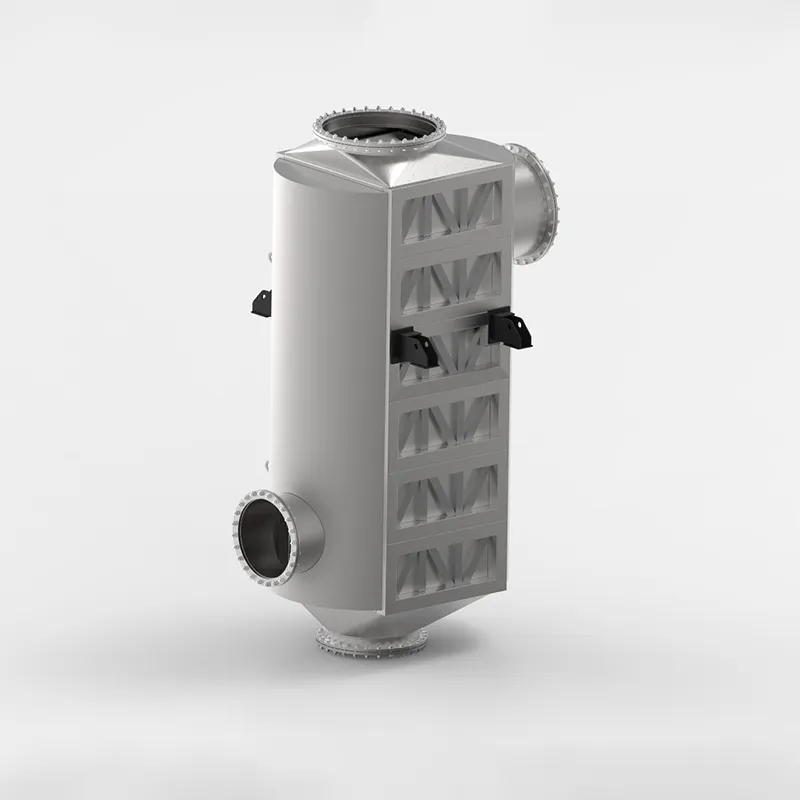
Selecting the right plate type evaporator is critical for industries aiming to optimize thermal performance while reducing energy consumption. This article explores the key features, design considerations, and real-world applications of modern plate evaporators, helping you make an informed decision for your next project.
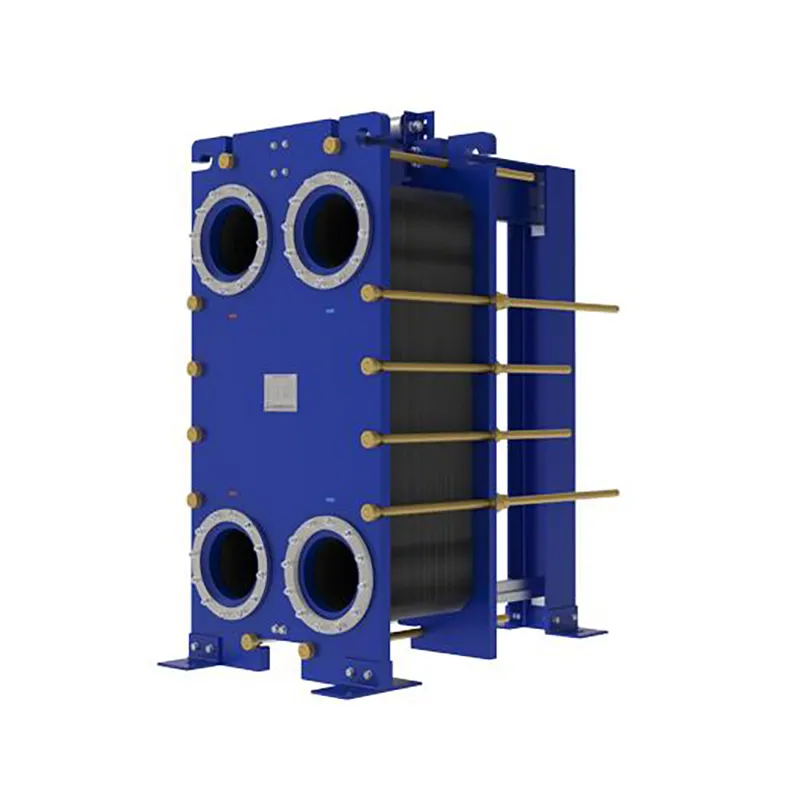
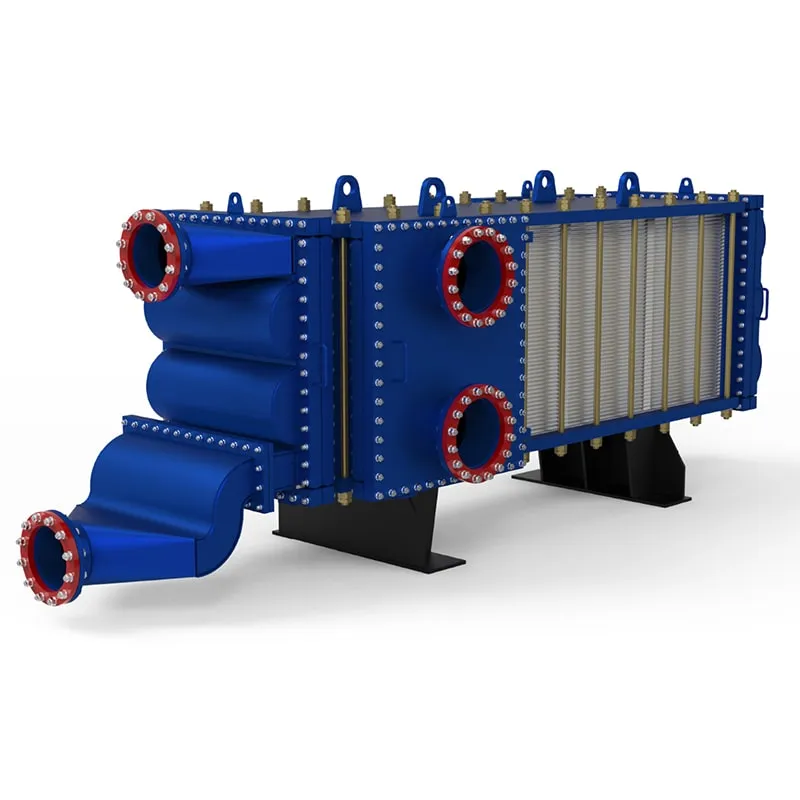
Plate type evaporators have become a cornerstone in industries such as chemical processing, food and beverage, pharmaceuticals, and HVAC. Their compact design and high heat transfer coefficients make them ideal for applications where space is limited and efficiency is paramount. Unlike traditional shell-and-tube units, plate evaporators use corrugated plates to create turbulent flow, which significantly improves heat transfer rates and reduces fouling.
One of the most important factors to consider when choosing a plate evaporator is the material of construction. Stainless steel 316L is commonly used for its excellent corrosion resistance and durability, especially in aggressive chemical environments. For food-grade applications, plates made from AISI 304 or 316L with electropolished surfaces are preferred to meet hygiene standards. Gasket materials, such as EPDM or Viton, must be selected based on the operating temperature and fluid compatibility.
Another critical aspect is the plate geometry. Herringbone or chevron patterns are widely adopted because they promote high turbulence and self-cleaning effects. The angle of the corrugation—typically between 30° and 60°—directly influences the pressure drop and heat transfer performance. For high-viscosity fluids or those containing solids, wide-gap plate designs are available to prevent clogging and ensure continuous operation.
When it comes to thermal performance, plate evaporators can achieve overall heat transfer coefficients ranging from 3,000 to 7,000 W/m²·K, depending on the fluid properties and flow conditions. This is significantly higher than shell-and-tube exchangers, which typically range from 500 to 1,500 W/m²·K. As a result, plate evaporators require less surface area to achieve the same duty, leading to lower capital costs and a smaller footprint.
Maintenance is another area where plate evaporators shine. The modular design allows for easy disassembly and inspection. Individual plates can be replaced without removing the entire unit, reducing downtime. For industries that require frequent cleaning, such as dairy or juice processing, this feature is invaluable. Additionally, the ability to add or remove plates provides flexibility to adjust capacity as production needs change.
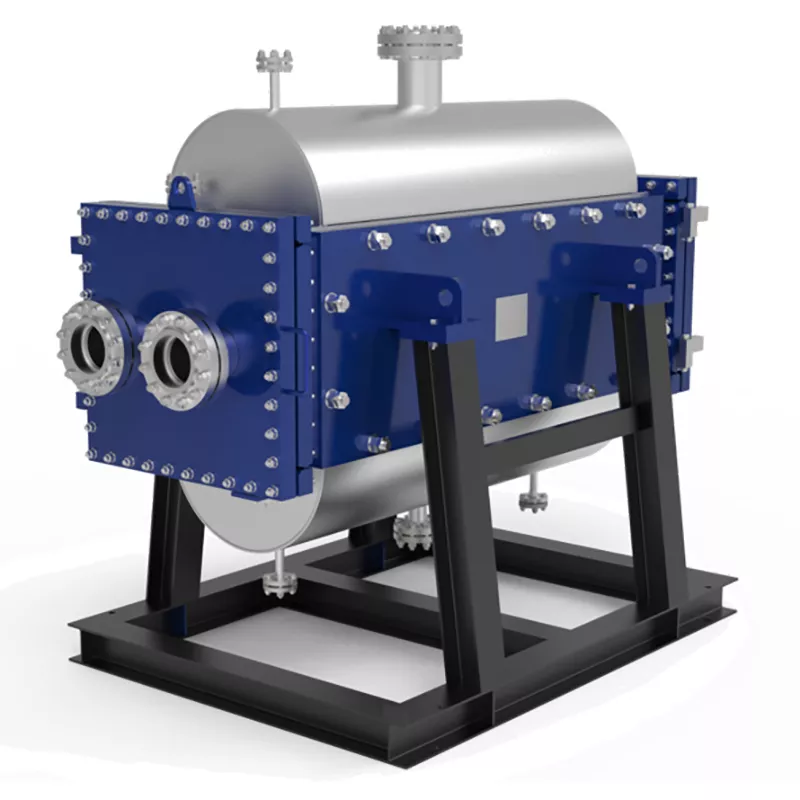
Energy efficiency is a growing concern across all industrial sectors. Plate evaporators can be integrated into multi-effect evaporation systems or combined with mechanical vapor recompression (MVR) to further reduce energy consumption. In many cases, these systems can achieve steam savings of 50% or more compared to single-effect evaporators. This not only lowers operational costs but also supports sustainability goals.
For those looking to explore specific product options, you may find it helpful to review different configurations such as TP welded plate heat exchangers or gasketed plate heat exchangers. These designs offer distinct advantages depending on the operating pressure and temperature requirements.
In conclusion, the best plate type evaporator for your application depends on a careful evaluation of fluid characteristics, thermal duty, space constraints, and maintenance preferences. By focusing on material selection, plate geometry, and system integration, you can achieve high efficiency and long-term reliability. Always consult with experienced engineers and review performance data from reputable manufacturers to ensure the chosen solution meets your specific needs.

 English EN