Best Plate Type Condenser Guide for High Efficiency
Choosing the right plate type condenser is key to maximizing thermal performance in industrial processes. This guide walks through the main design types, real-world efficiency data, and practical selection criteria. Whether you are upgrading an existing system or designing a new one, understanding the differences between gasketed, brazed, and welded plate condensers helps you make a cost-effective and energy-smart decision.
What Makes a Plate Type Condenser Efficient
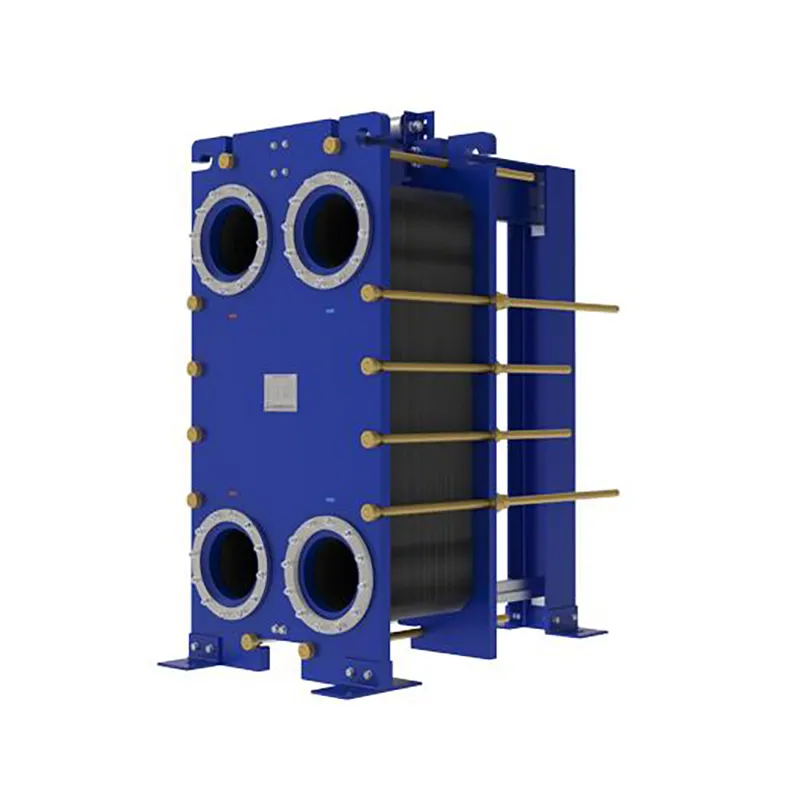
Plate condensers transfer heat through a series of corrugated metal plates. The design creates turbulent flow even at low velocities, which improves the heat transfer coefficient significantly compared to shell-and-tube units. In many applications, a plate condenser can achieve a heat transfer coefficient of 3000 to 7000 W/m²·K, while a traditional shell-and-tube unit typically ranges from 500 to 1500 W/m²·K. This higher efficiency means you can use a smaller footprint and less energy to achieve the same cooling duty.
The close plate spacing also reduces the refrigerant charge by up to 50% in some systems. For industries like chemical processing, HVAC, and power generation, this translates to lower operational costs and a more compact installation. The plate material, usually stainless steel or titanium, resists corrosion and fouling when properly maintained.
Main Types of Plate Condensers
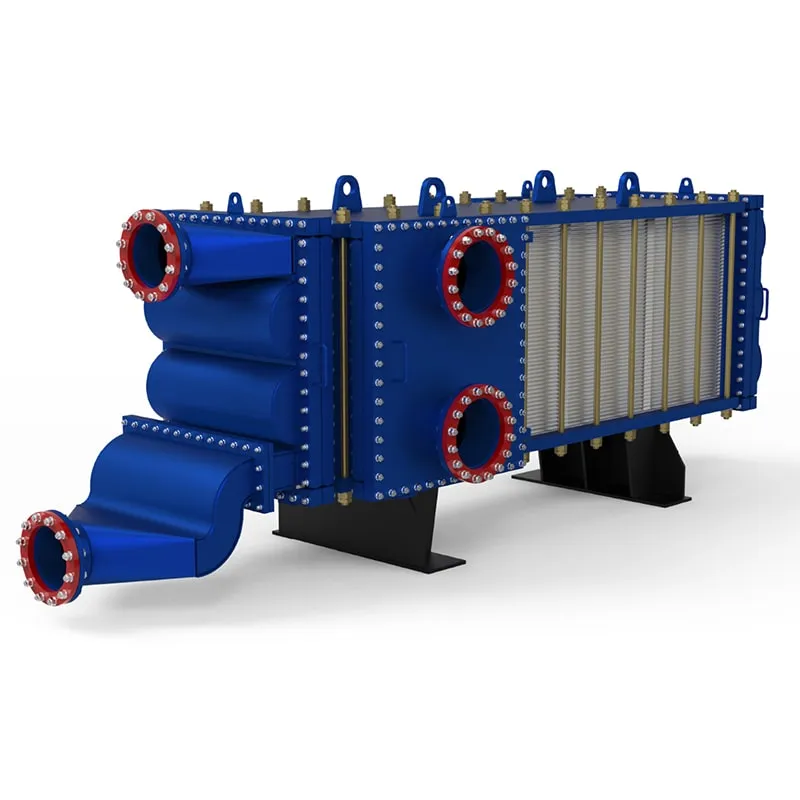
Gasketed plate condensers are the most common choice for applications that require regular cleaning and maintenance. The plates are sealed with elastomeric gaskets, which allow easy disassembly. These units handle pressures up to 25 bar and temperatures up to 180°C, depending on the gasket material. They work well for medium-duty condensing tasks in food processing and refrigeration.
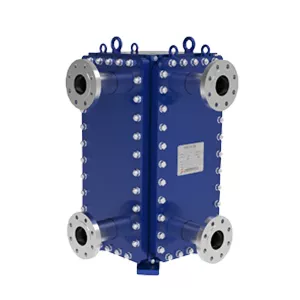
Brazed plate condensers use copper or nickel brazing to seal the plates permanently. This design eliminates gaskets, making it suitable for high-pressure applications up to 30 bar and temperatures up to 220°C. Brazed units are compact and leak-resistant, often used in heat pumps and small-scale refrigeration systems. Their efficiency is slightly higher than gasketed types because there is no bypass leakage.
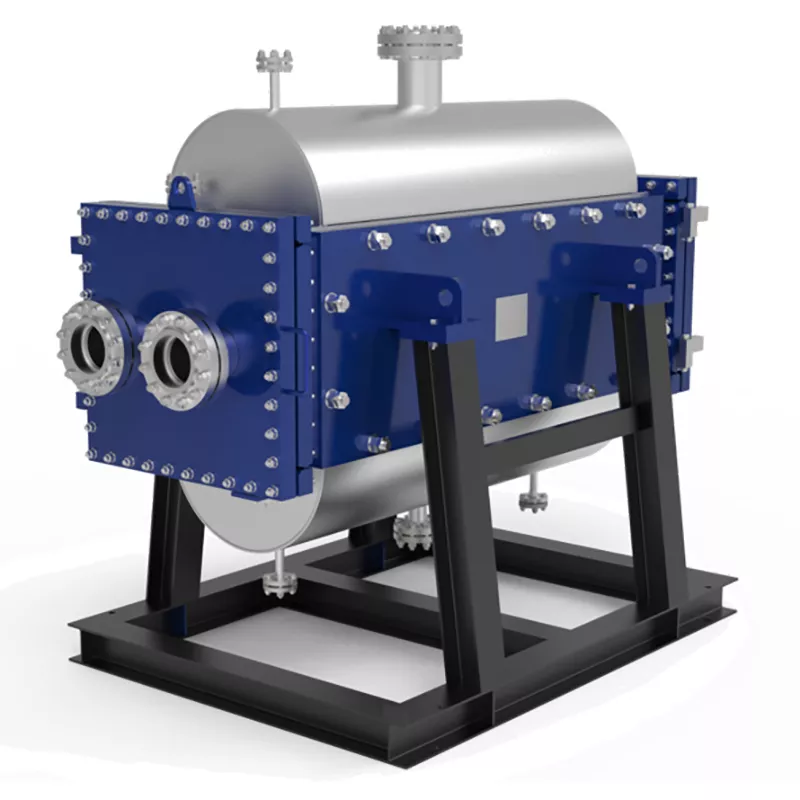
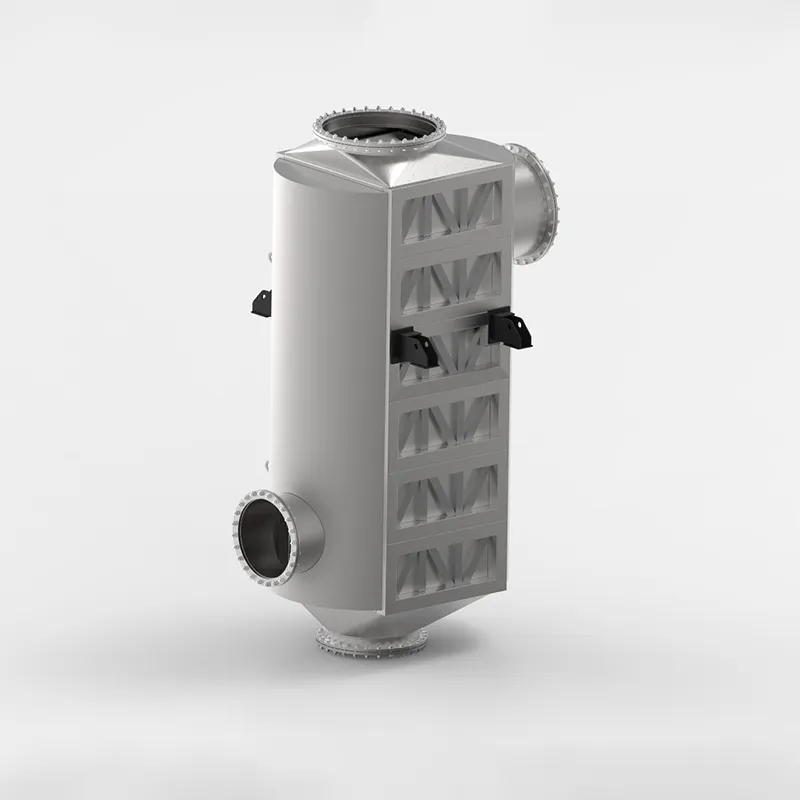
Welded plate condensers are built for extreme conditions. The plates are laser-welded together, creating a fully sealed core. They can handle pressures above 40 bar and temperatures exceeding 300°C. These are typically found in chemical plants and oil refineries where aggressive fluids or high thermal stresses are present. The welded construction also allows for a wider gap between plates, reducing fouling risks.
Key Selection Factors
When selecting a plate type condenser, start with the operating pressure and temperature. For systems below 25 bar and 180°C, a gasketed unit offers flexibility and lower initial cost. If the application involves high pressure or ammonia refrigerant, a brazed or welded design is more reliable. Also consider the fluid compatibility: stainless steel plates work with most clean fluids, while titanium is needed for seawater or chloride-rich environments.
Flow rate and pressure drop are equally important. Plate condensers typically have a pressure drop between 0.5 and 2 bar per pass. Higher turbulence improves heat transfer but increases pumping costs. A balanced design keeps the pressure drop within 1 bar for most industrial applications. Maintenance access is another factor: gasketed units can be opened for cleaning, while brazed and welded units require chemical cleaning or replacement.
Real-World Performance Data
In a recent field study on a chemical distillation column, replacing a shell-and-tube condenser with a gasketed plate condenser reduced the cooling water consumption by 35% while maintaining the same outlet temperature. The overall heat transfer coefficient increased from 1200 W/m²·K to 4500 W/m²·K. The plate unit also required 40% less floor space. Another case in a refrigeration plant showed that switching to a brazed plate condenser lowered the refrigerant charge by 30%, cutting both material costs and environmental impact.
For high-temperature applications, a welded plate condenser in a petrochemical facility handled steam condensing at 250°C and 35 bar without any leakage over two years of continuous operation. The fouling factor remained below 0.0001 m²·K/W, which is significantly lower than the typical 0.0002 to 0.0005 m²·K/W seen in shell-and-tube units.
Installation and Maintenance Tips
Proper installation ensures the condenser operates at peak efficiency. Always mount the unit with the correct orientation for drainage. For gasketed models, follow the torque specifications for tightening the frame bolts to avoid gasket extrusion. Use a strainer upstream to protect the narrow plate channels from debris. For brazed and welded units, ensure the piping does not transmit excessive vibration or thermal expansion stress to the condenser body.
Regular maintenance for gasketed condensers includes checking gasket condition and retightening bolts after the first thermal cycle. For all types, monitor the pressure drop across the unit: an increase of more than 15% from baseline indicates fouling. Chemical cleaning with a mild acid solution can restore performance in most cases. Avoid using wire brushes on the plate surfaces to prevent damage.

 English EN