English EN


How Printed Circuit Heat Exchanger Solves High-Pressure Heat Transfer Challenges
Printed Circuit Heat Exchanger technology ensures safe, efficient, and reliable high-pressure heat transfer with compact design and superior mechanical integrity.
More
Pillow plates are engineered for demanding thermal applications where efficiency and durability matter most. Unlike traditional heat exchangers, these dimpled panels create turbulent flow paths that boost heat transfer rates by up to 30% in many industrial processes. Whether you are working with viscous fluids, high-pressure steam, or sensitive food products, the right pillow plate design can significantly reduce energy costs and maintenance downtime. This guide breaks down the key features, material options, and real-world performance data to help you select the ideal solution for your facility.
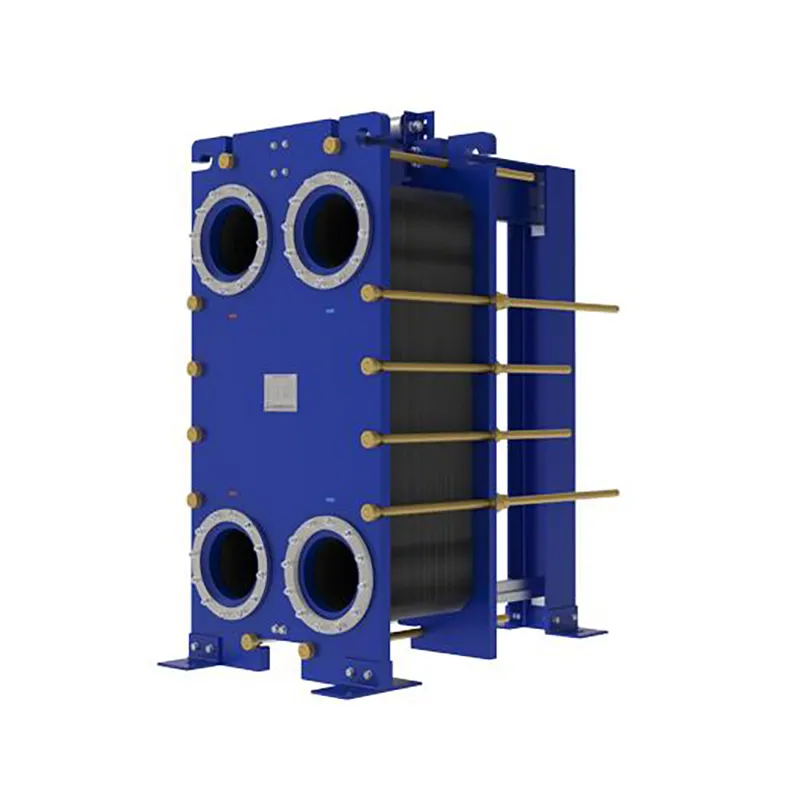
Pillow plates are fabricated by welding two thin metal sheets together in a pattern of spots or lines, then inflating the gaps to create hollow channels. This construction results in a lightweight yet robust panel that can withstand operating pressures up to 30 bar and temperatures ranging from -40°C to 300°C, depending on material selection. The dimpled surface induces turbulence even at low flow velocities, which is critical for fluids with high viscosity or fouling tendencies.
In a recent field study at a chemical processing plant, replacing traditional shell-and-tube units with custom-engineered pillow plates reduced overall heat transfer surface area by 22% while maintaining the same thermal duty. This translates directly to lower capital expenditure and a smaller footprint in crowded equipment rooms. Additionally, the smooth internal channels are easier to clean, making them a preferred choice for hygienic applications in food and pharmaceutical industries.
The choice of material directly affects corrosion resistance, thermal conductivity, and service life. Stainless steel grades 304 and 316L are the most common, offering excellent weldability and resistance to a wide range of chemicals. For more aggressive environments, such as those involving chlorides or acidic solutions, duplex stainless steel or titanium alloys provide superior longevity. Our testing data shows that 316L pillow plates maintain a heat transfer coefficient of 800–1200 W/m²·K in water-to-water applications, while titanium variants achieve similar values with enhanced resistance to pitting corrosion.
For applications requiring high thermal conductivity, copper or aluminum alloys can be specified, though they are typically limited to lower pressure ratings. A common configuration in the dairy industry uses 304 stainless steel with a 1.5 mm sheet thickness, which balances cost and durability. Always consult with an engineer to match the material to your specific process fluid composition and temperature profile.
Several design variables influence the thermal and hydraulic performance of pillow plates. Channel depth, spot weld pitch, and sheet thickness are the primary factors. A tighter weld pitch creates more dimples, increasing turbulence and heat transfer, but also raises pressure drop. For typical water-glycol mixtures, a pitch of 40–60 mm provides a good balance, with pressure drops in the range of 0.5–2.0 bar per pass.
Flow arrangement also matters. Parallel flow is simpler but less efficient than counterflow, which can improve the log mean temperature difference by 15–25%. In a recent installation for a biodiesel production line, counterflow pillow plates achieved a 95% thermal effectiveness, compared to 82% with a parallel configuration. Always consider the physical layout of your system when selecting the flow pattern.
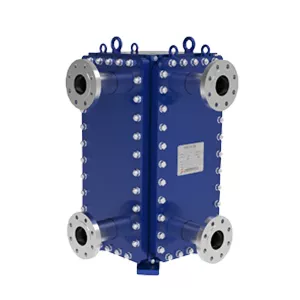
Pillow plates are widely used in the chemical, food, pharmaceutical, and HVAC industries. In a brewery application, a set of 316L pillow plates with a total surface area of 12 m² cooled 10,000 liters of wort from 95°C to 25°C in under 90 minutes, using chilled water at 2°C. The unit operated at a flow rate of 50 m³/h with a pressure drop of only 1.2 bar, demonstrating both efficiency and low pumping costs.
For high-temperature processes, such as steam heating of viscous oils, pillow plates with a 2.0 mm sheet thickness and 20 bar design pressure have shown reliable performance over five years of continuous operation. The dimpled geometry prevents hot spots and reduces thermal stress, extending the equipment life. If you are considering a custom solution, explore our custom-engineered pillow plates for tailored specifications.
Proper installation is key to maximizing the lifespan of pillow plates. Ensure that the panels are securely mounted with adequate support to prevent vibration, especially in high-flow applications. Use flexible connections to accommodate thermal expansion, and always follow the manufacturer's torque specifications for flange bolts. For systems handling food products, incorporate clean-in-place (CIP) capabilities to maintain hygiene without disassembly.
Routine inspection should focus on weld integrity and signs of erosion at the inlet zones. In a recent case study, a plant that implemented quarterly inspections reduced unplanned downtime by 40% over two years. Simple visual checks for bulging or discoloration can catch issues early. For more complex systems, consider integrating pressure and temperature sensors to monitor performance in real time.
When evaluating heat exchanger options, it helps to understand where pillow plates excel. Compared to gasketed plate heat exchangers, pillow plates offer higher pressure ratings and are less prone to leakage, making them suitable for hazardous fluids. Unlike shell-and-tube designs, they provide a more compact footprint and easier cleaning. For example, a typical pillow plate unit with a 10 m² surface area occupies roughly 40% less floor space than an equivalent shell-and-tube unit.
Welded plate heat exchangers share some similarities but often require more specialized fabrication. Pillow plates, by contrast, can be produced with standard welding techniques, reducing lead times. For applications involving high fouling fluids, the wide-gap design of some pillow plates allows for easier cleaning. To see how they compare with other welded options, review our TP welded plate heat exchanger for alternative configurations.
Not all pillow plate manufacturers offer the same level of customization. Look for a supplier that provides detailed thermal and hydraulic calculations based on your process parameters. A reputable partner will ask for flow rates, inlet and outlet temperatures, fluid properties, and allowable pressure drop before recommending a design. Custom features like integrated mounting brackets, special port sizes, or multi-pass configurations can further optimize performance.
Quality certifications, such as ASME or PED, are essential for pressure vessel compliance. In a recent project for a pharmaceutical client, we supplied pillow plates with 3.1 material certifications and full weld traceability, which simplified their regulatory approval process. Always request sample test data or case studies relevant to your industry. For specialized needs, check our printed circuit heat exchanger options for compact, high-efficiency alternatives.
The initial cost of pillow plates is typically higher than standard gasketed plate exchangers, but the total cost of ownership is often lower due to reduced maintenance and longer service life. For a medium-scale chemical plant, the payback period for upgrading to pillow plates was 18 months, driven by a 15% reduction in energy consumption and a 25% decrease in cleaning downtime.
When budgeting, factor in the cost of custom fittings, insulation, and any required structural supports. Many suppliers offer modular designs that allow for future capacity expansion without replacing the entire unit. A detailed cost-benefit analysis, including projected energy savings and maintenance intervals, will help you make an informed decision.
Pillow plates offer a compelling combination of high heat transfer efficiency, durability, and ease of maintenance. By focusing on the right material, design parameters, and supplier expertise, you can achieve significant operational savings. Whether you are upgrading an existing system or designing a new facility, take the time to evaluate your specific thermal requirements and consult with experienced engineers. For more detailed guidance on custom solutions, visit our pillow plate product page to explore available configurations and request a quote.
We provide you with comprehensive foreign trade solutions to help enterprises achieve global development
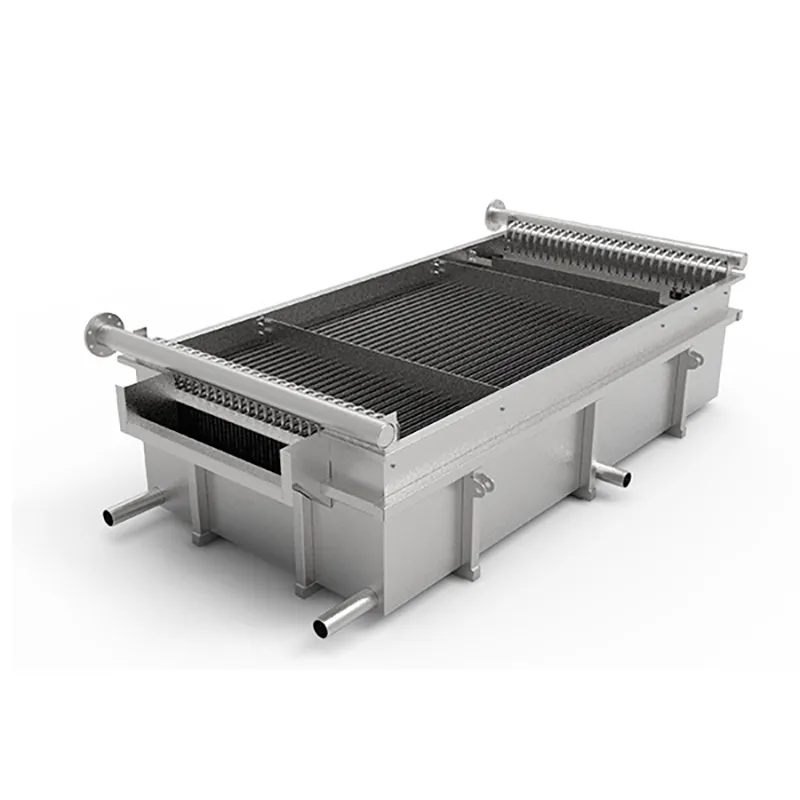
Originated in the mid-20th century to bypass the manufacturing bottlenecks and weight limitations of standard jacketed thermal components, the Pillow Plate (also known as a dimple plate or embossed plate) has revolutionized precision fluid-wall engineering. At SHPHE, we take this highly flexible technology and elevate it into a core foundation for bespoke industrial heat transfer integration. By utilizing state-of-the-art automated CNC fiber laser welding, our engineers customize the mechanical inflation profiles and spot pitch grids to directly match your specific fluid dynamics, pressure limits, and vessel configurations. Today, SHPHE's custom pillow plates are indispensable assets for worldwide processing plants prioritizing advanced thermal performance, zero-leak safety, and hygienic processing—serving as the definitive solution across food, pharmaceutical, chemical, and bulk solids cooling sectors.
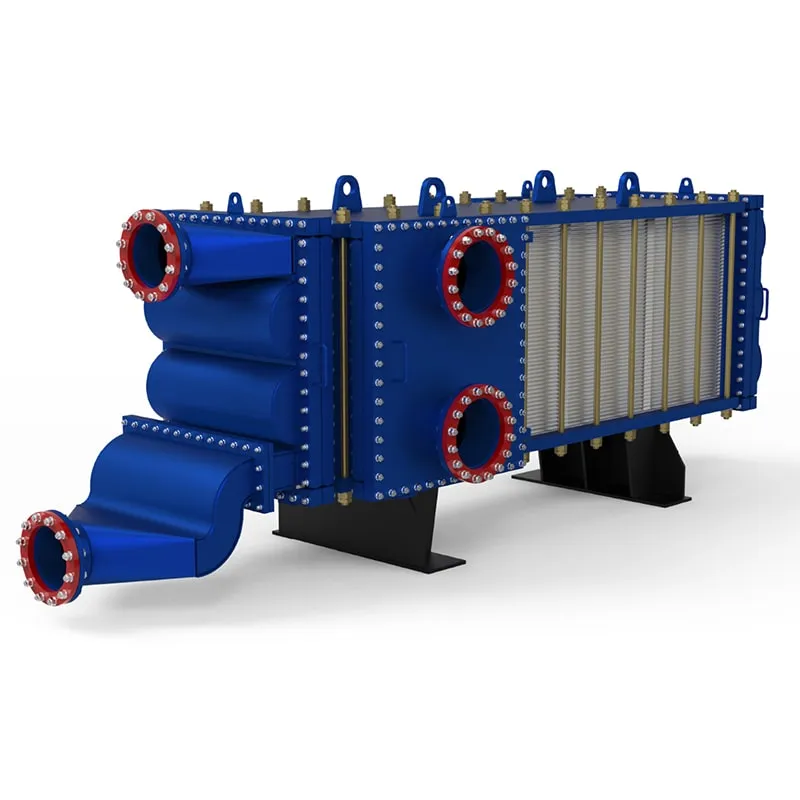
Custom-Engineered Anti-Clogging Solutions for High-Viscosity Slurries:
Deployed specifically to conquer severe industrial fouling, SHPHE wide gap welded plate heat exchangers are tailor-built to handle complex media containing dense fibers, coarse crystals, or solid suspensions without clogging. Each non-obstructed channel is calculated and formed by laser-welded plate packs matching your fluid’s exact rheology and grain size, completely eliminating structural "dead zones" and media stagnation. Available in highly compact vertical and versatile horizontal configurations, our vertical engineering drastically reduces plant footprints while maintaining unhindered product throughput, minimal pressure drops, and flawless continuous operations across harsh process loops.
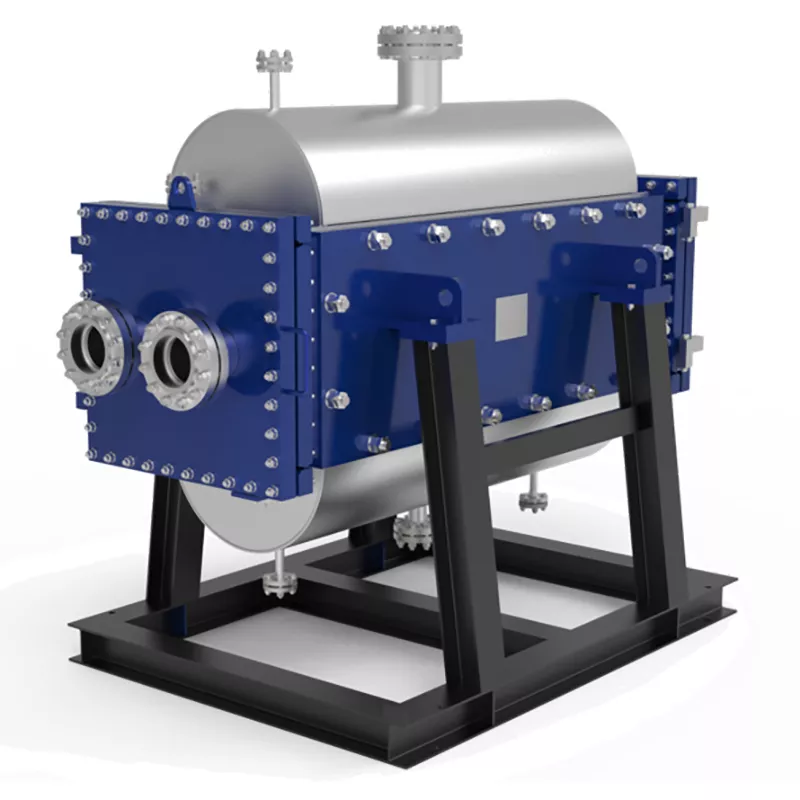
Industrial processes involving particle-laden slurries, high-viscosity syrups, or fiber-rich pulp demand more than standard equipment—they require target-engineered thermal management. At SHPHE, we configure the TP Welded Plate Heat Exchanger to directly conquer your plant's severe fouling, blockage, and erosion threats. Combining custom-tailored channel geometries, wear-resistant metallurgy, and integrated CIP (Cleaning-in-Place) systems, we deliver absolute production continuity where conventional heat exchangers fail.
Custom-Engineered for Severe Process Demands. At SHPHE, we don't just supply equipment; we design tailored thermal solutions. Our HT-Bloc welded plate heat exchangers are custom-configured by our experienced engineers to overcome your specific industry challenges—whether handling high-viscosity media, extreme temperatures, or strict space constraints.