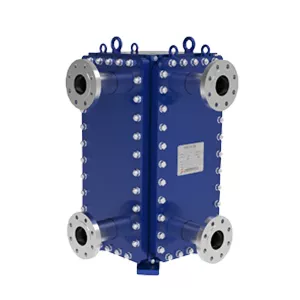
Best Marine Engine Heat Exchanger Guide for Peak Performance
Choosing the right heat exchanger for your marine engine is critical for maintaining peak performance and extending engine life. This guide covers key considerations, from material selection to maintenance tips, helping you make an informed decision for your vessel. Whether you are a boat owner or a marine engineer, understanding how heat exchangers work in saltwater environments will save you time and costly repairs.
Why Heat Exchanger Choice Matters for Marine Engines
Marine engines operate in harsh conditions where seawater, debris, and temperature fluctuations are constant challenges. A high-quality heat exchanger ensures that your engine coolant stays at an optimal temperature, preventing overheating and corrosion. Unlike automotive engines, marine engines rely on raw water cooling or closed-loop systems, making the heat exchanger a vital component for reliability. A poorly chosen unit can lead to reduced fuel efficiency, increased wear, and even catastrophic engine failure.
When selecting a heat exchanger, consider factors like material compatibility with seawater, flow rate, and ease of maintenance. Copper-nickel alloys and titanium are popular choices for their corrosion resistance, while stainless steel offers durability in freshwater applications. The right choice not only boosts performance but also lowers long-term operating costs.
Key Types of Marine Engine Heat Exchangers
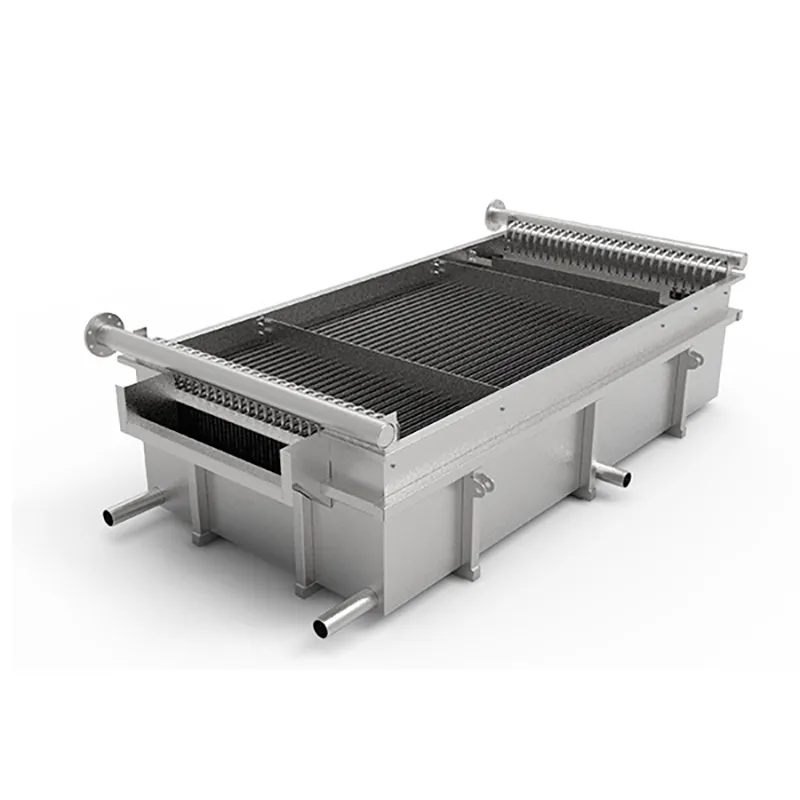
There are several common designs used in marine applications. Shell-and-tube heat exchangers are widely used for their robustness and ability to handle high pressures. Plate heat exchangers, on the other hand, offer higher efficiency in a compact footprint, making them ideal for smaller engine rooms. For vessels with extreme space constraints, custom-engineered solutions like printed circuit heat exchangers provide excellent thermal performance in a lightweight package.
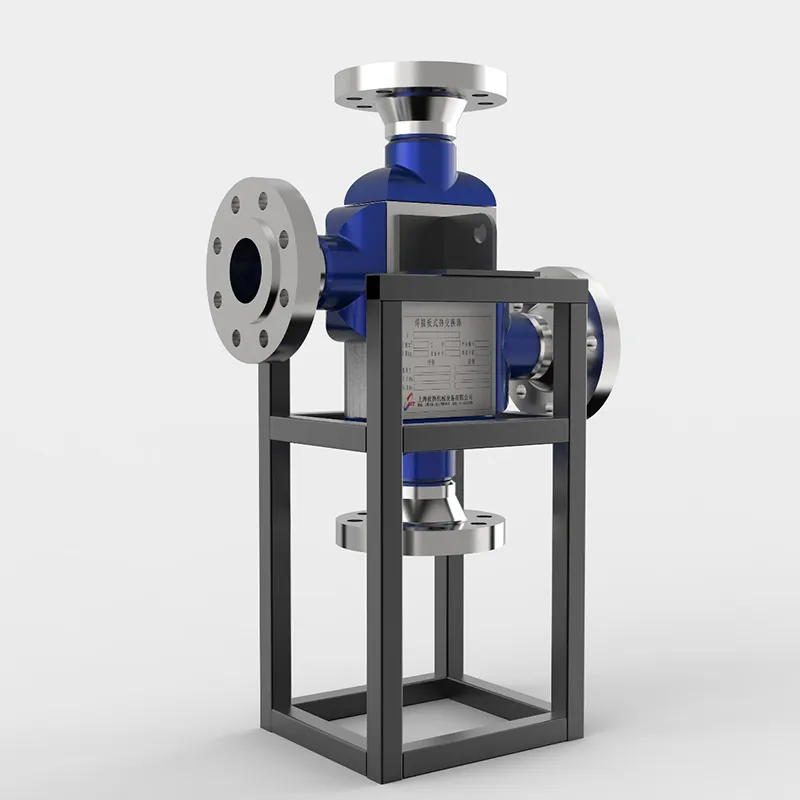
Each type has its own maintenance requirements. Shell-and-tube units are easier to clean manually, while plate exchangers may require more frequent inspection to prevent fouling. For operations involving high-viscosity fluids or particulates, wide-gap welded plate heat exchangers are designed to handle such challenges without clogging.
Material Selection and Corrosion Resistance
In marine environments, corrosion is the number one enemy. Heat exchangers made from 90/10 copper-nickel are a standard choice for seawater cooling due to their proven resistance to biofouling and erosion. Titanium offers even greater longevity but comes at a higher cost. For freshwater systems, stainless steel 316L is a cost-effective option that still provides good corrosion resistance. Always verify that the materials are compatible with your engine's coolant chemistry to avoid galvanic corrosion.
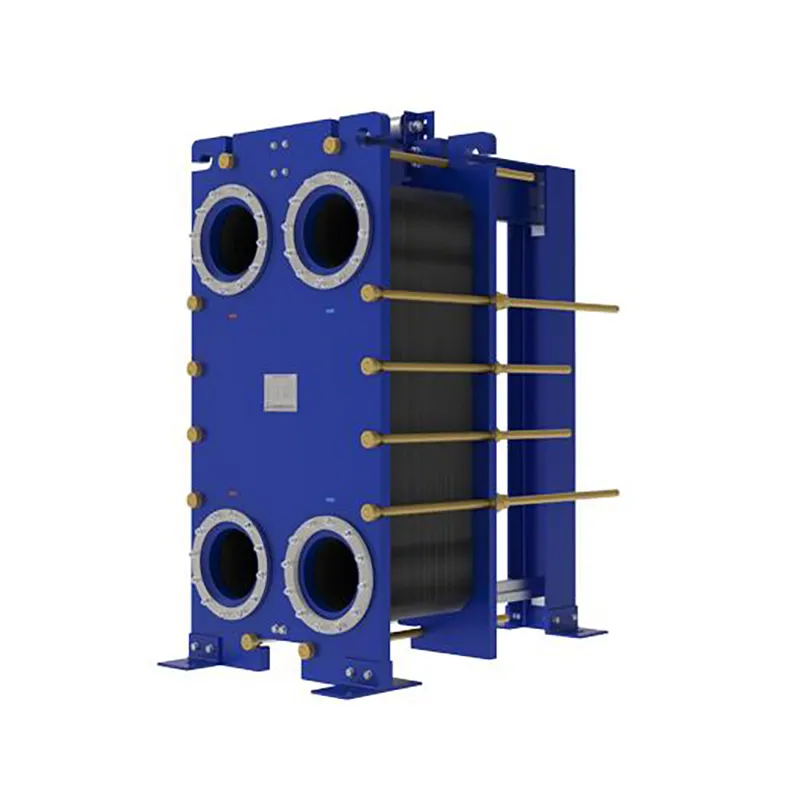
Another important aspect is the gasket or weld quality. Gasketed plate heat exchangers are easy to service but require regular gasket replacement. For high-pressure or high-temperature applications, TP welded plate heat exchangers offer a leak-free design that reduces maintenance intervals. If your vessel operates in sandy or silty waters, consider a model with larger flow passages to minimize erosion.
Sizing and Installation Best Practices
Proper sizing is essential for achieving peak thermal efficiency. An undersized heat exchanger will struggle to dissipate heat, causing the engine to run hot. Oversized units, while less common, can lead to overcooling and reduced combustion efficiency. Work with your engine manufacturer's specifications to determine the required heat rejection rate, typically measured in BTUs per hour or kilowatts.
Installation also matters. Ensure the heat exchanger is mounted in a location with adequate airflow and access for cleaning. Use high-quality hoses and clamps to prevent leaks. For vessels with limited space, custom-engineered options like pillow plates can be tailored to fit irregular engine room layouts while maintaining excellent heat transfer.
Maintenance Tips for Longevity
Regular maintenance is the key to extending the life of your marine heat exchanger. Flush the system with fresh water after each use to remove salt and debris. Inspect the tubes or plates for signs of scaling, pitting, or blockage at least once a season. For gasketed units, check the gaskets for wear and replace them as needed to prevent internal leaks.
If you notice a drop in cooling performance or an increase in engine temperature, it may be time to clean the heat exchanger chemically. Use a descaling solution that is safe for your unit's materials. For heavily fouled systems, professional cleaning or replacement of the core might be necessary. Keeping a spare set of gaskets and anodes onboard can help you handle minor repairs quickly while at sea.
Common Mistakes to Avoid
One frequent error is using a heat exchanger designed for freshwater in a saltwater environment, which accelerates corrosion. Another is neglecting to install sacrificial anodes, which protect the heat exchanger from galvanic corrosion. Also, avoid mixing different metals in the cooling system without proper isolation, as this can create electrolysis that eats away at components.
Finally, do not ignore the manufacturer's recommended service intervals. Even the best heat exchanger will fail prematurely if not maintained. For vessels that operate in tropical waters or high-sediment areas, consider upgrading to a more robust design like gasketed plate heat exchangers that allow for easier cleaning and inspection.
Final Thoughts on Choosing a Marine Engine Heat Exchanger
Investing in the right marine engine heat exchanger is a decision that directly impacts your vessel's reliability and operating costs. By understanding your engine's cooling requirements, the operating environment, and the available material options, you can select a unit that delivers consistent performance for years. Whether you opt for a standard shell-and-tube model or a custom-engineered solution, prioritize quality and proper installation.
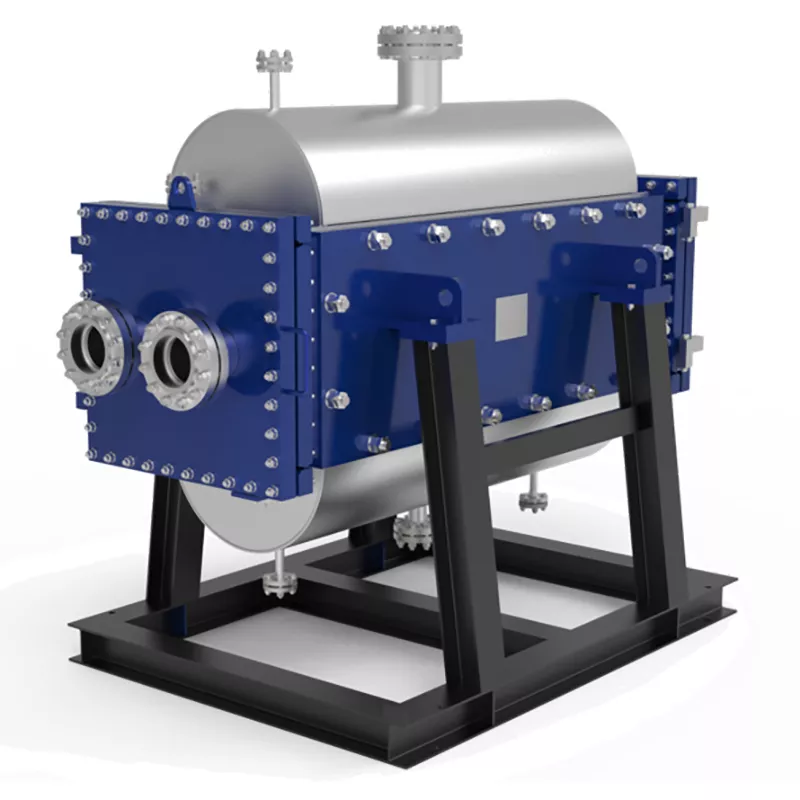
Remember to consult with experienced suppliers or marine engineers if you are unsure about sizing or material compatibility. A well-chosen heat exchanger not only keeps your engine running smoothly but also gives you peace of mind on the water. For specialized applications, explore options like HT Bloc welded plate heat exchangers that combine durability with high thermal efficiency.

 English EN