Best Heat Exchanger Gasket Material Guide for Durability
Selecting the right gasket material is critical for maximizing the lifespan and efficiency of your heat exchanger. This guide breaks down the most durable options, from Nitrile to EPDM and PTFE, helping you match the material to your specific operating temperature, pressure, and fluid compatibility needs. We focus on real-world performance data to ensure your equipment runs reliably.
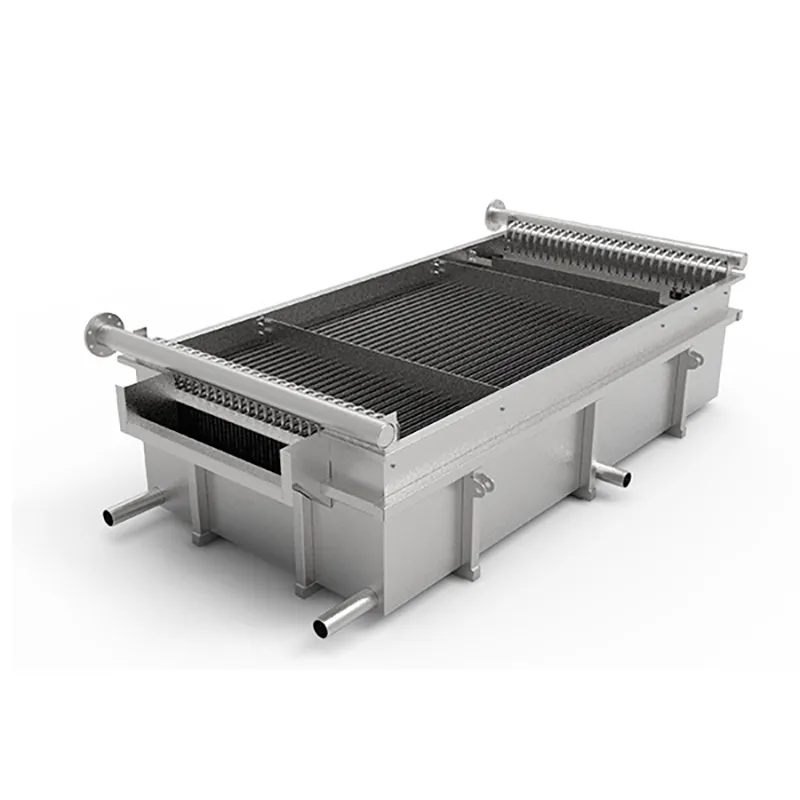
When it comes to heat exchanger maintenance, the gasket is often the first component to show wear. A failed gasket leads to leaks, cross-contamination, and costly downtime. Over the years, we have seen that choosing a material based solely on price usually ends up costing more in the long run. Instead, focus on three key factors: temperature range, chemical resistance, and compression set.
For standard water and HVAC applications, Nitrile (NBR) remains a workhorse. It handles temperatures from -30°F to 250°F and offers good resistance to oils and glycols. If you are dealing with hot water or steam up to 300°F, EPDM is a better fit, as it excels against ozone and weathering. For aggressive chemicals or high-temperature processes exceeding 400°F, PTFE or Compressed Fiber materials are the go-to choices.
Comparing Common Gasket Materials
Let us look at the most common materials used in plate heat exchangers. Nitrile (NBR) is cost-effective and works well with mineral oils and water. Its maximum continuous temperature is around 250°F, but it is not suitable for strong acids or ketones. EPDM has a wider temperature range (up to 300°F) and is excellent for steam, hot water, and mild chemicals. However, it should not be used with oils or hydrocarbons.
Viton (FKM) is a premium material that handles high temperatures up to 400°F and offers outstanding resistance to aggressive chemicals, fuels, and solvents. It is the best choice for demanding industrial processes but comes at a higher cost. For extreme temperatures above 500°F, Compressed Fiber or Graphite gaskets are used, though they require careful handling during installation.
How to Match Material to Your Application
Start by checking your system's operating temperature and the fluids involved. For a typical water-to-water system under 200°F, EPDM is a reliable and durable choice. If your system uses a water-glycol mix, both NBR and EPDM work, but EPDM offers better long-term stability. For oil cooling applications, stick with NBR or Viton.
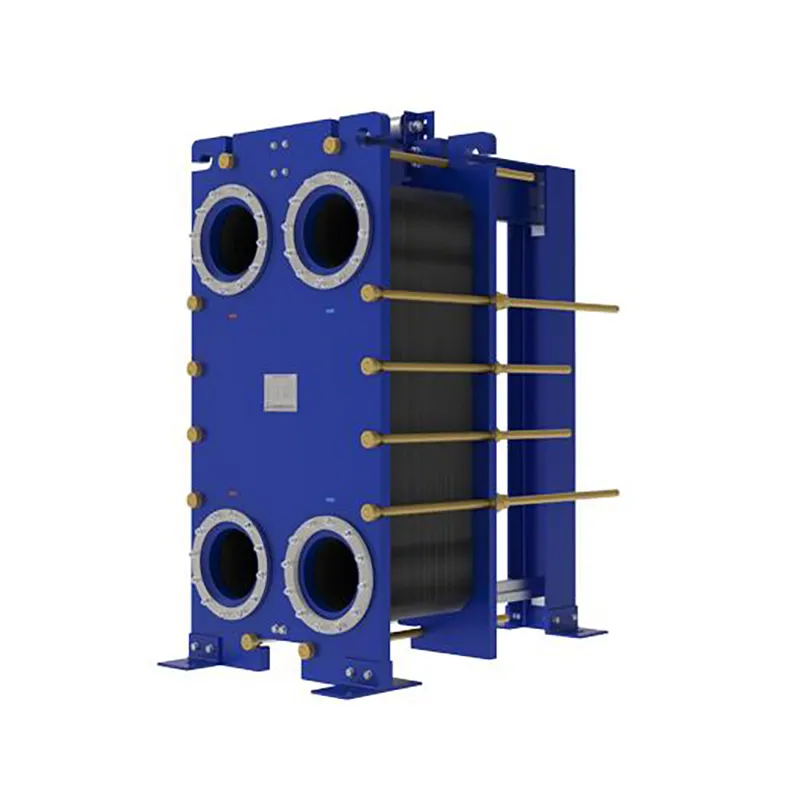
Pressure is another factor. Standard gasketed plate heat exchangers typically handle up to 300 psi. For higher pressures, consider a gasketed plate heat exchanger designed with reinforced materials. Always verify the gasket's compression set rating, as a material that does not rebound well will lead to leaks after thermal cycling.
Installation and Maintenance Tips
Proper installation extends gasket life significantly. Always clean the gasket grooves thoroughly before fitting a new seal. Apply a thin layer of lubricant if recommended by the manufacturer. When tightening the plate pack, follow the specified torque sequence and values, as uneven compression is a common cause of premature failure.
Regular inspection is key. Check for signs of hardening, cracking, or flattening every six months. If you notice any leakage, replace the gasket immediately. For custom or high-temperature applications, consider a custom engineered printed circuit heat exchanger which often uses welded or diffusion-bonded plates, eliminating gasket concerns altogether.
Final Recommendations for Long-Term Durability
For most industrial applications, investing in Viton or high-quality EPDM gaskets pays off through reduced maintenance intervals. If your process involves aggressive chemicals or steam, do not compromise on material quality. Always source gaskets from reputable suppliers who provide detailed material data sheets.
Remember, the gasket is a small but vital part of your heat exchanger. By choosing the right material and maintaining it properly, you can avoid unexpected shutdowns and keep your system running efficiently for years. For specialized requirements, such as high-pressure or corrosive environments, explore options like a TP welded plate heat exchanger which offers a gasket-free design for maximum durability.

 English EN