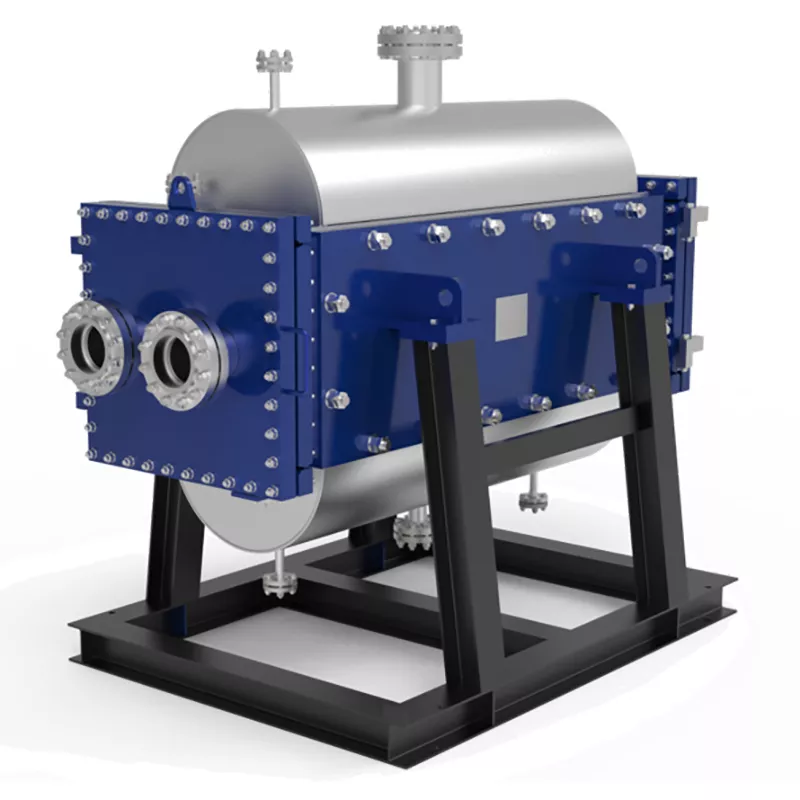
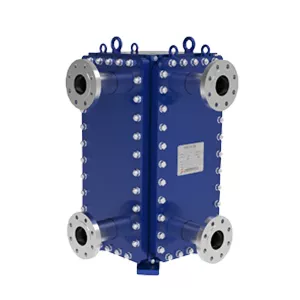
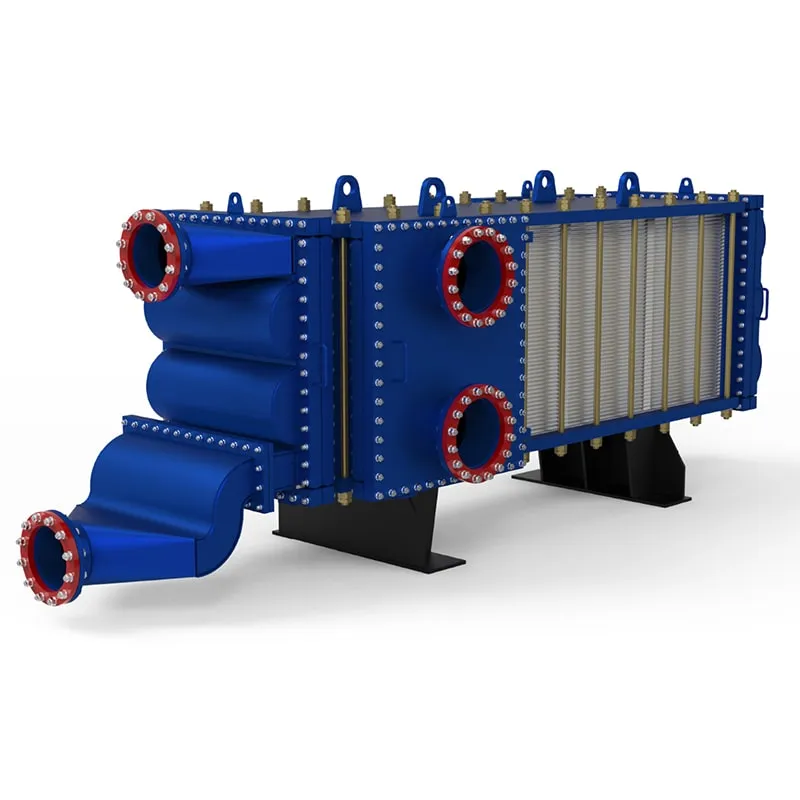
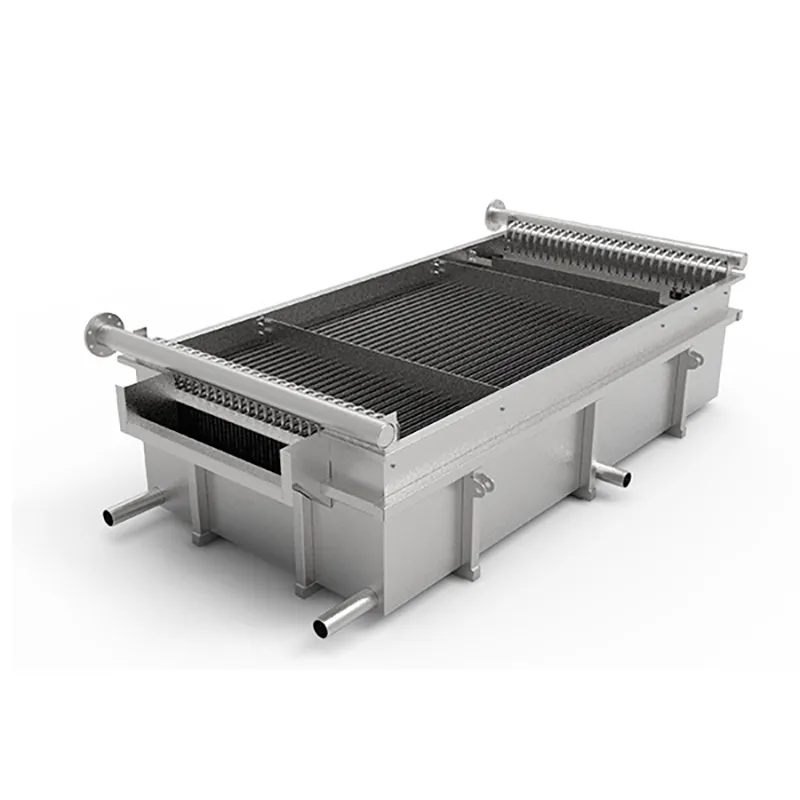
Fully welded plate heat exchangers are built for extreme conditions, offering superior leak resistance and thermal efficiency. Unlike gasketed models, these units use laser-welded plate packs to handle high pressures and temperatures. This article covers construction, performance data, and real-world applications, helping you choose a long-lasting solution for demanding industrial processes.
When you need a heat exchanger that won't leak under high pressure or extreme temperature swings, the all-welded design is often the go-to choice. These units eliminate the need for gaskets, which are common failure points in traditional plate heat exchangers. Instead, each plate is laser-welded together, forming a robust, sealed core that can withstand pressures up to 40 bar and temperatures ranging from -40°C to 350°C, depending on the materials used.
One of the key advantages is the compact footprint. A typical all-welded plate heat exchanger can deliver the same thermal duty as a shell-and-tube unit that is three to five times larger. For example, a unit with 100 plates and a heat transfer area of 50 m² can handle thermal loads exceeding 2 MW, making it ideal for chemical processing, oil refining, and district heating systems.
The construction usually involves 316L stainless steel or higher-grade alloys like Hastelloy for corrosive fluids. Plate patterns are designed to induce turbulent flow even at low velocities, which improves heat transfer coefficients. In many installations, the overall heat transfer coefficient (U-value) ranges from 3,000 to 7,000 W/m²K, significantly higher than comparable shell-and-tube exchangers.
Maintenance is also simpler. Because there are no gaskets to replace, you save on both downtime and spare parts. Cleaning can be done chemically or through backflushing, and the welded core can often be repaired if a plate is damaged. For industries that prioritize reliability and low total cost of ownership, this design is a solid investment.
If you are evaluating options for your next project, consider the specific pressure, temperature, and fluid compatibility requirements. Many manufacturers offer custom plate geometries to optimize performance for viscous fluids or fluids containing solids. For more detailed specifications and engineering support, you can explore wide gap welded plate heat exchangers designed for fouling services, or check TP welded plate heat exchangers for high-pressure applications.

 English EN