English EN


How to Choose the Right Printed Circuit Heat Exchanger for Your Process
Select the right printed circuit heat exchanger by matching process needs, pressure, temperature, and fluid compatibility for optimal efficiency and safety.
More
The core advantage of a gasket plate heat exchanger lies in its meticulously engineered plate geometry. Each plate is designed with specific corrugation patterns that create highly turbulent fluid flow, even at low velocities. This turbulence disrupts the thermal boundary layer on both sides of the plate, dramatically increasing the heat transfer coefficient compared to traditional shell-and-tube designs.
By optimizing the angle, depth, and pitch of the corrugations, manufacturers can achieve thermal efficiency levels exceeding 90%. This means that for the same heat transfer duty, a gasket plate heat exchanger requires significantly less surface area, resulting in a more compact footprint and lower capital investment.
Furthermore, the ability to adjust the number of plates and their arrangement allows for precise matching of the heat transfer surface to the process requirements. This flexibility ensures that your system operates at peak efficiency across varying load conditions, minimizing energy waste and reducing operational costs.
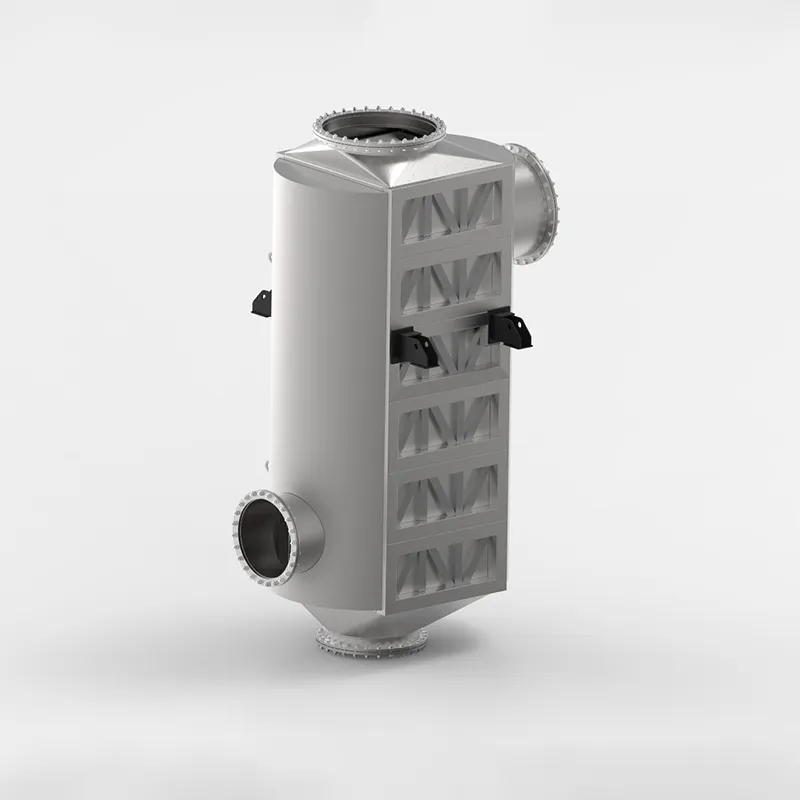
Gasket plate heat exchangers are engineered with a highly efficient plate geometry that maximizes heat transfer surface area within a minimal volume. Unlike bulky shell-and-tube or other conventional designs, these units achieve the same thermal duty with a significantly smaller footprint, often reducing required floor space by up to 50% or more. This compact construction allows for easier installation in tight industrial settings, retrofitting into existing systems, and more flexible plant layout planning.
The space-saving advantage directly translates to lower structural support costs and simplified maintenance access. With all connections typically located on the fixed frame side, piping arrangements become more straightforward, and the entire plate pack can be easily opened for inspection or cleaning without needing extensive clearance around the unit. For operations where floor area is at a premium, the gasket plate heat exchanger offers an unmatched combination of thermal performance and spatial efficiency.
The gasketed plate heat exchanger design allows individual plates to be accessed by loosening the compression bolts. This modularity simplifies cleaning, inspection, and replacement without disturbing the entire unit.
When process demands change, additional plates can be added between the existing frame and pressure plate, increasing thermal capacity without purchasing a new exchanger. The removable gaskets also enable quick regasketing on site, reducing downtime.
| Feature | Benefit | Impact |
|---|---|---|
| Removable gaskets | Easy onsite regasketing | Reduced maintenance time |
| Modular plate stack | Add or remove plates | Capacity flexibility |
| Accessible frame | Inspection without disassembly | Lower operational risk |
| Gasket material options | Compatible with various media | Extended service life |
By leveraging the removable gasket design, industries can adapt to changing heat transfer loads while keeping maintenance straightforward and cost-effective. This flexibility makes the gasket plate heat exchanger a practical long-term solution for dynamic production environments.
Learn more about our gasketed plate heat exchangers or explore custom engineered pillow plates for alternative heat transfer solutions.
Gasket plate heat exchangers are engineered to deliver exceptional operational cost efficiency. Their compact design requires significantly less fluid inventory compared to traditional shell-and-tube units, reducing both initial fluid purchase costs and ongoing replacement expenses. The high turbulence induced by the corrugated plate geometry enhances heat transfer coefficients, allowing for closer temperature approaches and lower energy consumption per unit of thermal duty.
Long-term energy savings are realized through minimized fouling tendencies. The smooth plate surfaces and high shear stress reduce scaling and deposit buildup, maintaining consistent thermal performance over extended operational periods. This translates into less frequent cleaning cycles, lower maintenance labor costs, and reduced downtime. Additionally, the ability to adjust plate count or add plates to an existing frame provides operational flexibility to match changing process loads without replacing the entire unit.
The modular gasket design also simplifies inspection and repair. Individual plates can be accessed and replaced quickly without specialized tools, minimizing production interruptions. When combined with the high thermal efficiency that reduces pump and auxiliary energy demands, the total cost of ownership over a 10-year period is typically 20-30% lower than conventional alternatives, making it a strategically sound investment for continuous industrial processes.
Gasket plate heat exchangers are engineered to perform reliably across a broad spectrum of industrial sectors. Their modular design and material flexibility allow them to handle varying thermal loads, pressures, and fluid types without compromising efficiency. From chemical processing to food and beverage production, these units adapt to the specific demands of each application.
The compatibility with aggressive chemicals, viscous fluids, and particulates is achieved through careful selection of gasket materials and plate geometries. This ensures long service life and minimal downtime, even in challenging environments such as oil refining, pharmaceutical manufacturing, and HVAC systems.
Key industries benefiting from this technology include:
For specialized requirements, custom-engineered solutions such as plate air preheaters or gasketed plate heat exchangers provide tailored performance. In high-temperature or high-pressure scenarios, TP welded plate heat exchangers offer enhanced durability. For applications involving slurries or fibrous media, wide gap welded plate heat exchangers ensure uninterrupted flow.
Advanced designs like HT Bloc welded plate heat exchangers and printed circuit heat exchangers further extend the range of compatible fluids and operating conditions. Additionally, custom engineered pillow plates provide unique surface geometries for specialized heat transfer duties.
With such extensive versatility, gasket plate heat exchangers remain a preferred choice for engineers seeking reliable, scalable, and fluid-compatible thermal management solutions across industries.
We provide you with comprehensive foreign trade solutions to help enterprises achieve global development
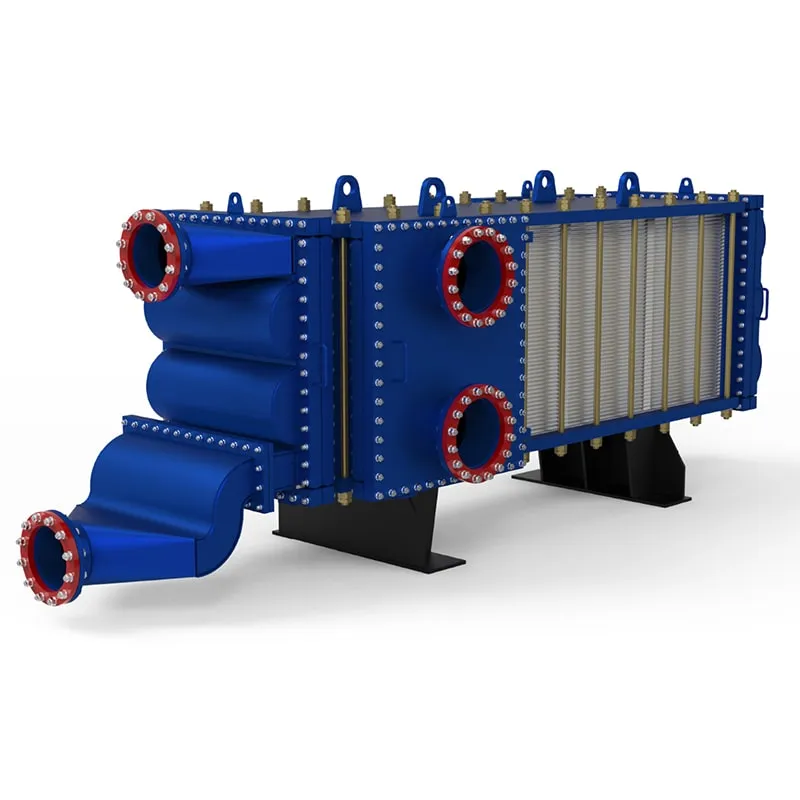
Custom-Engineered Anti-Clogging Solutions for High-Viscosity Slurries:
Deployed specifically to conquer severe industrial fouling, SHPHE wide gap welded plate heat exchangers are tailor-built to handle complex media containing dense fibers, coarse crystals, or solid suspensions without clogging. Each non-obstructed channel is calculated and formed by laser-welded plate packs matching your fluid’s exact rheology and grain size, completely eliminating structural "dead zones" and media stagnation. Available in highly compact vertical and versatile horizontal configurations, our vertical engineering drastically reduces plant footprints while maintaining unhindered product throughput, minimal pressure drops, and flawless continuous operations across harsh process loops.
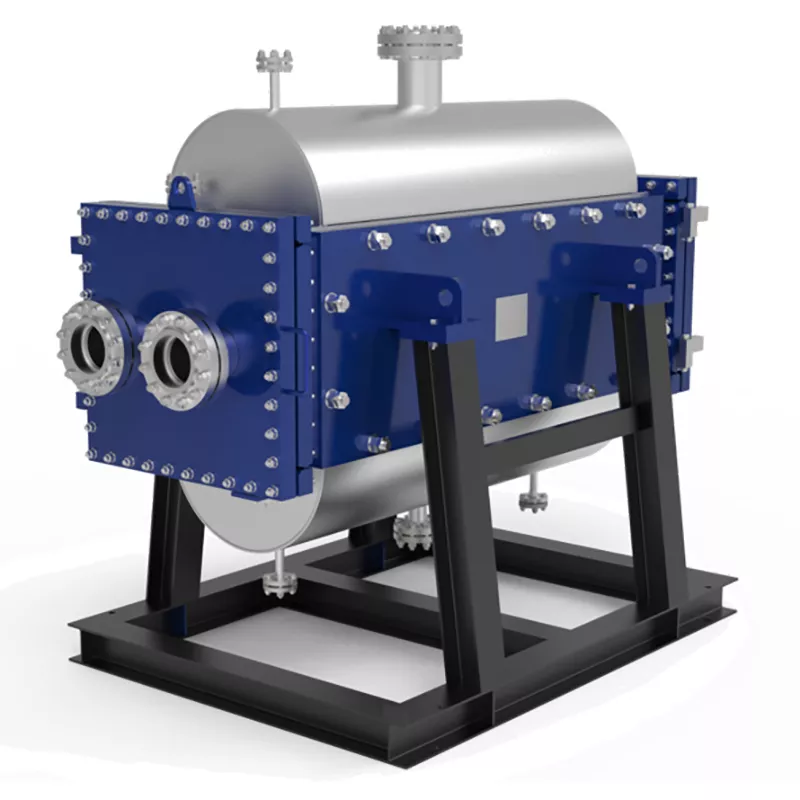
Industrial processes involving particle-laden slurries, high-viscosity syrups, or fiber-rich pulp demand more than standard equipment—they require target-engineered thermal management. At SHPHE, we configure the TP Welded Plate Heat Exchanger to directly conquer your plant's severe fouling, blockage, and erosion threats. Combining custom-tailored channel geometries, wear-resistant metallurgy, and integrated CIP (Cleaning-in-Place) systems, we deliver absolute production continuity where conventional heat exchangers fail.
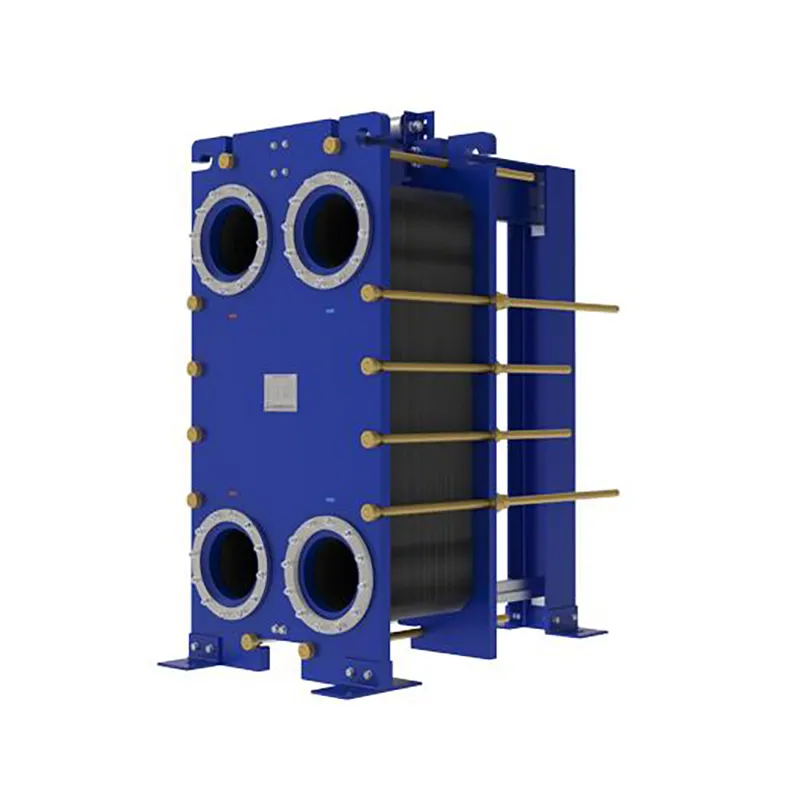
Since the invention of the plate heat exchanger (PHE) in 1923, thermal technology has evolved from standard food-grade processing to highly complex industrial operations. At SHPHE, we take this classic, versatile design and transform it into highly bespoke heat transfer solutions tailored to your unique process fluids and thermal loads. While traditional gasketed PHEs offer high efficiency and compact footprints, SHPHE optimizes plate corrugations, metallurgy, and sealing systems to handle your specific chemical, HVAC, or energy recovery parameters. Our custom-engineered gasketed plate heat exchangers provide outstanding scalability and ease of maintenance, serving as an indispensable asset for heavy industries—including oil and gas, metallurgy, and food processing—where uptime, energy recovery, and long-term sustainability are top priorities.
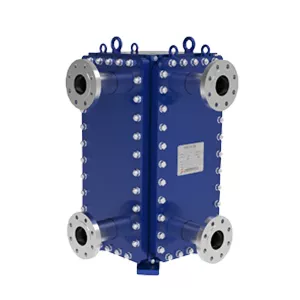
Custom-Engineered for Severe Process Demands. At SHPHE, we don't just supply equipment; we design tailored thermal solutions. Our HT-Bloc welded plate heat exchangers are custom-configured by our experienced engineers to overcome your specific industry challenges—whether handling high-viscosity media, extreme temperatures, or strict space constraints.