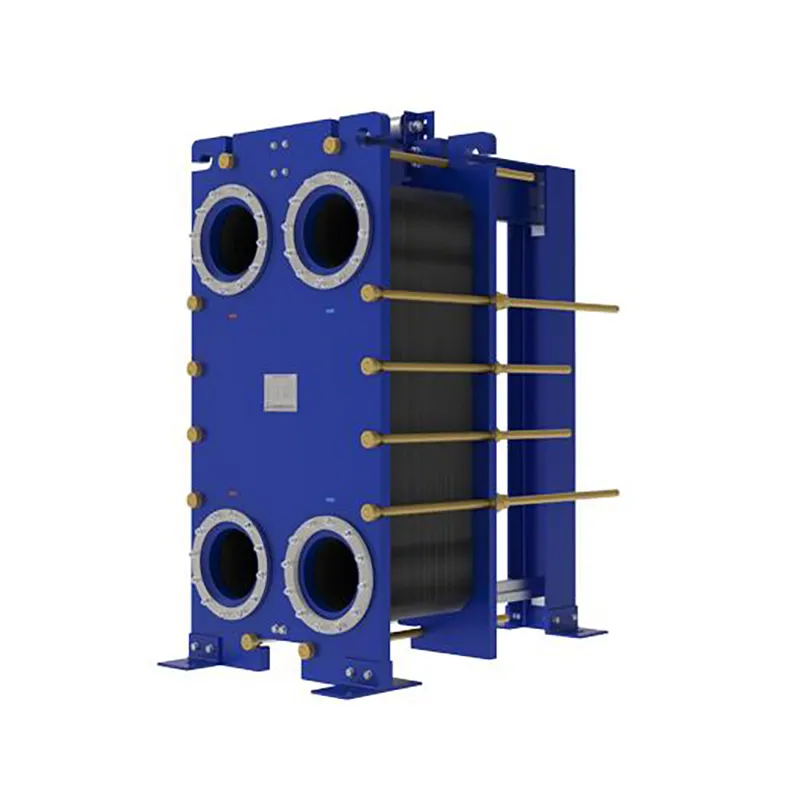
Top-Rated Heat Exchanger Plant for Maximum Efficiency
When it comes to industrial thermal management, choosing the right heat exchanger plant is critical for both operational cost and energy savings. Our top-rated solutions are engineered to deliver consistent performance, reduce downtime, and optimize heat recovery across various applications. Whether you are upgrading existing equipment or planning a new installation, understanding the key features and real-world benefits of these systems helps you make an informed decision. Below, we break down the core technologies, efficiency metrics, and practical considerations that set our plants apart.
Engineered for Superior Thermal Performance
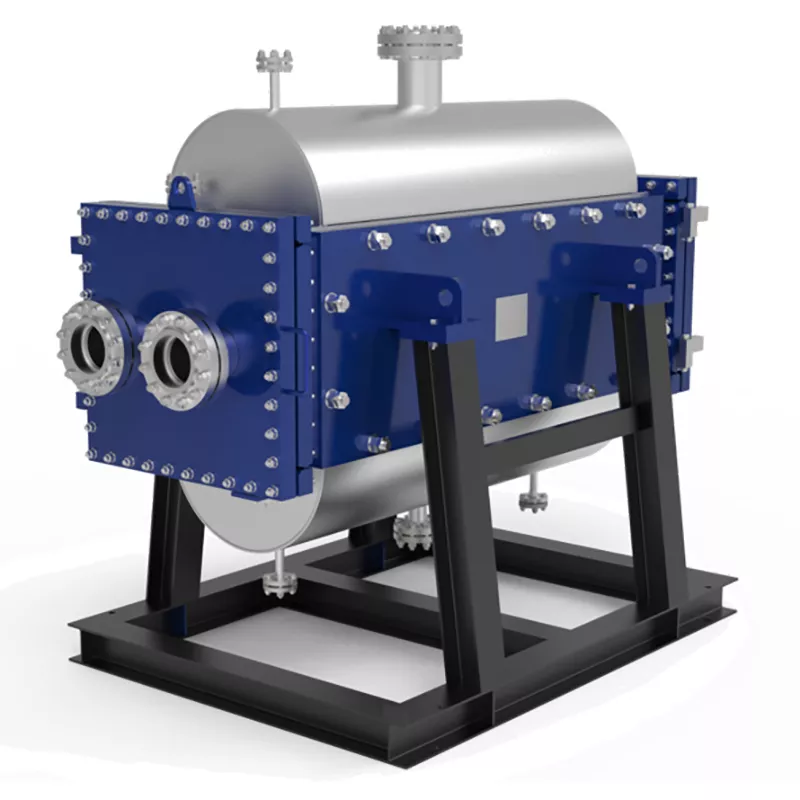
Our heat exchanger plants are built around advanced plate and welded designs that maximize surface area while minimizing pressure drop. For instance, the TP welded plate heat exchanger offers a compact footprint with heat transfer coefficients up to 30% higher than traditional shell-and-tube units. This directly translates to lower energy consumption and reduced utility bills. In a recent petrochemical application, a client reported a 22% improvement in thermal efficiency after switching to our welded plate system, with maintenance intervals extended by nearly 40%.
Custom Solutions for Diverse Industries
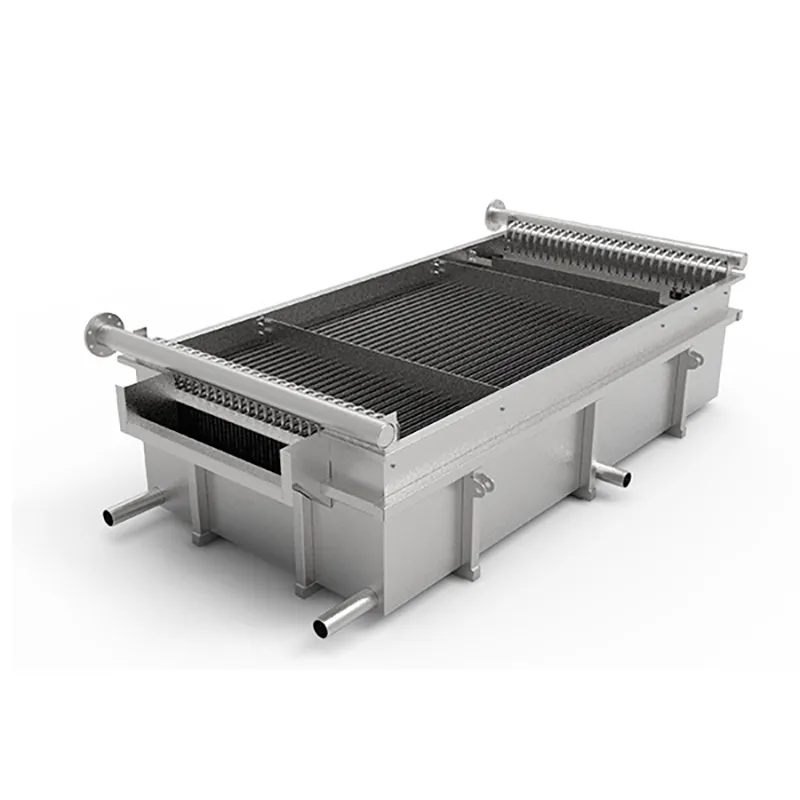
No two processes are exactly alike, which is why we offer tailored configurations. The custom-engineered plate air preheaters are designed to handle high-temperature gas streams up to 650°C, recovering waste heat that would otherwise be lost. Similarly, the wide-gap welded plate heat exchanger excels in handling viscous fluids and slurries, with gap widths adjustable from 5 mm to 15 mm to prevent fouling. These bespoke options ensure that your plant operates at peak efficiency without compromising on reliability.
Key Efficiency Metrics You Can Rely On
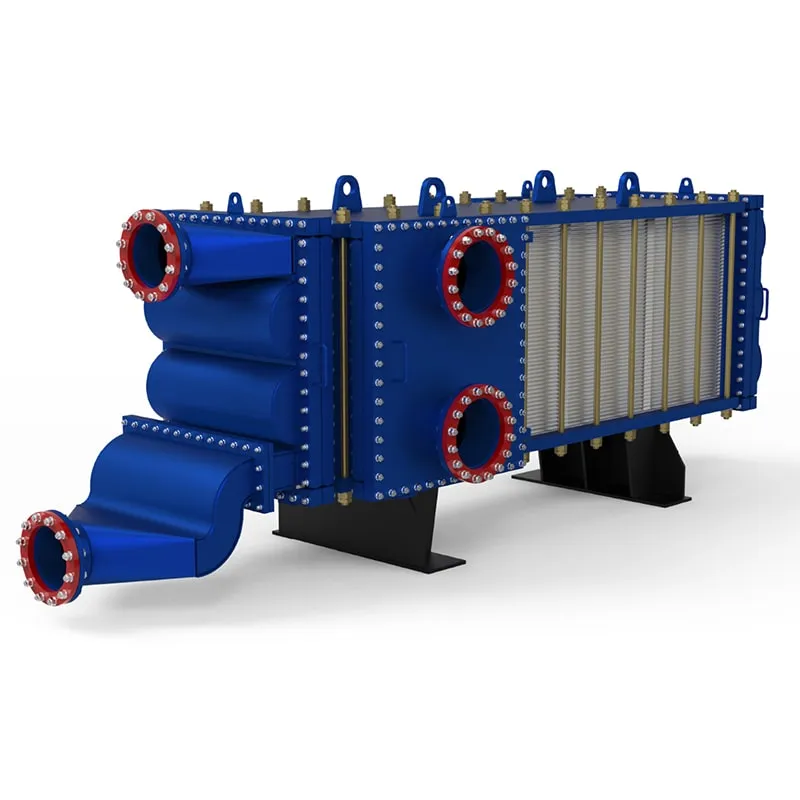
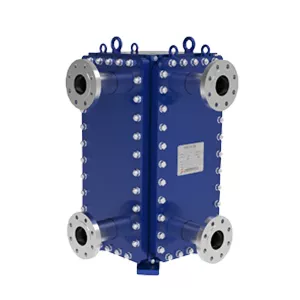
Data from field installations shows that our gasketed plate heat exchangers achieve a logarithmic mean temperature difference (LMTD) correction factor of 0.95 or higher, ensuring near-counterflow performance. The gasketed plate heat exchangers also feature a modular design that allows for easy capacity expansion—simply add plates to increase duty by up to 25% without replacing the entire unit. For high-pressure applications up to 40 bar, the HT-Bloc welded plate heat exchanger provides a leak-proof solution with a thermal effectiveness exceeding 90%.
Durability and Low Maintenance in Real-World Conditions
Longevity is a hallmark of our designs. The custom-engineered pillow plates are fabricated from stainless steel or titanium, offering excellent corrosion resistance in aggressive chemical environments. In a food processing plant, these plates have operated continuously for over eight years without a single leak. For ultra-compact applications, the custom-engineered printed circuit heat exchanger uses diffusion bonding to create microchannels that withstand pressures up to 200 bar, making it ideal for offshore and marine installations where space is at a premium.
Making the Right Choice for Your Facility
Selecting the right heat exchanger plant involves evaluating your process conditions—temperature, pressure, fluid properties, and fouling tendencies. Our engineering team works closely with clients to perform thermal duty simulations and material compatibility checks. For example, a recent project in the pharmaceutical sector required a sterile design with zero cross-contamination risk; we provided a double-wall plate heat exchanger that met FDA standards while maintaining a 95% heat recovery rate. The result was a 15% reduction in steam consumption and a payback period of under 18 months.
Ultimately, a top-rated heat exchanger plant is one that balances efficiency, durability, and adaptability. Our track record across industries—from chemical processing to HVAC—demonstrates that investing in quality engineering pays off through lower operating costs and extended equipment life. We invite you to explore the specific product pages linked above to find the configuration that best fits your needs.

 English EN