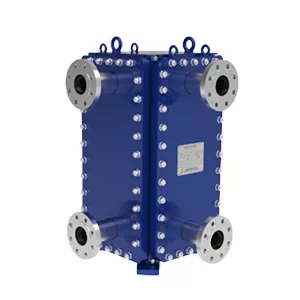
Top Printed Circuit Heat Exchanger Manufacturer for Custom OEM Solutions
Printed circuit heat exchangers (PCHEs) are the go-to choice when you need high heat transfer density, extreme pressure tolerance, and a compact footprint. This article walks through what makes a reliable PCHE, how custom OEM manufacturing actually works, the materials and specs you should be asking about, and how to pick a manufacturing partner who can handle your exact requirements—without the guesswork.
If you work in energy, chemical processing, hydrogen systems, or any field where thermal management is a bottleneck, you have probably run into the limits of conventional shell-and-tube or plate heat exchangers. They are bulky, they struggle with high pressures, and their performance drops when you need a lot of heat transfer in a tight space. Printed circuit heat exchangers solve those problems—but only if they are engineered and built correctly.
This guide is written for engineers, procurement managers, and project leads who are evaluating custom OEM printed circuit heat exchanger manufacturers. We will cover the technology, the manufacturing process, the questions you should be asking, and the practical details that separate a good supplier from a great one.
What Is a Printed Circuit Heat Exchanger?
A printed circuit heat exchanger is a diffusion-bonded compact heat exchanger. The name comes from the manufacturing method: flow channels are chemically etched onto flat metal plates—similar to how printed circuit boards are made—and then stacked and diffusion-bonded into a single solid block. There are no gaskets, no brazing filler metals, and no mechanical joints in the core.
The result is a heat exchanger that can handle pressures up to 600 bar (and higher in some designs), temperature ranges from cryogenic to roughly 900°C depending on the material, and heat transfer effectiveness above 98%. Because the channels are etched, you can optimize the flow geometry for your specific duty—something you simply cannot do with off-the-shelf equipment.
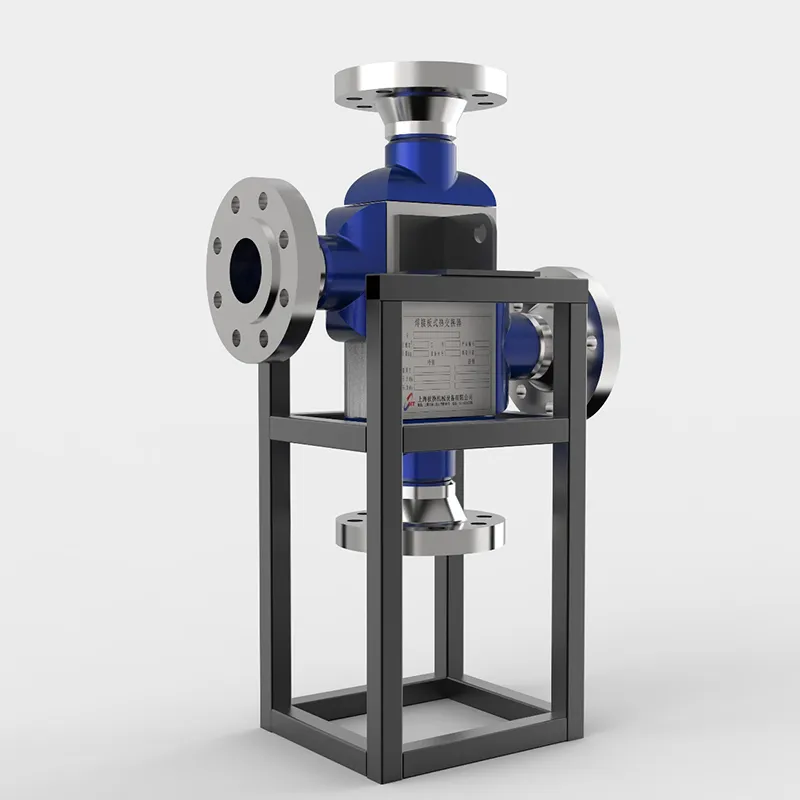
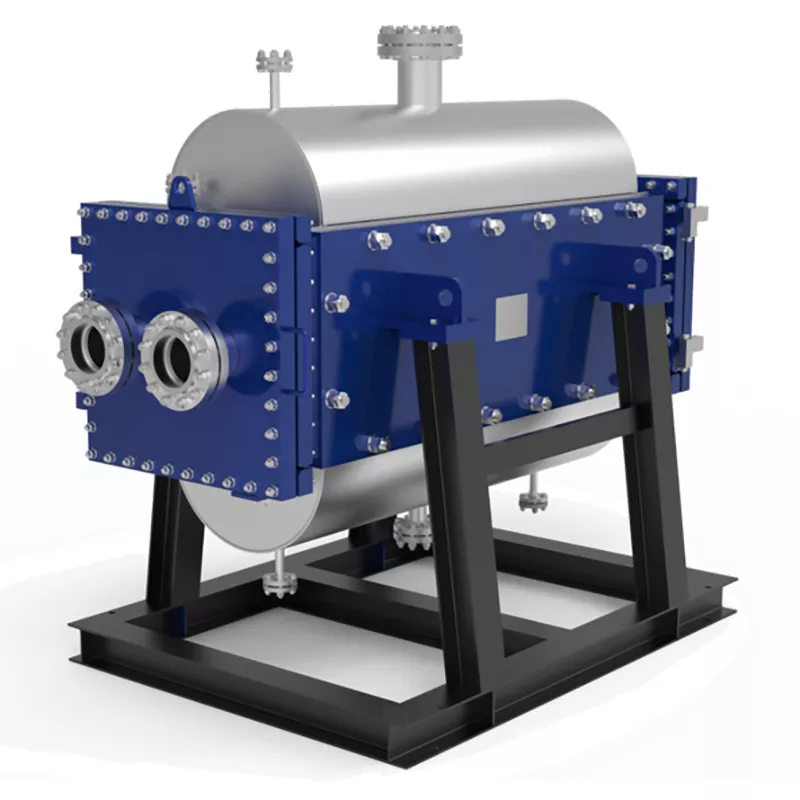
Typical channel diameters range from 0.5 mm to 2 mm, and the plates are usually made from stainless steel (316L, 304), duplex stainless steel, nickel alloys (Inconel 625, 718), or titanium. The choice depends on your fluid, operating temperature, and corrosion environment. For applications that need wider flow paths or more fouling resistance, a wide gap welded plate heat exchanger may be a better fit, but for clean, high-pressure duties, PCHEs are hard to beat.
Why Custom OEM Manufacturing Matters
A printed circuit heat exchanger is not a catalog item. Every unit is built to order, and the design is driven by your process conditions. That is why custom OEM manufacturing is the norm rather than the exception. When you work with a manufacturer that specializes in OEM production, you get:
- Channel geometry tailored to your flow rates, pressure drop limits, and heat duty
- Material selection matched to your fluid chemistry and temperature profile
- Connection and header designs that fit your piping layout
- Documentation and testing that meet your industry standards (ASME, PED, ISO, etc.)
- Repeatable quality across production runs if you need multiple units
The key is finding a manufacturer who can take your process data and turn it into a design that performs reliably—and who can document every step of the build. If your project involves other heat exchanger types, such as custom engineered pillow plates or TP welded plate heat exchangers, a good OEM partner can often supply those as well, which simplifies your supply chain.
The PCHE Manufacturing Process, Step by Step
Understanding how a PCHE is made helps you ask better questions and evaluate a manufacturer's capabilities. Here is the typical workflow:
- Thermal and hydraulic design. The manufacturer models your duty, selects channel dimensions, and predicts pressure drop and heat transfer performance. This step usually involves CFD simulation and iteration with you.
- Plate etching. Flow channels are chemically etched onto flat plates. Photoresist masking defines the pattern, and the etch depth is controlled to tight tolerances—typically within a few micrometers.
- Plate stacking and diffusion bonding. Etched plates are stacked in the required flow arrangement and bonded under high temperature and pressure in a vacuum furnace. The diffusion bonding process creates a joint that is as strong as the base metal, with no filler material.
- Header and connection welding. Inlet and outlet headers are welded to the bonded core. This is a critical step because the header welds must handle the same pressure and temperature as the core.
- Testing and inspection. Pressure testing, helium leak testing, dimensional inspection, and (where required) NDT methods such as radiography or ultrasonic testing are performed.
- Documentation and delivery. Material certificates, test reports, and as-built drawings are compiled. For OEM customers, units are packed for integration into larger systems.
A manufacturer who is comfortable with all of these steps—and who can show you evidence of past projects—is worth serious consideration. You can see an example of a dedicated PCHE product line here.
Specifications to Discuss With Your Manufacturer
Before you request a quote, gather the following information. The more detail you provide, the more accurate the design and the fewer surprises later.
- Fluids and flow rates: What is on the hot side and cold side? What are the mass or volumetric flow rates?
- Operating conditions: Design pressure, design temperature, and any transients or cyclic loading.
- Heat duty: Required heat transfer rate and allowable pressure drop on each side.
- Material requirements: Corrosion resistance, compatibility with your fluid, and any code-driven material restrictions.
- Connections: Nozzle sizes, flange standards, and orientation.
- Codes and standards: ASME Section VIII, PED, GB, or other applicable codes, plus any customer-specific specifications.
- Testing and documentation: What level of NDT, pressure testing, and documentation do you need?
A capable manufacturer will review these inputs and come back with a design proposal, including a performance guarantee and a clear scope of supply. If they cannot explain their design basis or provide references, that is a red flag.
How to Evaluate a Printed Circuit Heat Exchanger Manufacturer
There are not many manufacturers worldwide who can produce diffusion-bonded PCHEs. That short list makes it even more important to evaluate each candidate carefully. Here are the criteria that matter most:
1. In-house etching and bonding. Some suppliers outsource etching or bonding. A manufacturer who controls these processes in-house has better control over quality and lead time. Ask directly: where are the plates etched, and where is the diffusion bonding performed?
2. Engineering depth. PCHE design requires expertise in heat transfer, fluid mechanics, materials science, and pressure vessel codes. Look for a team that can discuss your process in detail and explain trade-offs between channel size, pressure drop, and fouling risk.
3. Testing capability. Pressure testing at full design conditions and helium leak testing are essential. The manufacturer should have the equipment and procedures to test every unit before shipment.
4. Documentation and certification. For OEM projects, you need material traceability, test reports, and compliance with the relevant codes. A manufacturer who is certified to ASME, PED, or other standards can save you a lot of headaches during project approval.
5. Experience with your application. PCHEs are used in LNG vaporizers, hydrogen compressors and coolers, supercritical CO2 power cycles, chemical reactors, and more. Ask for case studies or references in your industry. If they have not worked in your sector before, make sure they can demonstrate a solid design methodology.
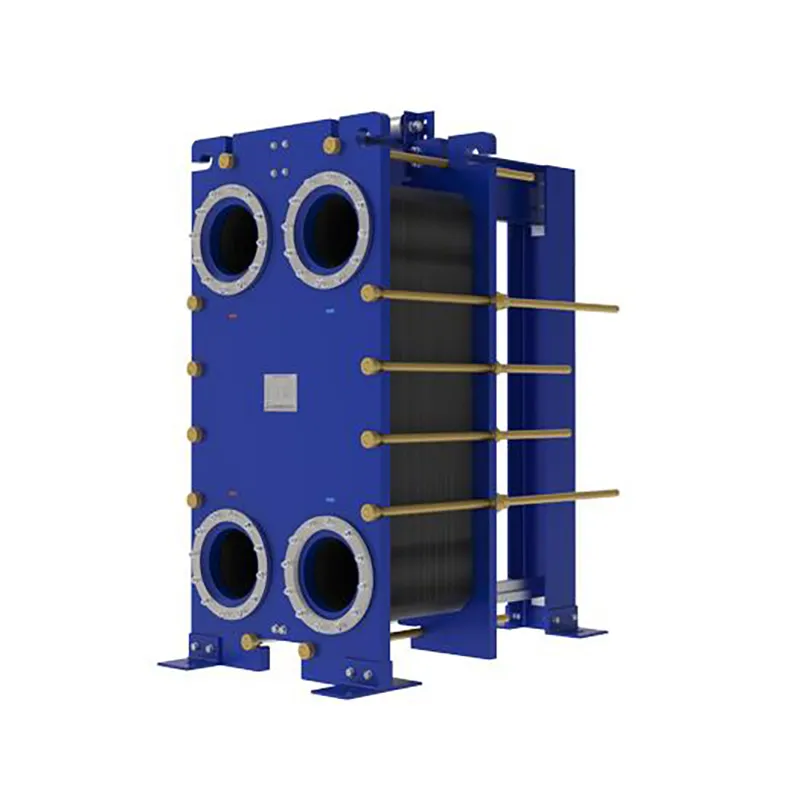
It also helps to work with a manufacturer who offers a broader range of heat exchanger technologies. For example, if your project includes gasketed plate heat exchangers or HT-BLOC welded plate heat exchangers alongside PCHEs, a single supplier can coordinate the thermal design across all units.
Common Applications for Custom PCHEs
Printed circuit heat exchangers are used wherever high pressure, high temperature, or tight space constraints make conventional exchangers impractical. Some of the most common applications include:
- LNG and natural gas processing: Cryogenic vaporizers and interstage coolers where compactness and pressure tolerance are critical.
- Hydrogen systems: Compressor coolers, precoolers, and heat exchangers in electrolysis and fuel cell systems, where high pressure and purity requirements rule out many other designs.
- Supercritical CO2 power cycles: Recuperators and coolers that operate at high pressure and temperature with tight approach temperatures.
- Chemical and petrochemical: Reactor feed/effluent exchangers, where corrosion-resistant alloys are needed.
- Aerospace and defense: Compact thermal management systems where weight and volume are at a premium.
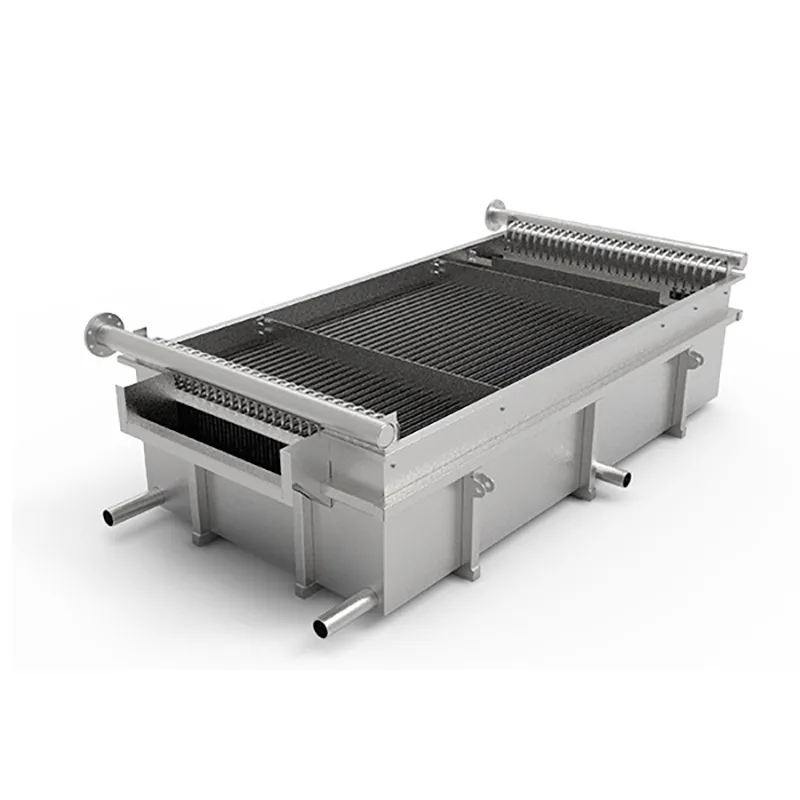
In many of these applications, the PCHE is part of a larger system that may also include air preheaters or other heat recovery equipment. A manufacturer who understands the full system can help you optimize the overall thermal design. For example, if your process includes waste heat recovery, a custom engineered plate air preheater might complement your PCHE installation.
Practical Tips for a Smooth OEM Project
Once you have selected a manufacturer, a few practical steps can keep the project on track:
Start with a clear specification. Even if you do not have all the answers, provide as much process data as possible. A good manufacturer will help you fill in the gaps, but they cannot design around unknowns.
Agree on the design review process. Ask for a design review at the preliminary and final stages. This is your chance to catch misunderstandings before fabrication begins.
Clarify the scope of supply. Does the manufacturer supply only the core, or the complete unit with headers, nozzles, and supports? Make sure the interface with your piping is clearly defined.
Plan for inspection. If you or your end customer require third-party inspection, arrange it early. The manufacturer should be familiar with third-party inspection agencies and able to accommodate them.
Discuss lead time honestly. PCHEs are not fast-turnaround items. Etching, bonding, and testing take time. A manufacturer who gives you an unrealistically short lead time is probably cutting corners.
Frequently Asked Questions
What is the maximum pressure a PCHE can handle?
Most standard designs are rated for up to 600 bar, but higher pressures are possible with thicker plates and optimized channel designs. The limit depends on the material and the geometry, so discuss your specific requirements with the manufacturer.
Can PCHEs handle fouling fluids?
PCHEs are best suited for clean fluids because the channels are small. For fouling service, wider channels or alternative designs such as wide-gap welded plate heat exchangers are more appropriate. Be honest with your manufacturer about fluid cleanliness.
What materials are available?
Common materials include 316L stainless steel, 304 stainless steel, duplex stainless steel, Inconel 625, Inconel 718, and titanium. The choice depends on corrosion resistance, temperature capability, and cost.
How long does a custom PCHE take to manufacture?
Lead times vary with size, material, and testing requirements. A typical custom unit might take 12 to 20 weeks from design approval to shipment. Complex or large units can take longer.
Can I get a replacement core for an existing PCHE?
In many cases, yes. If you have the original design data or the nameplate information, a manufacturer can reverse-engineer or replicate the core. This is often more cost-effective than replacing the entire unit.
Final Thoughts
Choosing a printed circuit heat exchanger manufacturer for custom OEM solutions comes down to three things: technical capability, quality control, and communication. The technology itself is well established, but the execution varies widely from one supplier to another. Take the time to ask detailed questions, review past projects, and make sure the manufacturer understands your process. A well-designed PCHE will quietly do its job for decades—so it is worth getting the partnership right from the start.
Whether you are building a new system or upgrading an existing one, working with a manufacturer who can handle the full scope of custom engineering—from thermal design to diffusion bonding to final testing—will save you time and reduce risk. Use the criteria in this guide to narrow down your options, and do not hesitate to ask for the evidence that backs up a supplier's claims.

 English EN