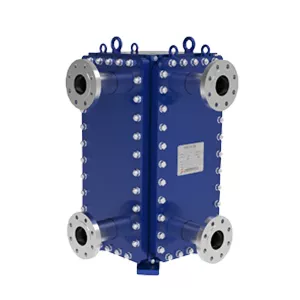
Gas to gas heat exchangers are essential components in modern industrial processes, offering significant improvements in thermal efficiency and energy recovery. By transferring heat between two gas streams without direct mixing, these systems reduce fuel consumption, lower operational costs, and minimize environmental impact. This article explores the key benefits of gas to gas heat exchangers, backed by real-world performance data and practical applications.
1. Enhanced Energy Recovery and Reduced Fuel Costs
Gas to gas heat exchangers capture waste heat from exhaust or process gas streams and transfer it to incoming cold gas streams. This preheating effect can reduce the energy required to reach target temperatures by 20% to 40%, depending on the operating conditions. For example, in a typical industrial furnace application, installing a gas to gas heat exchanger can lower natural gas consumption by up to 30%, translating to substantial annual savings. The payback period for such an investment is often less than two years, making it a financially sound decision for facilities with continuous high-temperature operations.
2. Improved Process Stability and Temperature Control
These heat exchangers provide consistent and precise temperature regulation for gas streams entering downstream equipment. By stabilizing the inlet temperature, they help maintain optimal reaction conditions in chemical processes, improve combustion efficiency in boilers, and protect sensitive components from thermal shock. The ability to control gas temperatures within a narrow range (often ±2°C) enhances overall process reliability and product quality.
3. Reduced Emissions and Environmental Compliance
By recovering waste heat, gas to gas heat exchangers directly reduce the amount of fuel burned for heating purposes. This leads to lower emissions of CO2, NOx, and other pollutants. For instance, a chemical plant using a gas to gas heat exchanger to preheat combustion air can cut CO2 emissions by approximately 15% to 25% while also reducing thermal NOx formation. Many facilities find that these systems help them meet increasingly strict environmental regulations without major capital upgrades.
4. Compact Design and Space Savings
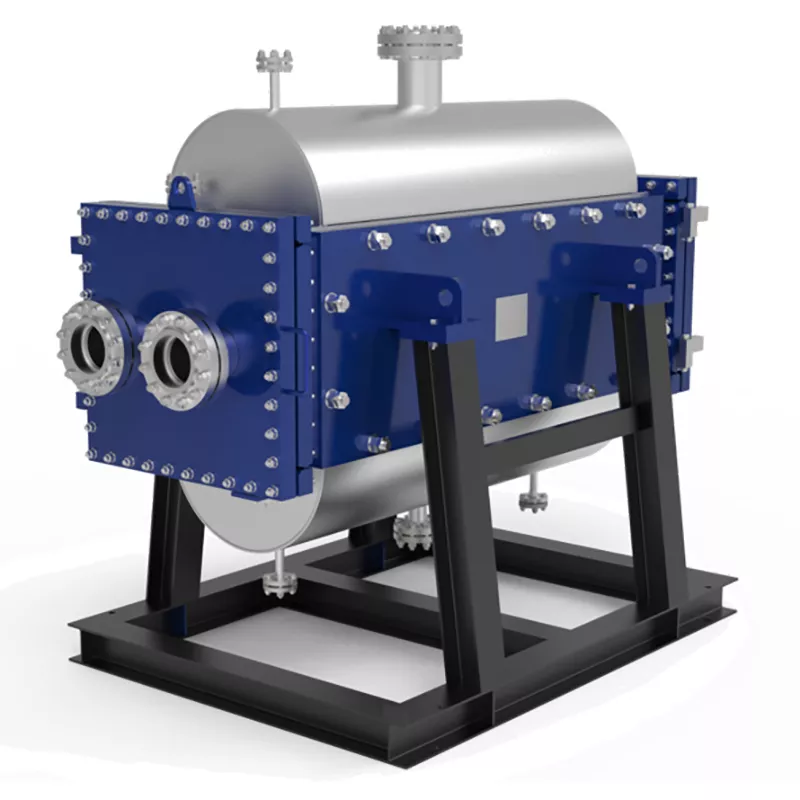
Modern gas to gas heat exchangers are engineered with high surface-area-to-volume ratios, allowing them to handle large gas volumes in a relatively small footprint. For example, a printed circuit heat exchanger can achieve thermal performance comparable to traditional shell-and-tube designs while occupying only 20% to 30% of the space. This compactness is especially valuable in retrofit projects where floor space is limited.
5. Low Maintenance and Long Service Life
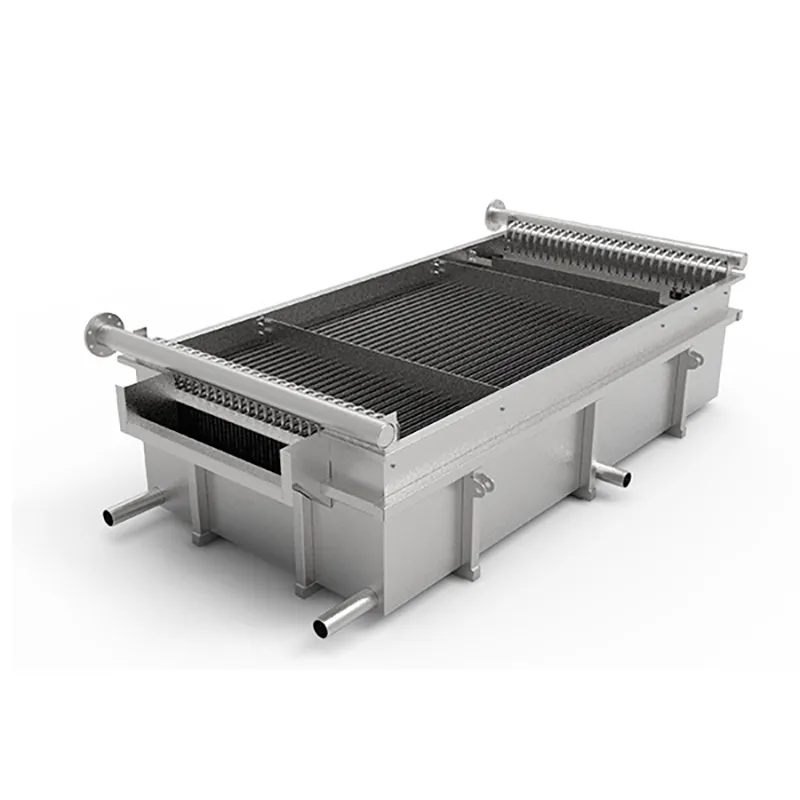
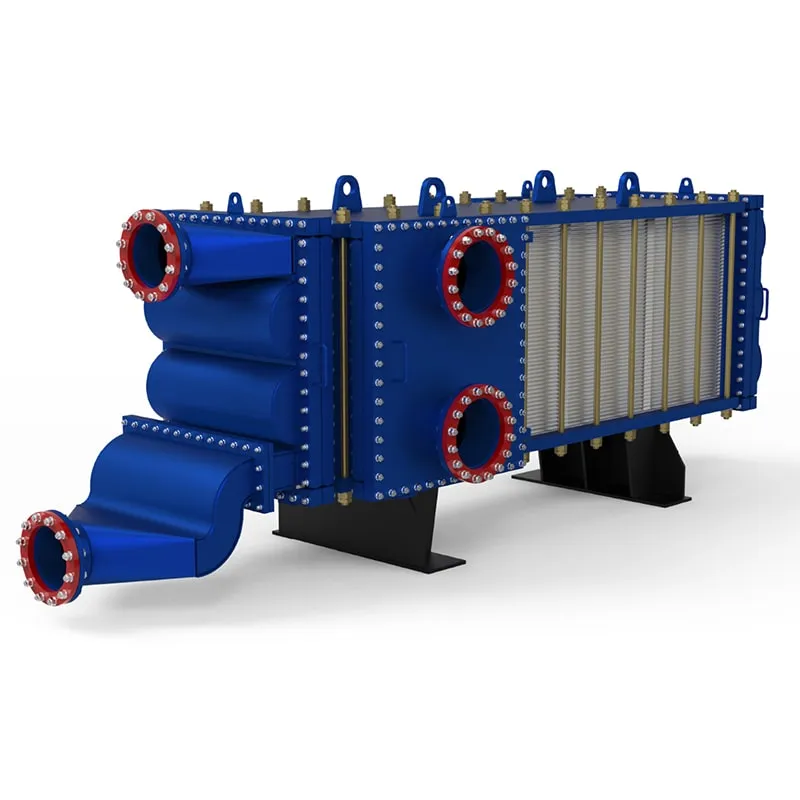
Gas to gas heat exchangers are built with durable materials such as stainless steel, Inconel, or ceramic coatings to withstand high temperatures and corrosive gas environments. Many designs feature smooth, straight gas passages that resist fouling and are easy to clean. With proper installation and routine inspection, these units can operate for 15 to 20 years without major repairs. The HT-Bloc welded plate heat exchanger is a good example of a robust design that minimizes leakage and extends maintenance intervals.
6. Versatility Across Industries
These heat exchangers are used in a wide range of sectors, including power generation, petrochemicals, steel manufacturing, food processing, and HVAC systems. They can handle gas temperatures from 100°C to over 1000°C and pressures up to 30 bar. Whether it is preheating combustion air in a glass furnace or recovering heat from a gas turbine exhaust, gas to gas heat exchangers adapt to specific process requirements through customized plate or tube configurations.
7. Cost-Effective Retrofitting and Integration
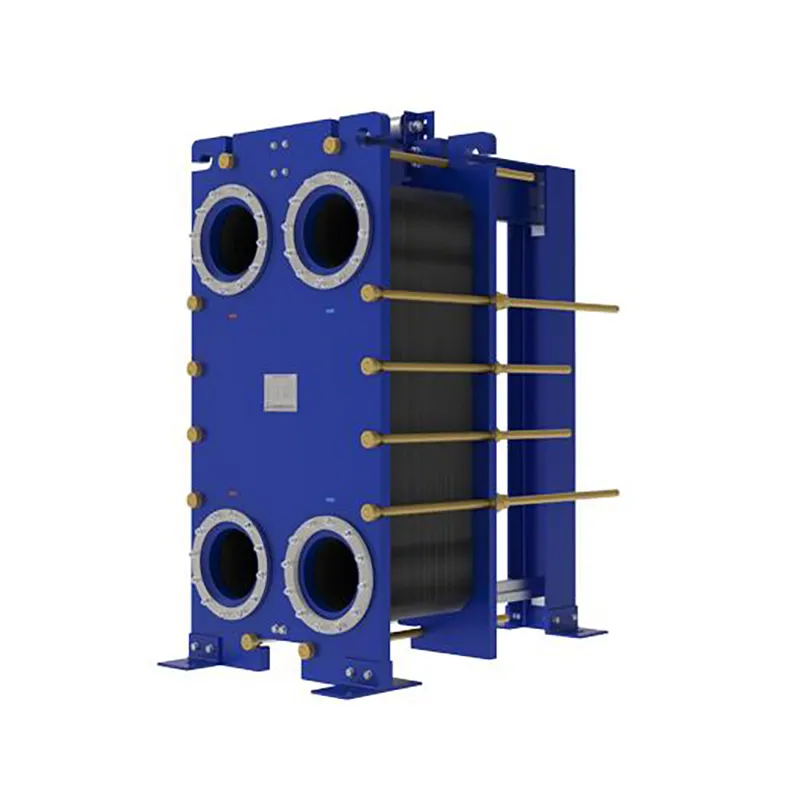
Installing a gas to gas heat exchanger is often a straightforward retrofit that does not require significant changes to existing equipment. Many units are designed with modular connections that allow quick integration into current ductwork or piping. For example, a gasketed plate heat exchanger can be added to an existing exhaust system with minimal downtime. The relatively low installation cost combined with rapid energy savings makes this an attractive option for facilities looking to improve efficiency without a complete system overhaul.
8. Real-World Performance Data
In a recent case study involving a steel reheat furnace, a gas to gas heat exchanger increased the combustion air temperature from 25°C to 350°C, resulting in a 28% reduction in fuel consumption. The unit operated at a thermal effectiveness of 82% and maintained a pressure drop of less than 200 Pa, ensuring minimal impact on the existing fan system. Another example from a chemical processing plant showed that a gas to gas heat exchanger recovered 1.5 MW of thermal energy, saving the facility over $180,000 annually in natural gas costs.
9. Choosing the Right Design for Your Application
Selecting the appropriate gas to gas heat exchanger depends on factors such as gas composition, temperature range, allowable pressure drop, and space constraints. For high-temperature, clean gas streams, a TP welded plate heat exchanger offers excellent thermal performance and durability. For applications with particulate-laden gases, a wide gap welded plate heat exchanger provides wider flow channels to prevent clogging. Consulting with an experienced engineer can help match the design to your specific process needs.
10. Future Trends and Innovations
Advances in materials science and manufacturing are pushing the boundaries of gas to gas heat exchanger performance. Additive manufacturing techniques now allow for complex internal geometries that enhance heat transfer while reducing weight. Custom engineered pillow plates are being used in high-pressure applications to achieve even greater efficiency. As industries continue to prioritize energy conservation and carbon reduction, gas to gas heat exchangers will play an increasingly critical role in sustainable operations.

 English EN