English EN


PCHE in Hydrocarbon Processing and Refining: High-Pressure Heat Recovery Solutions
Printed Circuit Heat Exchanger solutions deliver high-pressure heat recovery, efficiency, and reliability for hydrocarbon processing and refining industries.
More
In chemical manufacturing, maintaining precise temperature control is critical for product quality, safety, and energy efficiency. This article explores advanced heat exchange technologies designed to handle aggressive fluids, high pressures, and tight thermal tolerances. From welded plate exchangers to custom-engineered printed circuit units, we break down real-world solutions that help plant engineers and process designers achieve consistent results without compromising on durability or operational costs.
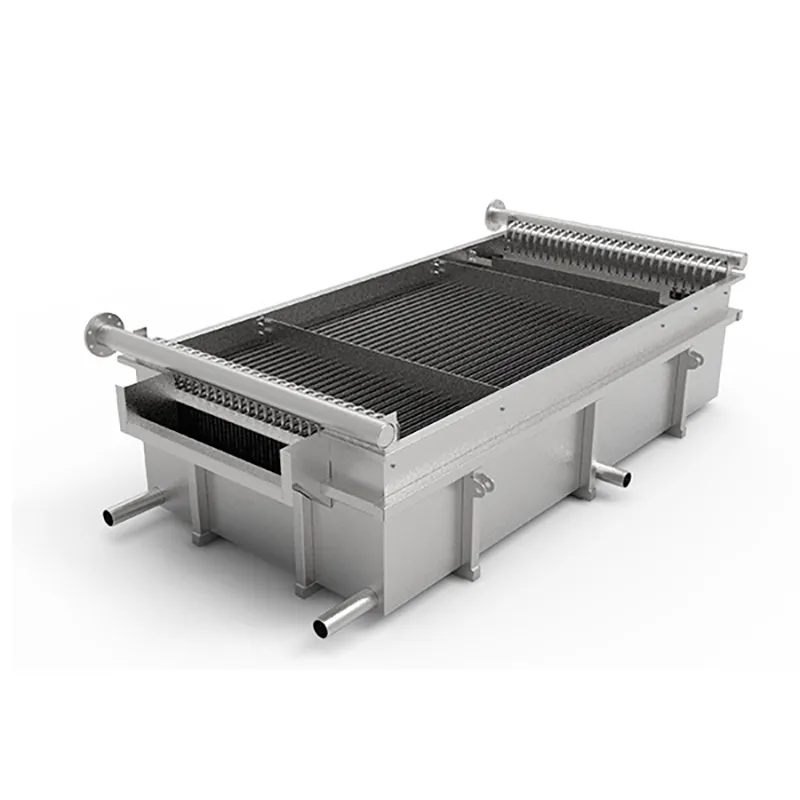
When dealing with corrosive chemicals or high-temperature reactions, standard heat exchangers often fall short. Many facilities have turned to TP welded plate heat exchangers because they eliminate gaskets and provide a fully welded structure. This design prevents leaks even under thermal cycling, making it a reliable choice for processes involving acids or solvents. In one refinery application, a TP unit reduced unplanned downtime by 40% compared to traditional shell-and-tube systems.
For applications that require frequent cleaning or capacity adjustments, gasketed plate heat exchangers offer flexibility. Their plate pattern creates high turbulence, which improves heat transfer coefficients by up to 50% over smooth tubes. A food-grade chemical plant recently used this technology to maintain a temperature deviation of less than 0.5°C during a continuous polymerization process, directly improving product consistency.
When space is limited but thermal duty is high, the HT Bloc welded plate heat exchanger provides a compact solution. Its all-welded core handles pressures up to 40 bar and temperatures up to 350°C. In a specialty chemical plant, this design replaced a bulky shell-and-tube unit, saving 60% of floor space while maintaining the same heat load. The fully welded construction also eliminated the risk of cross-contamination between process and service fluids.
For extreme precision in high-pressure reactions, custom-engineered printed circuit heat exchangers (PCHEs) offer unmatched control. These units use chemically etched flow channels to achieve very close temperature approaches—often within 1°C. A pharmaceutical intermediate manufacturer used a PCHE to control an exothermic reaction, keeping the temperature within ±0.2°C of the setpoint. This level of precision reduced byproduct formation by 15% and improved yield.
Processes with high solids content or viscous fluids benefit from the wide gap welded plate heat exchanger. Its plate spacing is 2-3 times wider than standard units, allowing slurries and fibrous materials to pass through without clogging. A wastewater treatment facility handling polymer-laden effluent saw a 70% reduction in cleaning frequency after switching to this design, directly cutting maintenance labor costs.
For specialized heating or cooling surfaces, custom-engineered pillow plates provide a versatile option. These dimpled panels can be formed into tanks, reactors, or immersion coils. A chemical storage terminal used pillow plates as internal tank heaters, achieving uniform heat distribution across a 20-meter diameter vessel. The design eliminated hot spots that previously caused product degradation.
In processes that require preheating combustion air or recovering waste heat, custom-engineered plate air preheaters deliver significant energy savings. One chemical plant integrated a plate air preheater into its steam generation system, recovering 25% of the flue gas heat. This reduced natural gas consumption by 12% and lowered the facility's carbon footprint without affecting production rates.
Choosing the right temperature solution depends on your specific process conditions. Factors like fluid corrosivity, operating pressure, required temperature accuracy, and maintenance access all play a role. Many engineers find that a combination of technologies—such as a welded plate exchanger for the main duty and a PCHE for fine-tuning—provides the best overall performance. By matching the equipment to the actual thermal and mechanical demands, you can achieve both precision and long-term reliability in your chemical processes.
We provide you with comprehensive foreign trade solutions to help enterprises achieve global development
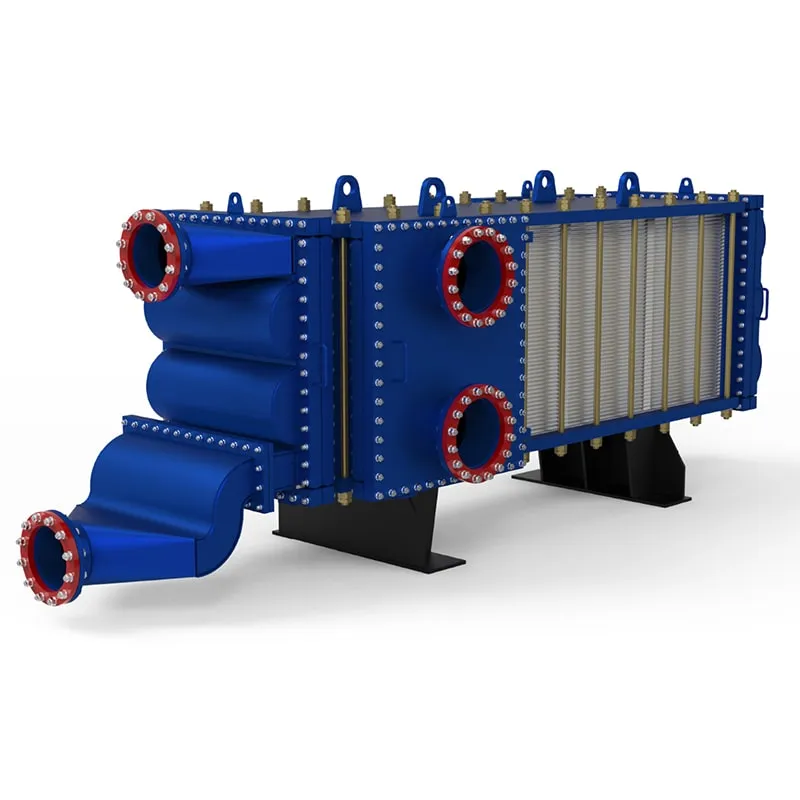
Custom-Engineered Anti-Clogging Solutions for High-Viscosity Slurries:
Deployed specifically to conquer severe industrial fouling, SHPHE wide gap welded plate heat exchangers are tailor-built to handle complex media containing dense fibers, coarse crystals, or solid suspensions without clogging. Each non-obstructed channel is calculated and formed by laser-welded plate packs matching your fluid’s exact rheology and grain size, completely eliminating structural "dead zones" and media stagnation. Available in highly compact vertical and versatile horizontal configurations, our vertical engineering drastically reduces plant footprints while maintaining unhindered product throughput, minimal pressure drops, and flawless continuous operations across harsh process loops.
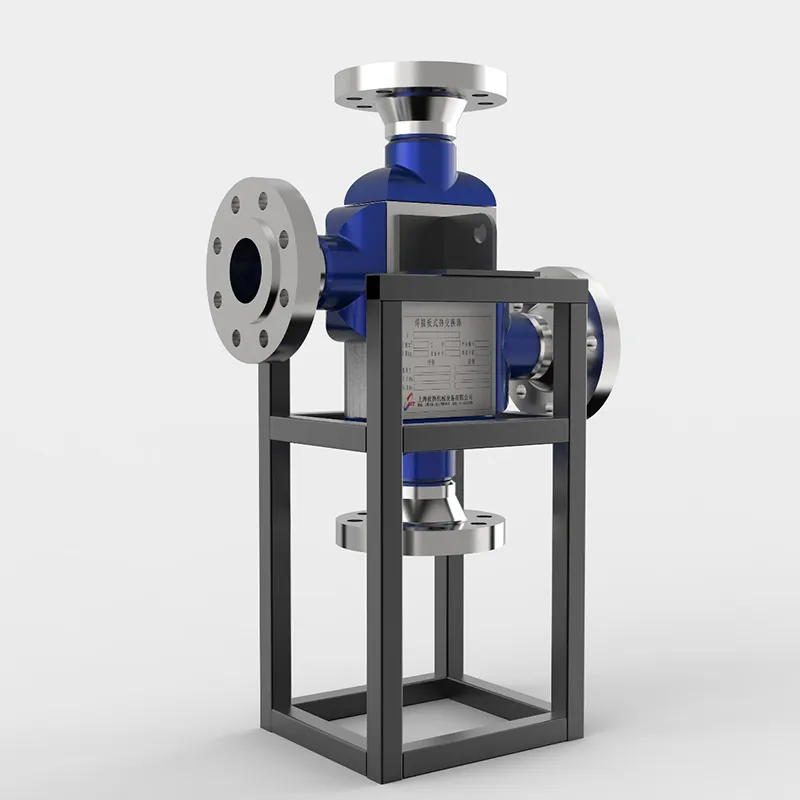
The SHPHE Printed Circuit Heat Exchanger (PCHE) is an advanced diffusion bonded microchannel heat exchanger engineered for demanding high-pressure and high-temperature thermal duties. Compared with conventional shell-and-tube equipment, its chemically etched microchannel structure provides exceptionally high heat-transfer surface density within a compact core. Combined with solid-state diffusion bonding, the design delivers high thermal effectiveness, mechanical integrity, and reliable containment under extreme operating conditions.
Designed as a compact high pressure heat exchanger, the SHPHE PCHE supports critical thermal processes across LNG, natural gas processing, offshore energy systems, supercritical CO₂ power cycles, hydrocarbon processing, and high-pressure hydrogen applications. Its combination of compact size, high pressure capability, low fluid inventory, and efficient heat recovery makes PCHE technology particularly suitable for applications where equipment footprint, weight, safety, and thermal performance are equally important.
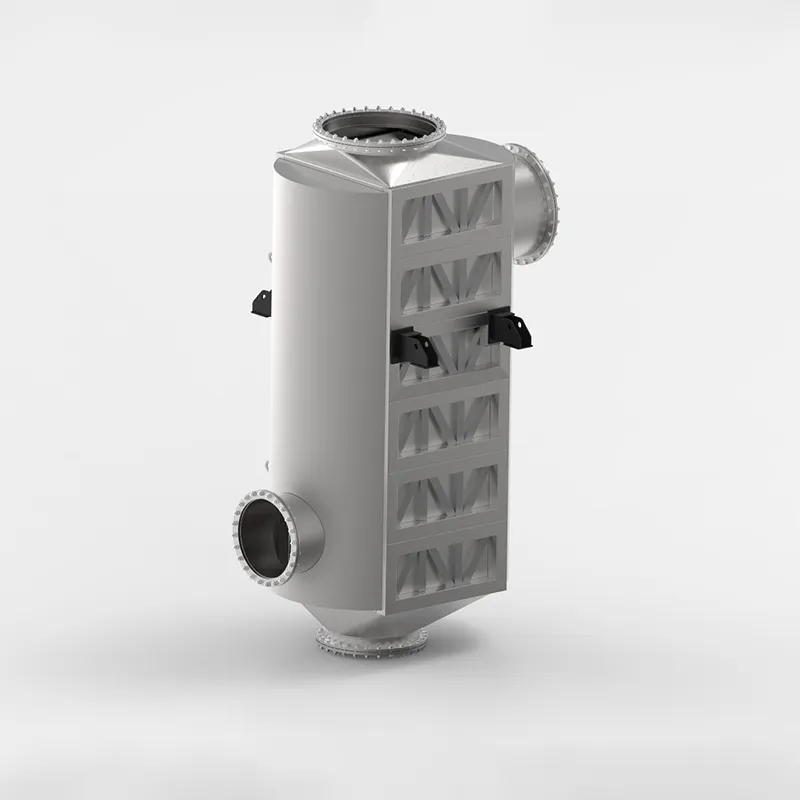
Industrial furnace and boiler exhaust gases carry vast amounts of unutilized thermal energy. The SHPHE custom Plate Air Preheater (PAPH) is target-engineered to intercept this high-temperature flue gas, recovering valuable waste heat and transferring it directly back to incoming combustion air or process gas streams. By substantially elevating the temperature of your flame feed, our custom systems optimize combustion thermodynamics, deliver massive fuel savings, and significantly reduce industrial carbon and emissions footprints. Built to withstand severe flue-gas environments, SHPHE PAPH systems serve as the premier choice for modern, energy-intensive plants prioritizing decarb compliance and maximum thermal efficiency.
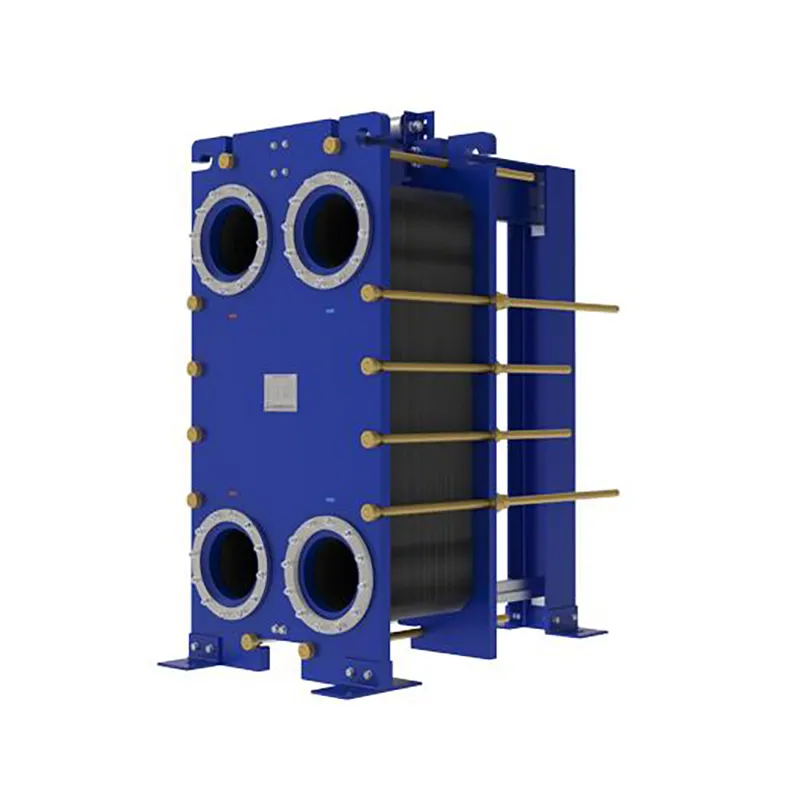
Since the invention of the plate heat exchanger (PHE) in 1923, thermal technology has evolved from standard food-grade processing to highly complex industrial operations. At SHPHE, we take this classic, versatile design and transform it into highly bespoke heat transfer solutions tailored to your unique process fluids and thermal loads. While traditional gasketed PHEs offer high efficiency and compact footprints, SHPHE optimizes plate corrugations, metallurgy, and sealing systems to handle your specific chemical, HVAC, or energy recovery parameters. Our custom-engineered gasketed plate heat exchangers provide outstanding scalability and ease of maintenance, serving as an indispensable asset for heavy industries—including oil and gas, metallurgy, and food processing—where uptime, energy recovery, and long-term sustainability are top priorities.