English EN


What Are The Different Types of Plate Heat Exchangers
Plate Heat Exchangers include gasketed, brazed, welded, semi-welded, shell and plate, and specialty types for varied industrial uses.
More
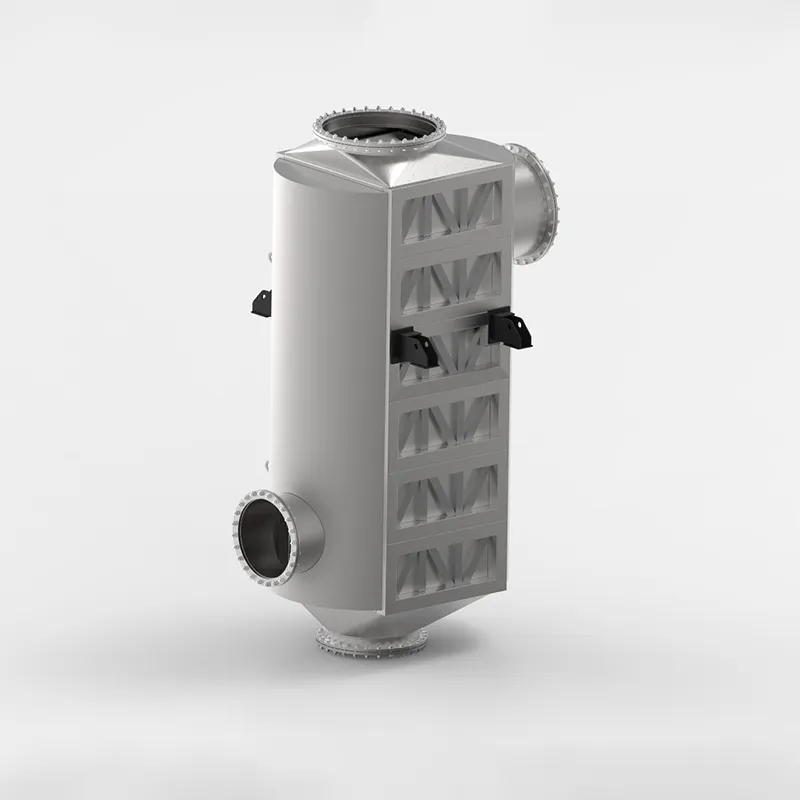
When it comes to industrial heat exchangers, the quality of stainless steel plates directly impacts thermal efficiency, corrosion resistance, and service life. Over the years, we have seen many facilities struggle with premature plate failure due to substandard material selection or improper surface finishing. The truth is, not all SS plates are created equal, and understanding the nuances can save your operation both downtime and capital.
High-quality SS plates for heat exchangers typically use grades like 304L, 316L, or 321, depending on the operating environment. For example, in chemical processing where chlorides are present, 316L offers superior pitting resistance. Data from field tests show that 316L plates can extend service intervals by up to 40% compared to standard 304 in moderate chloride conditions. The plate thickness also matters; a 0.6mm to 1.2mm range is common for gasketed plate heat exchangers, while welded units may use slightly thicker material.
Surface finish is another critical factor. A smooth, mirror-like finish (Ra ≤ 0.5 μm) reduces fouling and makes cleaning easier. In food and pharmaceutical applications, this is non-negotiable. For heavy industrial use, a slightly rougher finish (Ra 0.8–1.0 μm) can still perform well while being more cost-effective. We recommend always requesting a surface roughness certificate from your supplier.
Manufacturing precision also plays a huge role. The plate pattern depth and angle must be consistent across the entire surface. Even a 0.1mm deviation can cause uneven flow distribution, leading to hot spots and reduced heat transfer. Reputable manufacturers use CNC-controlled pressing and laser inspection to maintain tolerances within ±0.05mm. This level of precision is what separates a reliable heat exchanger from one that needs frequent gasket replacements.
For those looking into custom-engineered solutions, custom plate air preheaters often require specialized alloys and port configurations. Similarly, wide gap welded plate heat exchangers benefit from thicker plates and wider channel spacing to handle viscous fluids or slurries. Always match the plate design to the specific process fluid and temperature range.
In terms of real-world performance, a well-maintained SS plate heat exchanger can last 15 to 20 years. The key is regular inspection of plate condition and gasket integrity. We have seen cases where switching from 304 to 316L plates in a cooling tower application reduced annual maintenance costs by 25%. That is a tangible return on investment that goes beyond the initial material cost.
To wrap up, choosing high-quality SS plates is not about buying the most expensive option. It is about selecting the right grade, finish, and precision for your specific application. Work with suppliers who provide full material traceability and performance data. Your heat exchanger will thank you with years of reliable service.
We provide you with comprehensive foreign trade solutions to help enterprises achieve global development
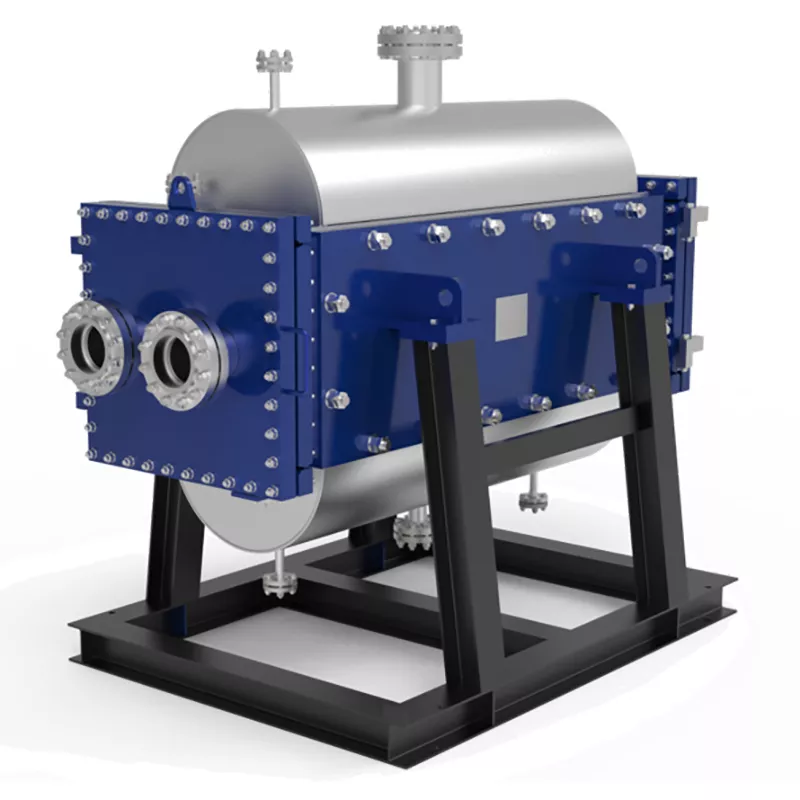
Industrial processes involving particle-laden slurries, high-viscosity syrups, or fiber-rich pulp demand more than standard equipment—they require target-engineered thermal management. At SHPHE, we configure the TP Welded Plate Heat Exchanger to directly conquer your plant's severe fouling, blockage, and erosion threats. Combining custom-tailored channel geometries, wear-resistant metallurgy, and integrated CIP (Cleaning-in-Place) systems, we deliver absolute production continuity where conventional heat exchangers fail.
Custom-Engineered for Severe Process Demands. At SHPHE, we don't just supply equipment; we design tailored thermal solutions. Our HT-Bloc welded plate heat exchangers are custom-configured by our experienced engineers to overcome your specific industry challenges—whether handling high-viscosity media, extreme temperatures, or strict space constraints.
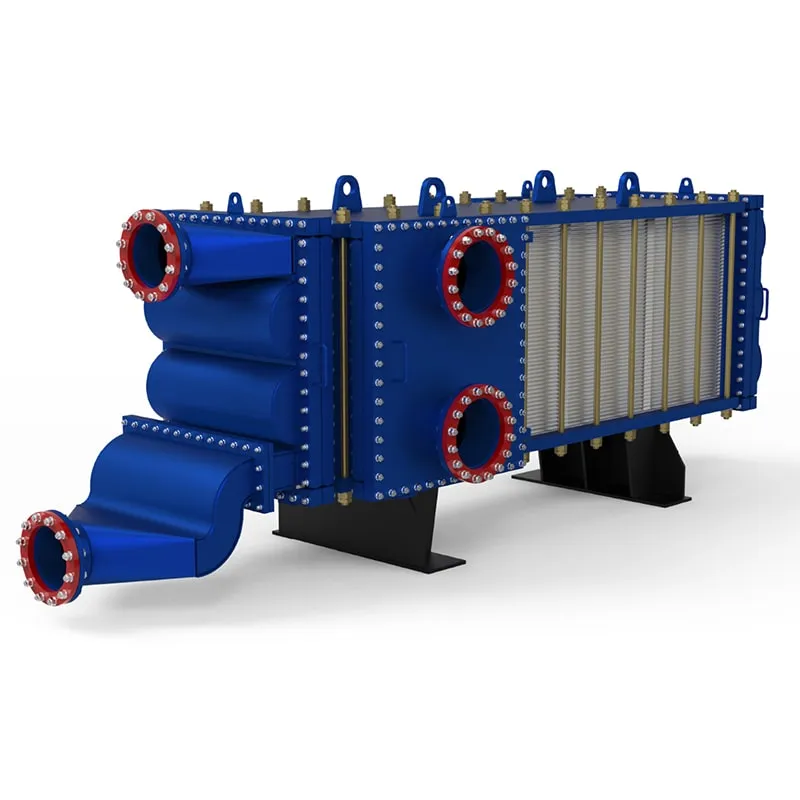
Custom-Engineered Anti-Clogging Solutions for High-Viscosity Slurries:
Deployed specifically to conquer severe industrial fouling, SHPHE wide gap welded plate heat exchangers are tailor-built to handle complex media containing dense fibers, coarse crystals, or solid suspensions without clogging. Each non-obstructed channel is calculated and formed by laser-welded plate packs matching your fluid’s exact rheology and grain size, completely eliminating structural "dead zones" and media stagnation. Available in highly compact vertical and versatile horizontal configurations, our vertical engineering drastically reduces plant footprints while maintaining unhindered product throughput, minimal pressure drops, and flawless continuous operations across harsh process loops.
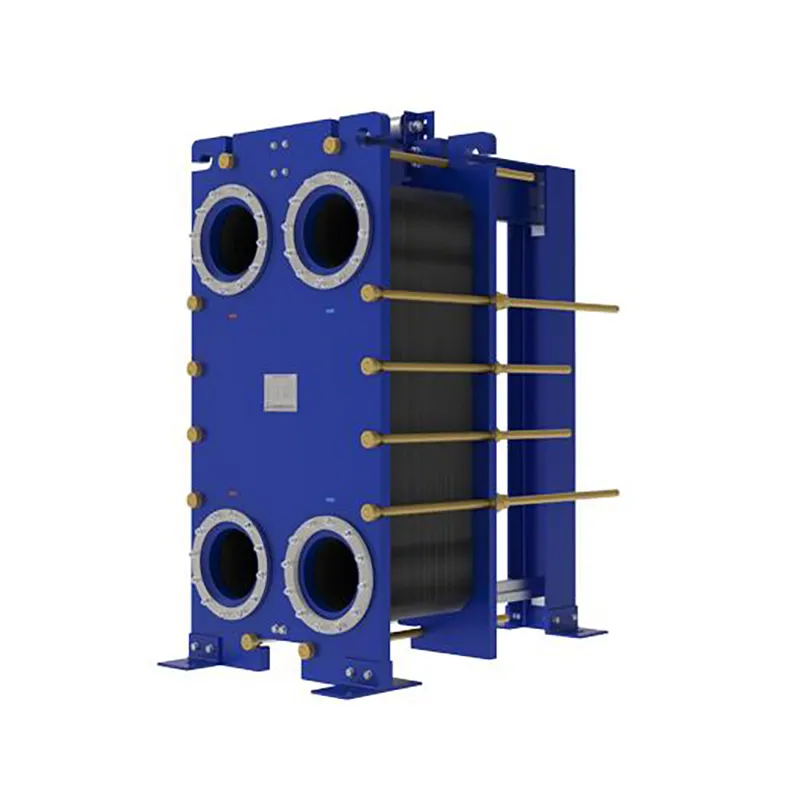
Since the invention of the plate heat exchanger (PHE) in 1923, thermal technology has evolved from standard food-grade processing to highly complex industrial operations. At SHPHE, we take this classic, versatile design and transform it into highly bespoke heat transfer solutions tailored to your unique process fluids and thermal loads. While traditional gasketed PHEs offer high efficiency and compact footprints, SHPHE optimizes plate corrugations, metallurgy, and sealing systems to handle your specific chemical, HVAC, or energy recovery parameters. Our custom-engineered gasketed plate heat exchangers provide outstanding scalability and ease of maintenance, serving as an indispensable asset for heavy industries—including oil and gas, metallurgy, and food processing—where uptime, energy recovery, and long-term sustainability are top priorities.