High-Quality SS Plates for Food Grade Heat Exchanger
When it comes to food processing, the quality of heat exchanger plates directly impacts product safety and operational efficiency. Our stainless steel plates for food grade heat exchangers are precision-engineered from 316L and 304 stainless steel, offering excellent corrosion resistance and easy cleanability. These plates meet strict FDA and 3-A sanitary standards, making them a reliable choice for dairy, beverage, sauce, and other food applications. In this article, we explore the key features, material benefits, and real-world performance of these high-quality SS plates.
Why Stainless Steel Matters in Food Heat Exchangers
Stainless steel is the preferred material for food-grade heat exchangers because of its inherent resistance to corrosion and ability to withstand frequent cleaning with harsh sanitizers. Our plates use 316L stainless steel, which contains molybdenum for added protection against chlorides and acidic food products like tomato sauce or citrus juices. The surface finish is carefully controlled to a Ra ≤ 0.5 µm, preventing bacterial adhesion and making CIP (clean-in-place) procedures more effective. In a recent dairy pasteurization setup, these plates showed no signs of pitting or scaling after 18 months of continuous operation.
Precision Manufacturing for Consistent Performance
Each plate is produced using advanced hydraulic pressing with tolerances within ±0.1 mm. The gasket grooves are machined to ensure a leak-proof seal even under fluctuating temperatures from -10°C to 180°C. We use food-grade EPDM or HNBR gaskets that are free from BPA and phthalates. The plates are available in various corrugation patterns — herringbone, washboard, or dimple — to optimize heat transfer coefficients between 3000 and 7000 W/m²·K depending on the application. For example, in a brewery wort cooling process, our herringbone plates achieved a 15% higher heat recovery compared to standard flat plates.
Key Technical Specifications
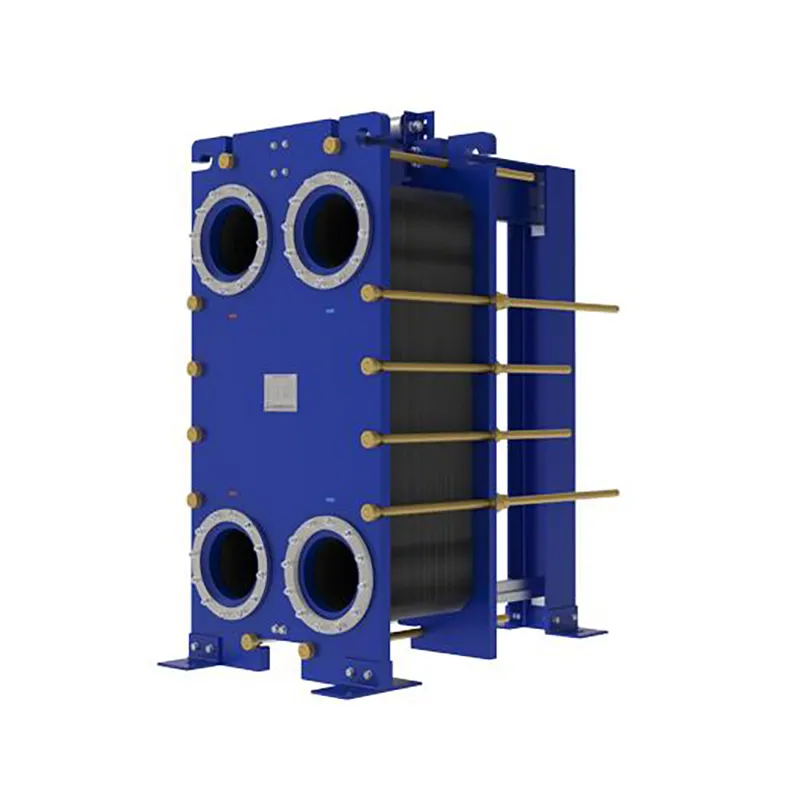
Our SS plates come in standard sizes from 0.1 m² to 2.5 m² per plate, with thickness options of 0.5 mm, 0.6 mm, and 0.8 mm. The design pressure rating is up to 16 bar, and the maximum operating temperature is 200°C for short-term sterilization cycles. All plates undergo a 100% pressure test at 1.3 times the design pressure, along with a dye penetration test to verify surface integrity. We also offer custom hole patterns and port sizes to match existing plate heat exchanger frames from major brands like Alfa Laval, GEA, and APV.
Real-World Applications and Benefits
In a large-scale yogurt production facility, replacing old titanium plates with our 316L SS plates reduced overall pressure drop by 12% while maintaining the same heat duty. The smoother surface also cut cleaning time by 20 minutes per cycle, saving over 120 hours of downtime annually. For a vegetable oil processor, our wide-gap plate design handled viscous fluids with suspended solids without clogging, achieving a heat transfer coefficient of 1800 W/m²·K even at high viscosity. These real results demonstrate how material quality and plate geometry directly affect operational costs and product safety.
Compliance and Certification
Every batch of plates is supplied with a material test certificate (EN 10204 3.1) and a declaration of conformity to EU Regulation 1935/2004 for food contact materials. Our production facility holds ISO 9001:2015 and ISO 22000 certifications. We also provide third-party testing reports for nickel and chromium release rates, ensuring they stay well below the 0.1 mg/dm² limit set by the European Food Safety Authority. For customers requiring additional validation, we can arrange for 3-A or EHEDG certification on request.
To learn more about our custom-engineered plate solutions, visit our gasketed plate heat exchangers product page or explore our wide gap welded plate heat exchanger for challenging food applications.

 English EN