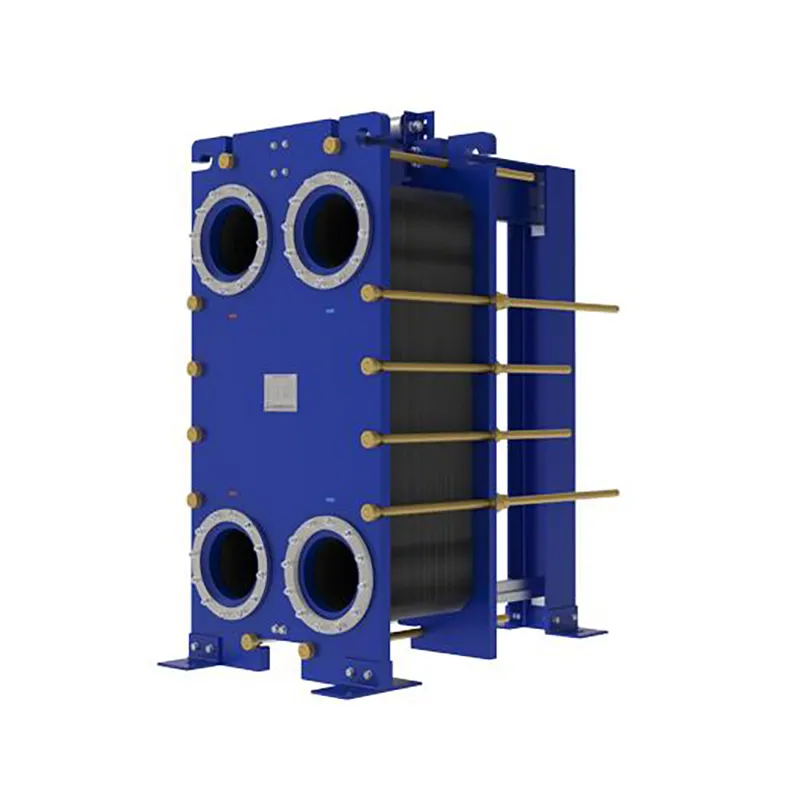
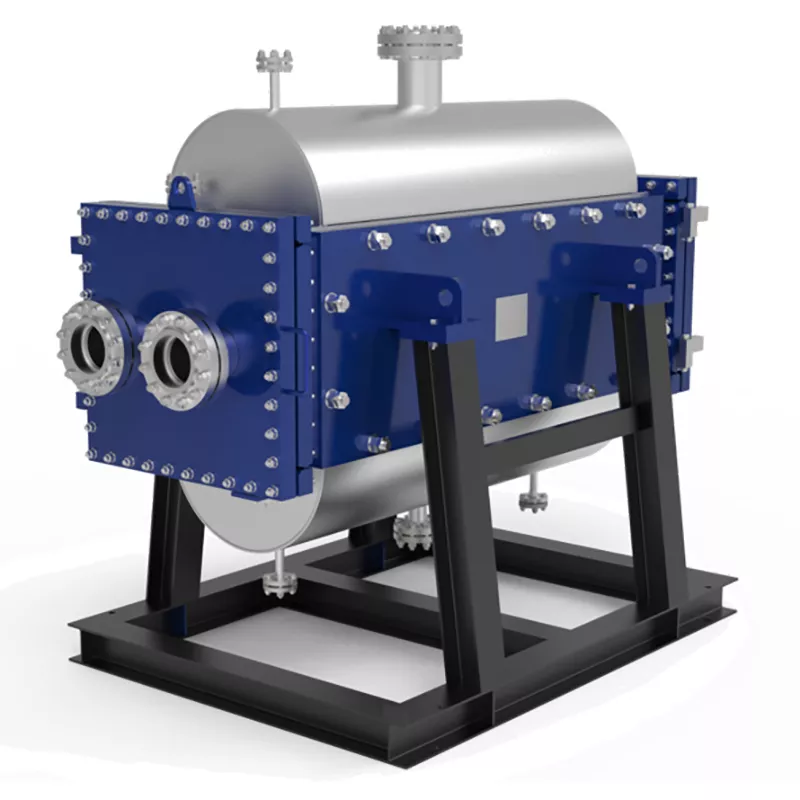
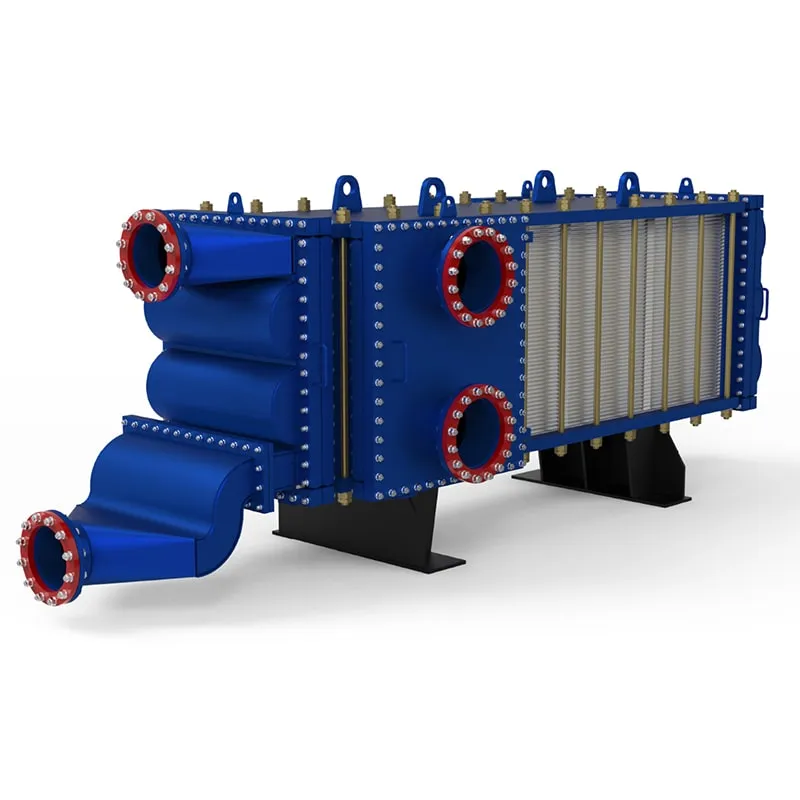
Our stainless steel tube heat exchangers are built for demanding industrial processes where reliable thermal performance and long service life are non-negotiable. Designed with precision engineering, these units deliver consistent heat transfer efficiency while resisting corrosion and high temperatures. Whether you are upgrading an existing system or outfitting a new facility, this equipment offers a practical solution that balances performance with durability.
Stainless steel tube heat exchangers are widely used across chemical processing, food and beverage production, pharmaceutical manufacturing, and HVAC systems. The core advantage lies in the material itself — stainless steel offers excellent resistance to rust and chemical attack, which means the equipment maintains its integrity even when handling aggressive fluids or operating in humid environments. Our heat exchangers are constructed using high-grade stainless steel (typically 304 or 316L), ensuring they meet the strict hygiene and safety standards required in many industries.
The design features a bundle of tubes enclosed within a shell. One fluid flows through the tubes while another fluid passes over the tubes within the shell, allowing efficient heat transfer between the two streams. We have optimized the tube arrangement and baffle spacing to minimize pressure drop while maximizing thermal exchange. This results in lower energy consumption for pumps and fans, which directly translates to reduced operating costs over the lifespan of the equipment.
Each unit undergoes rigorous testing before shipment, including hydrostatic pressure tests and thermal performance verification. Typical operating pressures range from 10 bar to 40 bar, with temperature capabilities up to 400°C depending on the specific model and gasket materials selected. The modular construction also allows for easy maintenance — tube bundles can be removed for cleaning or replacement without disturbing the shell or piping connections.
For applications that require frequent cleaning or where fouling is a concern, we offer enhanced surface finishes and larger tube diameters to simplify maintenance routines. The welded joints are fully penetrated and inspected to ensure leak-free operation over many years. If your process involves viscous fluids, slurries, or fluids with suspended solids, our wide-gap designs or custom-engineered plate heat exchangers may also be worth considering as complementary solutions.
We understand that every installation has unique requirements. That is why we provide detailed technical documentation, including dimensional drawings, material certifications, and performance curves for each heat exchanger. Our team works closely with engineers to select the right configuration — whether it is a fixed tube sheet, U-tube, or floating head design — to match your space constraints and thermal duty.
In addition to standard models, we also offer custom fabrication services. This includes adjustments to nozzle orientation, support saddle placement, and integration with existing control systems. For projects that demand higher thermal efficiency or compact footprints, you might explore our printed circuit heat exchanger range, which uses diffusion bonding to achieve very high surface area density.
When you choose a stainless steel tube heat exchanger from our catalog, you are investing in equipment that has been refined through decades of field experience. The materials, welding procedures, and quality control processes all comply with international standards such as ASME, PED, and GB/T. We back every unit with a comprehensive warranty and provide responsive after-sales support to keep your operations running smoothly.
To learn more about how our heat exchangers can fit into your specific process, we encourage you to review the product specifications and contact our engineering team for a detailed consultation. We are here to help you find the most cost-effective and reliable thermal management solution for your facility.

 English EN